Ukraine's GDP grew 2.2% in 2025, economy ministry says
 on Google
Ukraine's real gross domestic product (GDP) grew by 2.2% in 2025, according to preliminary estimates, despite record Russian attacks on critical infrastructure, emigration, and the war approaching its fifth year.
"In 2025 (...) growth was supported by domestic trade, construction, (...) the production of defense products and metallurgy," Oleksiy Sobolev, Ukraine's economy minister, said in a press release.
Roughly 30% of Ukraine's real GDP was wiped out after Russia's full-scale invasion in 2022. By 2024, Ukraine's economic output was just 78% of its pre-war level, state statistics show.
Ukraine's nominal GDP was $210 billion in 2025, according to the International Monetary Fund (IMF).
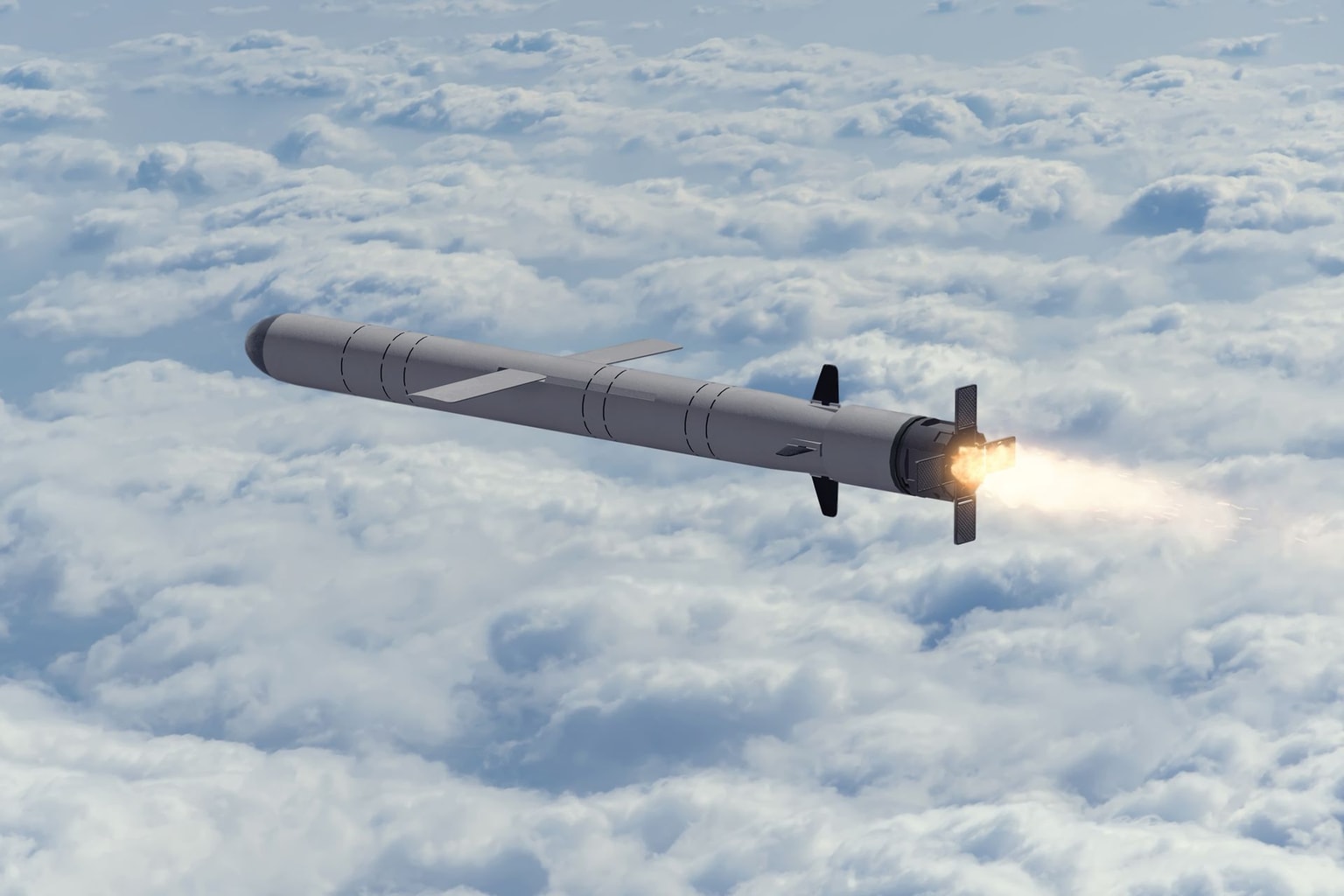
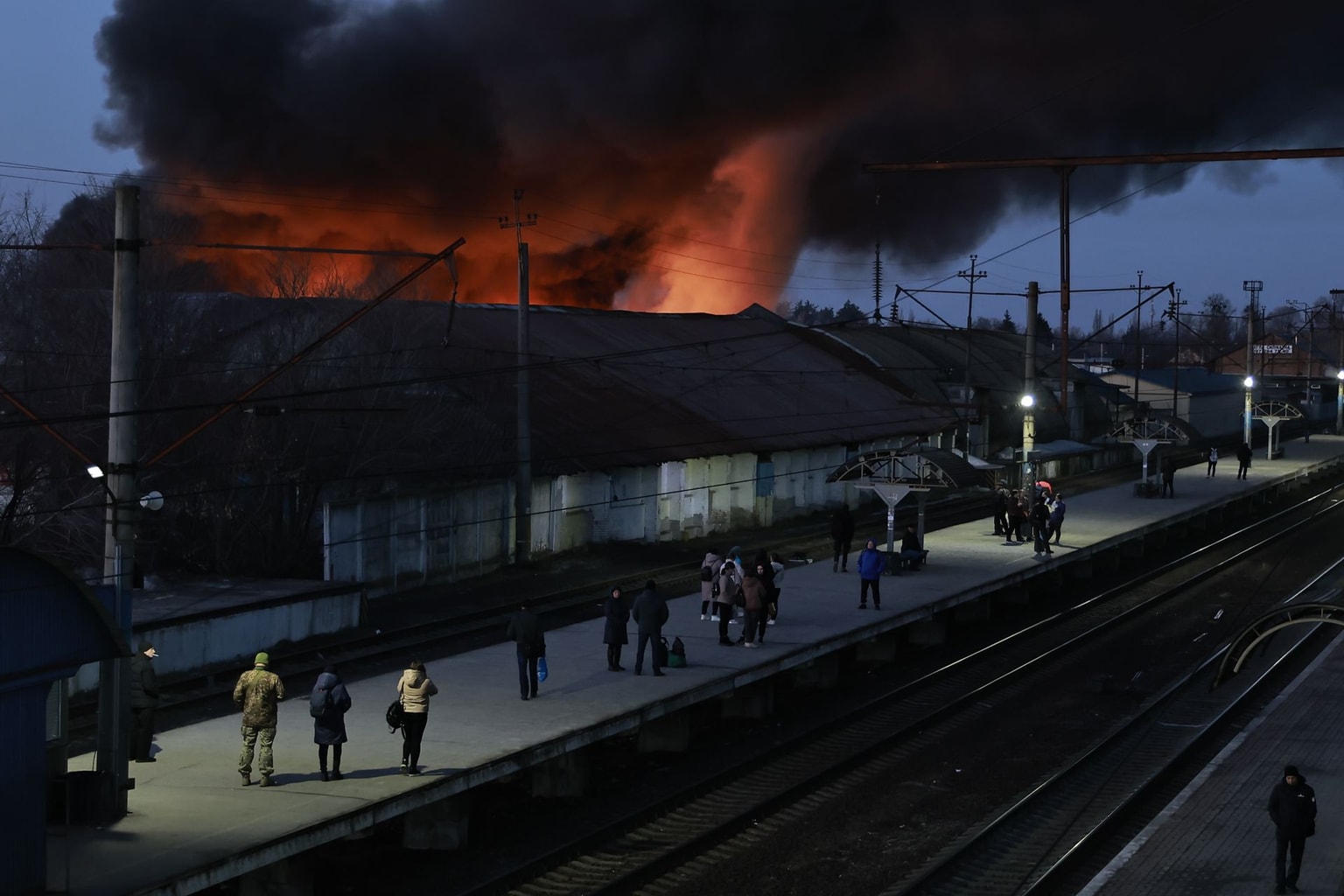
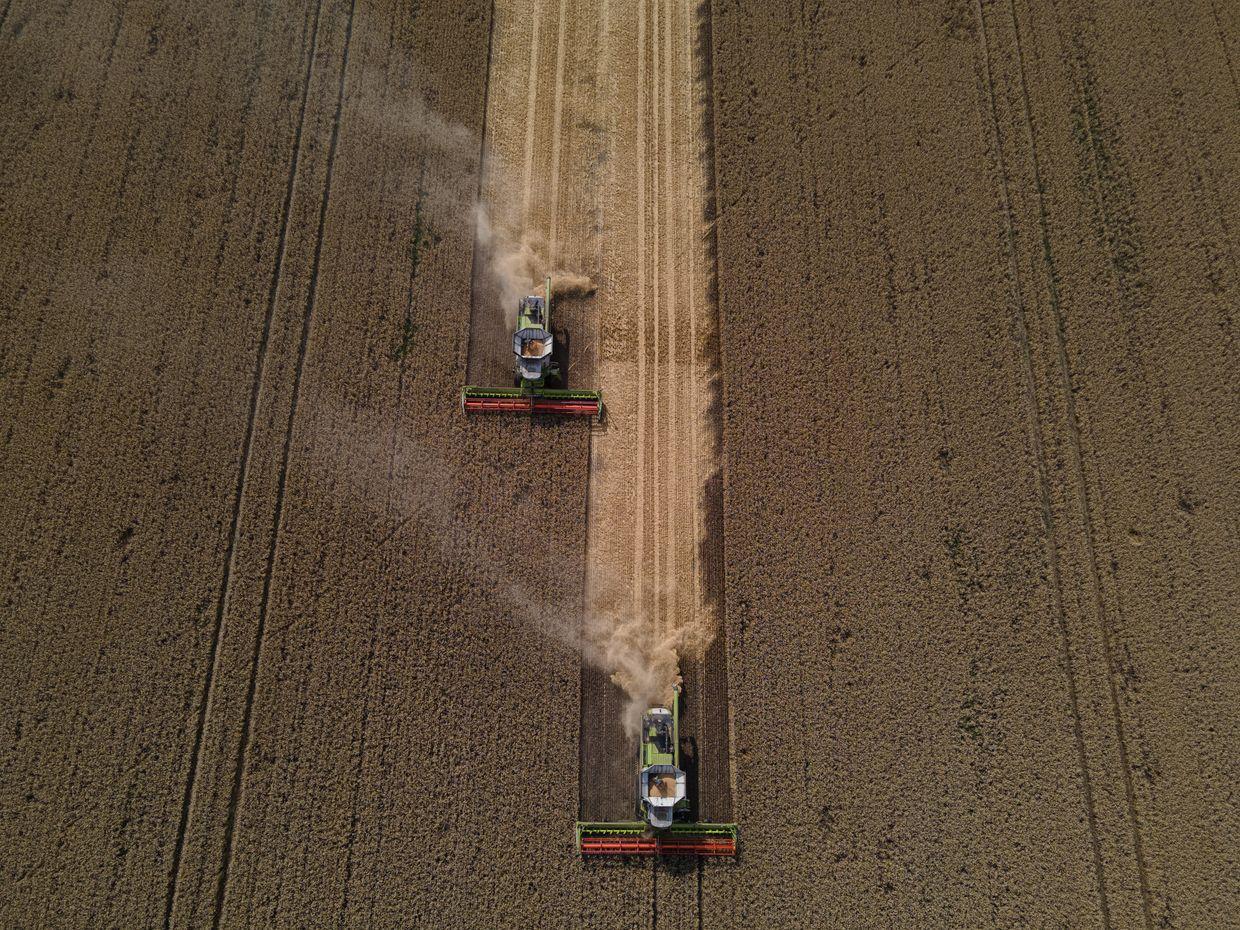
Massive Russian missile attacks, lower harvests due to adverse weather conditions, and logistical challenges were a drag on growth in 2025, the economy ministry said.
Soybean and sunflower harvests were down 26.9% and 15.8%, respectively, compared to the previous year. Domestic gas production was also targeted for the first time of the full-scale invasion in 2025.
Ukraine's economy heavily relies on constant injections of foreign cash, including from allied countries and international lenders, including the IMF.
In December, the European Union agreed to lend 90 billion euros ($105 billion) to Ukraine. The bloc has collectively provided 193 billion ($225 billion) euros in combined military, financial and humanitarian support since 2022, according to the EU — the most of any ally.
While the United States was previously a major supporter, American aid has evaporated under the second Trump administration.