Ukraine war latest: Russian Ka-52 helicopter shot down by Ukrainian FPV drone in Donetsk Oblast
 on Google
Key developments on March 20:
- Russian Ka-52 helicopter shot down by FPV drone in Donetsk Oblast
- Russia reportedly offers to halt intel sharing with Iran if US stops with Ukraine
- Ukraine heads to US with drone proposal Trump dismissed before war with Iran
- Russia uses failed exams to funnel students into army in occupied territories
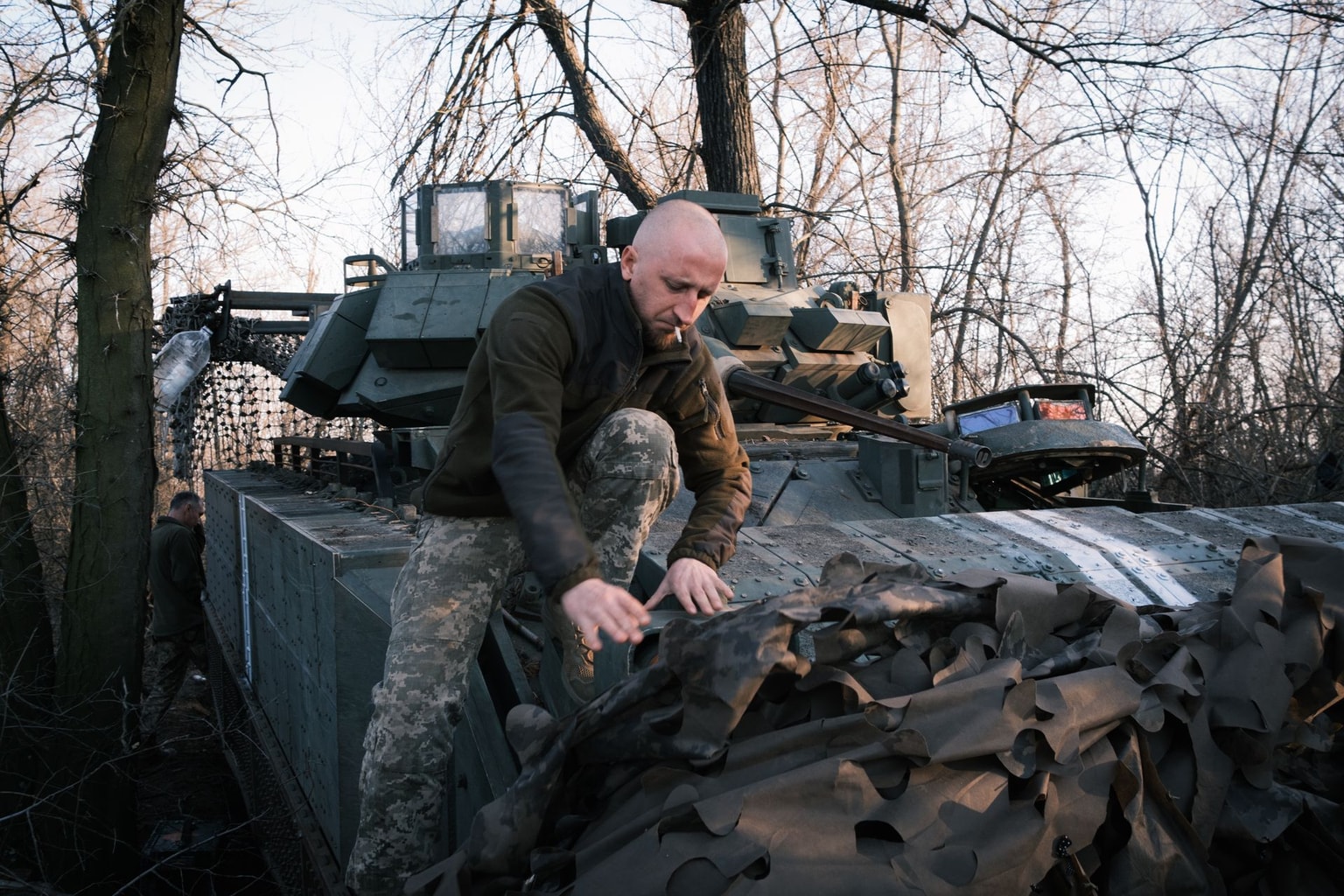
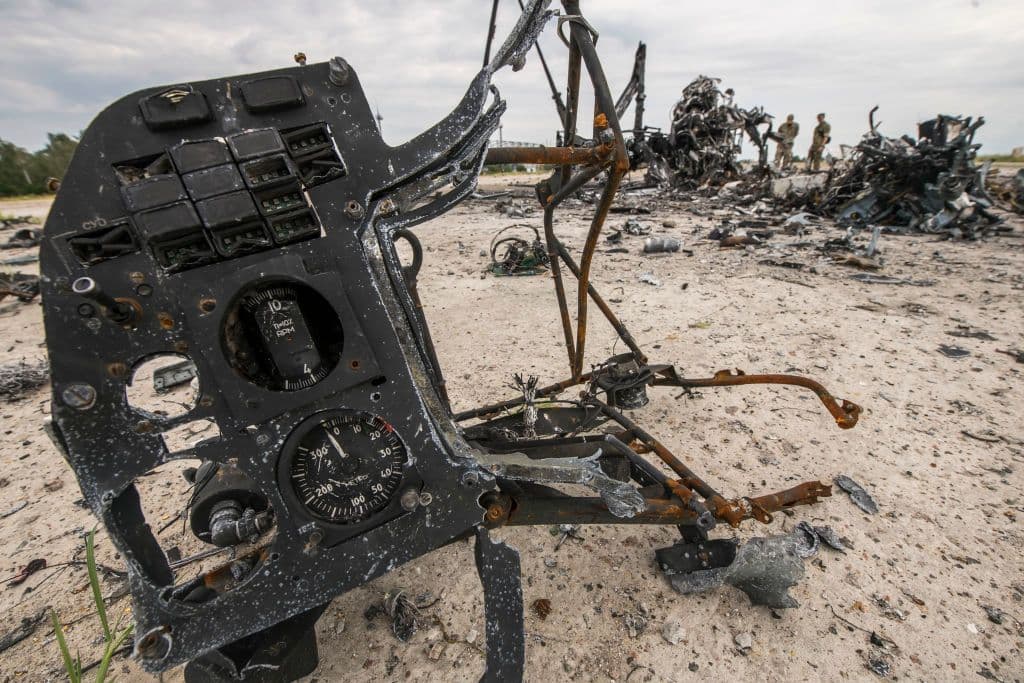
Ukrainian drone operators destroyed a Russian Ka-52 "Alligator" attack helicopter using an FPV (first-person view) drone in Donetsk Oblast, Ukraine's Unmanned Systems Forces said March 20.
The latest strike brings the total number of Russian helicopters shot down by Ukraine since the start of the full-scale invasion to 350, according to the General Staff.
The strike was carried out by operators from the "Predators of the Heights" battalion of the 59th Separate Assault Brigade. It marks the second reported helicopter destroyed by the brigade, according to Ukraine's Unmanned Systems Forces.
The Ka-52 is a reconnaissance and attack helicopter used by Russia's army aviation to target armored vehicles, troops, and aerial threats. The estimated cost of a Ka-52 helicopter is about $16 million, according to Ukraine's Unmanned Systems Forces.
Robert "Magyar" Brovdi, commander of the 414th "Birds of Magyar" Brigade, said the helicopter made an emergency landing following the strike. Brovdi added that the crew attempted to escape but was later located and killed by his unit's operators.
The Kyiv Independent could not independently verify these claims at the time of publication.
The reported strike comes as Russian losses continue to mount across the front line. Ukrainian commanders have recently reported sharp increases in daily Russian casualties as Ukrainian forces seek to thwart a long-anticipated spring offensive.


Russia reportedly offers to halt intel sharing with Iran if US stops with Ukraine
Russia has issued a new ultimatum, proposing to halt intelligence-sharing with Iran if the United States does the same for Ukraine, Politico reported on March 20, citing two people familiar with the U.S.-Russia negotiations.
The U.S. has reportedly rejected the proposal.
Testifying before Congress on March 18, John Ratcliffe, the director of the Central Intelligence Agency (CIA), confirmed Iran had asked Russia to share intelligence on American military assets in the Middle East.
Days earlier, on March 7, U.S. President Donald Trump downplayed the idea that intelligence sharing between Iran and Russia posed a threat to the U.S., claiming that "it's not doing much."
However, some reports have pointed to heightened U.S. concern over the matter.
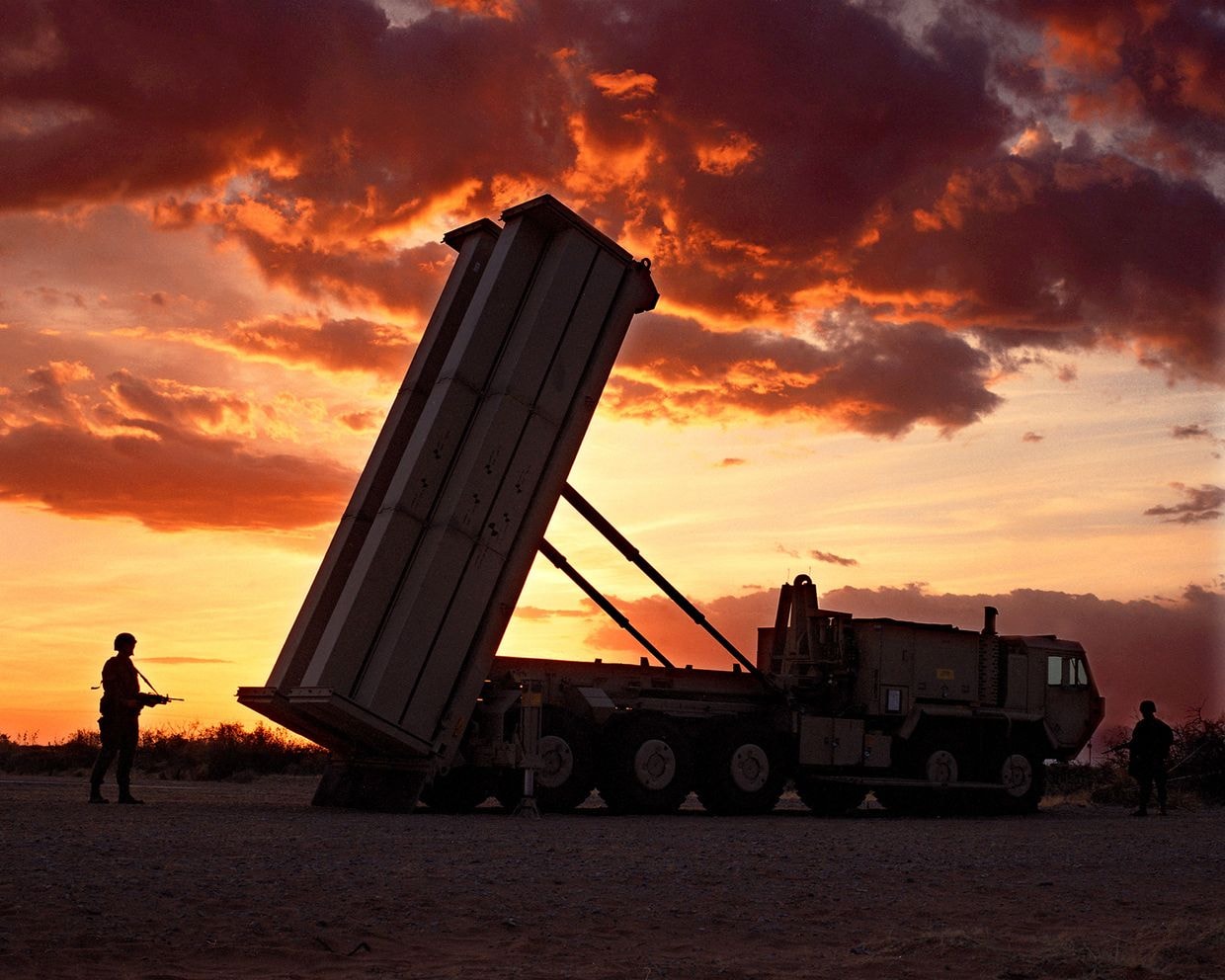
The Washington Post reported March 8 that the U.S. was moving components of its air defense systems from South Korea to the Middle East as tensions linked to the war with Iran intensified throughout the Gulf.
The disclosure of Iran-Russia intelligence sharing also followed remarks by U.S. special envoy Steve Witkoff, a central figure in negotiations between Washington and Moscow, who said March 10 that Russia had denied doing so and added that he believed the U.S. could "take them at their word."
The Trump administration has previously threatened to cut intelligence sharing with Ukraine when it saw peace negotiations had stalled.
While the Russian proposal has reportedly unsettled some European Union diplomats, one official, speaking to Politico, sought to play down its significance, saying that France now provides "two-thirds" of Ukraine's military intelligence.
Ukraine heads to US with drone proposal Trump dismissed before war with Iran
Ukrainian negotiators traveling to the U.S. on March 20 will present the Trump administration with a proposal for expanded drone cooperation, President Volodymyr Zelensky said in response to a question from the Kyiv Independent.
The initiative centers on sharing Ukraine's battle-tested drone technology — particularly systems designed to counter Iranian-made Shahed-type attack drones — at a time when the U.S. faces similar threats in the Middle East.
The push reflects Kyiv's broader strategy to deepen cooperation with Washington even as diplomatic efforts to end Russia's war against Ukraine remain uncertain.
Ukraine floated the idea of such cooperation last year but now aims to formalize it.
"They are our priority partner; it's not just about interceptor drones — it's primarily about maritime drones and our long-range drones, battle-tested," he said. "This includes a package of knowledge sharing, training, and so on."
Ukraine has spent years developing drone capabilities under wartime pressure. Its forces have used unmanned systems to strike Russian oil refineries, naval assets, and military infrastructure, while also building defenses against mass drone attacks.
Those capabilities have drawn attention in Washington — particularly as the U.S. now faces the same Iranian drone threat Ukraine has been countering for years.
Russia uses failed exams to funnel students into army in occupied territories, militarizing Ukrainian youth
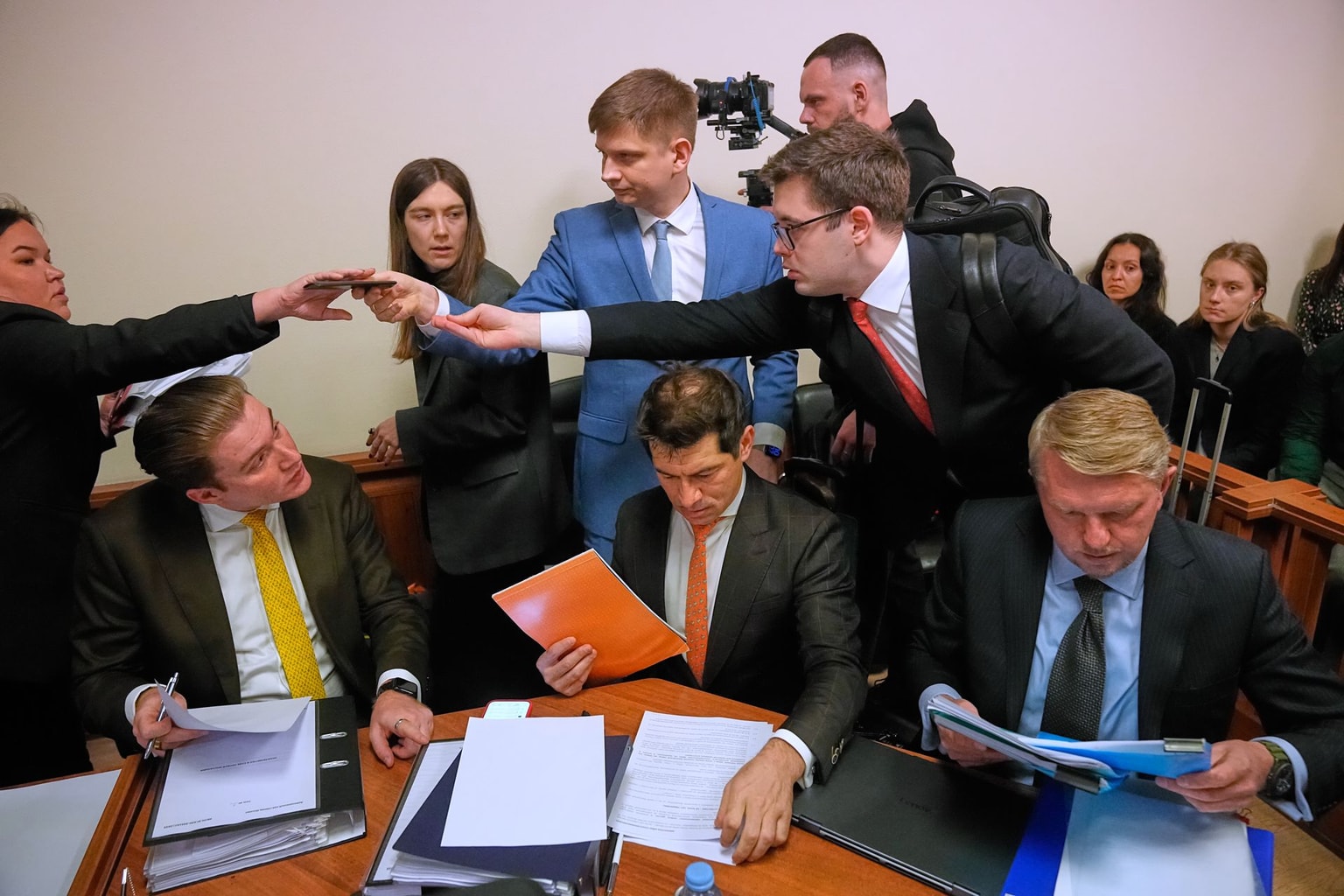
Forcing Ukrainian students in Russian-occupied territories to join the Russian army if they fail an exam is another example of Russia's militarization of Ukrainian youth, Taya Avram, a lawyer within the Donbas SOS NGO, told the Kyiv Independent on March 20.
Russia regularly commits war crimes in the occupied territories against Ukrainian children and young people who, for various reasons, cannot leave for areas under Ukrainian control. One of the most common abuses is the forced conscription of individuals who have recently reached adulthood into the Russian army to fight against Ukraine.
Oleksii Kharchenko, the head of Ukraine's Luhansk military administration, said on March 17 that students who failed their exams and are trying to retake them are being coerced into joining Russian forces in exchange for keeping their spot at academic institutions.
In doing so, Russia violates the laws and customs of war, as the mobilization of civilians and the militarization of education violate the Geneva Convention on the Protection of Civilian Persons in Time of War and are regarded as war crimes under international humanitarian law.
"They will be expelled anyway. Therefore, they must agree to serve as drone operators to avoid later being drafted into the infantry," Kharchenko said.
Kharchenko added that those students who agree to join the army are being promised academic leave for the duration of their service.
Russia is extensively militarizing Ukrainian children and youth in the occupied territories to "raise future soldiers" and involve them in the fight against their own people, Avram told the Kyiv Independent.
Note from the author:
Ukraine War Latest is put together by the Kyiv Independent news desk team, who keep you informed 24 hours a day, seven days a week. If you value our work and want to ensure we have the resources to continue, join the Kyiv Independent community.