Ukraine war latest: Ukraine targets Moscow with drones for 4th consecutive day
 on Google
Key developments on March 17:
- Ukraine targets Moscow with drones for 4th consecutive day, launching at least 40 in latest strike
- 'No region can feel safe' — Russia's ex-Defense Minister Shoigu raises alarm over Ukraine's drone strikes
- Russia slams 'EU warmongers' for not backing Trump's war against its ally
- 201 Ukrainians now in Middle East helping counter Iranian drone attacks, Zelensky says
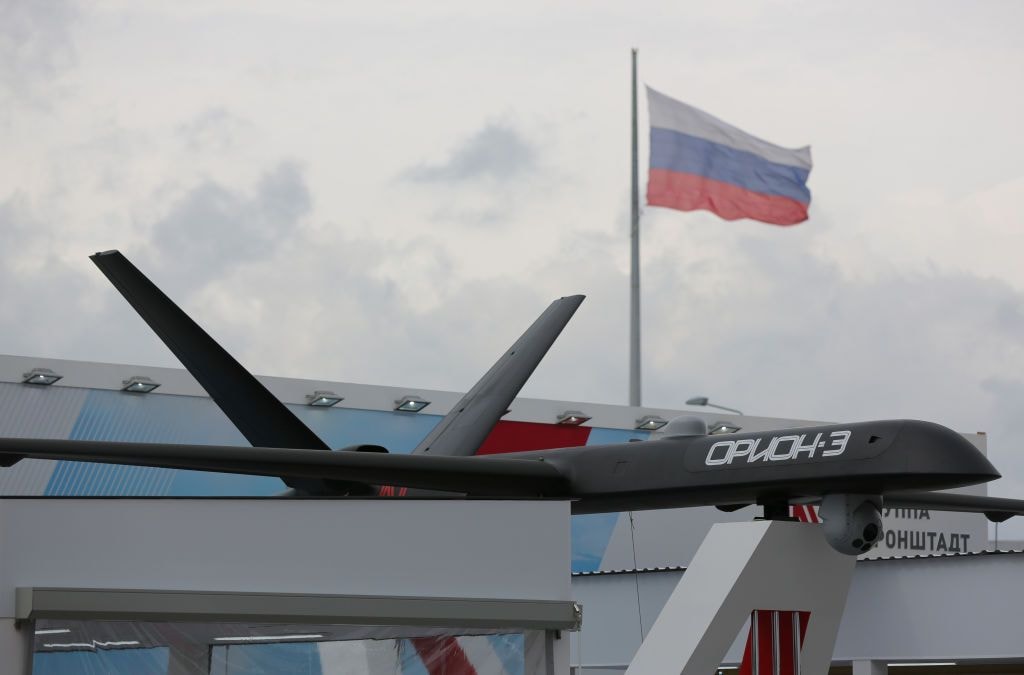
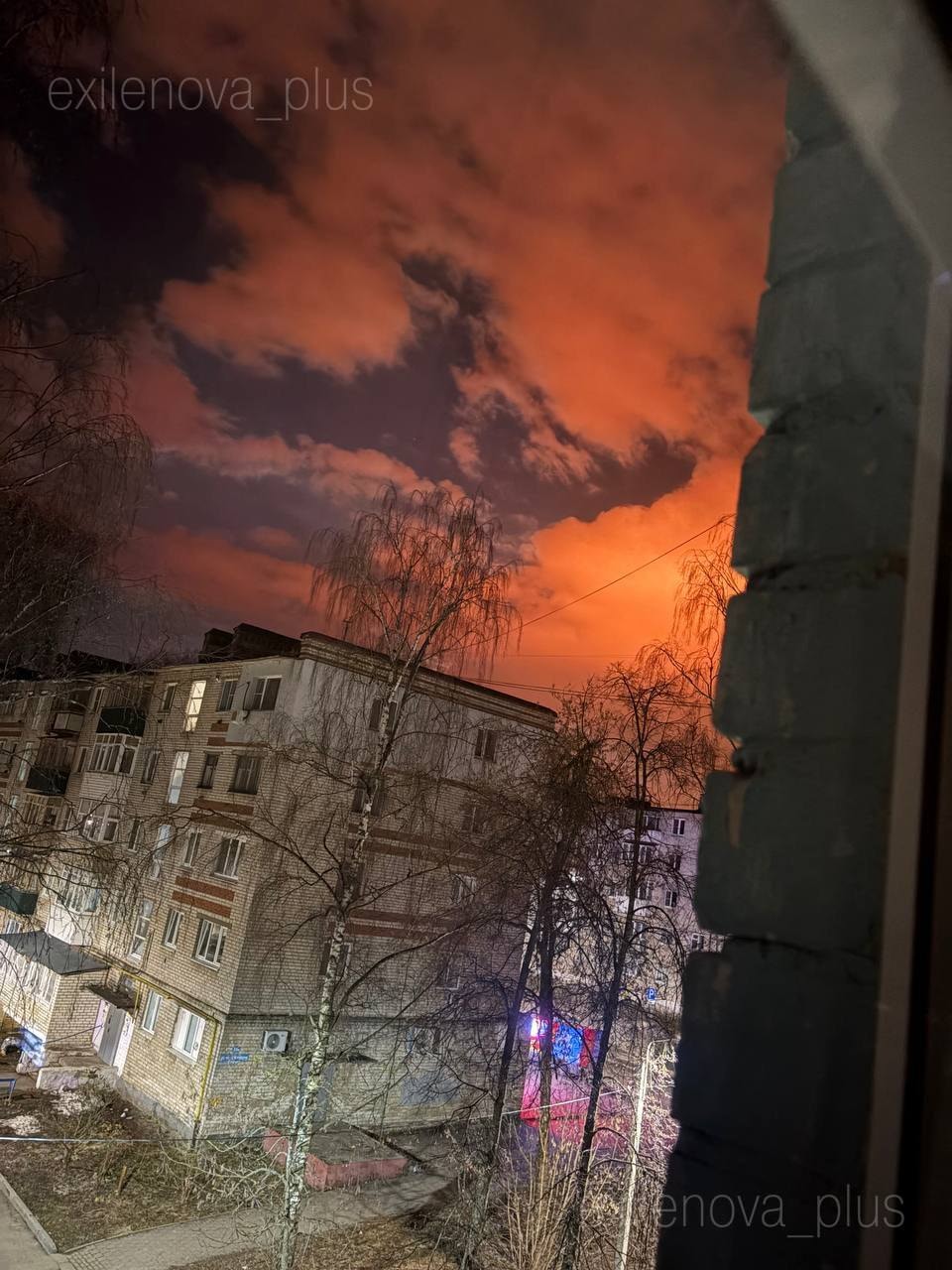
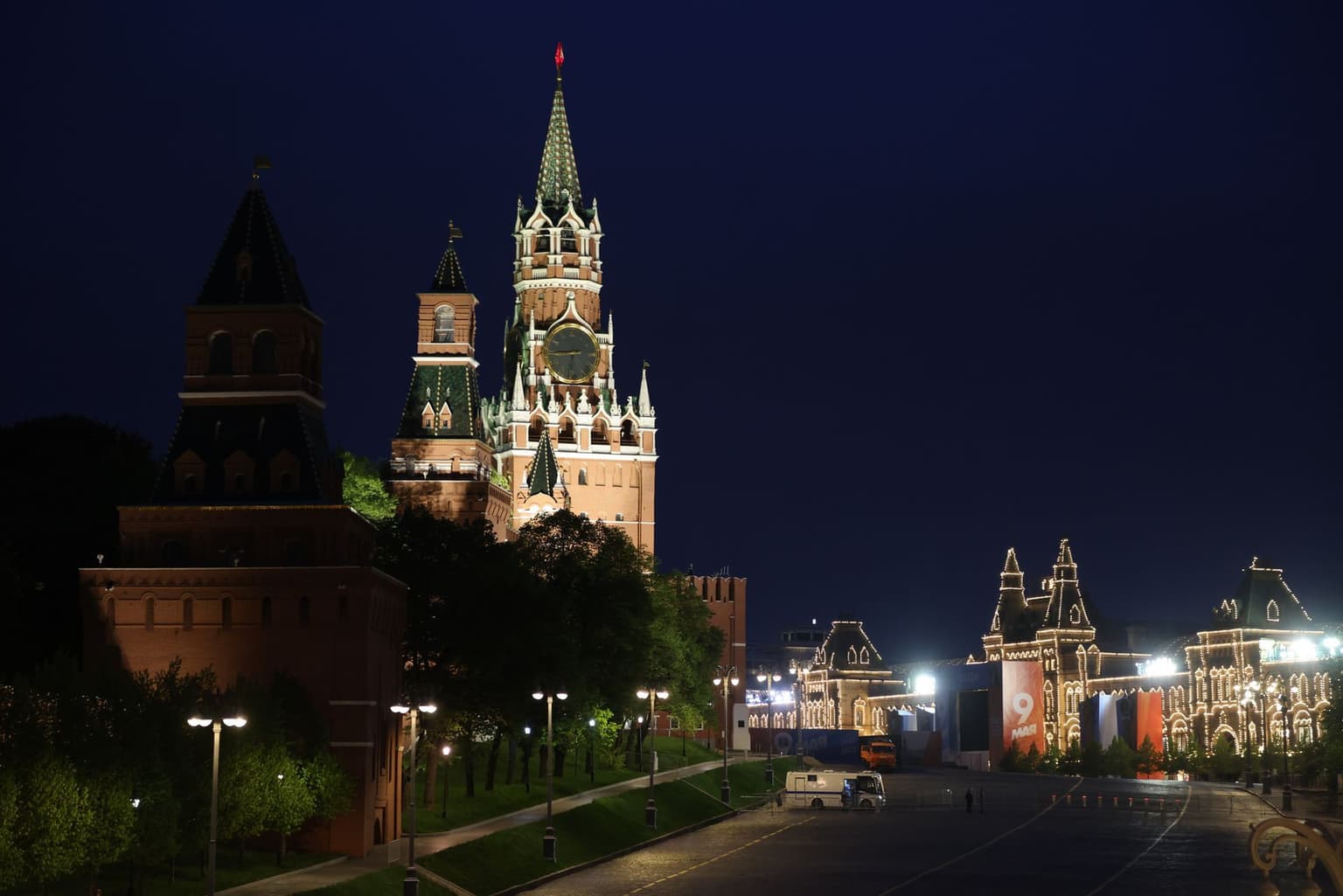
Russian air defenses intercepted 206 Ukrainian drones over Russian territory overnight on March 17, including 40 that were heading toward Moscow, the Russian Defense Ministry said.
Russian authorities reported drone attacks on the capital for the fourth consecutive day. Ukraine has not commented on the recent strikes.
Moscow Mayor Sergey Sobyanin said that swarms of Ukrainian drones were intercepted beginning around 10 p.m. local time, lasting into the early morning. As of 6:15 a.m. Moscow time, 39 drones had allegedly been downed.
Emergency crews were dispatched to the crash sites, and no casualties or damage were reported. The total number of drones launched by Ukraine remains unclear, as Russia only reports drones it says were intercepted.
The Kyiv Independent could not verify the reports at the time of publication.
The latest drone swarms on the Russian capital come amid an apparent increase in attacks on Moscow in recent days. Sobyanin claimed on March 16 that over 250 drones, not including the latest totals, had been shot down over Moscow's sky since March 14.

'No region can feel safe' — Russia's ex-Defense Minister Shoigu raises alarm over Ukraine's drone strikes
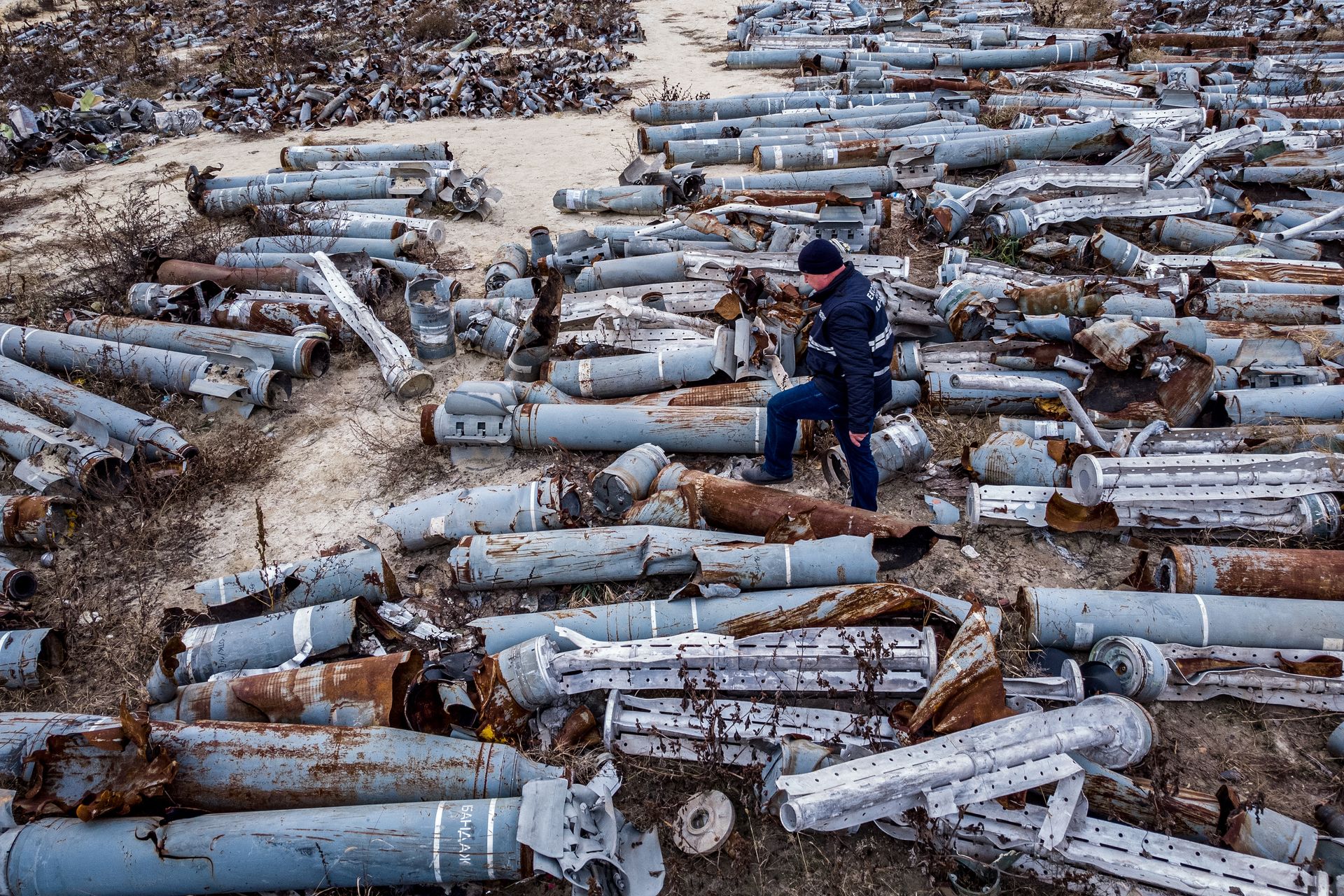
Ukrainian long-range drones now threaten Russia's Ural region, more than 1,500 kilometers (about 930 miles) from the Russian-Ukrainian border, Secretary of Russia's Security Council and former Defense Minister Sergei Shoigu said on March 17.
The Ural region spans Russia and Kazakhstan, lying between the East European and West Siberian plains. The area is dominated by a mountain range that forms a natural boundary between Europe and Asia.
During the meeting, Shoigu said the development of Ukrainian drones has advanced to the point that "no Russian region can feel safe," with the Ural region already "in the immediate danger zone."
Shoigu said that in 2025, Ukrainian aerial strikes on infrastructure across Russia surged nearly fourfold, with more than 23,000 attacks recorded.
The Ural region hosts strategic defense-industrial enterprises, energy facilities, chemical plants, and some of Russia's largest oil and gas fields — key components of the country's economic strength and defense capability, Shoigu said.
The region also features an extensive transportation network, including major rail lines and hubs, as well as federal highways, according to Shoigu.
"Disabling them could not only cause significant economic damage but also disrupt major metropolitan areas and key supply chains, including those essential to supporting a special military operation," the official said.
Shoigu said that Ukrainian forces are primarily targeting military sites, transportation networks, and energy facilities. Since early 2026, the attacks on Russian industrial enterprises and oil refineries have intensified, hitting operations that support the defense sector and supply the Russian military, he added.
The statement comes as Ukraine has intensified long-range strikes on Russian territory, with Ukrainian drones targeting Moscow for four days in a row.
Russia slams 'EU warmongers' for not backing Trump's war against its ally
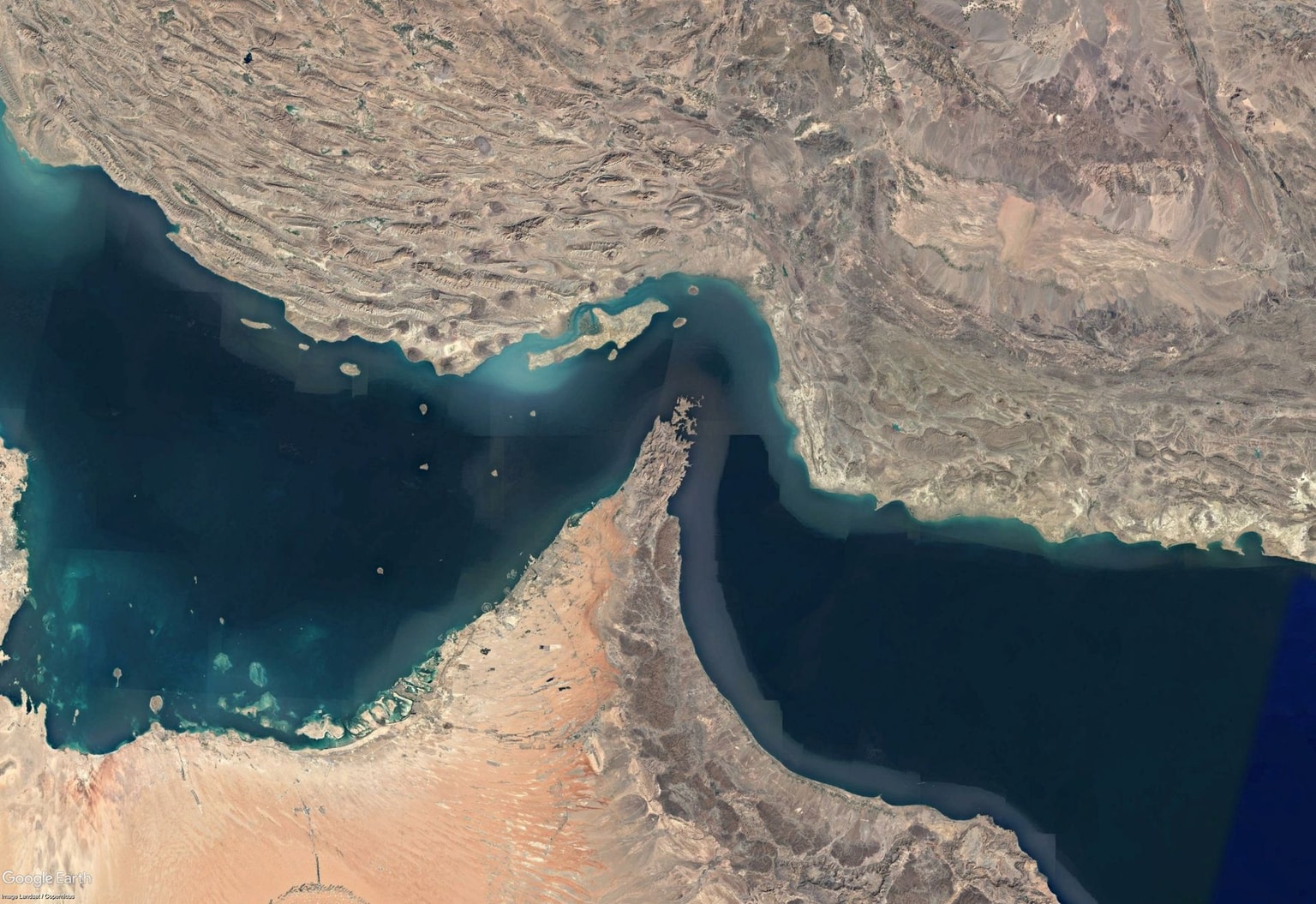
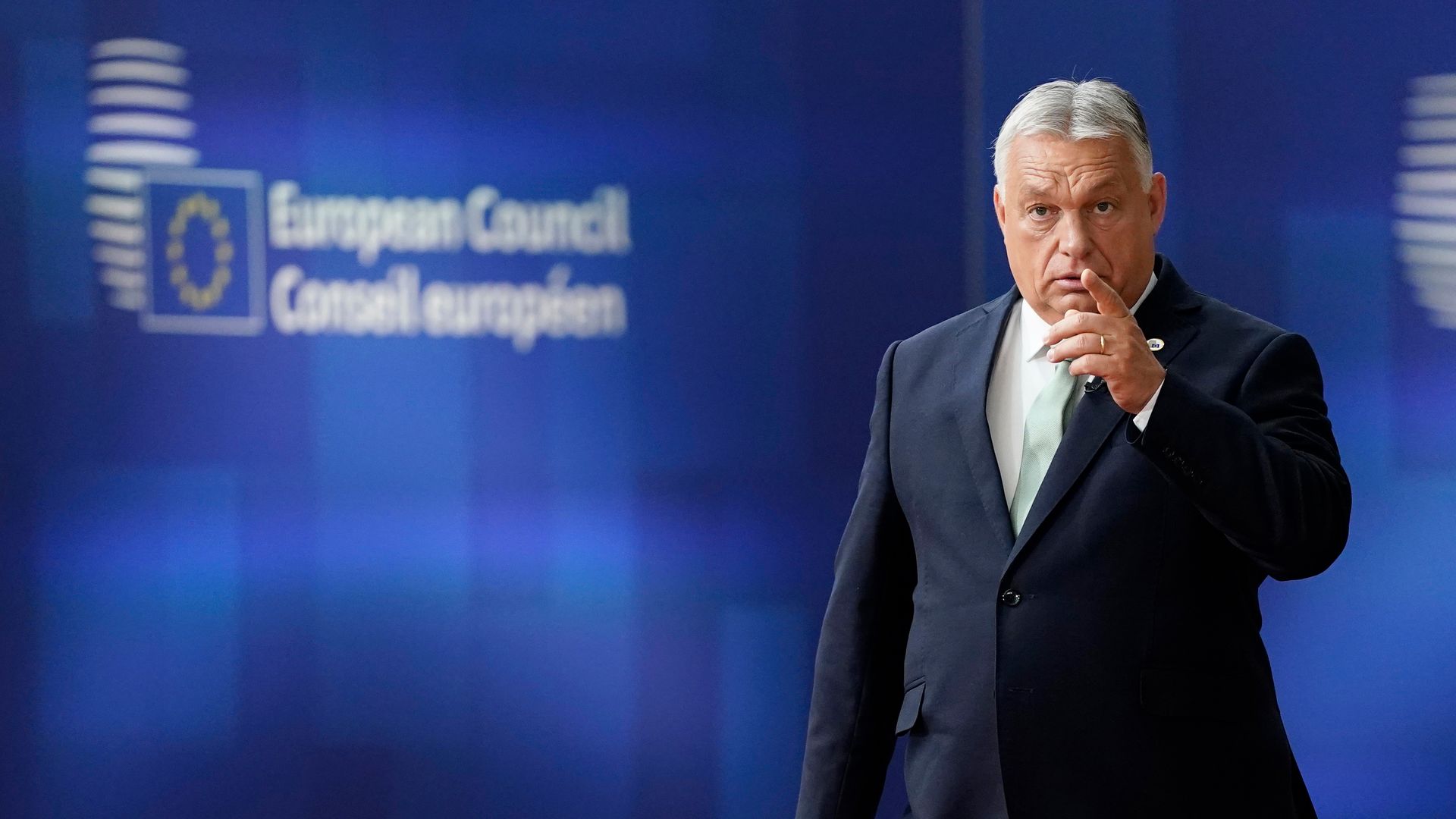
Russian envoy Kirill Dmitriev on March 17 accused European leaders of being "anti-Trump" after they declined to support U.S. efforts to reopen the Strait of Hormuz during the conflict with Iran.
In a post on X responding to media reports about Europe's stance, Dmitriev said that "EU warmongers" had revealed their true position by refusing to join U.S. President Donald Trump's push for allied naval deployments in the region.
"The masks are off," Dmitriev wrote. "U.K. and EU warmongers are showing how deeply anti-Trump they really are. They tried to hide it for a long time, but now everyone can see it."
The remarks followed Trump's appeals to multiple countries — including the U.K., China, France, Japan, and South Korea — to send warships and help restore freedom of navigation through the strait, a maritime corridor that carries roughly one-fifth of global oil trade.
While London and several European allies have said they are discussing possible diplomatic and security measures to stabilize shipping in the area, none have publicly agreed to participate.
Dmitriev's criticism has highlighted contradictions in Moscow's position.
Russia has portrayed U.S. and Israeli strikes on Iran as an unprovoked act of aggression and has condemned the campaign through statements by its Foreign Ministry, even as it continues its own war in Ukraine.
At the same time, Dmitriev's comments were widely seen as effectively encouraging additional countries to join military action against Tehran — one of Moscow's key strategic partners.
Iran has deepened military cooperation with Russia since the start of the full-scale invasion in 2022, supplying Shahed-type attack drones that Russian forces later adapted into their own Geran-series systems for sustained strikes on Ukrainian cities and critical infrastructure.
During the escalation in the Middle East, U.S. officials have also alleged that Russia provided Tehran with intelligence on American military positions in the region, including naval vessels and aircraft.
Dmitriev, who was born in Kyiv, previously received an appointment from Russian President Vladimir Putin as a special envoy for economic affairs tasked with facilitating dialogue with Washington.
He has frequently engaged in contacts with U.S. officials, including Special Envoy Steve Witkoff, as part of broader diplomatic efforts between Moscow and the Trump administration.
201 Ukrainians now in Middle East helping counter Iranian drone attacks, Zelensky says
Ukraine has deployed 201 specialists experienced in countering Iranian-made Shahed-type attack drones to the Middle East and Gulf region, President Volodymyr Zelensky announced on March 17.
The deployment comes as Iran retaliates against attacks by the United States and Israel, launching drones and missiles against U.S. bases, diplomatic facilities, and civilian targets across the region.
Kyiv has developed extensive expertise in countering Iranian-made Shahed-type attack drones since Russia began using them widely in attacks on Ukrainian cities and infrastructure in 2022.
"Right now, there are 201 Ukrainians in the Middle East and Gulf region, and another 34 are ready to deploy," Zelensky said during an address to the British Parliament. "These are military experts, experts who know how to help, how to defend against such drones."
According to the president, Ukrainian teams have already arrived in the United Arab Emirates, Qatar, and Saudi Arabia, while additional personnel are en route to Kuwait.
Zelensky added that the deployment followed requests from Ukraine's partners, including Washington, and forms part of a broader "drone deal" proposed by Kyiv to the United States.
U.S. President Donald Trump appeared to dismiss the need for Ukrainian assistance in an interview on March 13, claiming the United States already possesses superior drone technology.
Still, Zelensky noted that the drone deal "is on the table," highlighting what he described as Ukraine's cost-effective approach to air defense, with some incoming attack drones neutralized by just "two or three interceptors."
Note from the author:
Ukraine War Latest is put together by the Kyiv Independent news desk team, who keep you informed 24 hours a day, seven days a week. If you value our work and want to ensure we have the resources to continue, join the Kyiv Independent community.