Ukraine war latest: Saudi Arabia prepping 'huge deal' for Ukrainian weapons amid Iranian drone threat
 on Google
Key developments on March 10:
- Saudi Arabia prepping 'huge deal' for Ukrainian weapons amid Iranian drone threat
- Ukraine strikes missile control systems plant in Russia's Bryansk Oblast, Zelensky says
- Ukraine retakes most Russian-held areas in Dnipropetrovsk Oblast after weeks of counterattacks
- Ukraine to get 35 Patriot interceptors in coming weeks, German media reports
A Saudi Arabian arms company has signed a deal to buy Ukrainian-made interceptor missiles, the Kyiv Independent has learned, with one source within Ukraine's defense industry saying that Riyadh and Kyiv are negotiating a separate "huge deal" for arms that could be finalized this week.
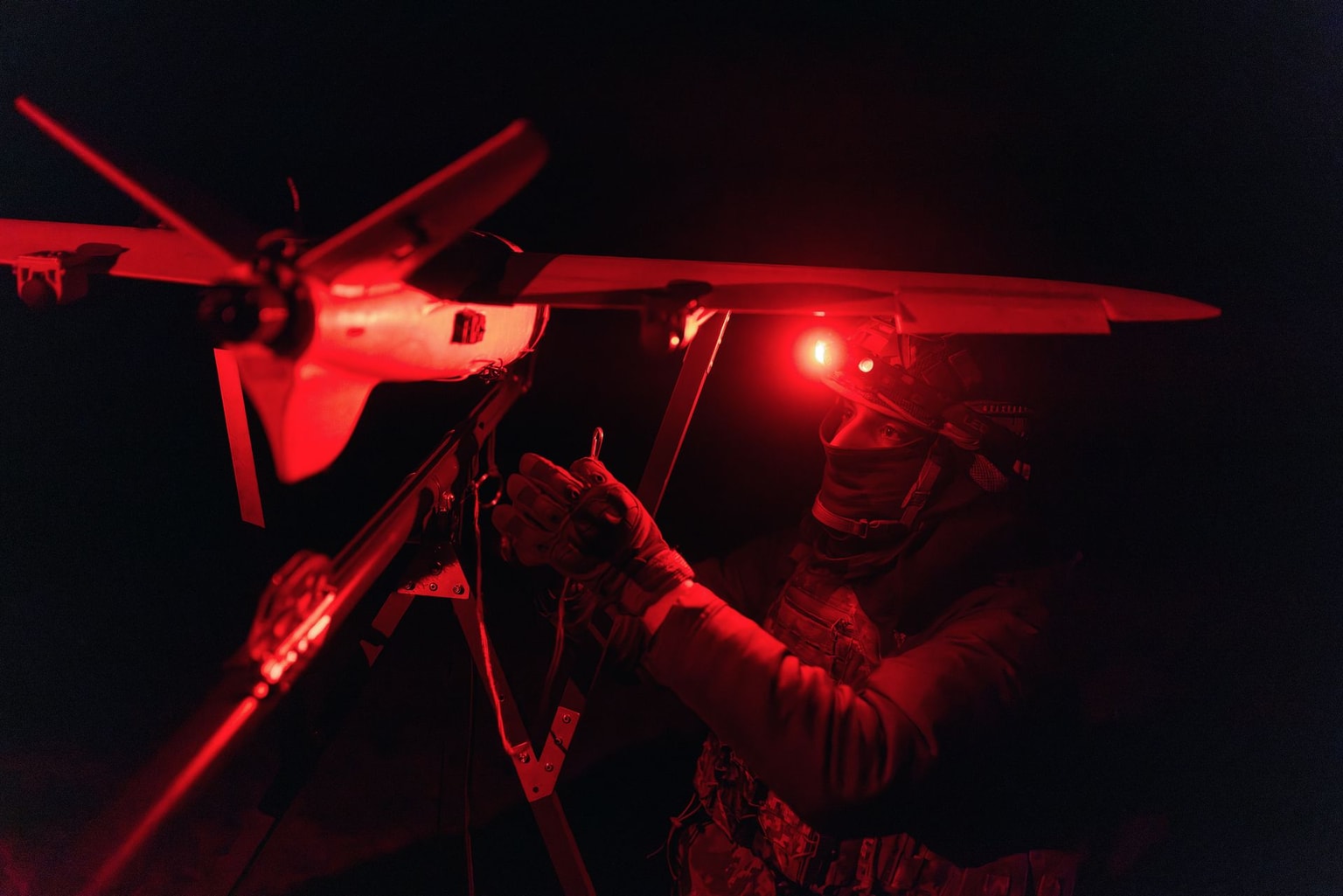
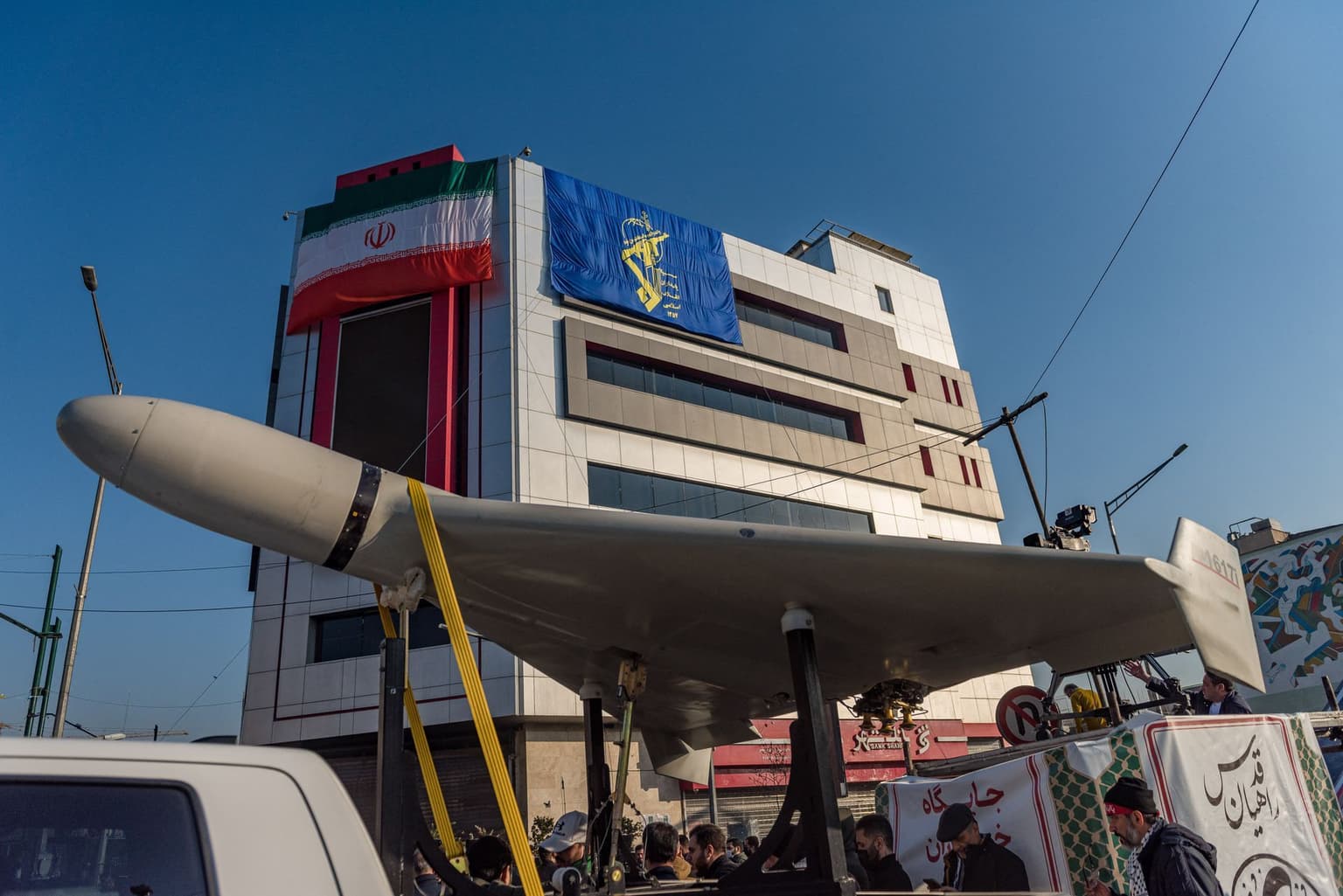
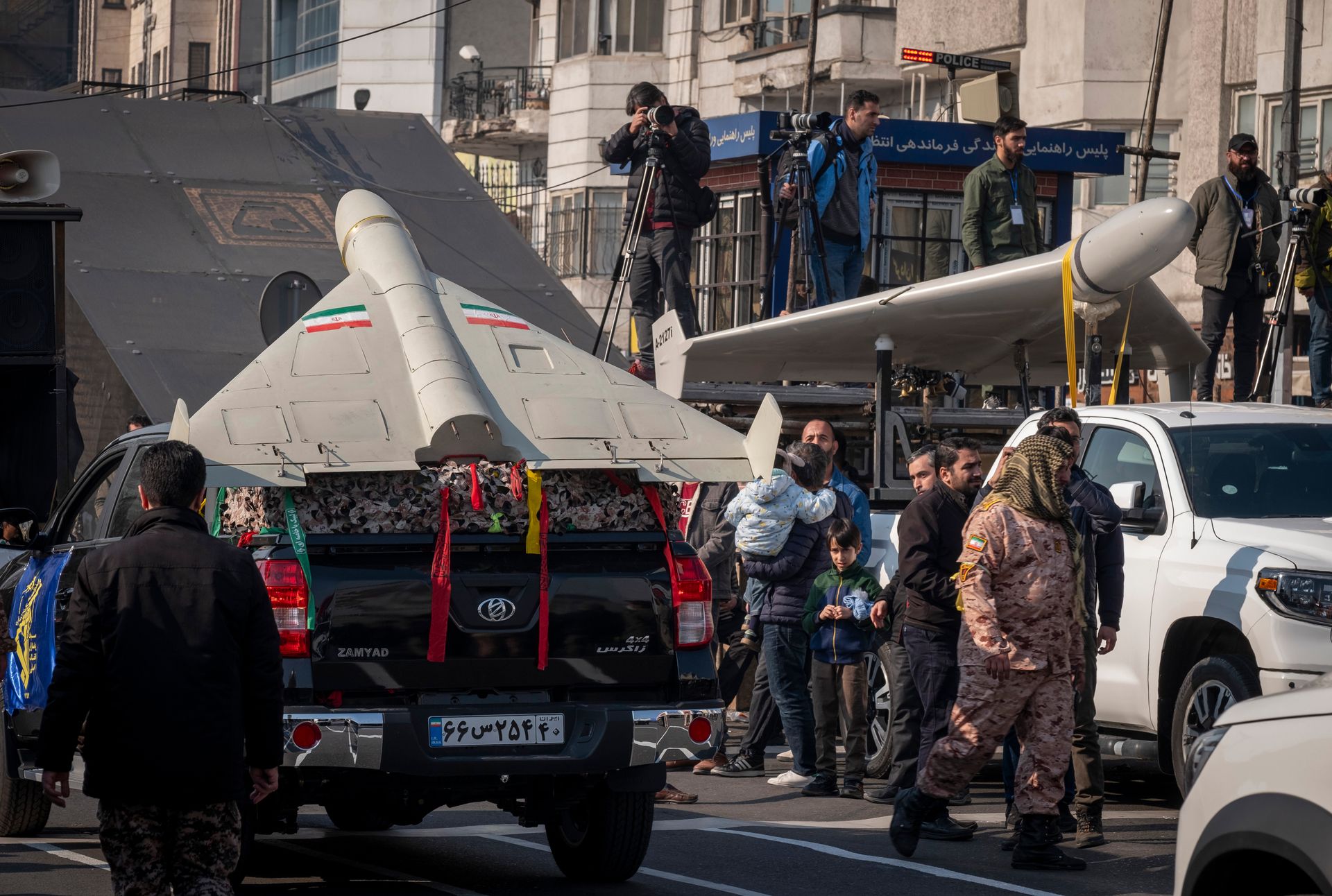
Iran’s recent air attacks across neighboring Gulf States amid the U.S. and Israel-led war against Tehran have kicked off a scramble for military equipment to combat ballistic missiles and Shahed attack drones.
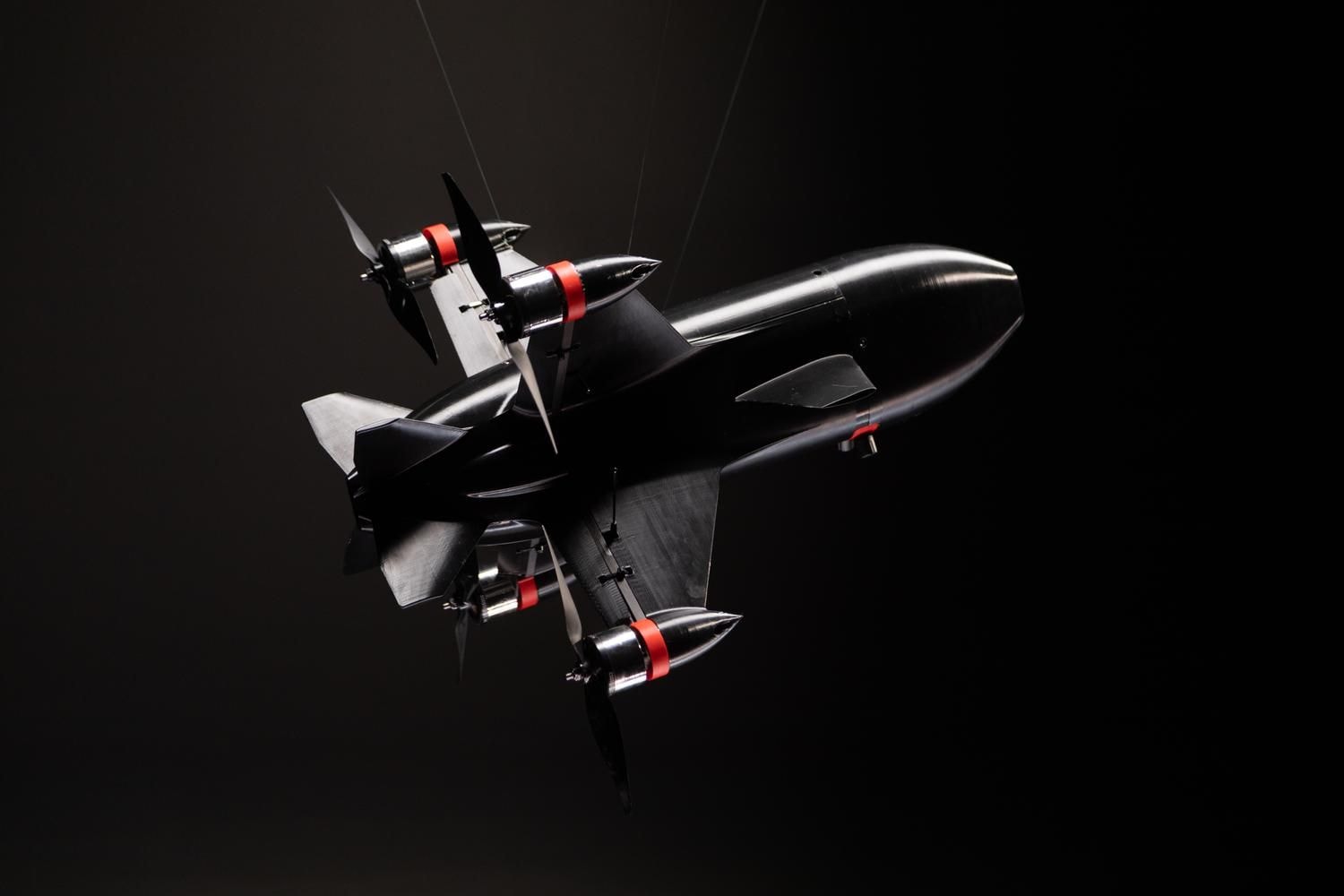
While cost-effective against expensive missiles, air defense interceptors like the U.S.-made Patriot cost millions of dollars — making them an unsustainable way to shoot down cheap drones built en masse for tens of thousands of dollars a piece.
Two sources within Ukraine's defense industry who asked to remain anonymous to discuss non-public negotiations told the Kyiv Independent that major contracts were up for discussion between the governments of Ukraine and Saudi Arabia.
One of the sources told the Kyiv Independent to expect a "huge deal" between Saudi Arabia and Ukraine as soon as March 11.
The other told the Kyiv Independent that a contract for Ukrainian-made air defense missiles had just been signed, with a Saudi arms maker acting as a local intermediary.
The Kyiv Independent contacted the Saudi Foreign Affairs Ministry and the Saudi Embassy in Kyiv, but did not receive a response by the time of publication.

Ukraine strikes missile control systems plant in Russia's Bryansk Oblast, Zelensky says
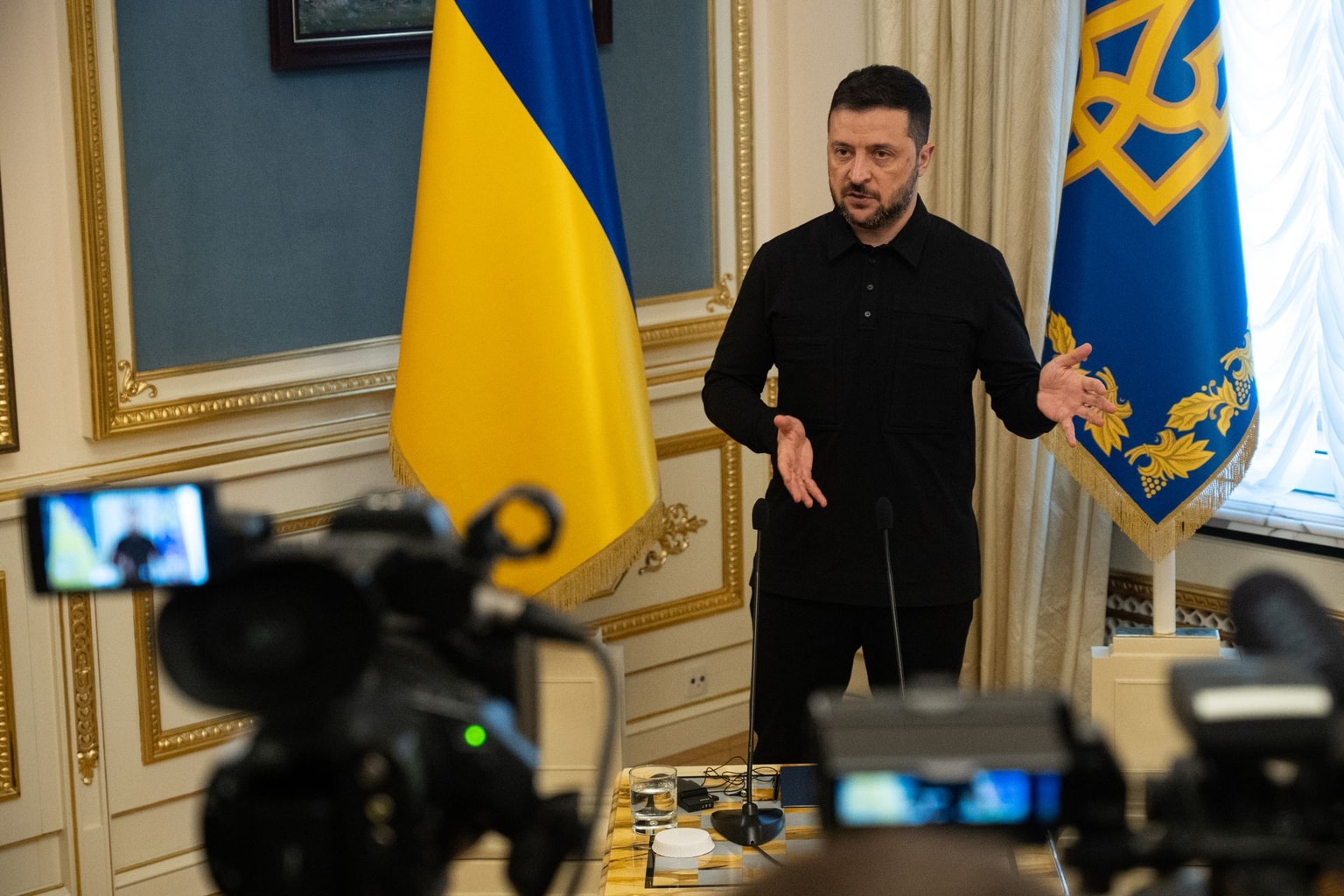
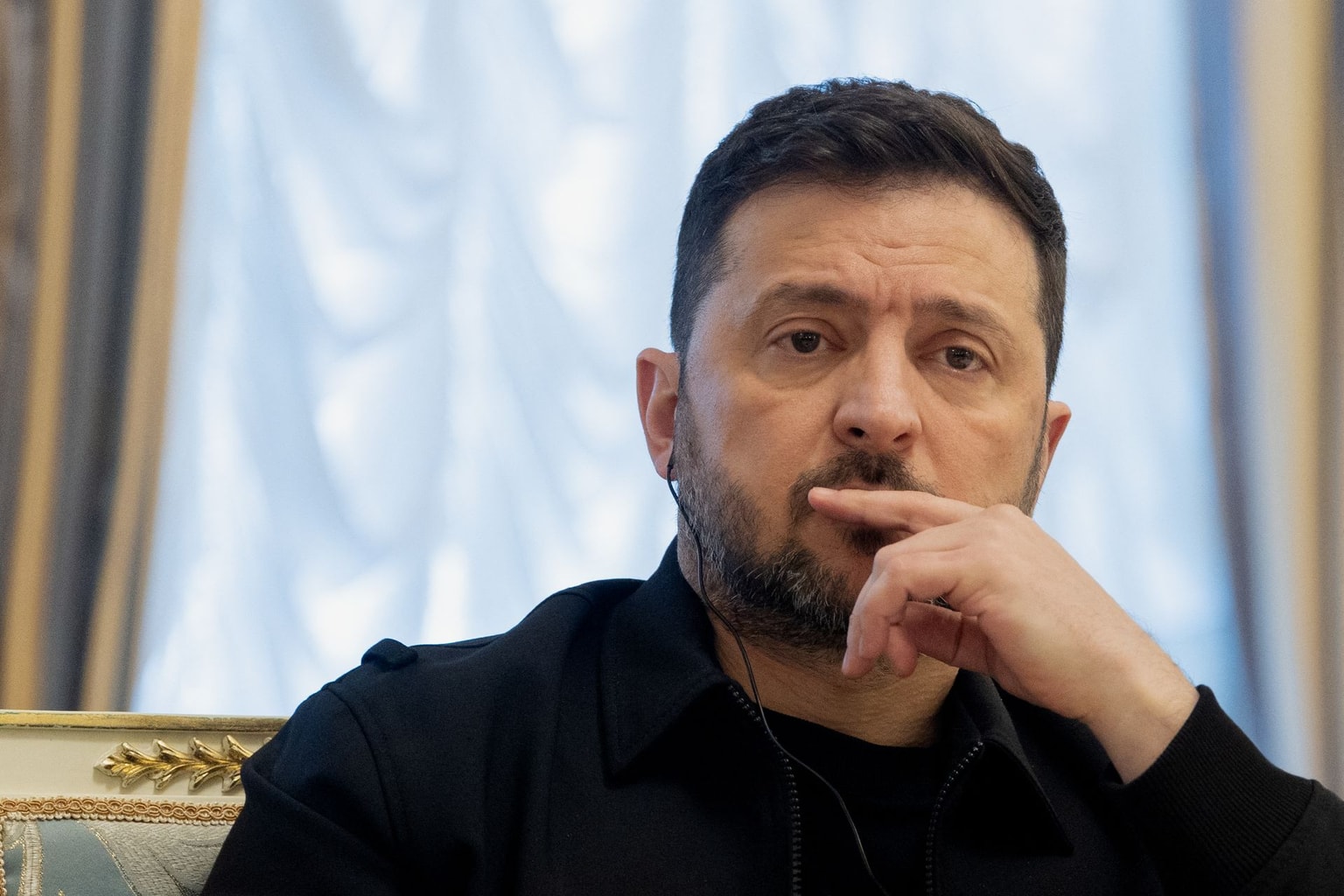
Ukrainian forces struck a plant in Russia's Bryansk region that manufactures control systems for Russian missiles, President Volodymyr Zelensky said during an online media briefing on March 10.
"An operation has just successfully taken — a plant in Bryansk was hit. This plant manufactures control systems for all types of missiles of the Russian Federation," Zelensky said, adding that Commander-in-Chief Oleksandr Syrskyi had informed him of the strike.
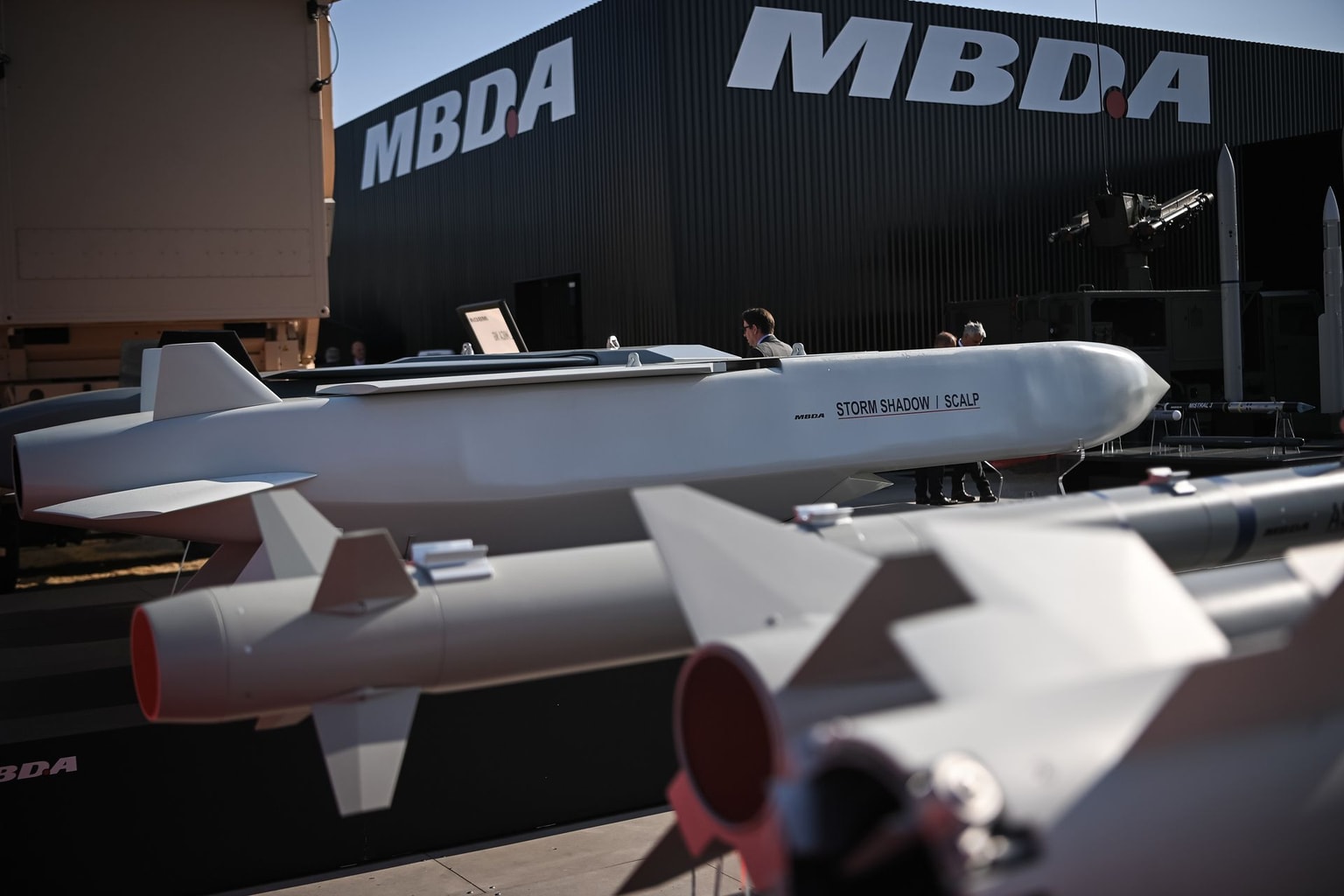
The strike targeted the Kremniy El plant, a major Russian microelectronics manufacturer located in Bryansk, using air-launched Storm Shadow missiles, Ukraine's General Staff said. Russian regional officials confirmed an attack on industrial infrastructure in the city and reported damage following explosions.
"The target was hit and significant damage to production facilities was recorded," the General Staff said in a Telegram post, noting that the extent of the damage was still being assessed.
Kremniy El is one of Russia's largest military microelectronics producers, manufacturing semiconductor components used in missile guidance and control systems. Its products are incorporated into a range of Russian weapons systems, including Pantsir air defense complexes and Iskander missile systems.
The facility has been targeted in previous attacks during the war, reflecting Ukraine's broader strategy of striking deep into Russia to disrupt the country's military-industrial supply chains.
Bryansk is located near the Ukrainian border but outside active front line combat areas. Strikes on such industrial sites are part of Kyiv's continued efforts to degrade Russia's missile production capacity as Moscow maintains regular missile and drone attacks on Ukrainian cities and infrastructure.
Ukraine retakes most Russian-held areas in Dnipropetrovsk Oblast after weeks of counterattacks
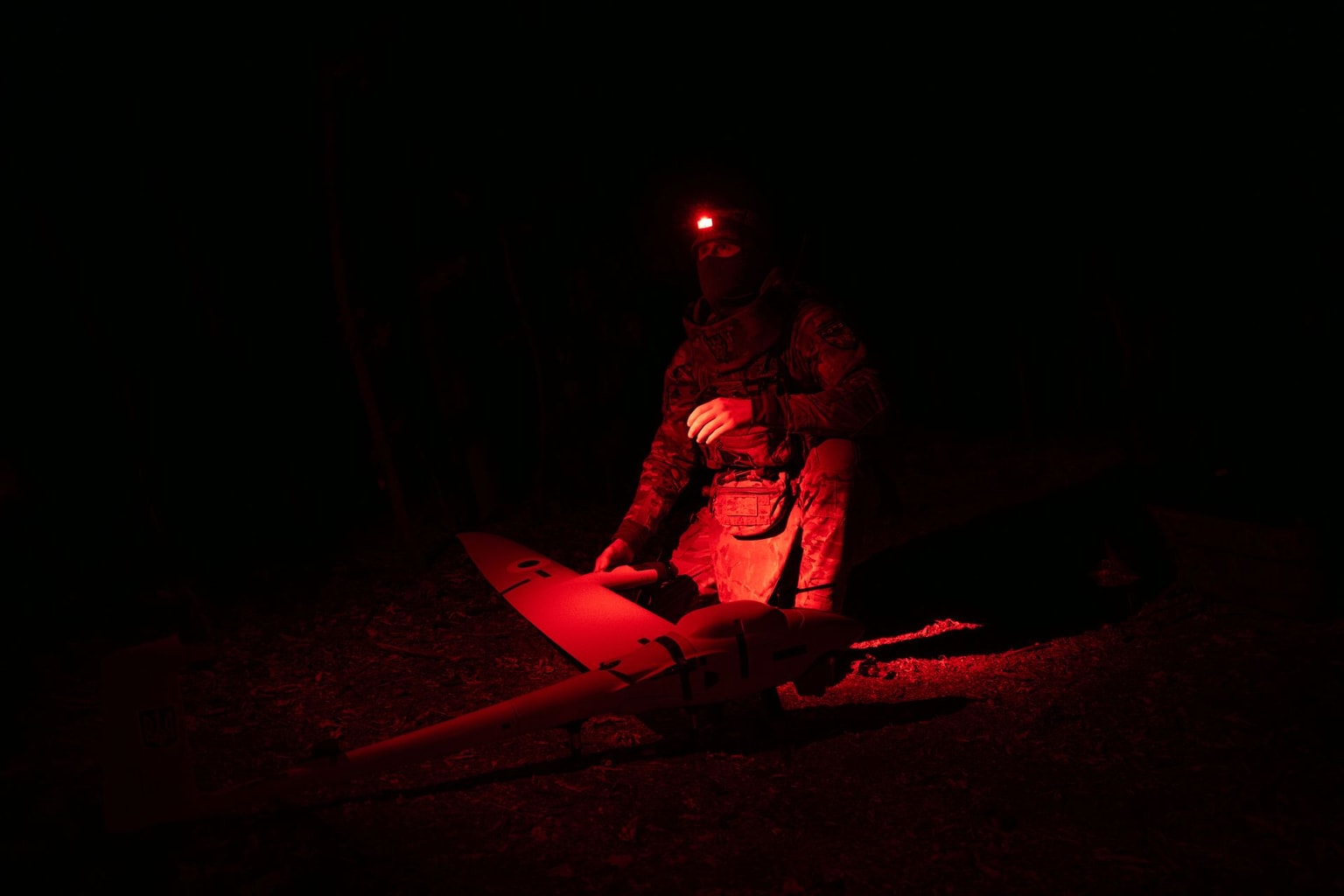
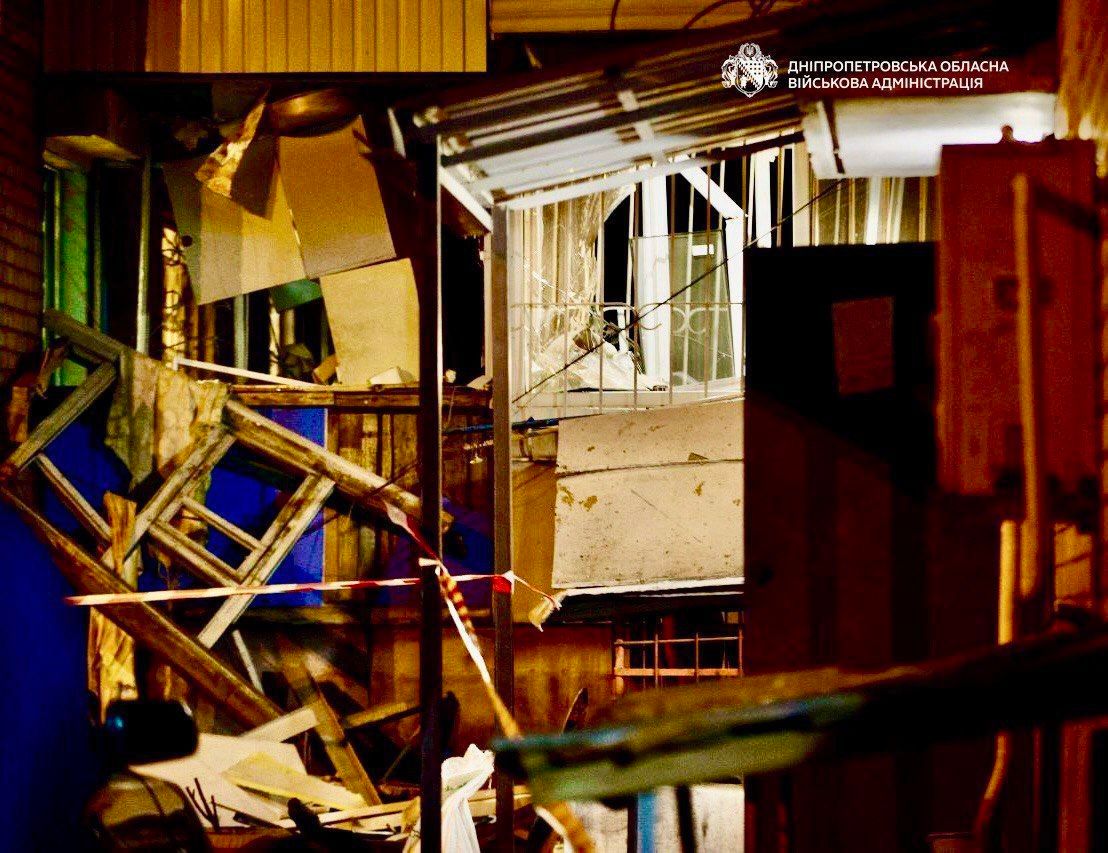
Ukrainian forces have pushed Russian troops out of most occupied areas in Dnipropetrovsk Oblast after several weeks of counterattacks along the section of the front where Dnipropetrovsk and Zaporizhzhia oblasts meet.
"Over the last few weeks, Ukraine has been counterattacking, especially in the Dnipropetrovsk region. Generally, it's clear that the initiative in this sector of the front has shifted to Ukraine," Emil Kastehelmi, a military analyst with the Finland-based Black Bird Group, told the Kyiv Independent.
Ukrainian troops have liberated more than 400 square kilometers (154 square miles) in the area during the operation, Major General Oleksandr Komarenko, head of the Main Operational Directorate of Ukraine's General Staff, said in a recent interview.
He added that fighting is ongoing in three settlements, while two others still need to be cleared.
The gains come amid a slowdown in Russian advances along much of the front line over winter, while Ukrainian forces have been on the offensive along the southern front line in Zaporizhzhia and Dnipropetrovsk oblasts.
In February, Ukraine liberated more territory than Russian troops captured during the same period, Ukraine’s Commander-in-Chief Oleksandr Syrskyi said earlier.
Ukraine to get 35 Patriot interceptors in coming weeks, German media reports
Ukraine is expected to receive 35 PAC-3 interceptor missiles for its Patriot air defense systems in the coming weeks, German outlet Der Spiegel reported.
The delivery comes as Ukraine faces a critical shortage of interceptor missiles amid continued Russian ballistic and cruise missile attacks. Patriot systems, particularly the U.S.-made PAC-3 interceptors, are essential for countering high-speed ballistic missiles.
According to Der Spiegel, German Defense Minister Boris Pistorius secured an agreement with European partners to transfer 30 PAC-3 missiles to Ukraine. Ahead of the Munich Security Conference, Pistorius proposed that Germany would contribute five PAC-3 missiles from its own stockpiles if other countries provided an additional 30.
Several countries, including the Netherlands, pledged to seek additional interceptors. With Germany's contribution, Ukraine is expected to receive around 35 missiles in total.
Germany's Defense Ministry confirmed that preparations for the delivery are underway, but did not specify the exact number of PAC-3 interceptors in the shipment.
Der Spiegel noted that Ukraine requires an average of 60 Patriot interceptor missiles per month.
The planned shipment comes amid growing global demand for Patriot interceptors. President Volodymyr Zelensky said earlier that more than 800 Patriot missiles were used in the Middle East over three days during recent hostilities – more than Ukraine has used since the start of Russia's full-scale invasion in 2022, the Kyiv Independent previously reported.
Berlin also said it will continue supplying Ukraine with additional air defense systems and components, including MANPADS, AIM-9 air-to-air missiles, guided missiles for IRIS-T systems, and parts for maintaining Patriot and IRIS-T systems, as well as funding for Ukrainian-developed air defense capabilities.
Note from the author:
Ukraine War Latest is put together by the Kyiv Independent news desk team, who keep you informed 24 hours a day, seven days a week. If you value our work and want to ensure we have the resources to continue, join the Kyiv Independent community.