Europe, NATO should prepare for Russian strikes on power grid, Ukraine energy CEO warns
 on Google
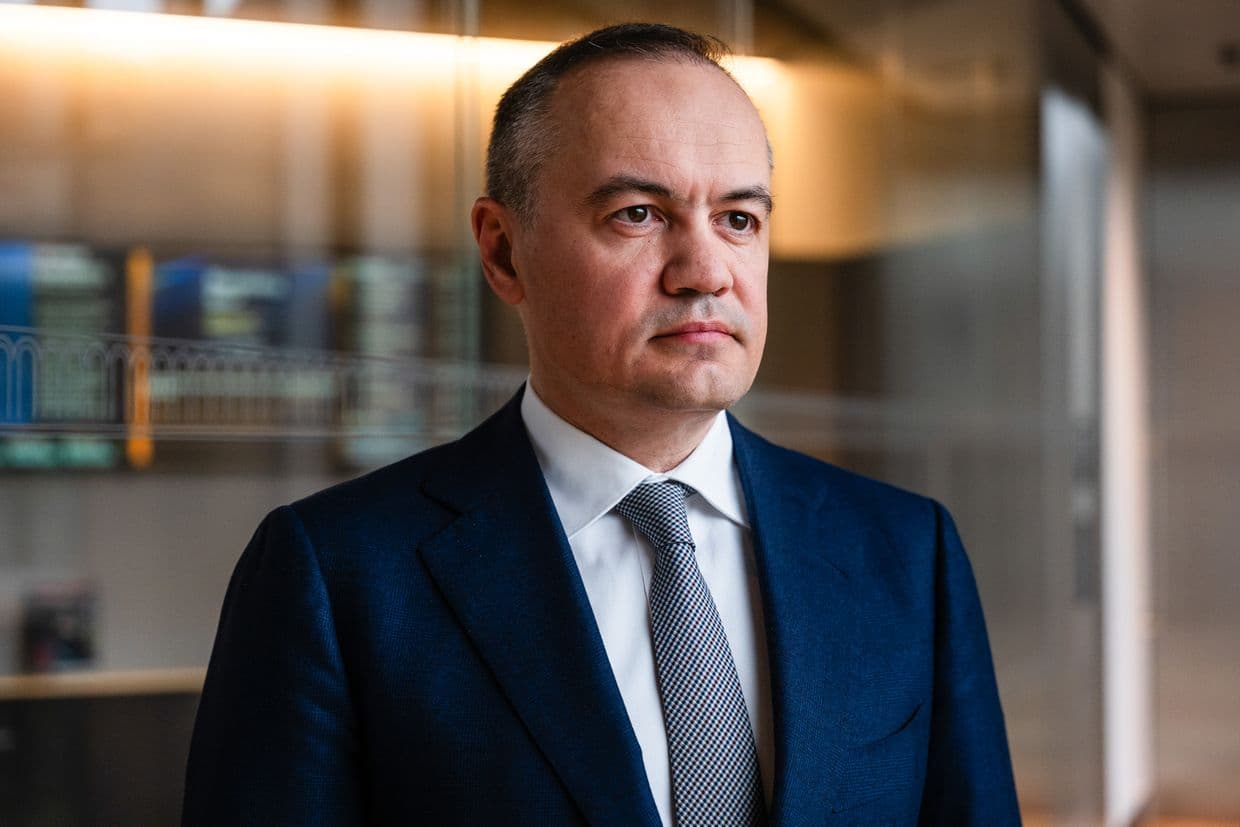
Europe and NATO should seriously prepare for Russian attacks on energy infrastructure in the event of a war with Russia, and look to Ukraine for help, the CEO of Ukraine’s largest private energy firm warned attendees at the International Energy Week Conference in London on Feb. 10.
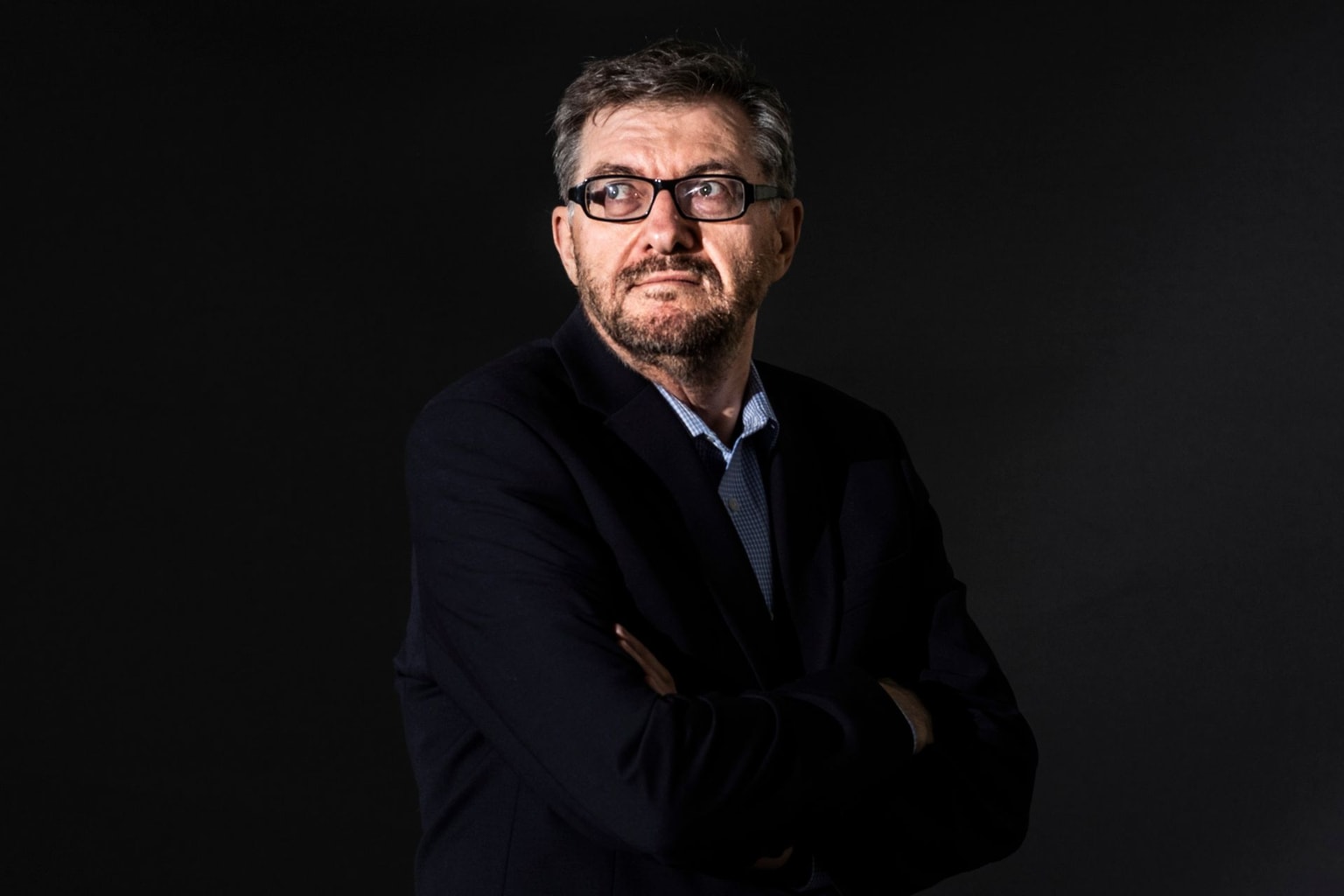
"Learn from us and don't underestimate the threat coming from Russia," Maksym Timchenko, the head of DTEK, said.
"It’s time for governments and energy companies to take it seriously," he added.
Russia’s relentless attacks on power plants and substations have drowned Ukraine in darkness, causing a humanitarian crisis as citizens struggle with cuts to heating, electricity, and water during the country’s coldest winter in over a decade.
DTEK, owned by Ukraine's richest man Rinat Akhmetov, operates power plants, grids, and gas facilities across Ukraine. The firm is working around the clock to repair and operate under fire. Since the start of Russia's full-scale invasion, all of its plants have been hit up to six times each.
The company’s experience can help others prepare for threats and potential challenges, Timchenko said. For now, DTEK is communicating with foreign energy players, but there isn’t yet a flood of requests on how to deal with potential attacks, he added.
"It should be part of the NATO conversation on how to defend critical infrastructure based on the Ukrainian experience," he told the Kyiv Independent on the sidelines of the conference.
Timchenko envisions a blueprint that can then be shared with partners. For example, identifying the most effective air defense systems, the most vulnerable parts of a power plant, prime targets like transformers, and which equipment stocks run out quickest.
The energy chief spoke at the three-day conference in London on his way to the Munich Security Conference, where he will join discussions on the lessons that European companies can learn from Ukraine on strengthening energy security.
Some European countries have already started to take the risks Moscow poses seriously. Last year, around 100 drones were spotted near critical infrastructure in Europe, prompting some nations to prepare their facilities against potential Russian strikes.
Lithuanians are leading the charge, investing 140 million euros into anti-drone fortifications, primarily around substations, to be completed by 2029. Vilnius, alongside Berlin and Warsaw, has already received advice and training from Ukraine’s state-grid operator, Ukrenergo, on how to operate energy sites during war.
Some countries are remaining tight-lipped about how prepared they are. The U.K's National Energy System Operator declined to comment when asked what preparations London has taken to defend against Russian attacks, saying it was a national security matter.
"The U.K.’s grid is among the most resilient in the world," CEO Fintan Slye told the Kyiv Independent on the conference's sidelines.