Trump sees 'very good' chance for Ukraine ceasefire as US proposes major concessions
 on Google

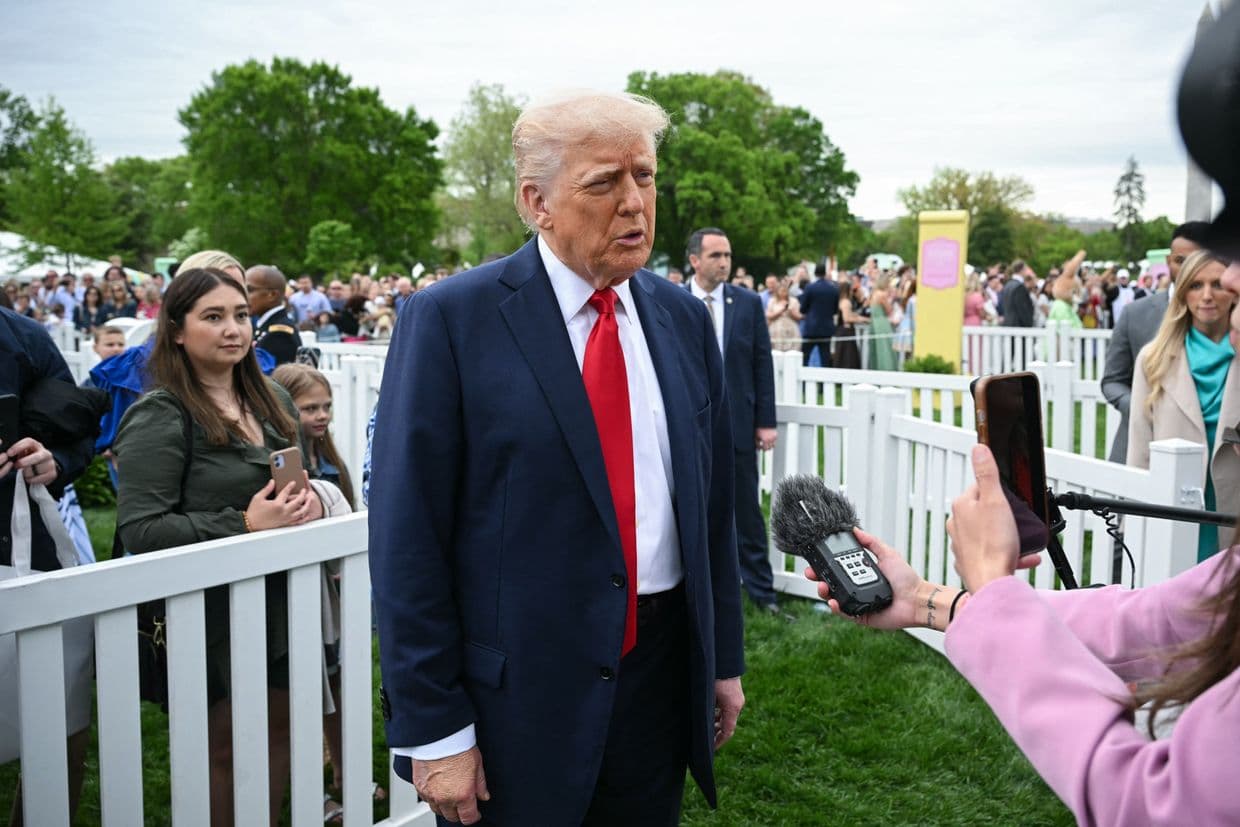
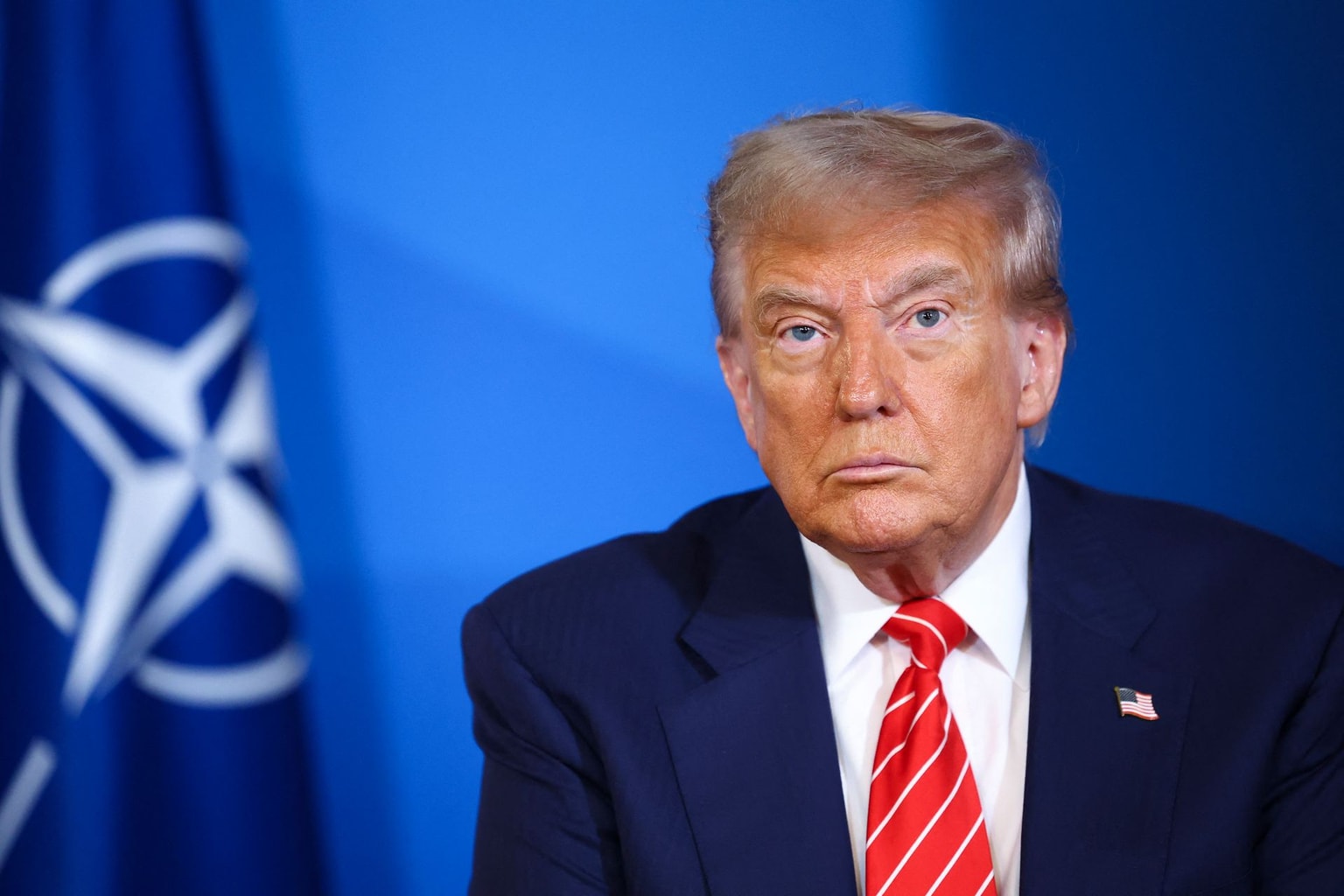
U.S. President Donald Trump said there is a "very good" chance of a ceasefire between Ukraine and Russia, he told reporters during an Easter event at the White House on April 21.
"I will be giving you full details over the next three days, but we had very good meetings on Ukraine, Russia," the U.S. president said. "There is a very good chance (to reach a ceasefire)."
The comments follow a report by the Wall Street Journal on April 20 that outlined a U.S. proposal for ending Russia's full-scale war against Ukraine.
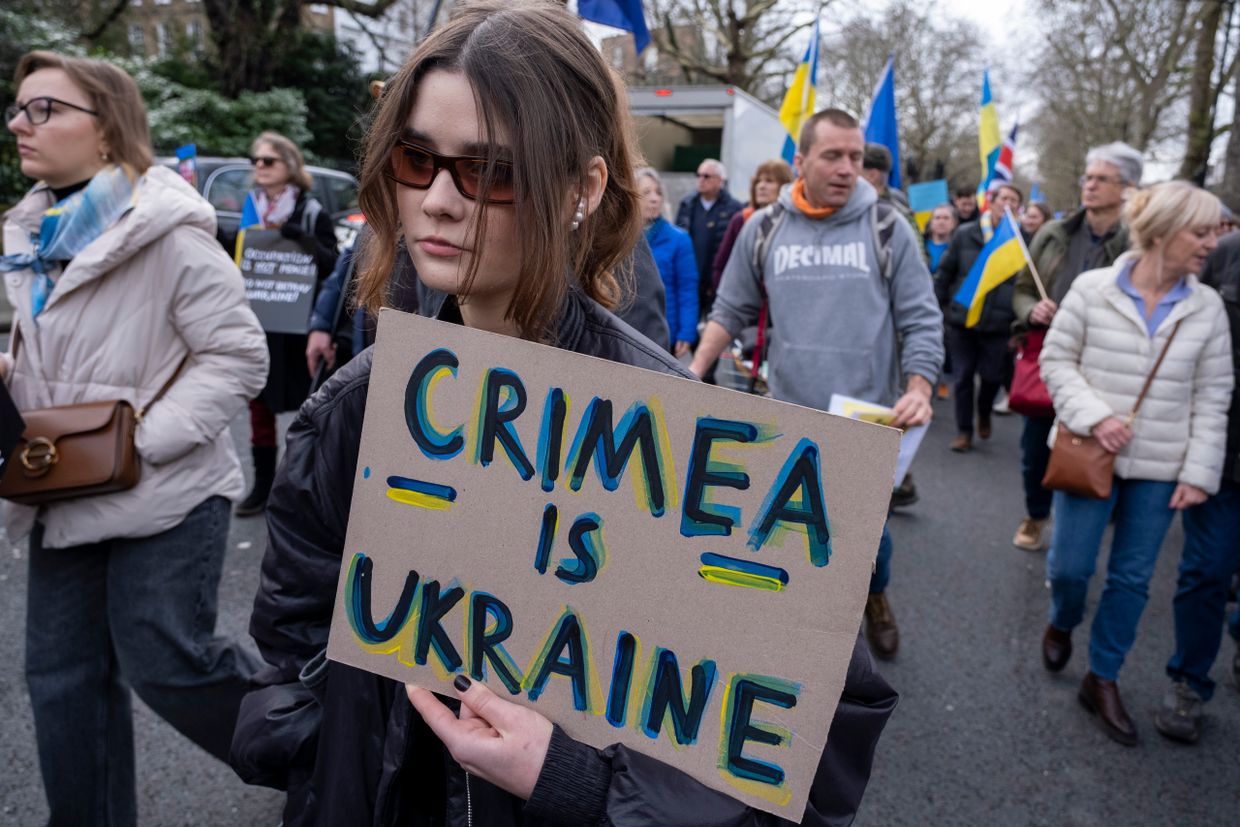
According to a document obtained by the outlet, the proposal includes recognition of Russia's 2014 annexation of Crimea and a guarantee that Ukraine would not join NATO — two key Kremlin demands.
The proposals, outlined by senior Trump administration officials in a confidential meeting with Ukrainian and European counterparts in Paris on April 17, were confirmed by Western officials to the publication.
Ukraine's feedback is expected at a follow-up meeting in London later this week. If there is alignment between Kyiv, Washington, and European allies, the proposals could be formally introduced to Moscow.
U.S. Special Envoy to Ukraine Keith Kellogg told Fox News on April 20 that "NATO isn't on the table," further confirming that Washington is considering excluding Ukraine's potential accession as part of the peace deal.
Kyiv has consistently said it would not recognize Russia's occupation of any Ukrainian territory, including Crimea.
The U.S. proposal would mark a dramatic shift from a decade of bipartisan policy in Washington and contradict international law, which considers the 2014 annexation illegal.
Trump has repeatedly urged both sides to reach a deal, warning that he may pull U.S. support from the peace process if negotiations stall.
"Hopefully Russia and Ukraine will make a deal this week," he posted on Truth Social. "Both will then start to do big business with the United States of America, which is thriving, and make a fortune."
Despite Trump's push for a ceasefire, Moscow rejected a U.S. proposal for a 30-day truce and continues its offensive. On April 19, Russian President Vladimir Putin declared a one-day Easter ceasefire, which President Volodymyr Zelensky said was violated roughly 3,000 times.
Putin has not extended the truce, Kremlin spokesperson Dmitry Peskov said on April 20.
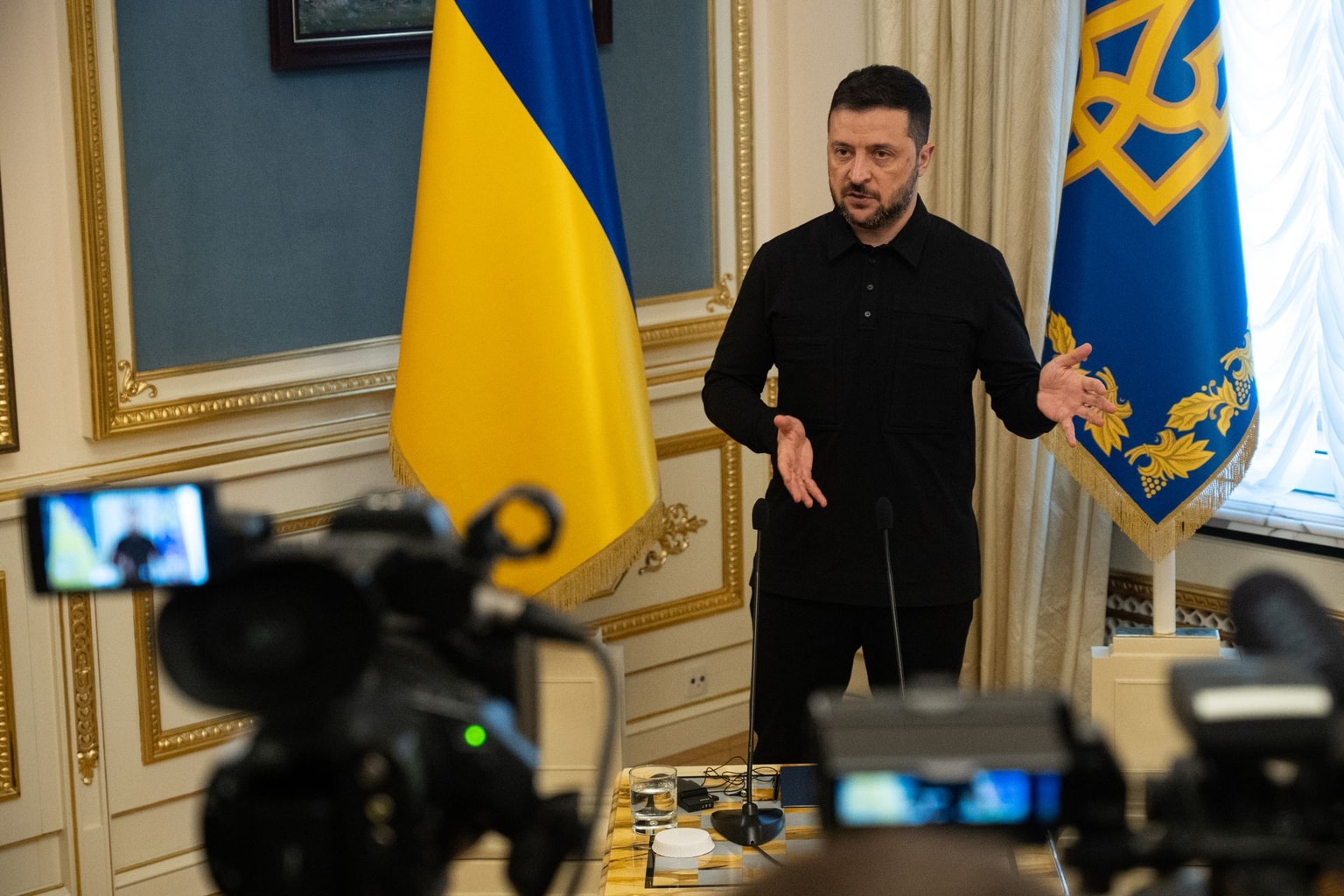
Zelensky has proposed a 30-day ceasefire focused on halting long-range drone and missile strikes against civilian infrastructure. Putin said the Kremlin needs to "look into" the proposal.