Russian shadow fleet ship that sank in 2024 carried nuclear reactor components to North Korea, may have been torpedoed, La Verdad reports
 on Google

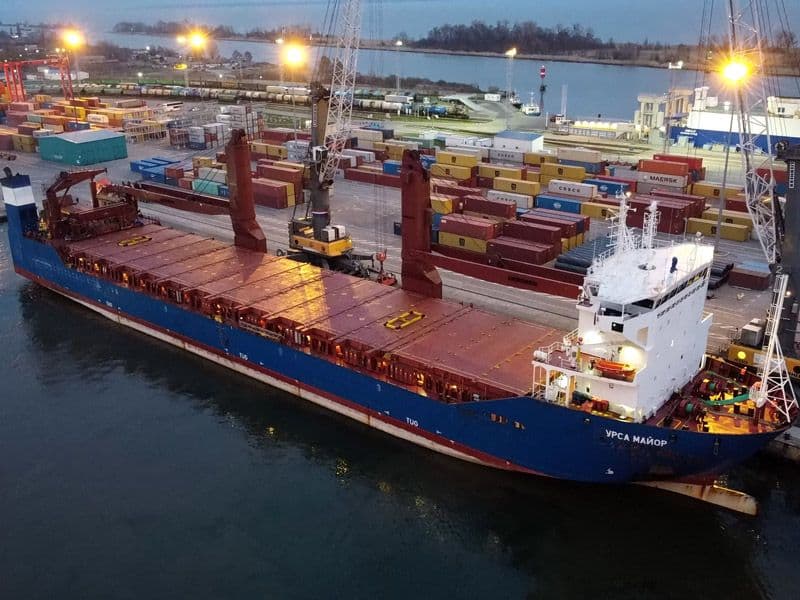
A Russian cargo ship that sank off the coast of Spain in December 2024 was allegedly carrying undeclared components for two nuclear reactors bound for North Korea and may have been disabled by damage consistent with a torpedo strike, La Verdad reported, citing what it described as a Spanish investigation.
La Verdad, a regional newspaper based in Murcia in southeastern Spain, said its account was based on what it described as an “official version” known to the outlet from a Spanish investigation. The paper did not publish the underlying documents in its report, and it did not clearly identify which Spanish authority led the investigation.
Spain’s Civil Guard Maritime Service confirmed to the Kyiv Independent that local authorities had completed the investigation and turned the findings over to Russian authorities. The agency declined to provide additional details.
The vessel, the Ursa Major, sank on Dec. 23, 2024, about 60 nautical miles from Cartagena, in waters between Spain and Algeria.
According to La Verdad, Spanish maritime controllers first contacted the ship by radio after detecting erratic movement and were told, “Nothing, everything is fine.”
The paper said authorities later escalated the response after a mayday call, dispatching rescue assets and taking 14 crew members off the listing vessel, while two others were reported missing. Spanish officials then questioned the ship’s captain, Igor Vladimirovich Anisimov, about the cargo and what caused the damage, according to La Verdad.
La Verdad reported that the captain told Spanish officials the ship carried empty containers and heavy equipment, and that he described explosions on board. The paper said the captain later provided a written statement describing "three explosions" and a hole in the hull with edges pushed inward, which would suggest penetration from outside to inside.
Russia later sought to take charge of the response and any inquiry, La Verdad wrote, saying Moscow invoked the U.N. Convention on the Law of the Sea and objected to what it described as a Spanish "inspection" of the vessel.
The outlet said a Russian military ship, the Ivan Gren, contacted Spanish authorities and demanded Spanish rescue vessels withdraw from the area. It also said the Russian ship fired flares as the Ursa Major’s lights went out shortly before it sank, describing the flares as an attempt to interfere with satellite monitoring.
Nuclear reactor components
The report’s central allegation that the ship was transporting reactor-related cargo rests on La Verdad’s description of findings by Spanish investigators.
La Verdad said authorities discovered two undeclared containers estimated at 65 tons each and concluded the cargo was linked to two VM-4SG nuclear reactors, including reactor covers and other components it said were visible in aerial imagery. La Verdad reported that Spanish authorities were not certain whether nuclear fuel was aboard, and that "official documents" cited by the paper assumed it was not.
Spanish authorities concluded the cargo was bound for Rason, a port city in North Korea, according to La Verdad. The paper presented this as the investigative assessment and offered logistical reasoning, including rail access and port handling constraints, but it did not include direct quotations from any official Spanish documents related to the investigation.
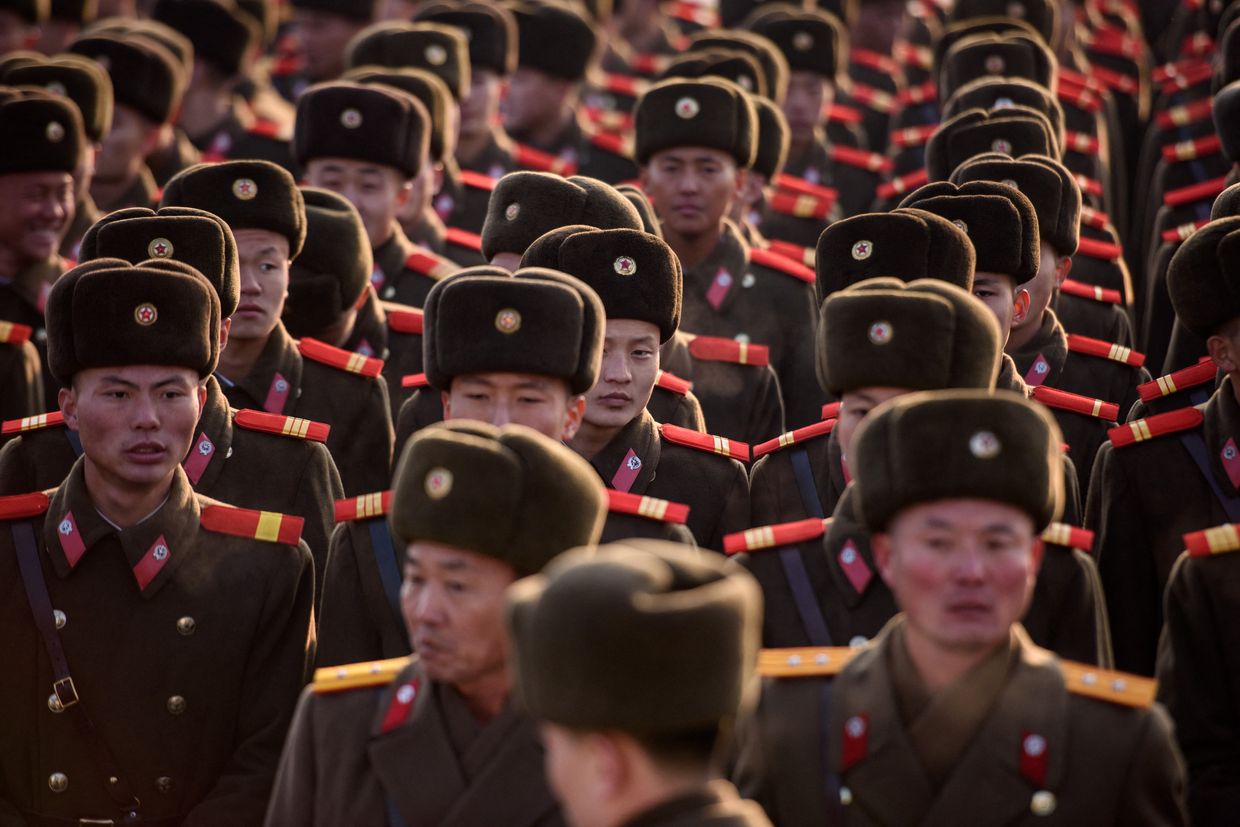
North Korea has deepened ties with Moscow since Russia launched its full-scale invasion of Ukraine, including signing a Comprehensive Strategic Partnership Agreement in June 2024 and later deploying troops to Russia, with estimates of the deployment ranging from roughly 11,000 to 12,000 to higher figures cited by Ukrainian officials.
Torpedo theory
On the question of how the ship was disabled, La Verdad reported that a Spanish document it identified as "informe general 8059/24-Escora," dated Dec. 26, 2024, noted the dimensions of the hull breach described by the captain. La Verdad said the damage was inconsistent with a conventional torpedo and instead pointed to supercavitating torpedo, a high-speed weapon type that, in the paper’s account, could penetrate without a large onboard detonation.
La Verdad also cited Spain’s National Geographic Institute, reporting that seismographs detected signals at the time the ship sank that the paper said were consistent with blasts in the range of roughly 20 to 50 kilograms of TNT. The paper did not include the raw seismograph data or an independent expert assessment of alternative explanations.
Russian authorities described the incident as terrorism and said the ship sank after explosions in the engine room, according to La Verdad. The Kyiv Independent could not independently verify La Verdad’s claims about the cargo, destination, or cause of the sinking.
By the time the ship went down, the scene had shifted from a routine rescue into a scramble over who would control what happened next, La Verdad wrote.
The paper quoted Óscar Villar, the Cartagena maritime captain who coordinated Spain’s response, as saying, "El buque ya estaba hundido, pero no acabó la pesadilla" (The ship was already sunk, but the nightmare was not over), as questions lingered over what, if anything, could still be learned from the wreck resting on the seafloor.