News from occupied Ukraine: Azov Corps drones strike Russian logistics near Mariupol, while diesel shortage reported
 on Google


This weekly update from the Kyiv Independent aims to shed light on the situation facing Ukrainians living under Russian occupation and the ever-tightening control of information imposed by the Kremlin.
Key news as of May 25:
- Azov Corps drones strike Russian logistics near Mariupol, while diesel shortage reported
- Ukraine denies Russian claim that drone strike killed civilians in occupied Luhansk Oblast
- Ukraine, Russia agree on 'technical terms' for evacuation of 6,000 civilians from occupied part of Kherson Oblast, Ombudsman says
- 82 years after Soviet deportation, Crimean Tatars living under Russia's 'constant terror'
- Kyiv brings back 8 children from Russian-occupied territories
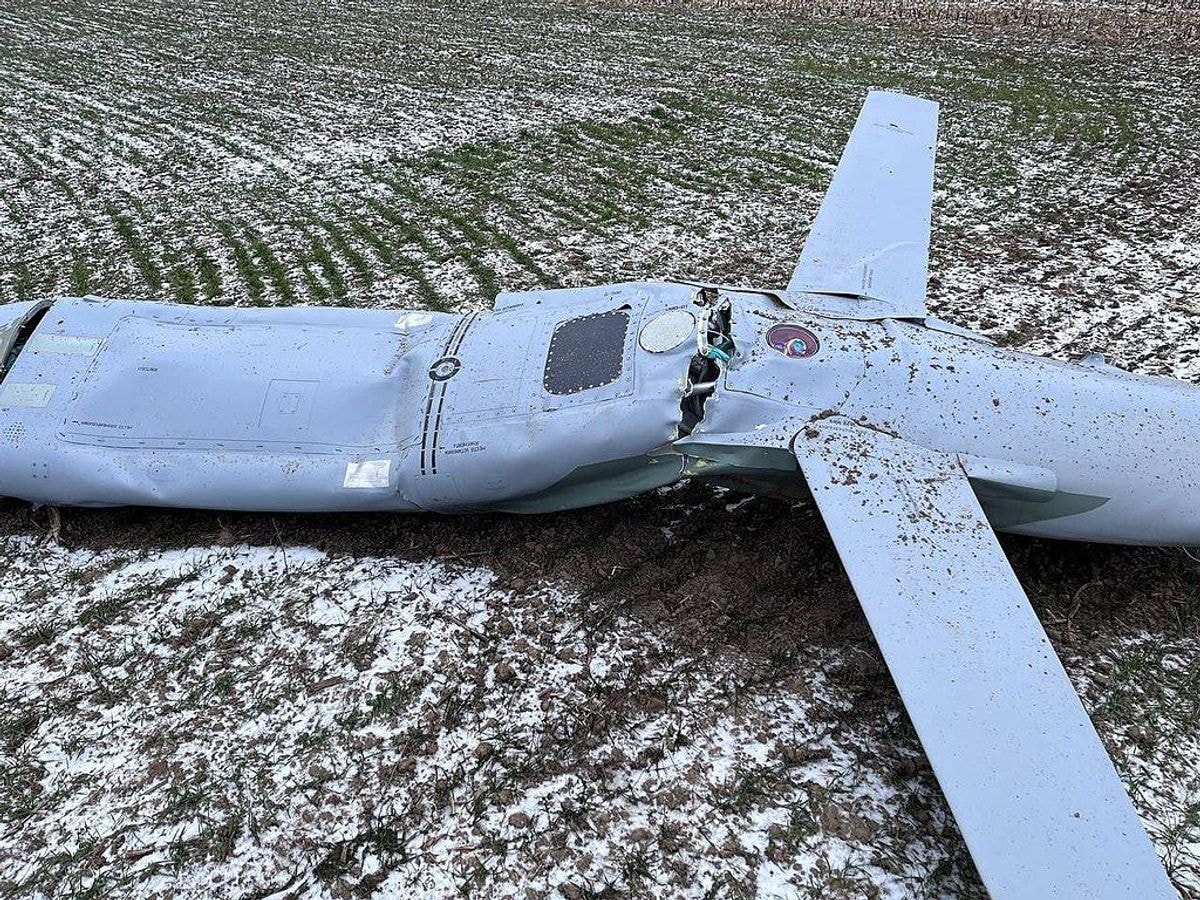
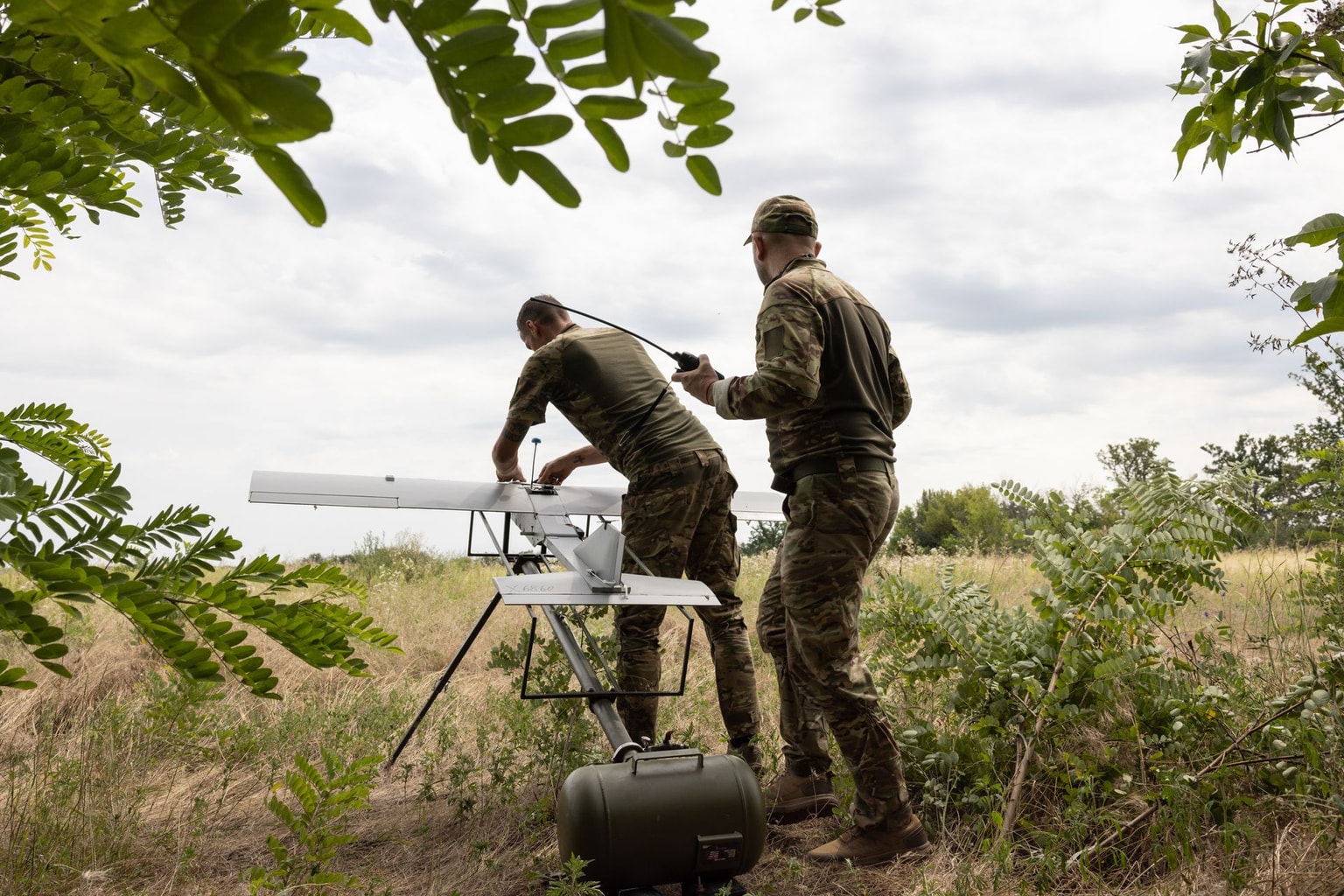
The National Guard's 1st Azov Corps has struck targets near Russian-occupied Mariupol and the Russian border, releasing video footage on May 25.
"Ukrainian territory must be free of Russian troops. The most reliable way to achieve this is to move the sanitary zone for enemy logistics closer to Russia itself and the occupied Crimea," the statement read.
In a video released by Azov, the Mariupol-Taganrog and Mariupol-Volnovakha highways are shown.
Mariupol, in Donetsk Oblast, has been under Russian occupation since May 21, 2022, when Ukrainian forces withdrew from the Azovstal Steel Plant.
Among those defending the city were fighters from the Azov Battalion, who later surrendered to Russian forces, with some still remaining in captivity.
Petro Andriushchenko, former Mariupol mayoral advisor and head of the Center for the Study of Occupation, reported a diesel shortage amid the constant attacks.
Ukraine has ramped up its long-range strikes on Russian military facilities and infrastructure supporting the Russian army in recent weeks, both in occupied territories and inside Russia.
Ukraine, Russia agree on 'technical' terms for evacuation of 6,000 civilians from occupied part of Kherson Oblast, Ombudsman says
Ukraine and Russia have agreed on the "technical" terms for the evacuation of around 6,000 civilians from the Russian-occupied town of Oleshky and the surrounding front-line areas, Ukraine's Human Rights Ombudsman Dmytro Lubinets said on May 25, as reported by Ukrainian media Ukrinform.
Speaking at a press conference in Kyiv, Lubinets said Ukrainian and Russian representatives held negotiations on May 15 regarding the evacuation from Oleshky and other nearby settlements.
"Technically, we have discussed all issues," Lubinets said. "We are now waiting for a date from the Russian side when the ceasefire process will begin, and the physical evacuation can start."
According to Lubinets, the evacuation aims to relocate civilians to territory under Ukrainian control, and one option is being discussed.
Based on conversations with Oleshky residents, local authorities in exile, and evacuation volunteers, the Kyiv Independent reported on the situation in Oleshky on April 15.
A local resident who fled described shortages of food, clean water, medicine, and limited evacuation access as Russian troops reportedly mined the road leading to Oleshky, amid near-daily strikes and absent humanitarian assistance.
Oleshky, located on the eastern bank of the Dnipro River in occupied parts of Kherson Oblast, has remained close to the front line since Ukrainian forces liberated the city of Kherson in November 2022.
The area suffered devastating flooding following the destruction of the Kakhovka Dam in June 2023, which Ukrainian officials and international observers said severely worsened already dire humanitarian conditions in Russian-occupied settlements along the riverbank.
Ukraine denies Russian claim that drone strike killed civilians in occupied Luhansk Oblast
Ukraine's General Staff on May 22 rejected Russian claims that an overnight Ukrainian drone strike killed six people and injured dozens of children in occupied Luhansk Oblast, saying it had struck Russian military targets in the area.
Russian President Vladimir Putin condemned the alleged strike, while Moscow said it had called for an emergency meeting at the United Nations Security Council.
The Ukrainian General Staff called the Russian claim "misleading information," stressing that it strictly adheres to international humanitarian law and strikes military infrastructure and facilities used for military purposes.
Ukrainian drones attacked a dormitory and a neighboring building of the Luhansk Pedagogical University's college in Starobilsk, an hour and a half drive north of Luhansk, Russia's Human Rights Commissioner Yana Lantratova claimed earlier on May 22. She claimed that 35 children were injured in the strike.
Ukraine's General Staff said that overnight on May 22, "a number" of Russian targets were struck, including an oil refinery, ammunition depots, air defense systems, and command posts, as well as one of the headquarters of Moscow's elite drone unit known as the Rubikon Center for Unmanned Technologies in the Starobilsk area.
Kyiv brings back 8 children from Russian-occupied territories
Ukraine has brought back eight children and teenagers from Russian-occupied territories to areas under its control over the past week, Save Ukraine, a Ukrainian humanitarian NGO, said on May 22.
"Each of them has endured pressure, threats, fear, and attempts at 're-education,' but today all of that is finally behind them," a statement on social media read.
Among those rescued is Alina, 17, who was bullied at her Russian school in the occupied territories because she is Ukrainian. Students were forced to listen to the Russian national anthem every morning and raise donations for the Russian military, while teachers gave lower grades to those who refused, Save Ukraine said
The children were brought back with the help of partners under the Ukrainian President's initiative, Bring Kids Back UA.
According to Ukraine's national "Children of War" database, at least 20,000 Ukrainian children have been abducted from Russian-occupied territories and taken to Russia or Russian-controlled areas since February 2022.
Some 1.6 million remain under Russian occupation, according to Bring Kids Back UA.
Ukrainian officials estimate the real figure of abducted children could be far higher. Ombudsman Dmytro Lubinets puts the number at up to 150,000, while Presidential Commissioner for Children's Rights Daria Herasymchuk has given a range of 200,000-300,000.
In 2023, the International Criminal Court issued arrest warrants for Russian President Vladimir Putin and Russia's Commissioner for Children's Rights Maria Lvova-Belova for their role in state-sanctioned child abductions.
82 years after Soviet deportation, Crimean Tatars living under Russia's 'constant terror'
For Lia Gazi, a 24-year-old Crimean Tatar activist in exile, the second half of May each year signifies both personal and collective tragedy — the forced deportation and genocide of the Crimean Tatar people.
Over the course of two days in 1944, from May 18 to May 20, the Soviet secret police forcibly deported over 190,000 indigenous Crimean Tatars across thousands of kilometers from Crimea to Central Asia. Members of Gazi's family were among the victims.
"Strangers still live in our homes today, and the scariest thing is that the impunity surrounding these crimes allows them to happen again and again," Gazi told the Kyiv Independent.
The deportation of Crimean Tatars was carried out under direct orders from Soviet dictator Joseph Stalin, who labeled the entire Crimean Tatar population as traitors following the peninsula's liberation from Nazi occupation. An estimated 8,000 Crimean Tatars died in the process.
Decades have passed since Gazi's ancestors were deported, and now history appears to be repeating itself: In Crimea, occupied since 2014, and other occupied territories, Crimean Tatars now face political repression and persecution, as well as erasure of their identity and history.
Ukraine's Foreign Ministry said that, as of March 16, Russia was holding nearly 300 people from Crimea captive on politically motivated, trumped-up charges, including 159 Crimean Tatars.
Read the full story.