Russian luxury market thrives despite sanctions through shadow networks, FT reports
 on Google

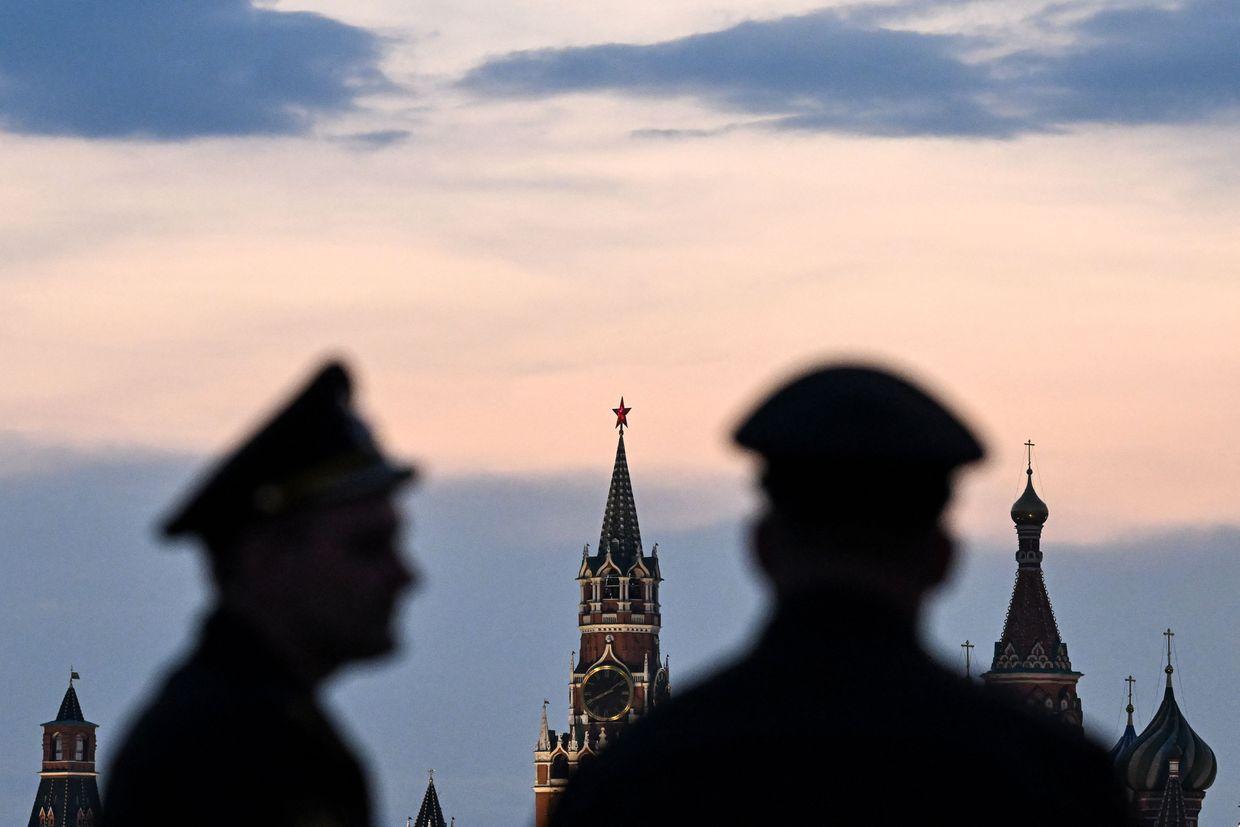
Russian shoppers continue to access luxury Western brands despite sanctions imposed after the full-scale invasion of Ukraine, The Financial Times reported on Dec. 26.
An industry of personal buyers, resellers, and cross-border smugglers has emerged, allowing affluent Russians to circumvent restrictions.
The European Union has limited legal sales of luxury goods to Russia to items priced under 300 euros ($312), far below the typical cost of high-end fashion.
Customs records reportedly reveal that trade is being diverted through intermediaries in countries where such sanctions do not apply. In September, over 300 Italian-made Bottega Veneta handbags, averaging $1,800 each, were shipped from Dubai to Russia by a Chinese reseller.
Western designer brands remain accessible in Russia, with Moscow retail consultancy IBC Real Estate noting that half of the major brands present in 2020 are still introducing new collections. Some businesses have adjusted their offerings to avoid falling under sanctions.
The sanctions have fueled a boom in intermediary services. A personal buyer in Italy told The Financial Times that he sends 10 to 20 packages weekly to Russia, earning up to 6,000 euros ($6,238) in commissions.
Latvian customs officials reported rejecting 60 shipments of luxury goods with suspiciously low declared values since the beginning of the year. Intermediaries often disguise shipments as personal purchases by removing tags or altering packaging.
These practices carry risks for Western companies, which can be held liable for export violations if their products reach Russia.
BMW announced on Dec. 23 that it had dismissed employees involved in exporting over 100 luxury cars from Germany to Russian buyers in violation of sanctions. A Russian oligarch also illegally imported a $110 million Airbus A320neo from the EU, defying sanctions, The Moscow Times reported earlier this year.