Ukrainian drone strike causes fresh damage to Ust-Luga port, Russian governor says
 on Google

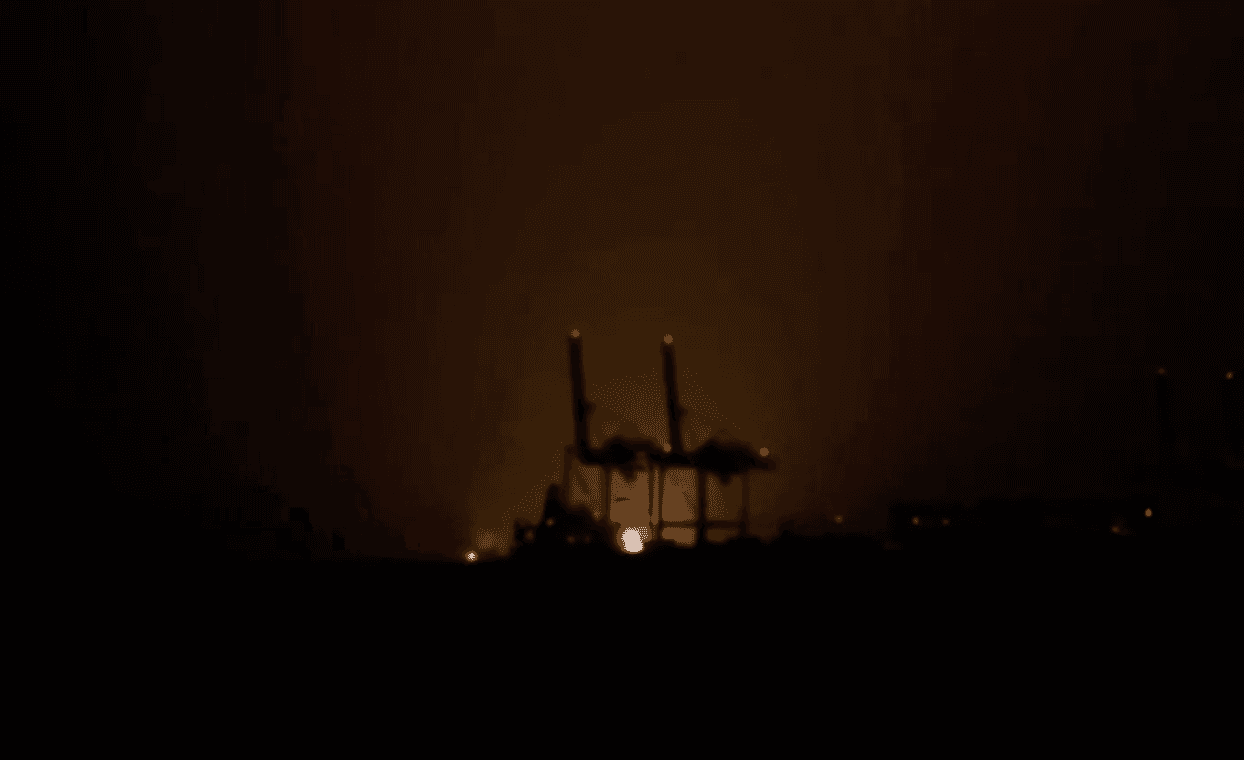
Leningrad Oblast Governor Aleksandr Drozdenko on March 29 reported "damage" at the Ust-Luga port during the Ukrainian drone strike, as Kyiv continues to target the northwestern Russian region located along the Baltic Sea this week.
Drozdenko did not elaborate on the extent of the damage at the port, saying rescuers were working to extinguish the fire as of around 7 a.m. local time.
Over the previous night, a total of 36 Ukrainian drones were downed over Leningrad Oblast, Drozdenko said.
The overnight March 29 attack comes as Ukraine's long-range drones continued to target Russian oil terminals in the port cities of Ust-Luga and Primorsk. The latest attack marks the fifth night that Ukrainian drones have been attacking Leningrad Oblast, a Russian Telegram channel with over 1 million subscribers reported.
The Ukrainian side has remained silent on the latest attack thus far. The Kyiv Independent couldn't independently verify the drone attacks reported in Leningrad Oblast.
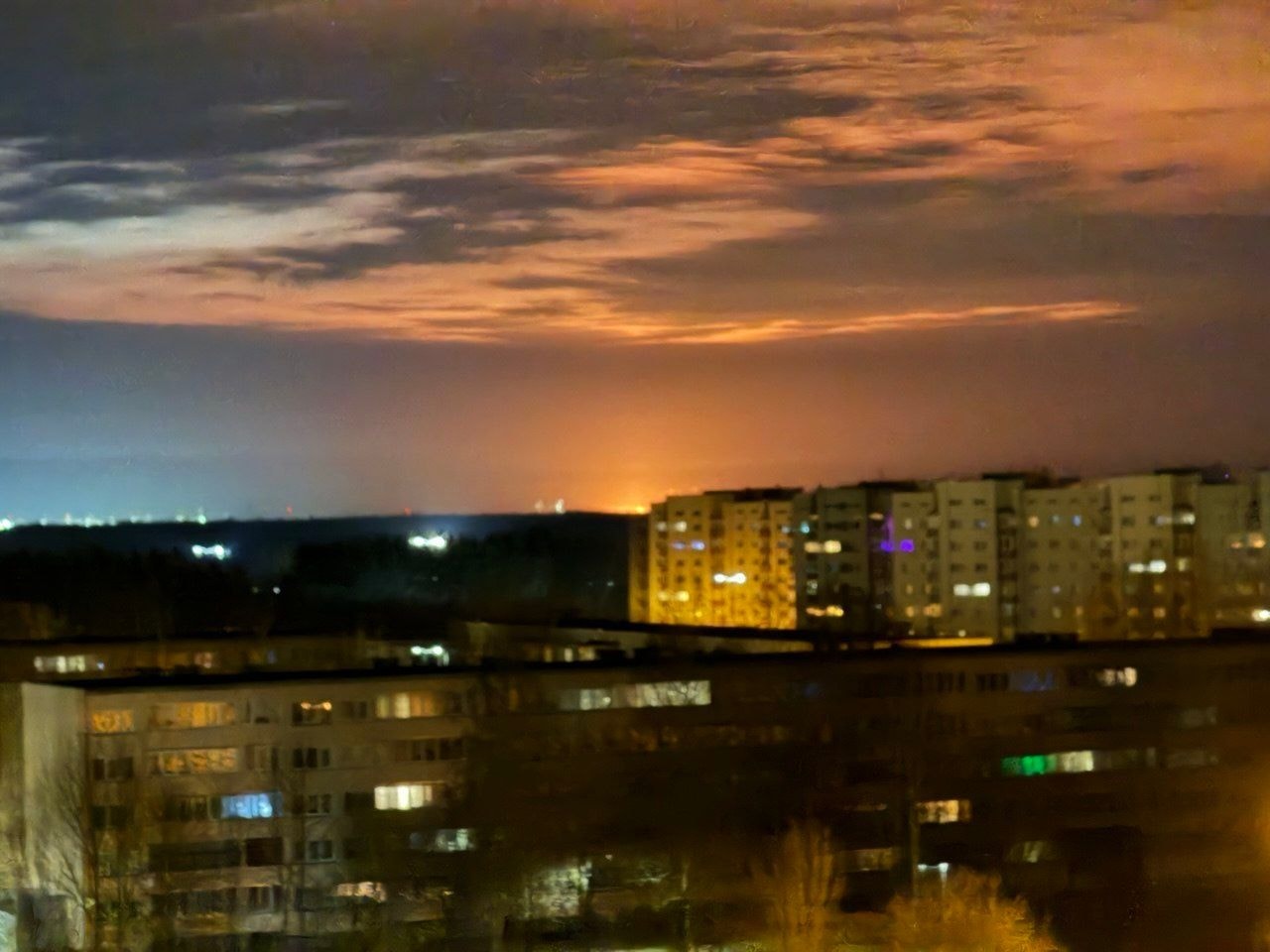
Earlier on March 27, local residents reported hearing explosions in the area of the oil terminals, located off the Baltic Sea, as officials warned of a drone attack on the region. Photos and videos posted to social media appear to show flames emanating from the attack site.
Ust-Luga is one of Russia's largest ports on the Baltic Sea and a major hub for the export of crude oil and petroleum products. Located west of St Petersburg, far from Ukraine's border, the port plays an important role in generating revenue for the state budget.
The port is not the only target in the region to be struck recently. On March 26, the General Staff confirmed a separate the Kirishi Petroleum Organic Synthesis (Kinef) oil refinery in the city of Kirishi, southeast of St Petersburg.
The previous day, Ukraine struck a military icebreaker in the port city of Vyborg, with photos after showing the ship keeling over.
Relying on domestically produced long-range drones, Ukraine has tried to grind down Russia's war machine from afar, targeting Russian military facilities and key infrastructure supporting the Russian army. It remains difficult to assess the impact the reported Ukrainian drone attacks have on the battlefield.
Reuters reported on March 25, citing its calculations on market data, that at least 40% of Russia's oil shipping capacity has stopped after repeated Ukrainian drone attacks.
The report comes more than a week after the U.S. Treasury Department issued a temporary license on March 12 to allow countries to purchase Russian oil currently stranded at sea, in an effort to stabilize global energy prices as the U.S.-Israeli war with Iran drives markets higher.
The move marked a shift in Washington's sanctions enforcement as the conflict in the Middle East and resulting shut-off of shipping through the Straits of Hormuz has shocked global oil supply.