Russian authorities search Novaya Gazeta editorial office, detain investigative journalist
 on Google
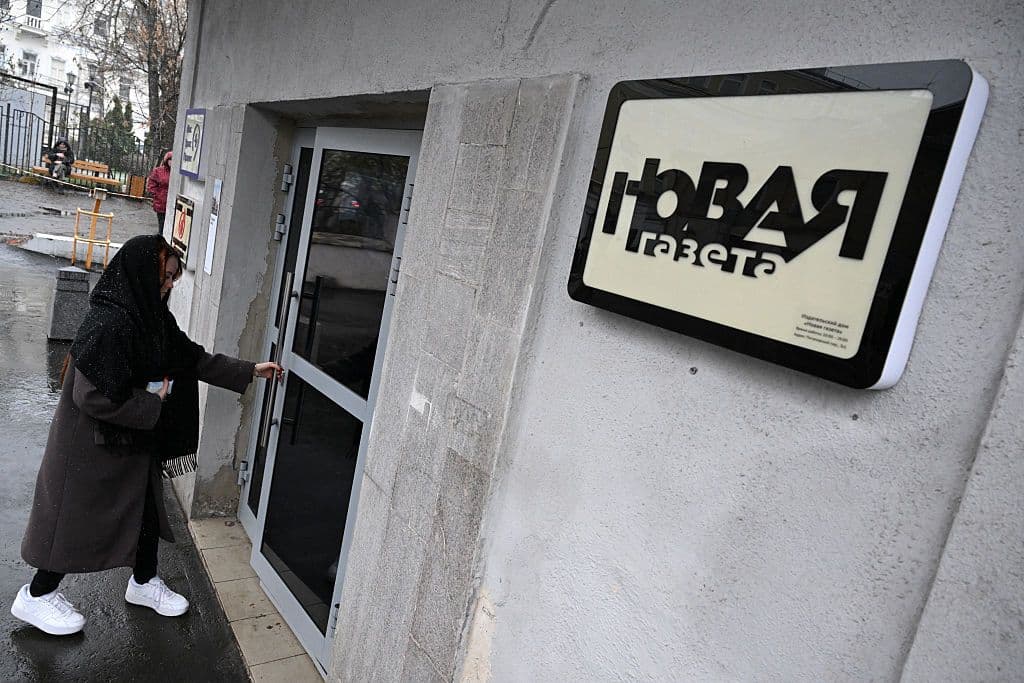
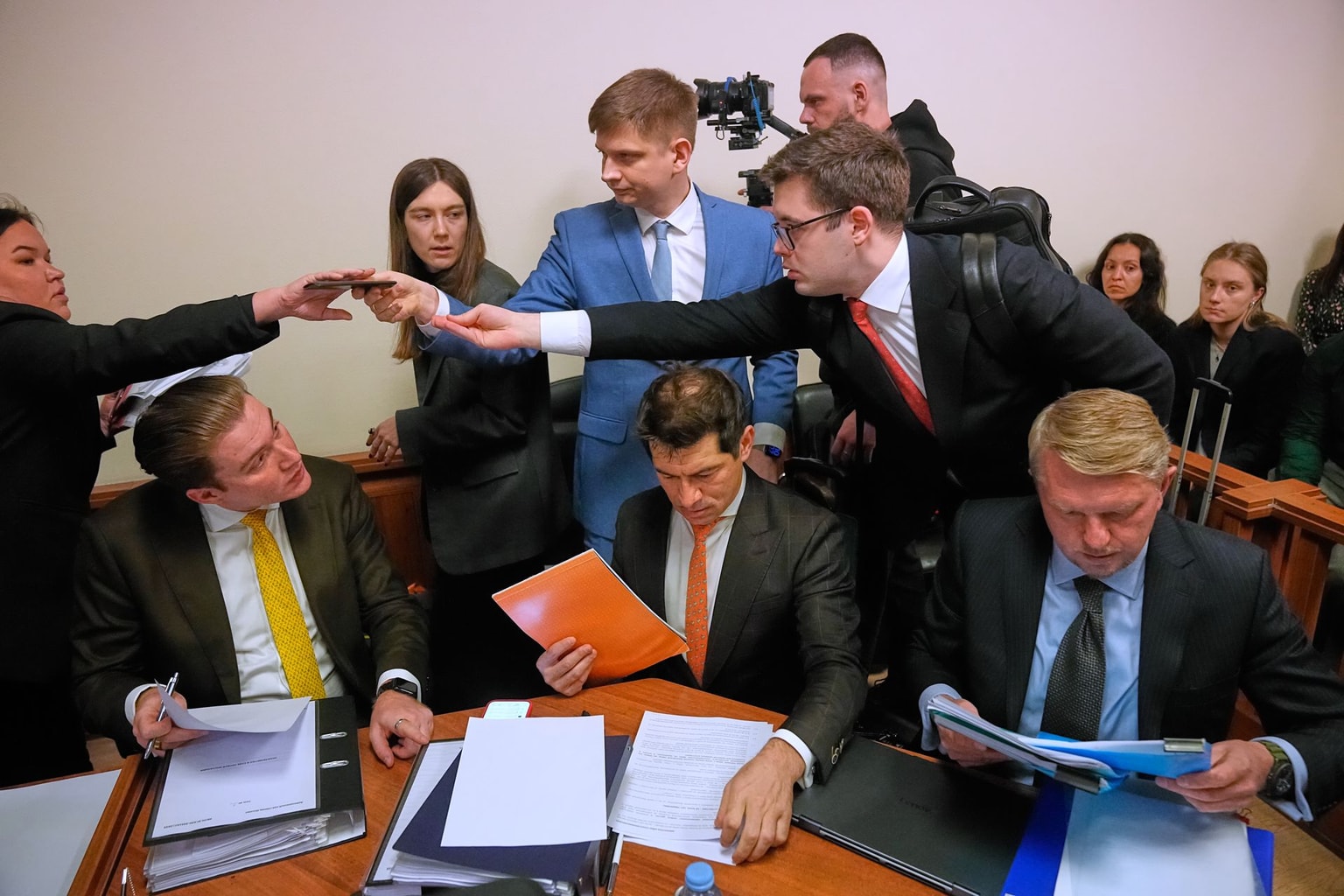
Russian authorities conducted a search of Novaya Gazeta's editorial office and detained one of its journalists on April 9, the independent media outlet reported on its Telegram channel.
According to Novaya Gazeta, masked special services officers arrived at 12 p.m. local time and as of 5 p.m. local time, the search is still ongoing.
Some staff members were present in the editorial office when the search began to take place, and the media outlet's lawyers are not being allowed into the building.
"We do not know the reason (for the search)," Novaya Gazeta, adding that local media are speculating it is related to their investigative journalist Oleg Roldugin.
Roldugin's apartment was also searched on April 9 and he was taken to the Main Investigative Directorate of the Moscow police for questioning.
Russian state media claimed that Roldugin was detained in connection with a crimianl case "involving the illegal use of personal data."
Law enforcement is also conducting a search of the Novaya Gazeta office relating to the "creation of informational articles and materials of a negative nature about Russians," Russian state media claimed.
In contemporary Russia, working as an independent — and particularly as an investigative — journalist entails significant risk. Russian authorities routinely detain individuals for voicing criticism of the government, and such dangers have only intensified since the start of the full-scale war against Ukraine.
A number of journalists have also been murdered under Russian President Vladimir Putin's nearly three decades of rule.
In an article published by The New York Times on April 2, Dmitry Muratov, the editor in chief of Novaya Gazeta — who notably remained in Russia after 2022 — described the newspaper’s continued work as driven by a commitment to Russian civil society.
"We are resisting fascism,” he said.
Muratov was labeled a “foreign agent” by the Kremlin in 2023, and the newspaper’s operations have faced severe restrictions since the start of the full-scale war. Staff members who chose exile have since launched a sister publication, Novaya Gazeta Europe.