Russian authorities still refuse to give Navalny's family access to his body
 on Google
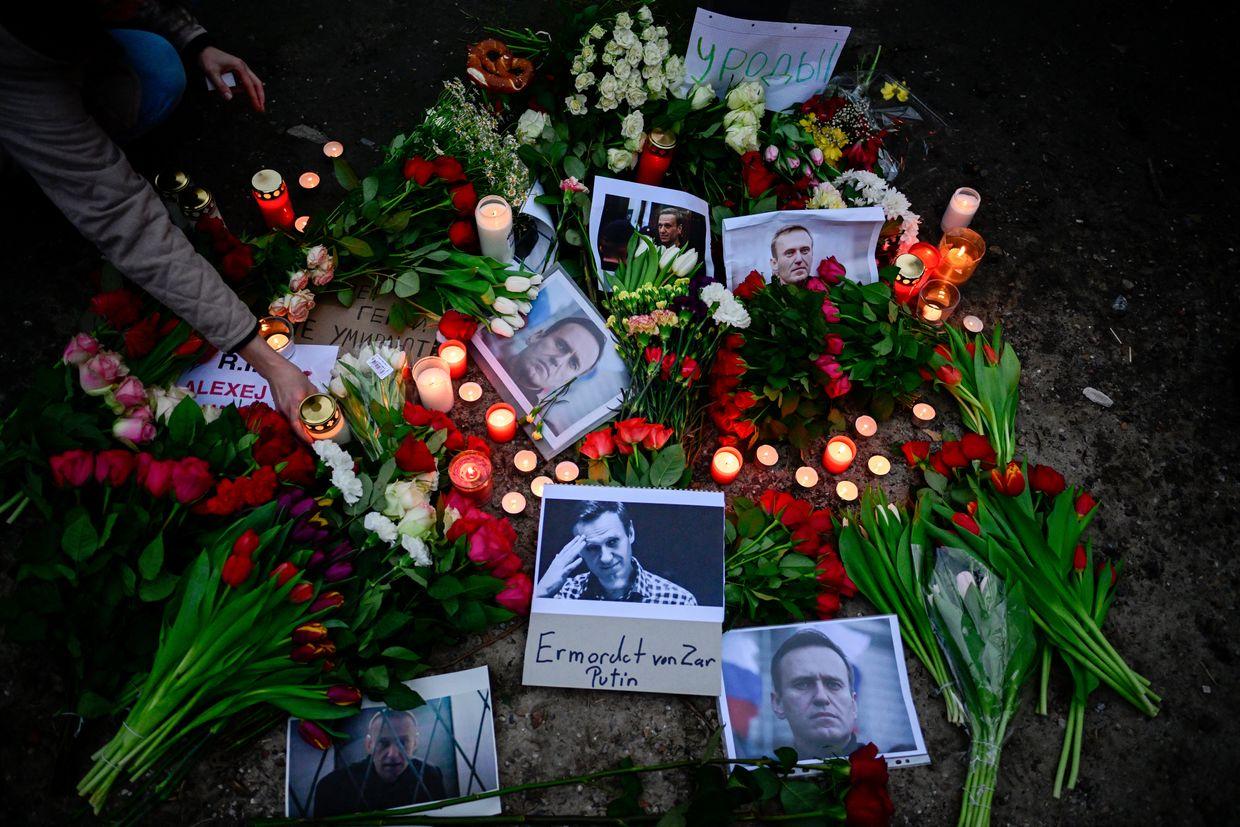
The Russian authorities have so far refused to give the late Russian opposition leader Alexei Navalny's family access to his body or transfer the body to them, according to Navalny's spokesperson Kira Yarmysh.
Navalny, Russian dictator Vladimir Putin's main opponent, died on Feb. 16 in a penal colony in the town of Kharp, Yamal Nenets Autonomous District. He had been convicted in several fabricated criminal cases as part of the Kremlin's crackdown on dissent.
Leaders around the world have blamed Putin for his death. Opinions differ on whether his death was caused by the harsh prison conditions or intentional murder.
The prison administration told his mother that Navalny’s body had been transferred to a nearby morgue in Salekhard, the capital of the Yamal-Nenets Autonomous District, Yarmysh said on Feb. 17. Navalny's mother went to the morgue but she was told that they did not have the body, according to Yarmysh.
She said on X that the authorities had initially claimed that the probe into Navalny's death had been completed, and no crime had been established.
But later the Investigative Committee said that Navalny's body would not be handed over to his relatives until the investigation into his death is complete, she added.
"They lie every time and cover up their tracks," Yarmysh said.
Ivan Zhdanov, head of Navalny's Anti-Corruption Foundation, said on X on Feb. 17 that the prison administration told his mother that Navalny had died of "a sudden death syndrome."
It was not clear what exactly the prison administration meant. Russian independent publication Meduza reported that it is not a genuine diagnosis, and it means that the cause of Navalny's death has not been determined.
Meanwhile, Novaya Gazeta Europe, an independent Russian media outlet, reported on Feb. 18 that Navalny's body was in the Salekhard City Hospital. The publication cited an anonymous source.
As of late Feb. 17, there had been no autopsy, the source said.
Novaya Gazeta Europe also reported on Feb. 18, citing a prison administration source, that representatives of the Investigative Committee and central prison authorities had arrived in Salekhard from Moscow.
Navalny was poisoned in Russia in 2020 and flown for treatment in Germany. German doctors said he had been poisoned with a Novichok nerve agent — a chemical weapon produced by the Russian government.
The Insider, Bellingcat, CNN, and Der Spiegel published an investigation according to which Navalny had been poisoned by agents of Russia’s Federal Security Service. They also identified the agents' names.