Rosneft admits losses from Ukraine's refinery strikes becoming unsustainable, Bloomberg reports
 on Google

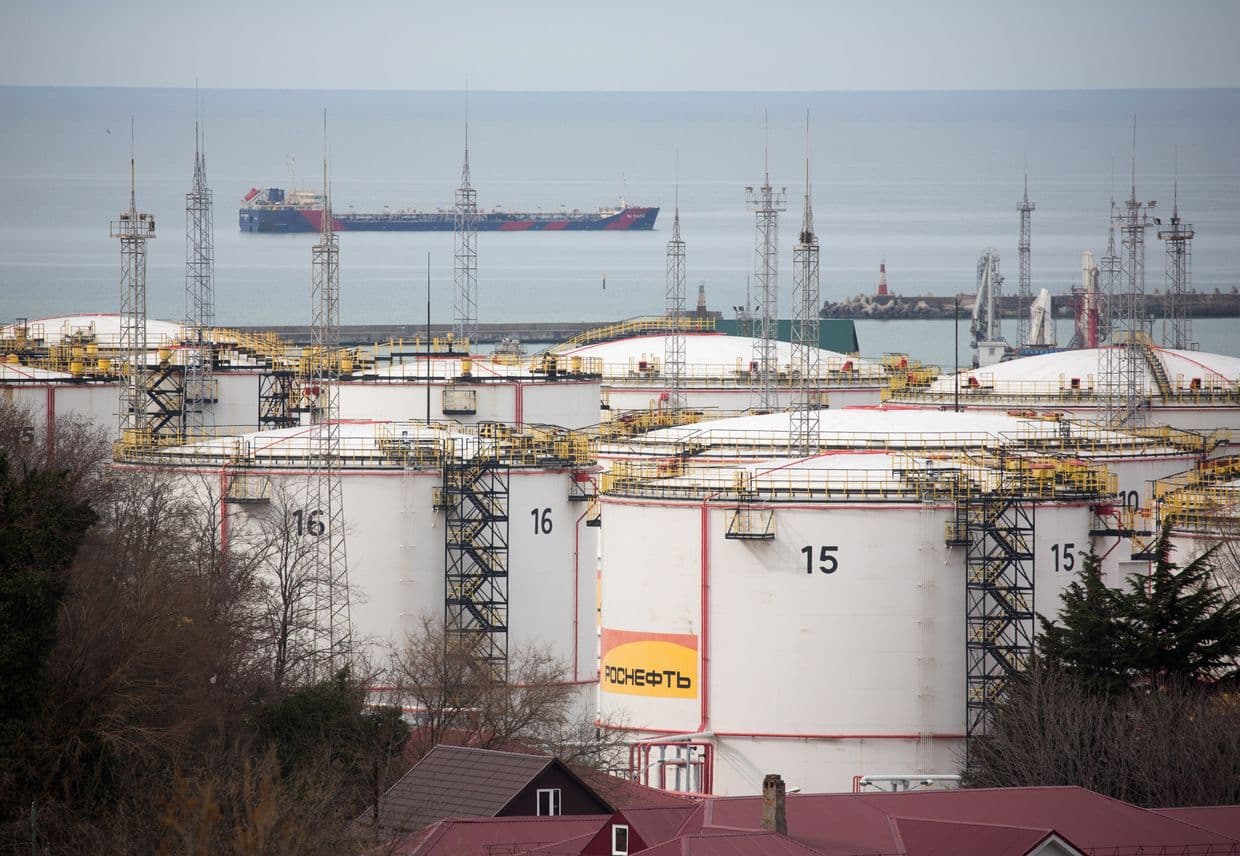
Russia's state-run oil giant Rosneft is facing mounting financial difficulties and the prospect of long-term damage as Ukraine expands its strike campaign against Russian oil refineries, Bloomberg reported on Oct. 22, citing expert analysts, insider sources, and documents reviewed by the outlet.
The news comes less than a week after the Ryazan Oil Refinery — one of Rosneft's biggest facilities — was reportedly forced to suspend operations at one of its main crude distillation units following a Ukrainian drone attack.
Officials at Rosneft have privately voiced concerns that even a few more months of Ukraine's continued attacks could lead to lasting damage for the company, according to Bloomberg.
Rosneft's 12 refineries account for approximately one third of Russia's total refining capacity. According to Bloomberg's analysis, five of 15 confirmed Ukrainian strikes on Russian refineries in September 2026 targeted Rosneft facilities that supply western Russia.
Documents reviewed by the outlet show that the Ryazan refinery has been shut down for more than half the time since it was hit by a Ukrainian drone blitz in May 2026. When it has been operational, the plant has run far below its actual capacity — a major blow to Russia's fourth-largest refinery, which supplies fuel to Moscow and the surrounding region.
Two other major Rosneft facilities have also suffered major disruptions over the past year. The Syzran refinery in Samara Oblast has been either completely offline or operating at below a third of its capacity for most of the past six months, data indicates.
The Syzran refinery has a processing capacity of approximately 9 million tons of crude oil per year and supplies fuel to the Russian Air Force and other military units. It also exports petroleum products via the Volga River and the Caspian Sea.
Rosneft's Tuapse refinery has been shut down since April, when Ukraine launched a sustained series of attacks against the key Black Sea export hub.
The success of Ukraine's attacks means Rosneft's profits continue to drop, despite the benefits the Iran war has channeled to the Russian oil industry.
Rosneft’s first-half net income in 2026 fell by almost 20%, to 200 billion rubles ($2.4 billion), Bloomberg reports. Its ratio of net debt to earnings also rose by 1.8 times in the first half of the year, its highest level in over five years.
Ukraine's strikes on Russian oil assets increased dramatically in the past year, with the number of confirmed hits from January to October more than doubling in 2026 compared to 2025. Ukraine has carried out at least 114 attacks on refineries in Russia, an estimate Bloomberg based on public statements from both countries.
The constant pace of repairs has led to escalating costs that Rosneft officials say are unsustainable, according to people familiar with the matter who spoke to Bloomberg. To cut costs, sources said, some refineries have deliberately stretched out repair work over several weeks.
Repairing and replacing damaged equipment is further complicated by international sanctions, which limit access to certain critical parts that would have previously been sourced from Western countries.
Rosneft said in a statement to Bloomberg that it is "taking appropriate measures to ensure the security and operation of our plants," and that "Not a single company petrol station has been closed, and consumers receive fuel in full at stable prices."
Russia has faced severe shortages of fuel in 2026, prompting sales restrictions and export bans — though U.S. President Donald Trump recently extended a lifeline to Moscow's struggling oil industry by announcing a controversial deal to buy Russian diesel.
While Ukraine briefly halted strikes on Russian oil refineries in October to honor Trump's proposed energy ceasefire, Kyiv soon resumed attacks when it became clear that Moscow had no intention of observing the truce.