Putin, Orban discuss Hungarians in Ukraine's army captured by Russia, Kremlin says
 on Google
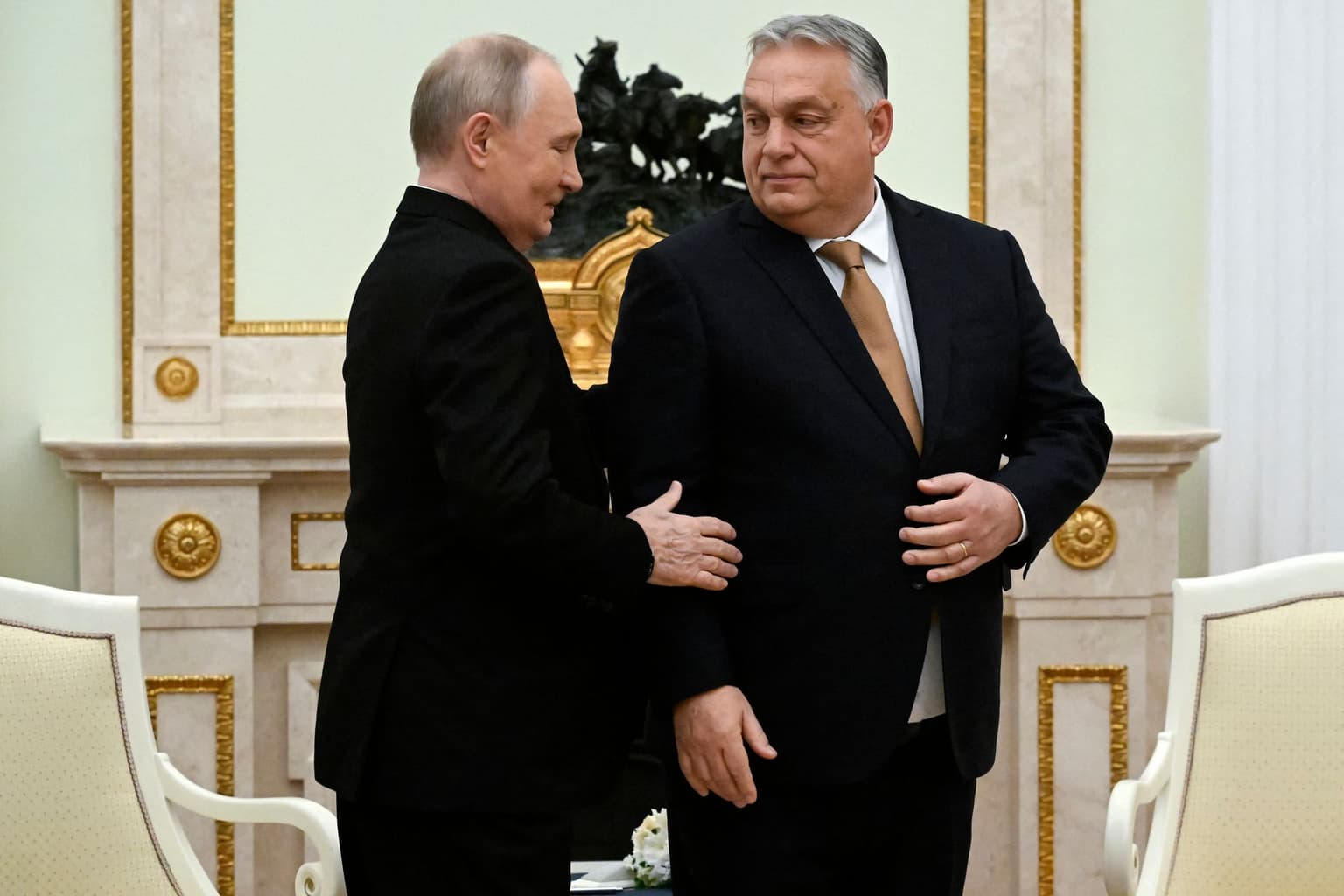
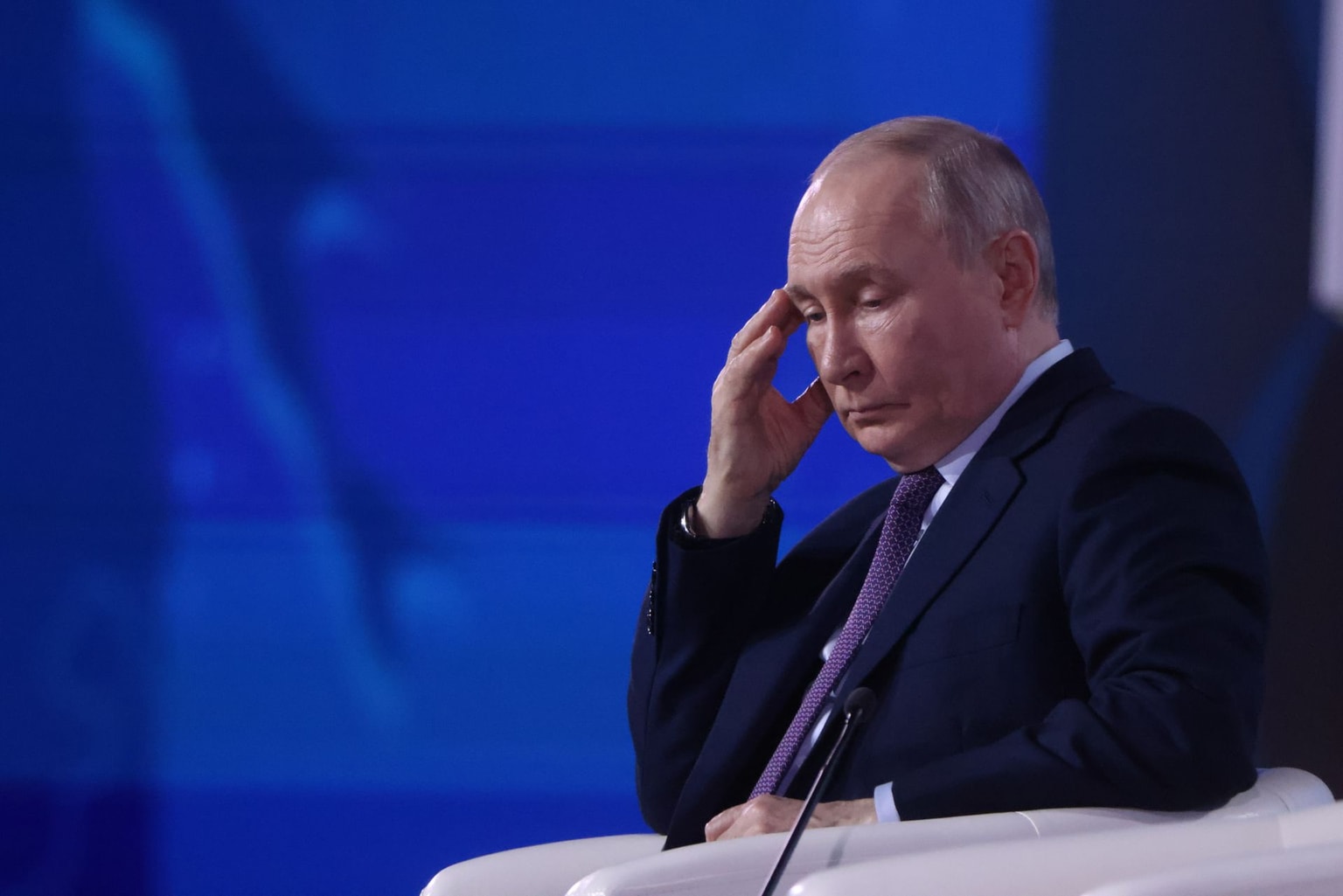
The leaders of Hungary and Russia discussed Hungarians serving in the Ukrainian army who ended up in Russian captivity, among other topics, during a phone call on March 3, the Kremlin said.
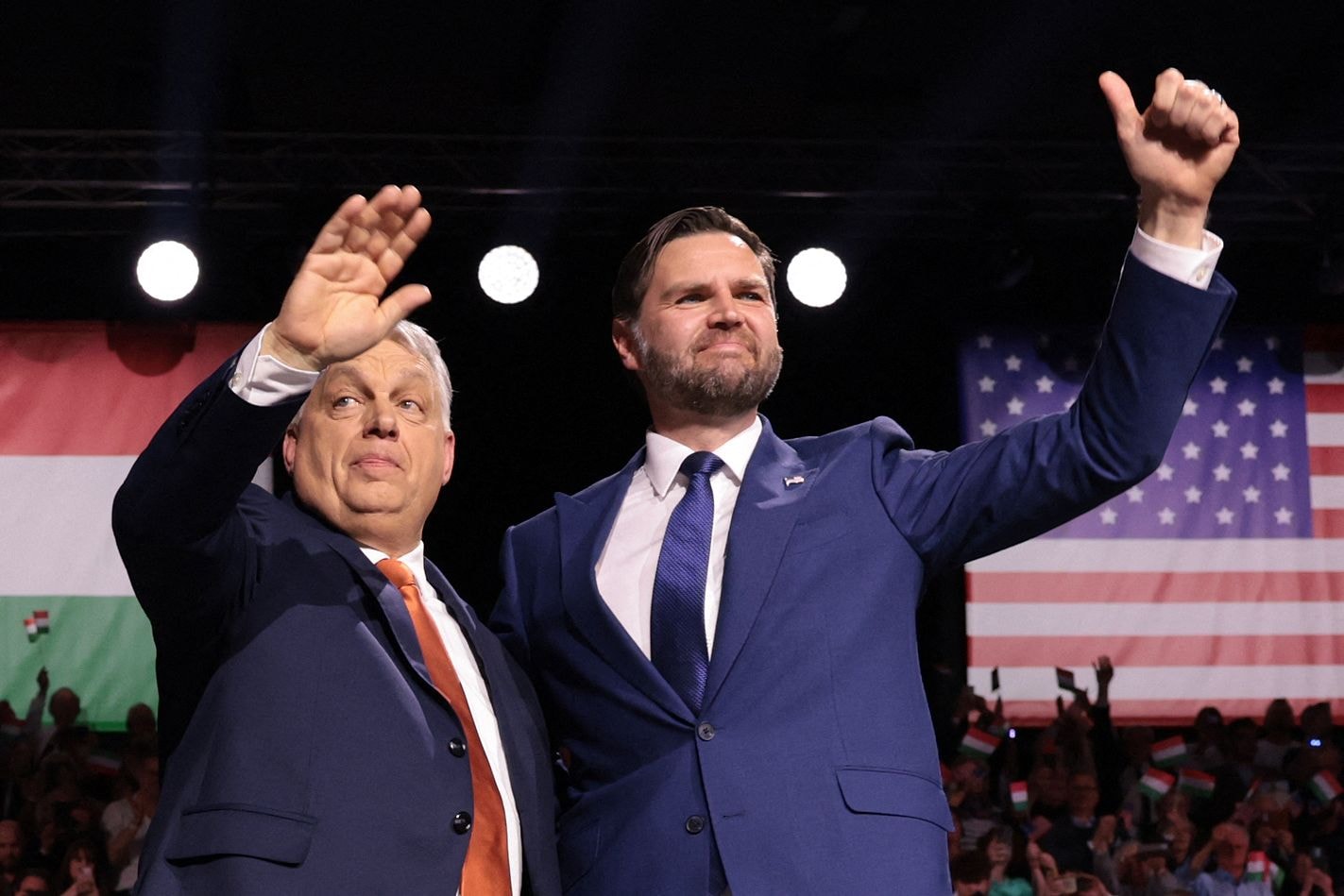
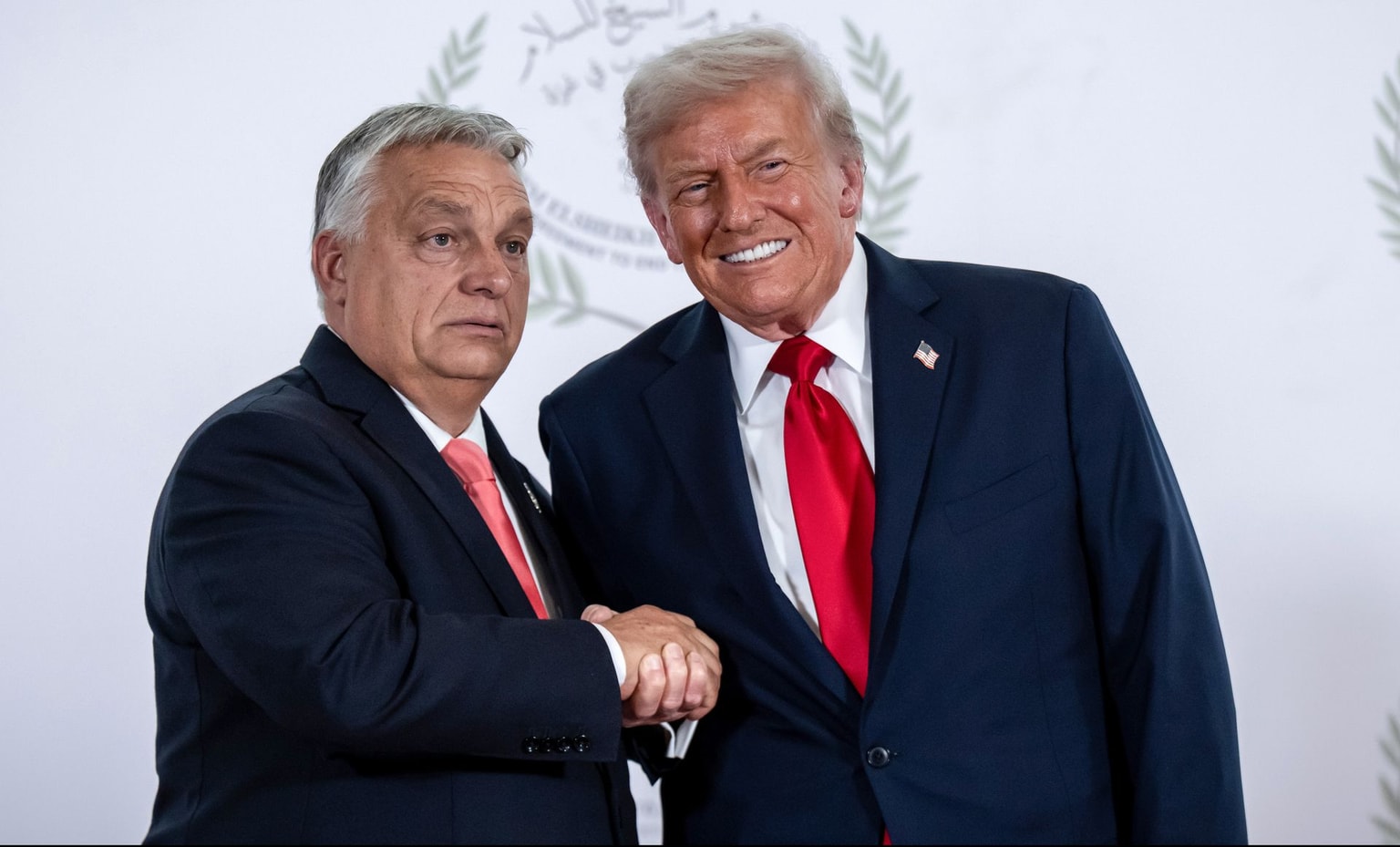
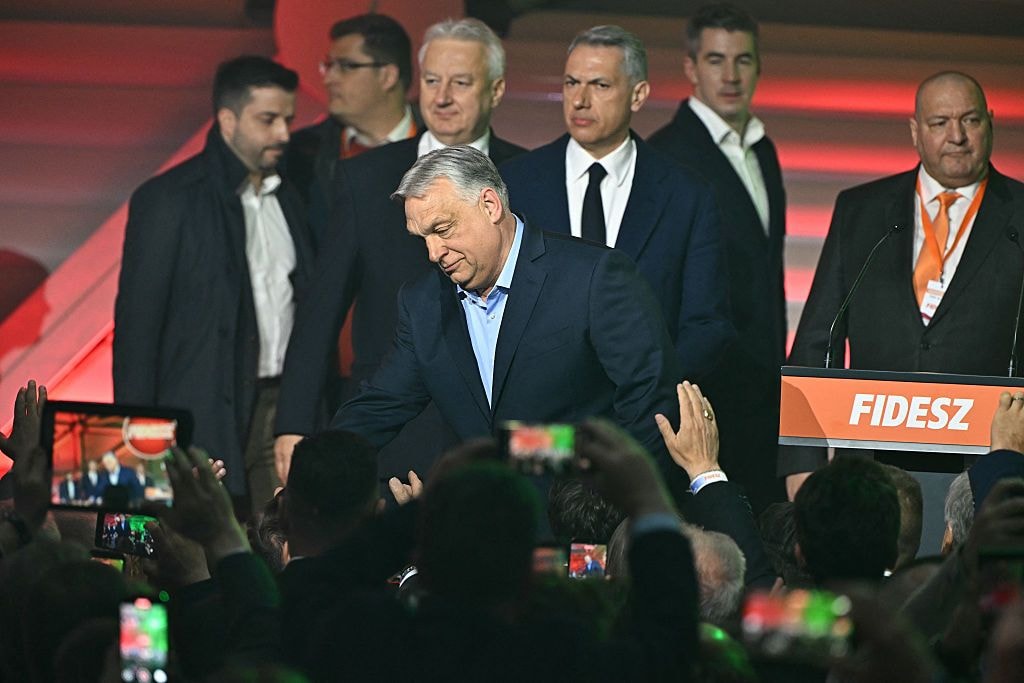
Hungarian Prime Minister Viktor Orban, widely regarded as the EU's most Moscow-friendly leader, held a call with Russian President Vladimir Putin amid an escalating spat between Kyiv and Budapest.
The leaders discussed "Hungarian nationals that were mobilized into the Ukrainian Armed Forces and subsequently captured as (Prisoners of War)," the Kremlin's press service said. Kyiv and Moscow have held numerous exchanges of military and civilian captives during the full-scale war.
Only men holding Ukrainian citizenship are subject to mobilization, and a double Ukrainian-Hungarian citizenship is not recognized by Ukrainian law.
Hungary has recently sharpened its criticism of Ukraine's conscription efforts, underscoring that it also impacts Ukrainians of Hungarian ethnic descent.
There are about 80,000 ethnic Hungarians living in Ukraine's westernmost Zakarpattia Oblast. About 670 service members of Hungarian ethnicity were serving in Ukraine's Armed Forces as of December.
Budapest has repeatedly accused Kyiv of discriminating against its Hungarian minority, primarily through language laws, a claim that Ukraine has rejected.
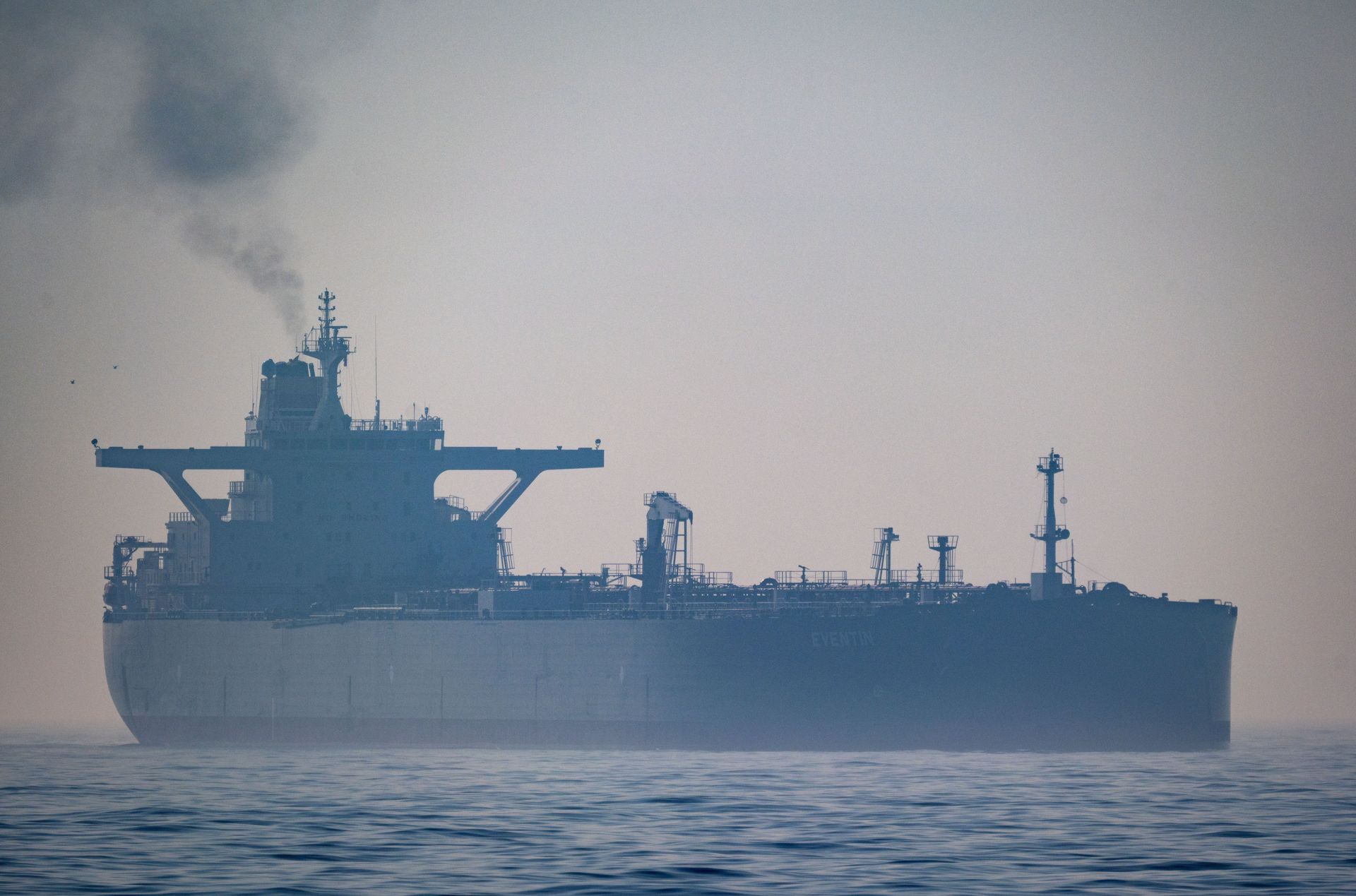
According to the Kremlin's press service, the two leaders also discussed agreements reached during their meeting in Moscow last November, as well as the situation in Iran and its possible implications for the energy markets.
"Vladimir Putin commended Hungary's principled stance in support of resolving the conflict (in Ukraine) via political and diplomatic means as well as its overall commitment to pursuing a balanced and sovereign course in international affairs," the Kremlin said.
While Orban is yet to comment on his call with Putin, the Hungarian leader has recently adopted an increasingly hostile rhetoric toward Ukraine.
Budapest has accused Kyiv of deliberately withholding deliveries of Russian crude to Hungary and Slovakia through its section of the Druzhba pipeline. Ukraine, in turn, said the pipeline is undergoing repairs due to a Russian strike in western Ukraine in late January.
"Today I called on the President of the European Commission (Ursula von der Leyen) to enforce the agreements that oblige Ukraine to allow the transit of oil through the Friendship (Druzhba) oil pipeline," Orban said on March 3.
In response to the suspension of oil supplies, Hungary has blocked a 90-billion-euro ($106 billion) EU loan for Ukraine and, alongside Slovakia, the 20th package of EU sanctions against Russia.
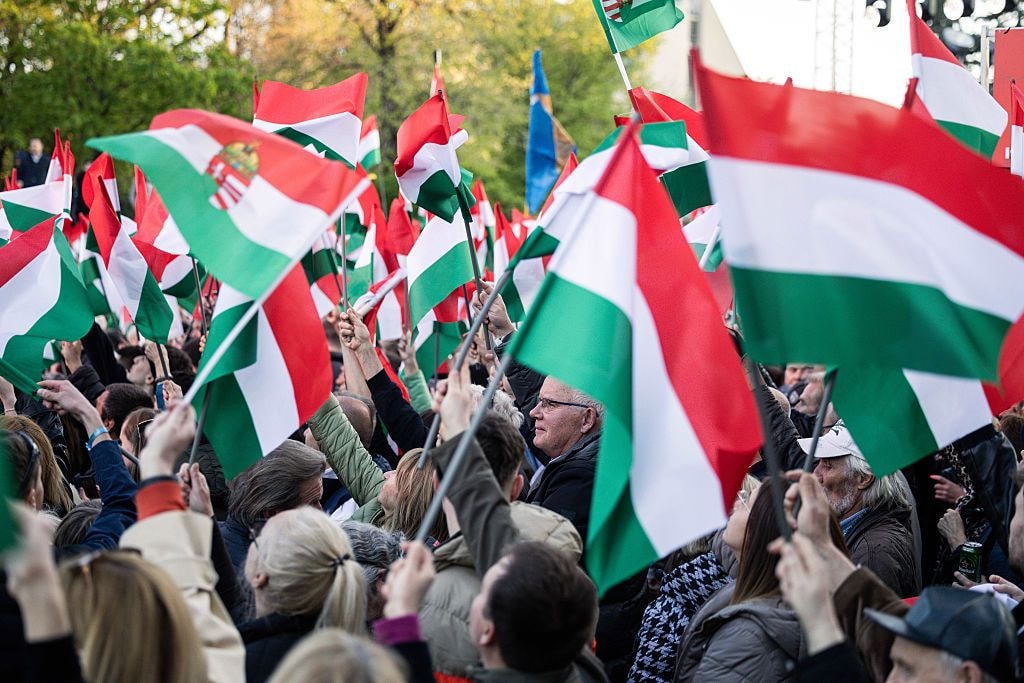
The escalation comes as Orban's Fidesz party trails Peter Magyar's opposition Tisza party ahead of the April parliamentary elections.