North Korean troops in Kursk Oblast endure heavy losses, logistical struggles, Ukrainian military intelligence says
 on Google
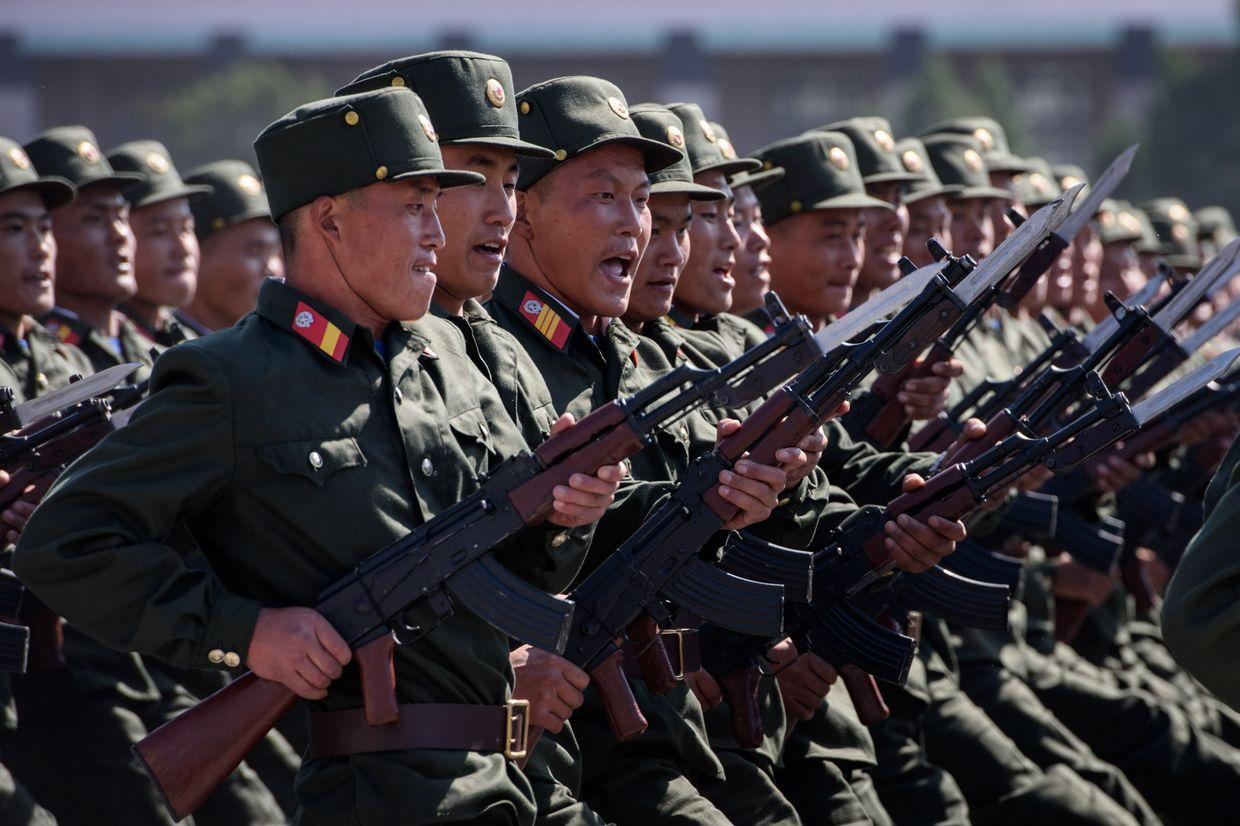
North Korean troops deployed in Russia’s Kursk Oblast continue to suffer significant losses, Ukraine's military intelligence (HUR) reported on Dec. 26.
Russia has stationed approximately 12,000 North Korean soldiers in the region since August to assist in ousting Ukrainian forces.
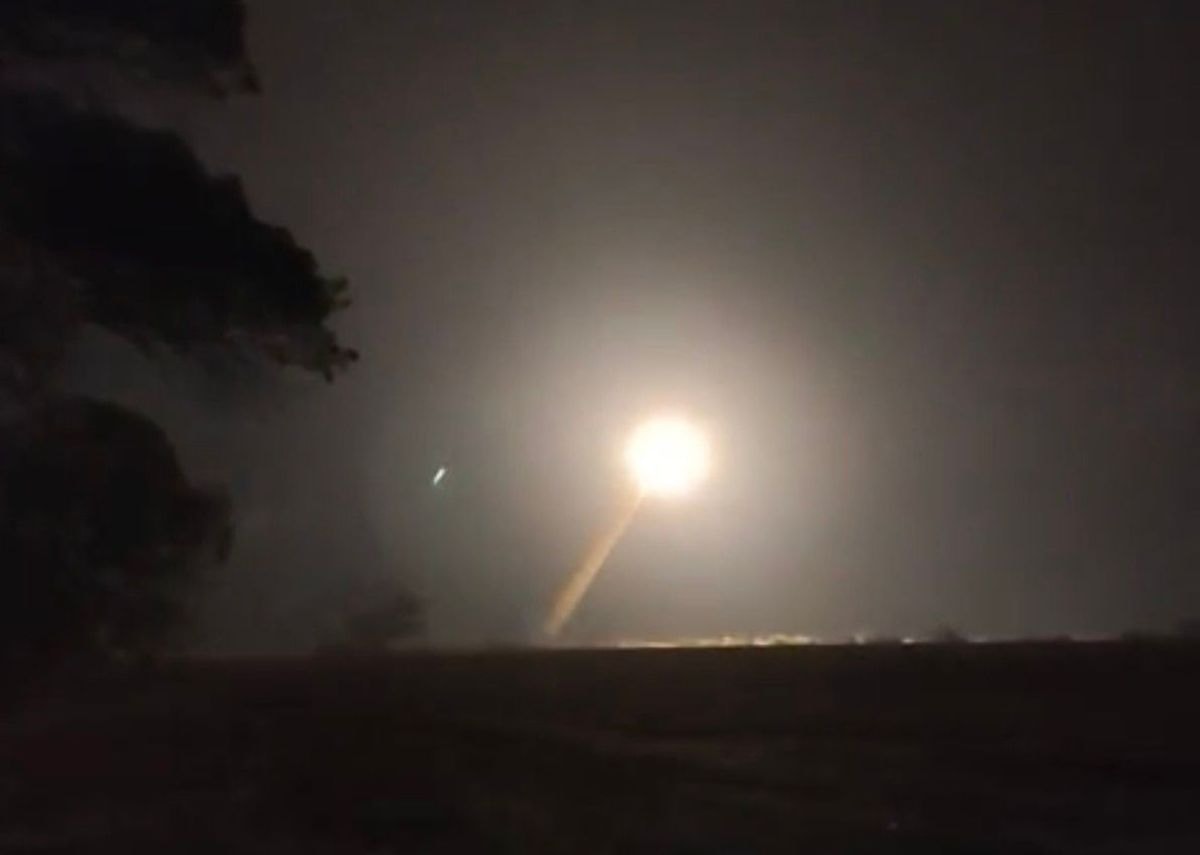
On Dec. 20, Ukrainian strikes near Novoivanovka reportedly inflicted heavy casualties on North Korean troops. HUR confirmed the destruction of a North Korean mortar unit, with additional losses recorded at multiple sites.
Despite sanitary losses, including five soldiers on Dec. 20 alone, Russian officers ordered the units to maintain their positions.
HUR also reported severe logistical issues for North Korean units on the front lines, including a lack of drinking water due to active hostilities.
However, Russian forces have continued supplying these troops with ammunition and food to sustain their positions and resume assault operations.
The Kyiv Independent could not verify these claims.
President Volodymyr Zelensky said on Dec. 23 that more than 3,000 North Korean soldiers have been killed or injured since their deployment in Kursk Oblast.
Their casualties have been linked to their inexperience with the terrain and modern drone warfare, according to South Korean MP Lee Sung-kwon.
While North Korean forces have proven vulnerable to Ukrainian drone strikes, their presence has enabled Russian troops to make limited gains in the region, recapturing some territory previously held by Ukrainian forces.
The use of North Korean troops in ground assaults marks an escalation of their involvement in Russia's war against Ukraine, raising concerns about Moscow’s growing reliance on Pyongyang for military support.