New details, leaked audio show Hungary coordinating with Kremlin to stall Ukraine's EU accession
 on Google
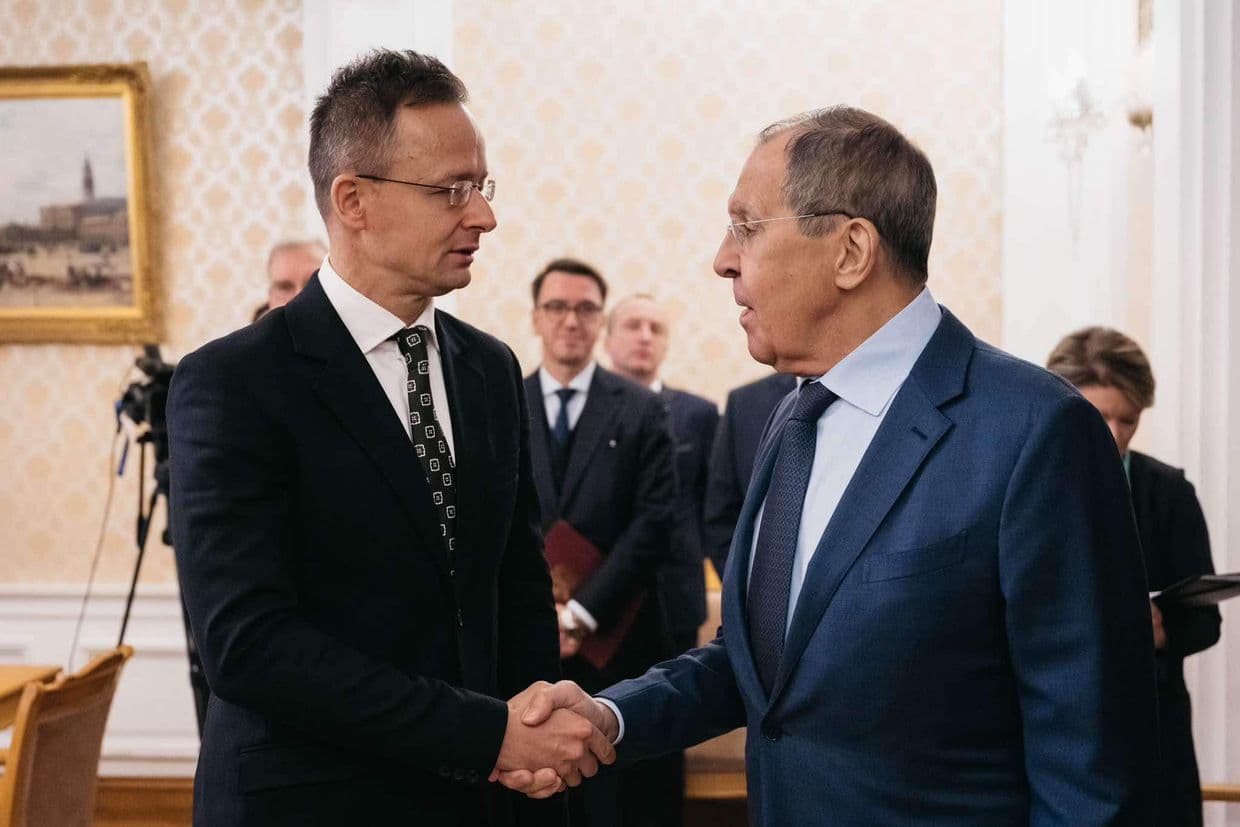
Hungarian Foreign Minister Peter Szijjarto coordinated with his Russian counterpart Sergey Lavrov on the issue of Ukraine's accession to the European Union, briefing him on ongoing meetings and sharing EU documents with him, according to a media investigation published April 8.
The investigation, co-authored by VSquare, Frontstory, Delfi Estonia, The Insider, and ICJK, is the second installation in a series on Budapest's behind-the-scenes collaboration with Moscow. The first part, published in March, detailed how Szijjarto lobbied the EU to delist sanctioned Russians and businesses at the Kremlin's request.
The outlets obtained audio recordings of calls between Szijjarto and Lavrov from 2023 to 2025. The conversations show Szijjarto adopting a deferential tone with the Russian minister while providing the Kremlin with steady information on European allies' plans to counter Russian aggression against Ukraine.
The recordings also appear to back up the Washington Post's (WP) March 21 report that Szijjarto regularly phoned Lavrov during EU meeting breaks to share live updates on the discussions.
One call recorded on Dec. 14, 2023 reveals Szijjarto phoning Lavrov during European Council meeting to open accession negotiations with Ukraine and Moldova. Hungarian Prime Minister Viktor Orban fiercely opposed the opening of negotiations and threatened to veto, leveraging Budapest's veto power in disputes with Brussels over withheld funds due to Hungary's rule-of-law violations.
"Okay, good, yes, yes, excellent," Lavrov says in the call after Szijjarto details the plan. "Sometimes good-willed direct blackmailing is the best option."
In another conversation on the issue of Ukraine's EU accession, Lavrov requests an EU document pertaining to the matter and Szijjarto promises to provide it.
"I immediately do it. I send it to my embassy in Moscow, and my ambassador will forward it to your chief of staff, and then it’s at your disposal," Szijjarto says.
When Szijjarto's briefings of Moscow were first reported, the official initially dismissed the claims as "fake news." Responding to the audio released on April 8, Szijjarto this time accused foreign intelligence services of a wiretapping campaign.
"Foreign intelligence interference in Hungary's parliamentary election continues in an unusually aggressive and open manner," he wrote on X. "Certain foreign intelligence services, with the involvement of a Hungarian journalist, have wiretapped and are publishing phone conversations, once again today."
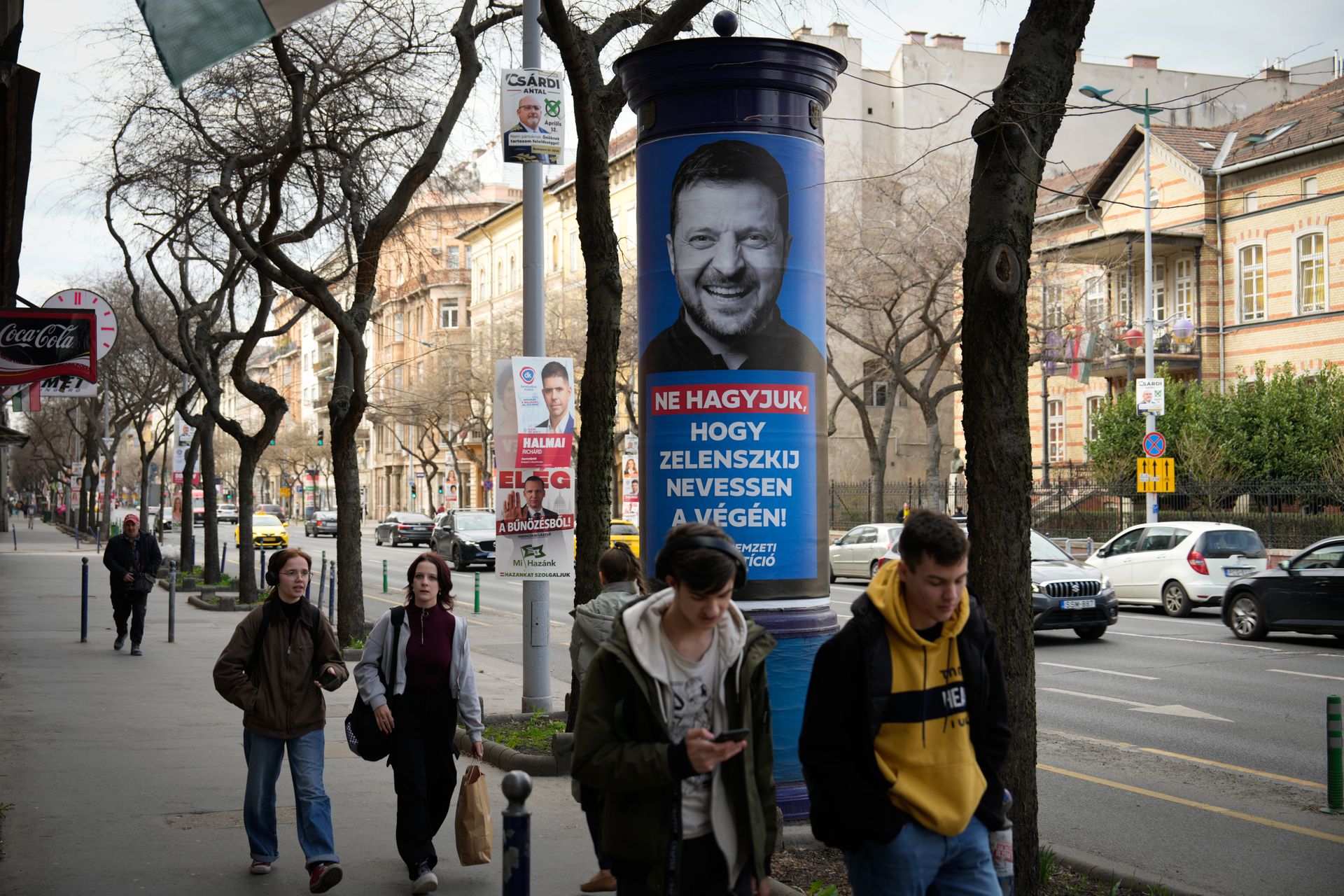
Hungarians will head to the polls on April 12, in an election poised to break Orban's 16-year grip on power. Polling shows Orban's Fidesz party trailing behind the Tisza Party, led by opposition figure Peter Magyar.
The Organ government has increasingly scapegoated Ukraine as the election nears, with help from Russian propaganda campaigns.
read also
 Martin Fornusek
 Kate Tsurkan
 Chris Powers