on Google
Italy has frozen about 2 billion euros ($2.5 billion) in Russian oligarchs' assets since the beginning of Russia's full-scale invasion of Ukraine last year, the country's central bank said on July 4, as cited by Reuters.
The assets, seized as part of the European Union sanctions against Moscow, reportedly include bank accounts, luxury villas, yachts, and cars.
According to Reuters, the Bank of Italy's anti-money laundering (UIF) unit said in its annual report that the $2.5 billion figure had been updated as of the end of June.
The media outlet also cited the UIF's head Enzo Serata adding that Italy had frozen financial holdings worth around $360 million linked to 80 individuals under the sanctions regime.
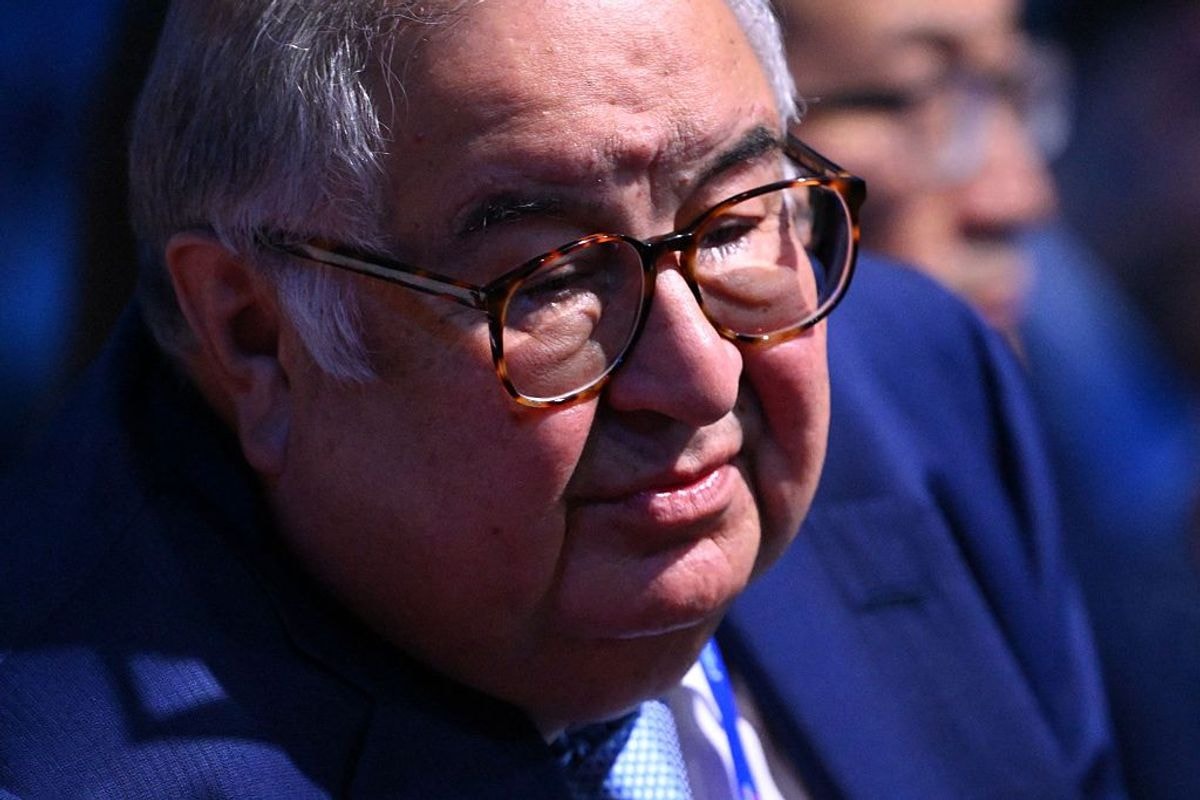
Some of the oligarchs targeted by the measures submitted legal appeals, including the Russian-Uzbek metallurgical and telecommunications magnate Alisher Usmanov, Reuters wrote.
On June 30, Bloomberg reported that European leaders had supported the idea of introducing a tax on windfall profits from frozen assets of the Russian Central Bank to finance Ukraine's restoration.