What the data says about Ukraine’s mobilization crisis
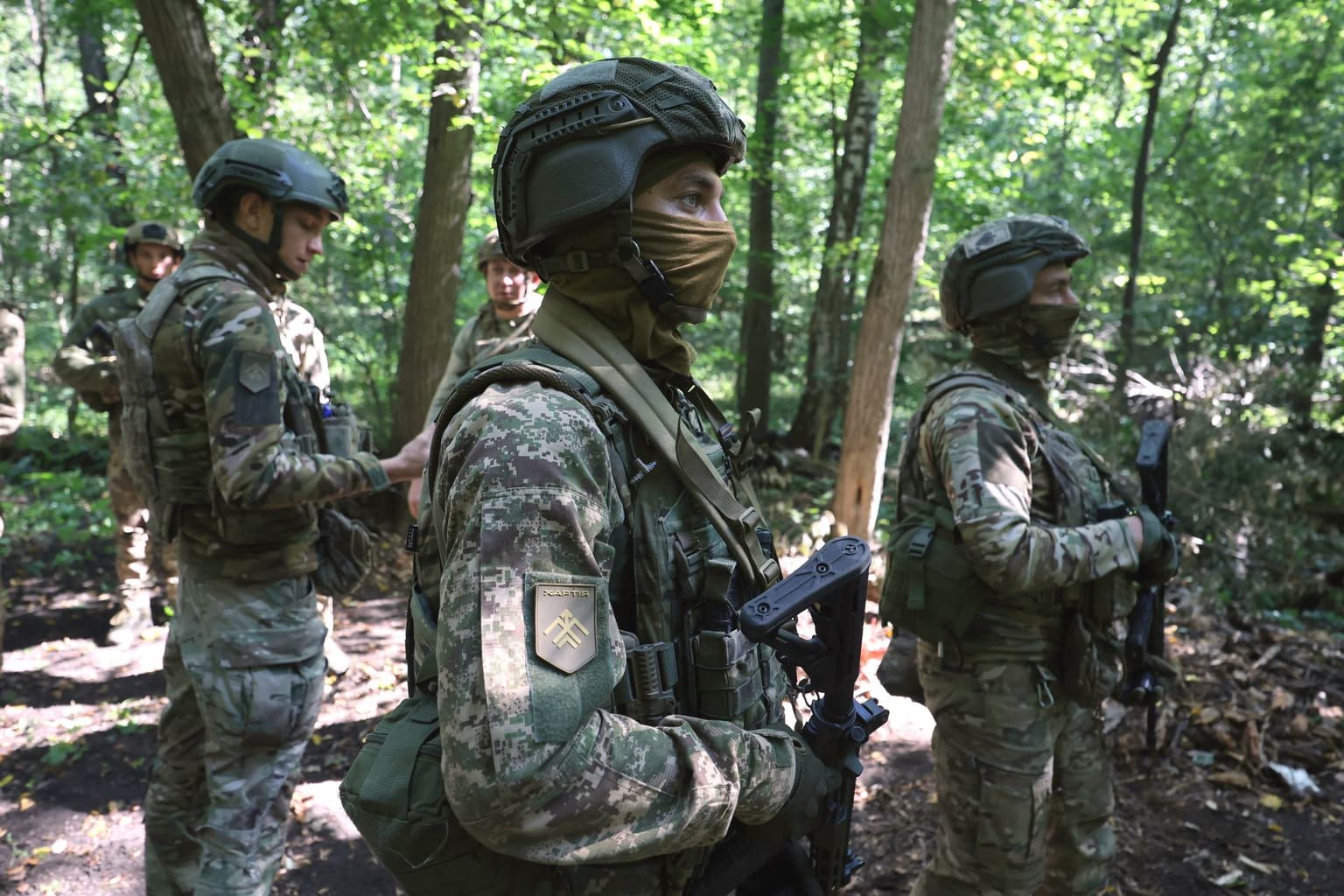
Infantrymen from the operational battalion of the 13th Khartiia Operational Brigade of Ukraine’s National Guard take part in a shooting training session in Kharkiv Oblast, Ukraine, on Aug. 28, 2025. (Viacheslav Madiievskyi / Ukrinform / NurPhoto via Getty Images)

Alex Fynn
Critics like to chastise Ukraine for its heavy-handed mobilization tactics; more friendly observers view it as an area of strategic vulnerability. So, where does it stand now?
The sometimes heavy-handed process of bundling unwilling men into vans is loathed by many and exploited by anti-Ukrainian propaganda — especially in the darker corners of social media.
So it may come as a surprise that over the past 12 months, mobilization in Ukraine has grown less violent and more resistant to Russian terror attacks.
The process remains problematic and is unable to provide enough combat-ready troops for the armed forces, which means transforming the system will be a priority for the newly appointed Presidential Office head, Kyrylo Budanov. But Ukraine has succeeded in making it more manageable.
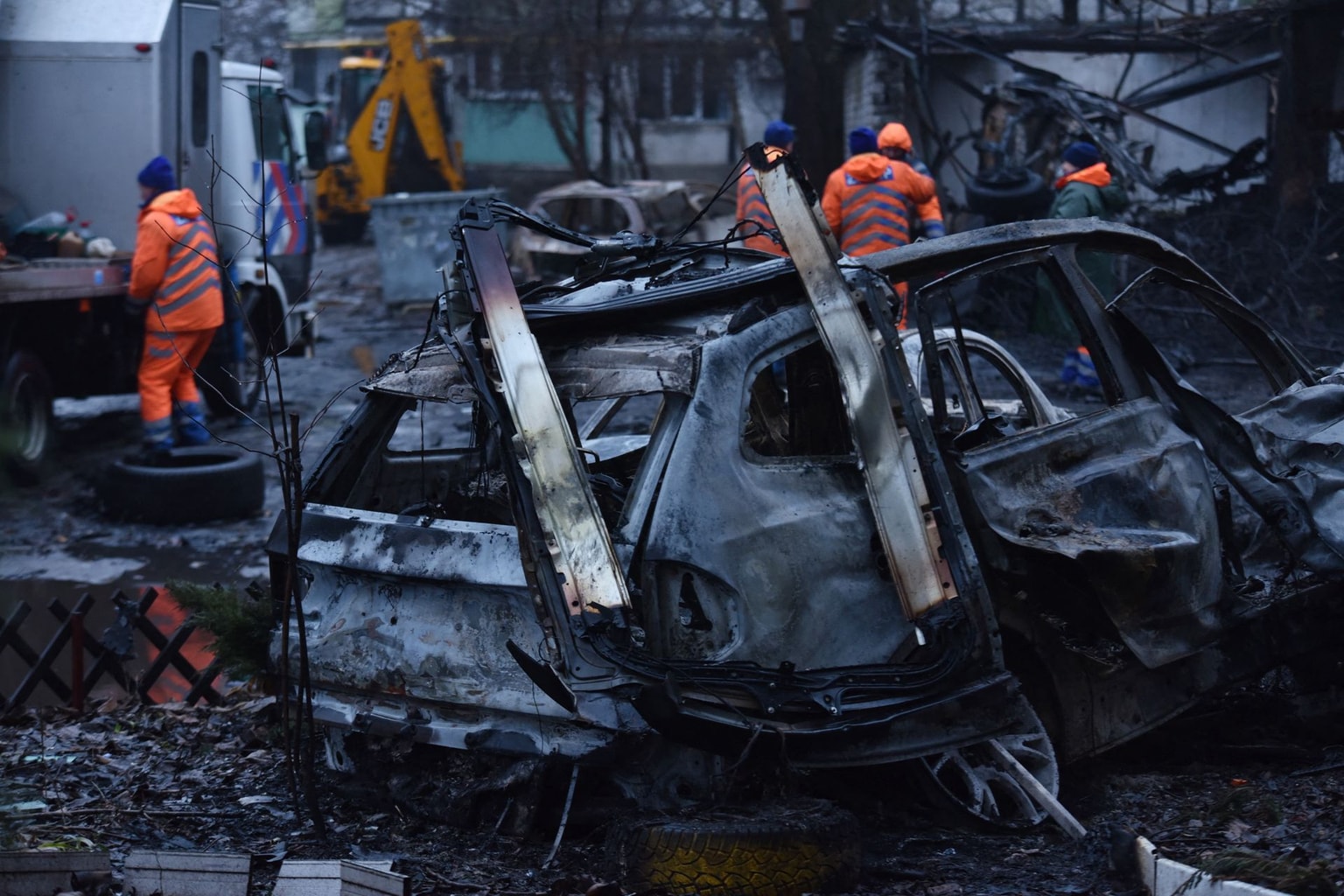
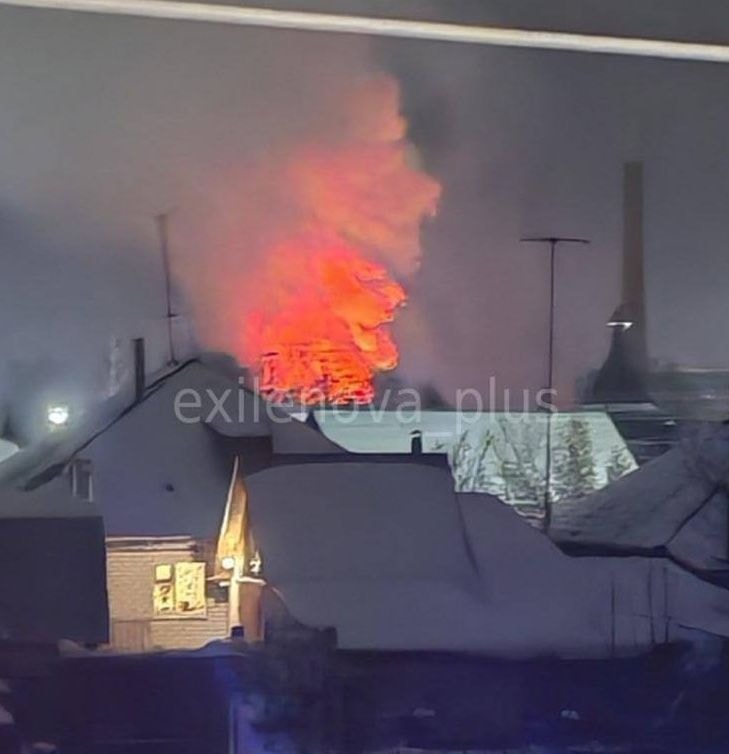
Open source data gathered by KI Insights, a research center backed by the Kyiv Independent, shows that in early 2025, Ukraine saw a spike in Russian terror against recruitment centers but has since managed to bring this under control.
Meanwhile, violent "busification" (the practice of grabbing men off the street, throwing them into minivans, and taking them to draft offices) saw a similar downward trend.
KI Insights reviewed social media, Ukrainian publications, and government resources published throughout the year to identify a total of 234 cases of violence, terrorism, and other incidents linked to mobilization. While self-censorship or pressure not to report incidents could somewhat distort the findings, it is unlikely to undermine the trend of reduced violence.
Violent incidents were down almost two-thirds in November compared to May (the month when reported incidents peaked). Additionally, after an unprecedented spike of near identical Russian-linked terror attacks in February 2025, Ukraine responded quickly in March, managing to prevent 6–8 incidents, and by April, reducing the casualties incurred to 0.

Almost all Russian terror attacks followed the same pattern.
Russian agents would hire disaffected Ukrainians on the fringes of society, pay them for some minor diversionary activity (e.g., spray painting anti-Zelensky slogans), and then progressively pay them to do more extreme acts (for larger sums of money) until they would have them assemble IEDs (improvised explosive devices) to send via courier to a draft office. The couriers were unaware of their cargo in almost all cases and were the most common casualties in these attacks.
Ukraine moved fast to deal with these terror attacks. They stepped up security at draft offices and developed campaigns targeting youth and other vulnerable groups, like the telegram bot: "expose an FSB agent" which allows people to flag attempts to recruit them.
KI Insights research also indicates that mobilisation-related violence, often taking the form of fights between draft officers and drafted recruits, is much more prevalent across the South-Eastern regions of Ukraine.
Kharkiv, Dnipropetrovsk, and Odesa oblasts have seen the most violence. Among other issues, these regions have particularly large shares of "mobilization obstruction" (although the practice is quite frequent in Western Ukraine as well). This is one of the most visible ways communities have expressed their discontent with the way mobilization is conducted in Ukraine.

In these cases, we have seen numerous examples of citizens physically inserting themselves between draft officers and those they have sought to mobilize, leading to outbreaks of violence.
Other, more dramatic incidents in this category refer to friends of drafted troops "rescuing" them by holding recruitment "buses" up with weapons, demanding that the mobilized individual be let go.
Ukraine appears to have also reduced the number of suspicious deaths (and accusations of draft officer brutality) in recent months. Reforms initiated by former Prime Minister Denys Shmyhal after he became Defense Minister, such as the (partial) introduction of body cams on Sept. 1, appear to have helped increase accountability and deter violent escalation in draft offices.

Despite this progress, however, we have seen a series of high-profile suspicious deaths in draft offices, which have served as focal points for dissatisfaction with mobilization. In particular, the case of Roman Sopin, a 43-year-old who suffered a blunt force head trauma in a central Kyiv draft office, fell into a coma, and died on Oct. 23, sparked widespread condemnation.
Despite largely stopping Russian terror operations and curbing violence at draft offices, Ukraine's mobilization has failed its most important test — providing capable troops for the army.
In December last year, MP and member of the Rada National Security Committee Fedir Venislavskiy suggested that 30,000 people were being mobilized per month. This number, which is fairly credible, albeit slightly higher than our internal assessments, suggests structural issues with the combat suitability of the men. Of the number mobilized, a large proportion are later classified as not suitable for combat.
In an interview last month, Solomiia Bobrovska, MP and member of the National Security and Defense Committee, expressed concerns around the quality of mobilized troops, explaining that it looks fine when you look at the numbers, but when you assess the quality of the troops and "honestly, that's where all the trouble really begins".
The mobilization of people with alcohol and drug dependencies or of people with severe mental issues who are unsuitable for combat is causing huge problems for the Armed Forces. It takes up precious resources from productive elements of the Armed Forces to be spent on salaries and care. Indeed, often these are people with complex (and expensive) physical and psychological health needs.
Budanov has a daunting test ahead. He must reform Ukraine's mobilization to finally transition from a self-destructive, Soviet-inherited focus on quantity over quality. Unfortunately, with Ukraine's chronic manpower crisis becoming ever more acute, time is not on his side.
Researchers Anna Harmash and Erika Bortnik contributed to this report.
The piece above is an adapted excerpt from an upcoming special KI Insights report and briefing into the state of Ukraine’s mobilization campaign. Due to the sensitive nature of the issue, the report will be accessible to KI Insights subscribers and as a standalone for specially vetted clients. Please email insights@kyivindependent.com if you are interested in purchasing this report and organising a briefing on the report’s contents with its authors.
Editor’s note: The opinions expressed in the op-ed section are those of the authors and do not purport to reflect the views of the Kyiv Independent.