How Western-made materials for cigarettes wind up in Russian missiles that strike Ukraine
 on Google
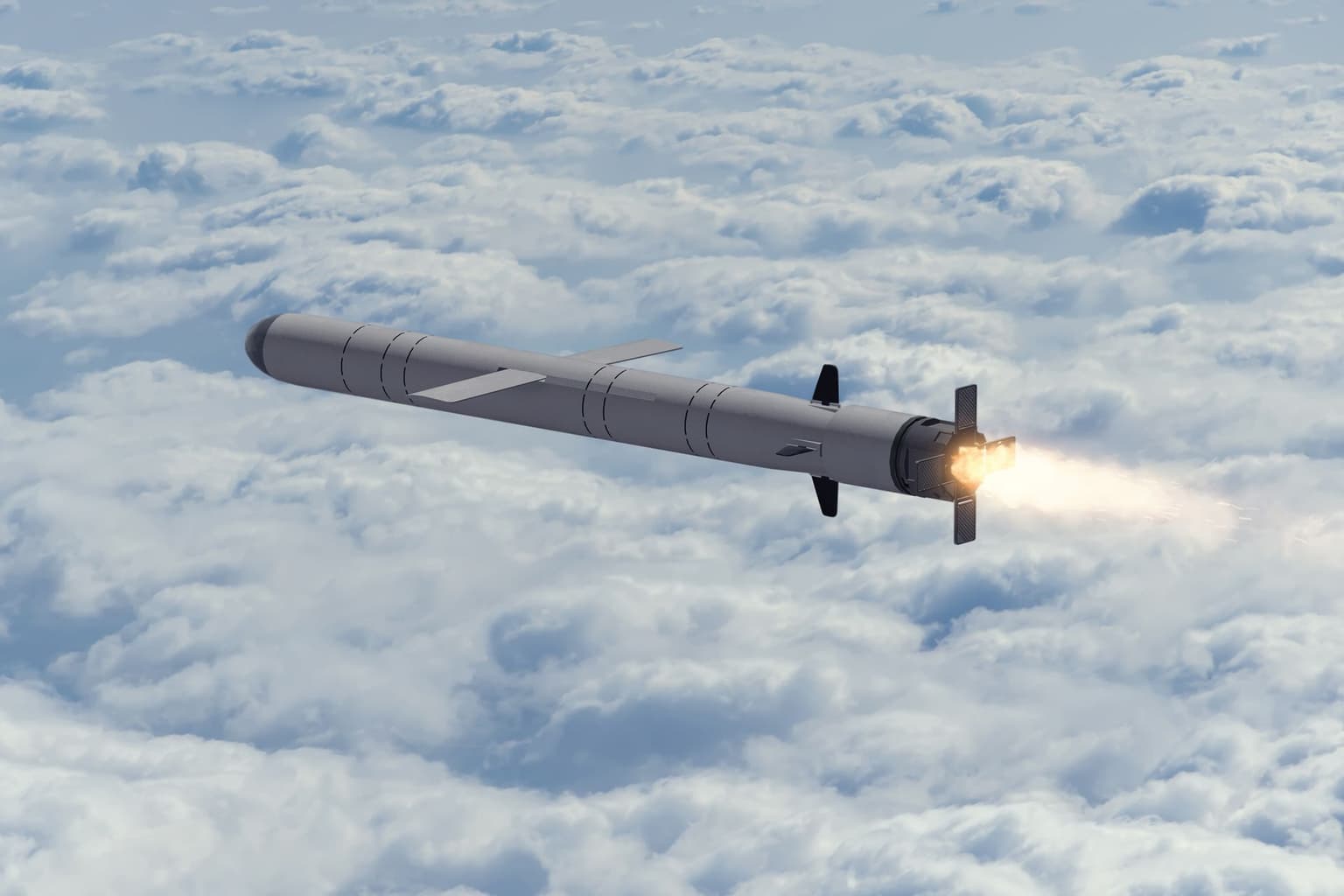
Russia is using imported raw materials from European companies to produce key military equipment, including missiles, according to a new investigation published by the StateWatch think tank and United24 Media on April 3.
The investigation reveals documents that show how cellulose acetate produced by the European company Cerdia is funneled through intermediaries in the tobacco sector, ultimately reaching a Russian factory critical for the production of Kalibr cruise missiles.
The findings highlight the continued presence of Western materials in Moscow's weapons, despite years of sanctions.
Cellulose acetate, a chemical compound widely used in the cigarette industry, belongs to a wider class of cellulose derivatives essential to the production of gunpowder and rocket fuel. Russia lacks the capacity to produce cellulose acetate at scale, relying heavily on imports.
The European company Cerdia, a leading global producer of cellulose acetate, sold products to intermediaries that then transferred the supplies to Russia's Perm Powder Plant — a state enterprise that produces rocket fuel and plays a key role in the Kalibr cruise missile production chain. The plant has been sanctioned by the European Union for its contribution to Russia's full-scale war against Ukraine.
A letter to the Perm Powder Plant from Russian missile manufacturer NPO Novator — part of the Almaz-Antey missile conglomerate — discusses the need to use foreign-supplied cellulose acetate due to the lack of Russian equivalents.

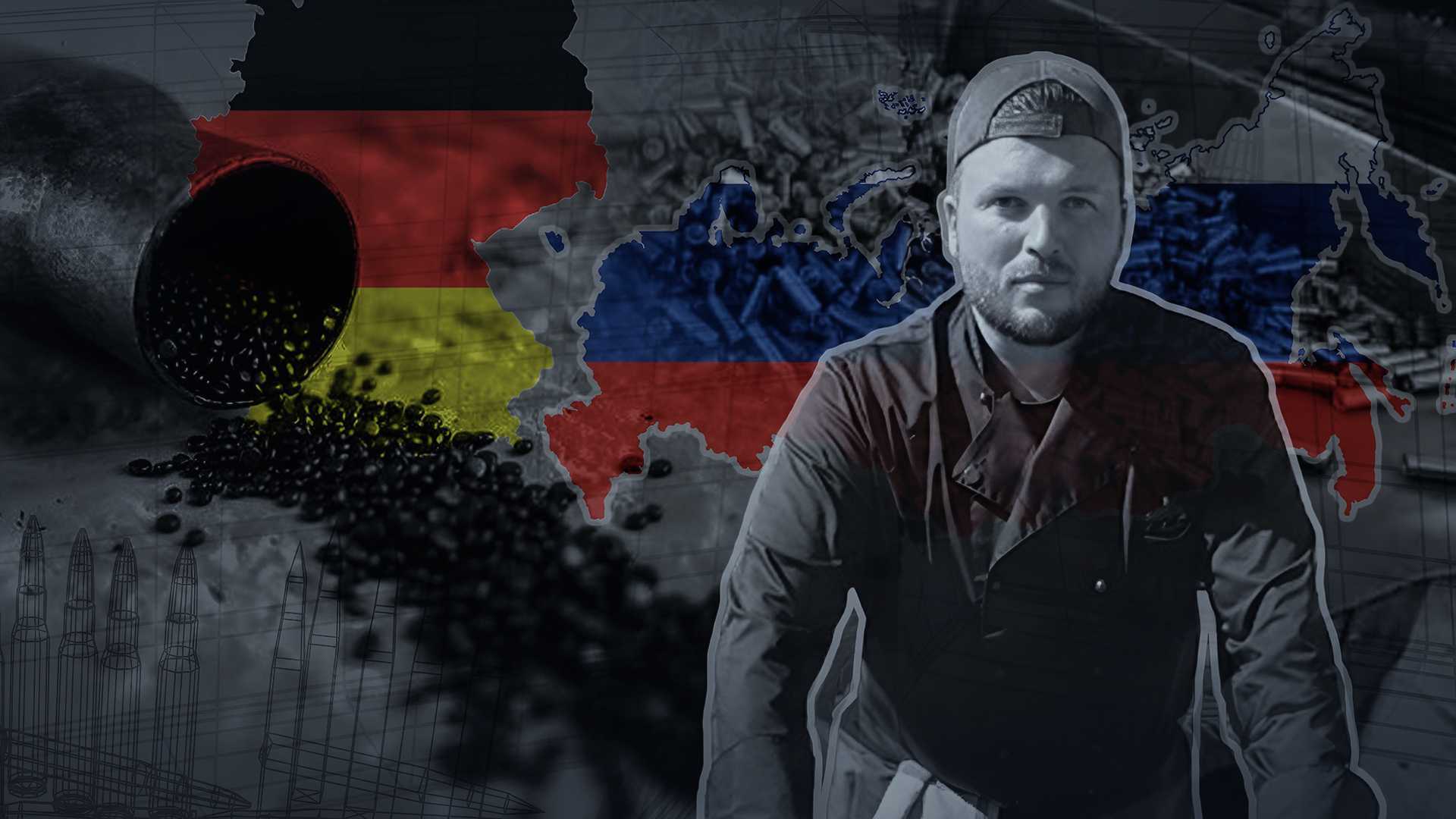
The documents also note that cellulose derivatives are used in the production of multiple Russian weapons, including KAB-500 and -1500 guided aerial bombs, S-300 and Buk air defense systems, and the Yars intercontinental ballistic missile.
Documents obtained by StateWatch, including customs data and internal company contracts, show that materials purchased from European companies made their way to the Perm Powder Plant and were used to produce missiles. This includes least 30 tons of cellulose acetate purchased from Cerdia, the investigation found.
A letter from Cerdia regarding the supply of cellulose acetate flakes was also found in the Perm Powder Plant's records.

Internal contracts point to the key role played by A2 Group LLC, an intermediary that supplies foreign products to the Russian defense industry. The company does not appear as the importer in customs data, but rather purchases cellulose acetate from tobacco firms, the product's primary civilian market.
Russian companies Gulbakhars Rus LLC and Sertov LLC have imported millions of dollars worth of Cerdia products into the country since the start of the full-scale war, the investigation found. Gulbakhars Rus is a tobacco company, while Sertov appears to be the link between civilian imports and Russia's defense industry.
Sertov has confirmed ties to Russian defense firms, including several contracts with the Perm Powder Plant.
The investigation's findings indicate a multi-tiered system of sanctions evasion supplying foreign-made raw materials to the Russian defense industry. Materials are imported to Russia via civilian companies, purchased by intermediaries, and funneled to military production facilities where they end up in the missiles and bombs that attack Ukrainian cities.
While Western countries have banned the export of many dual-use components to Russia, Moscow has adapted to sanctions by relying on third countries, complex schemes, and smuggling networks to obtain restricted goods.
A Kyiv Independent investigation in February revealed that European supply chains are still moving industrial chemicals into Russia's war machine, exploiting loopholes in EU sanctions to keep dual-use chemicals flowing into Russia.