The Russian opposition group helping find Ukrainian civilians captured by Russia
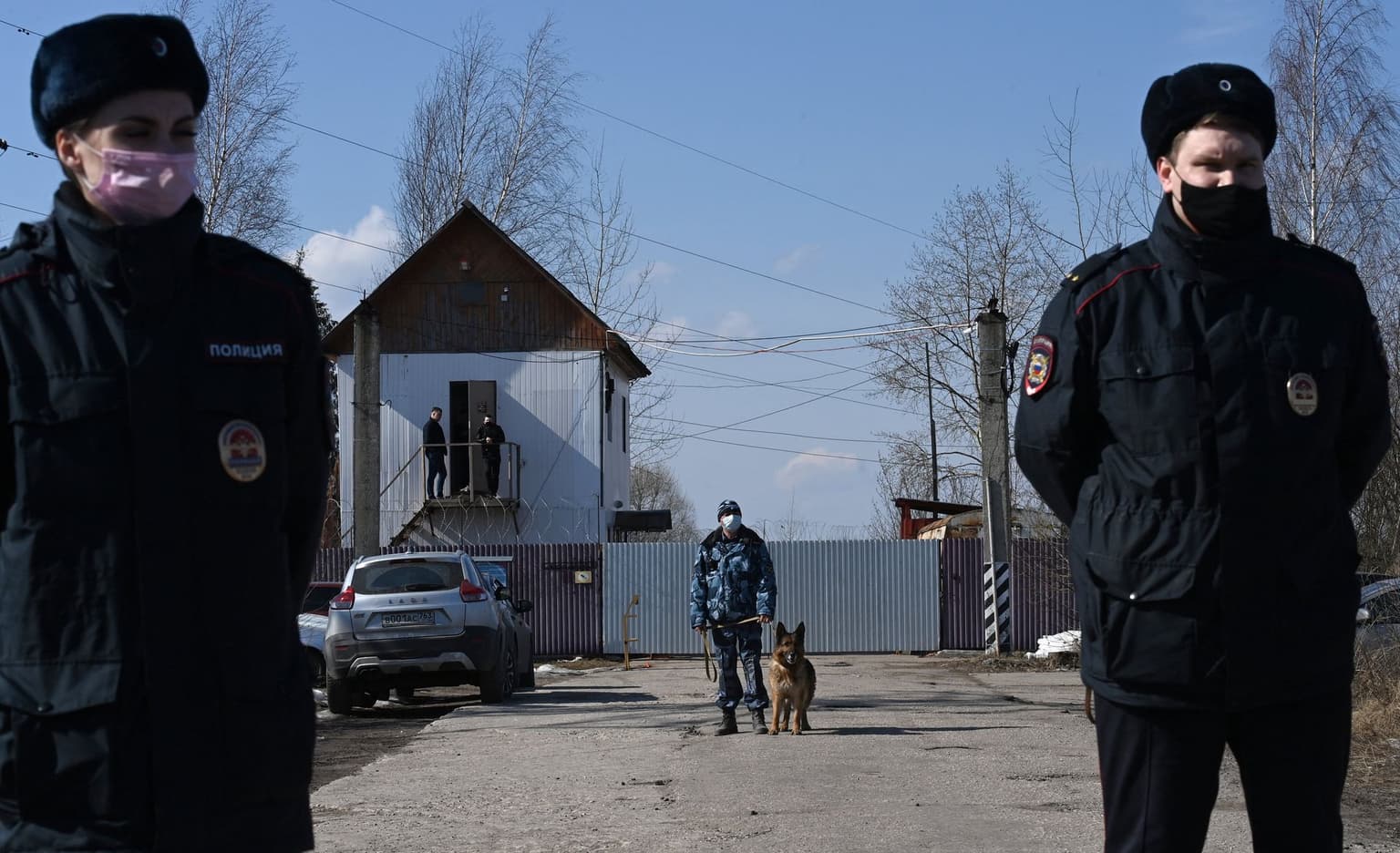
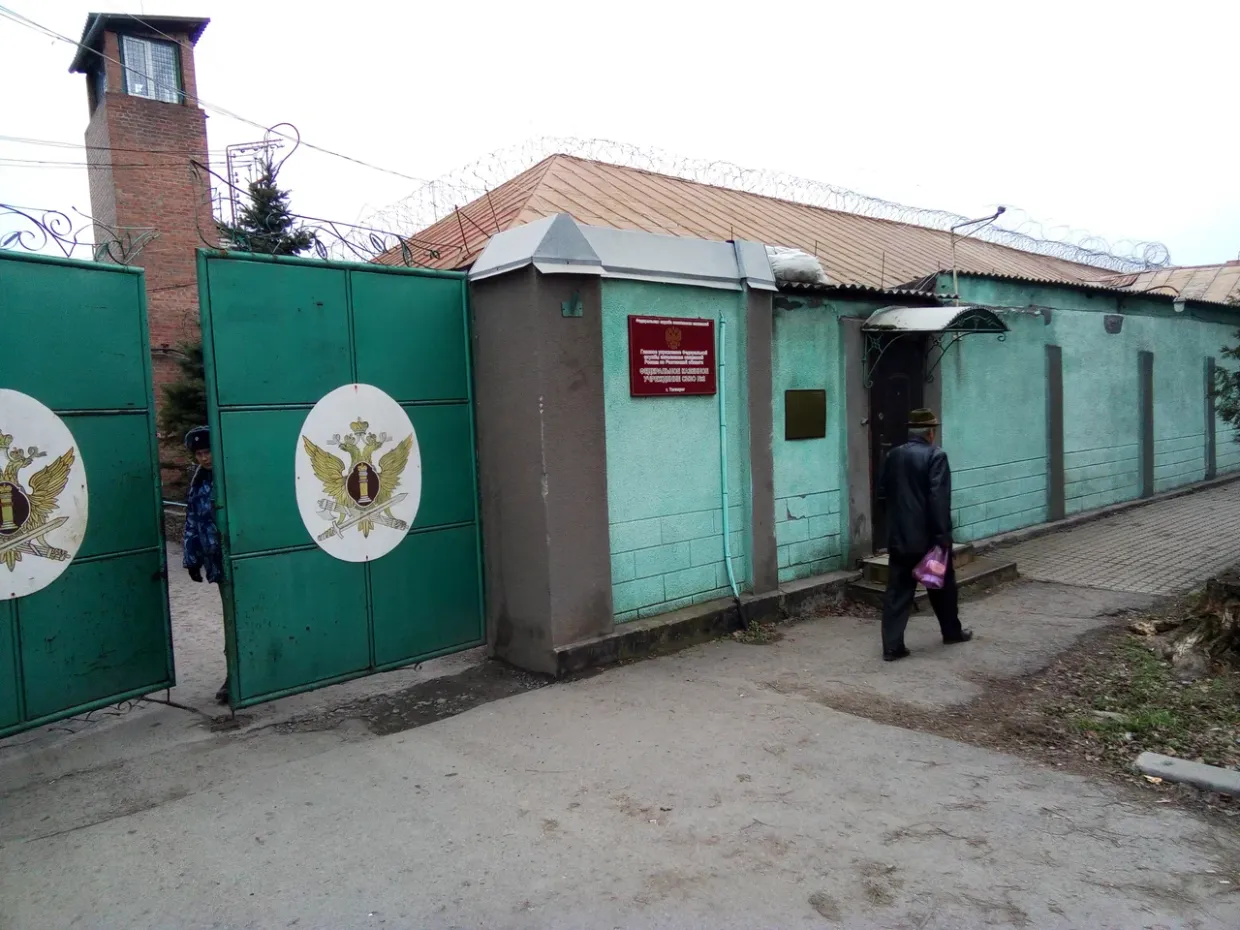
Russian police officers guard the entrance to Penal Colony No. 2, in Pokrov, Russia, on April 6, 2021. (Kirill Kudryavtsev / AFP / Getty Images)
 on Google
When Ukrainian citizens are captured and disappeared into Russian prisons, their families and government often have no way to reach them, let alone help.
Yet, behind the scenes, a network of pro-democracy Russians — some in exile, others still inside the country — work alongside Ukrainian officials to make sure no one is forgotten.
Since Russia’s full-scale invasion began in 2022, the Free Russia Foundation’s “Poshuk.Polon” (“Search.Captivity”) project has worked to track down, document, and advocate for Ukrainians who have been captured, detained, or simply vanished amid the chaos of war.
“Our position is to never stop looking,” Vladimir Zhbankov, the coordinator of the project, told the Kyiv Independent. “In one instance, we searched for three years for one woman — but we finally found her.”
Natalia Arno, president of the Free Russia Foundation, described the project as a priority for the organization.
“For us, nothing is more important than aiding in the return of the Ukrainian hostages and fighting for accountability from those who orchestrated the system of kidnappings and torture, those who fabricated all these cases against Ukrainian citizens," she told the Kyiv Independent.
Under international law, soldiers captured as prisoners of war are guaranteed specific legal protections under the Geneva Conventions. Civilians, meanwhile, aren’t participants in the fighting and must not be arbitrarily detained, coerced, or used as hostages.
However, Russia’s systematic disregard for these legal obligations has led to the detention of both Ukrainian soldiers and civilians. These prisoners are typically accused on fabricated charges for "threatening" Russian national security.
read also
 Myroslava Chaiun
 Yuliia Taradiuk
President Volodymyr Zelensky said in February 2026 that approximately 7,000 Ukrainians are known to be in Russian captivity, around 4,000 of them POWs. The actual number of Ukrainians in Russian prisons may be higher.
According to Zhbankov, tracking down civilian hostages is much harder than finding prisoners of war once they’ve been taken by Russia. The difference, he explains, is that the military has set protocols for what to do when a soldier goes missing.
Any Ukrainian living in the occupied territories faces the risk of being detained by Russian authorities — but that risk is even higher for anyone with even the slightest connection to the Ukrainian military, government, or civic groups.
Once a Ukrainian is detained by Russian authorities, their initial detention period can last from days to even years, during which they are routinely subjected to torture aimed at extracting false confessions or the forced implication of other innocent people.

Throughout this time, detainees are not officially registered in the Russian criminal system as legal offenders, making it impossible for their families or advocates to communicate with them.
Traveling across the world’s largest country can feel like crossing an entire continent. Still, the human rights advocates and independent lawyers working with the “Poshuk.Polon” project cover Russia’s vast territory searching for Ukrainian prisoners — fully aware that, most of the time, detention centers will deny holding them unless there’s an official criminal case, even if the prisoners are actually there.
“Even though they are physically located on Russian territory, they have no legal status during this period,” Zhbankov said.
“They exist as shadows — neither alive nor dead. The Russian authorities during this period do whatever they want to them.”
In a darkly ironic way, Zhbankov says, a criminal case can actually be a “blessing” for his team when it comes to finding Ukrainian prisoners.
The charges are always bogus and carry the threat of 10 years to life for people who’ve done nothing wrong — but at least then, independent lawyers are finally able to step in and provide real legal assistance.
“They aren’t afforded many rights, but it is still better than it was before,” Zhbankov explained. “Prior to that, they aren’t even treated as human beings.”
An independent lawyer can help save the life of a Ukrainian prisoner by pushing prison officials to provide medical care, challenging rights violations, and making sure packages from family get through.
But only Russian lawyers are legally allowed to represent Ukrainians held in Russian prisons.
“The value (in the grand scheme of ongoing efforts) is that these people really have certain opportunities (to help us) from within the Russian Federation,” Petro Yatsenko, spokesperson of the Coordination Headquarters for the Treatment of POWs, told the Kyiv Independent.
Russia’s legal community is “quite small,” according to Zhbankov — and the number of lawyers who focus on criminal cases is even smaller.
Still, there are independent lawyers inside Russia who are willing to work with the Free Russia Foundation’s “Poshuk.Polon” project by legally representing Ukrainian prisoners, even though it puts their own safety at serious risk.
“This work can only be described as the Sword of Damocles,” Zhbankov explained. “The Russian state sees any help to Ukrainians (during the war) as treasonous.”
“And so these are extremely brave people and they understand all the risks and sacrifices involved in the work that they do.”
Note from the author:
Hi, Kate Tsurkan here, thanks for reading my latest article. I was really intrigued when I first heard about this project, having previously done some reporting on Ukrainian prisoners held by Russia. It's important that we don't forget them and acknowledge the important work people are doing to help them and bring their oppressors to justice. If you like reading about this sort of thing, please consider supporting The Kyiv Independent.