'Hidden hand of Putin' behind Iranian drone attacks in Middle East, UK Defense Secretary says
 on Google
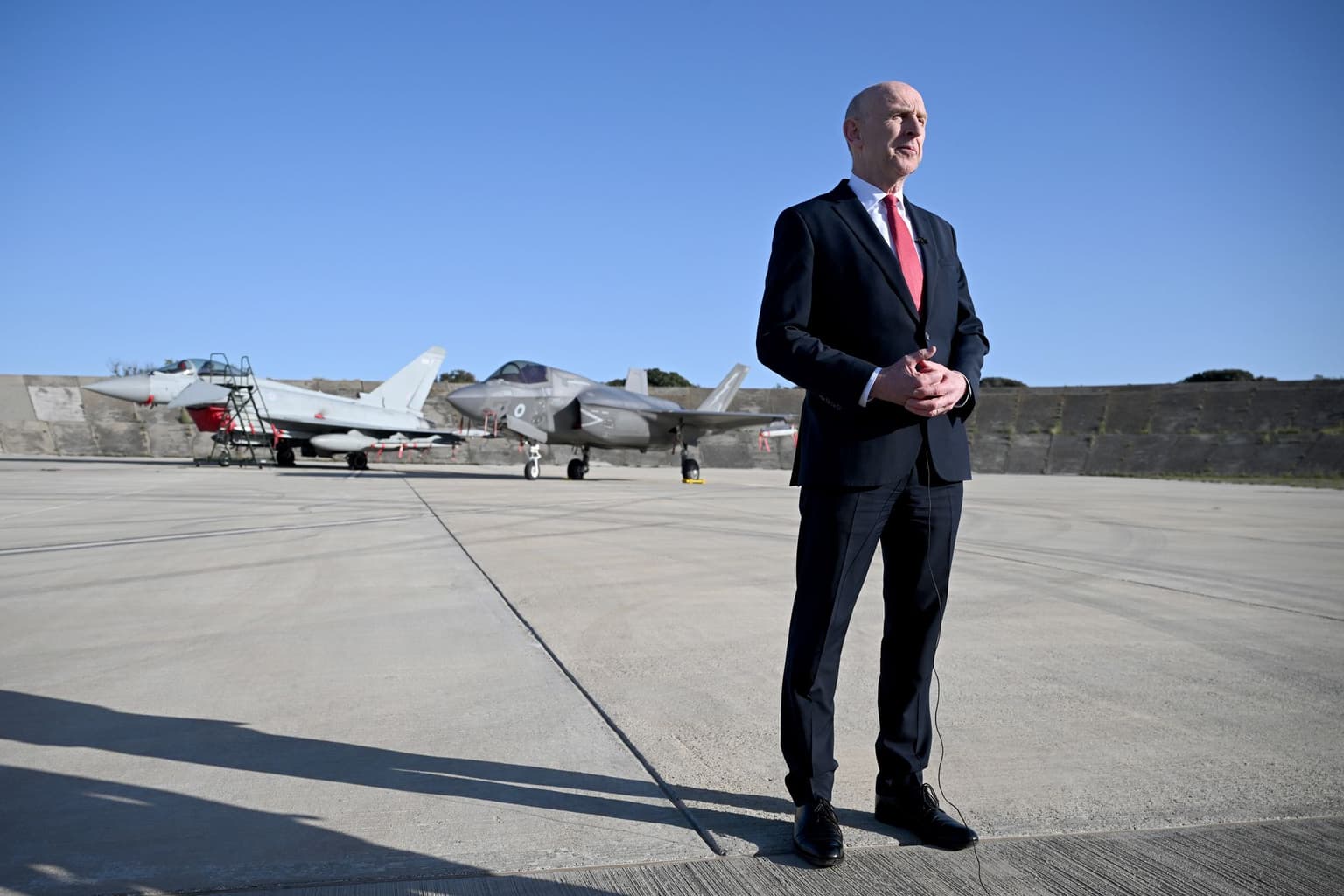
The "hidden hand" of Russian President Vladimir Putin is behind Iranian attacks in the Middle East, U.K. Defense Secretary John Healey said on March 12, after a drone strike on a British military base in Erbil, northern Iraq.
"I think no one will be surprised to believe that Putin’s hidden hand is behind some of the Iranian tactics and potentially some of their capabilities as well," he said.
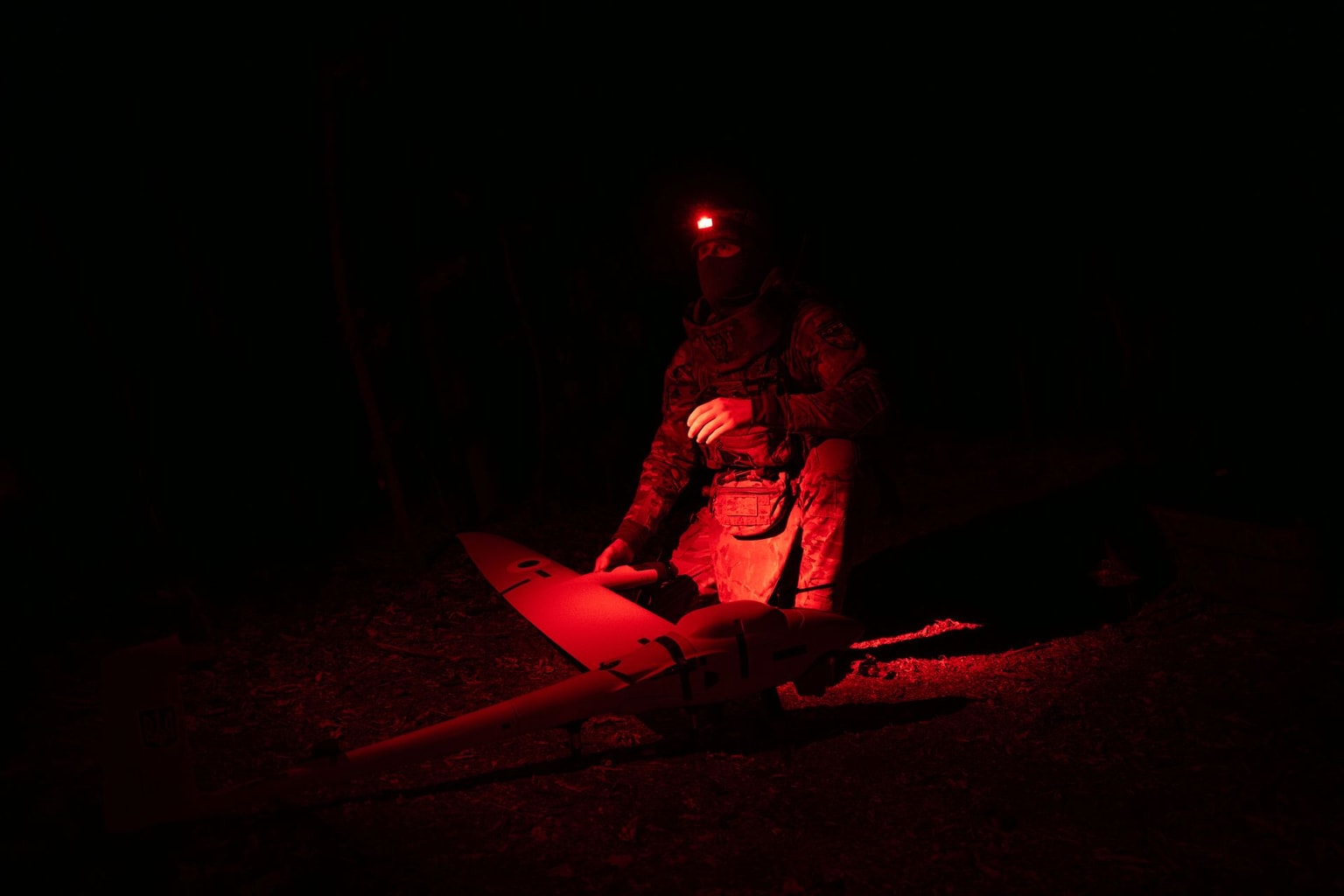
British military officials told Healey Iranian drones were "flying them much lower, and therefore they were more effective," mirroring the evolved tactics Russian drones use when targeting Ukraine.
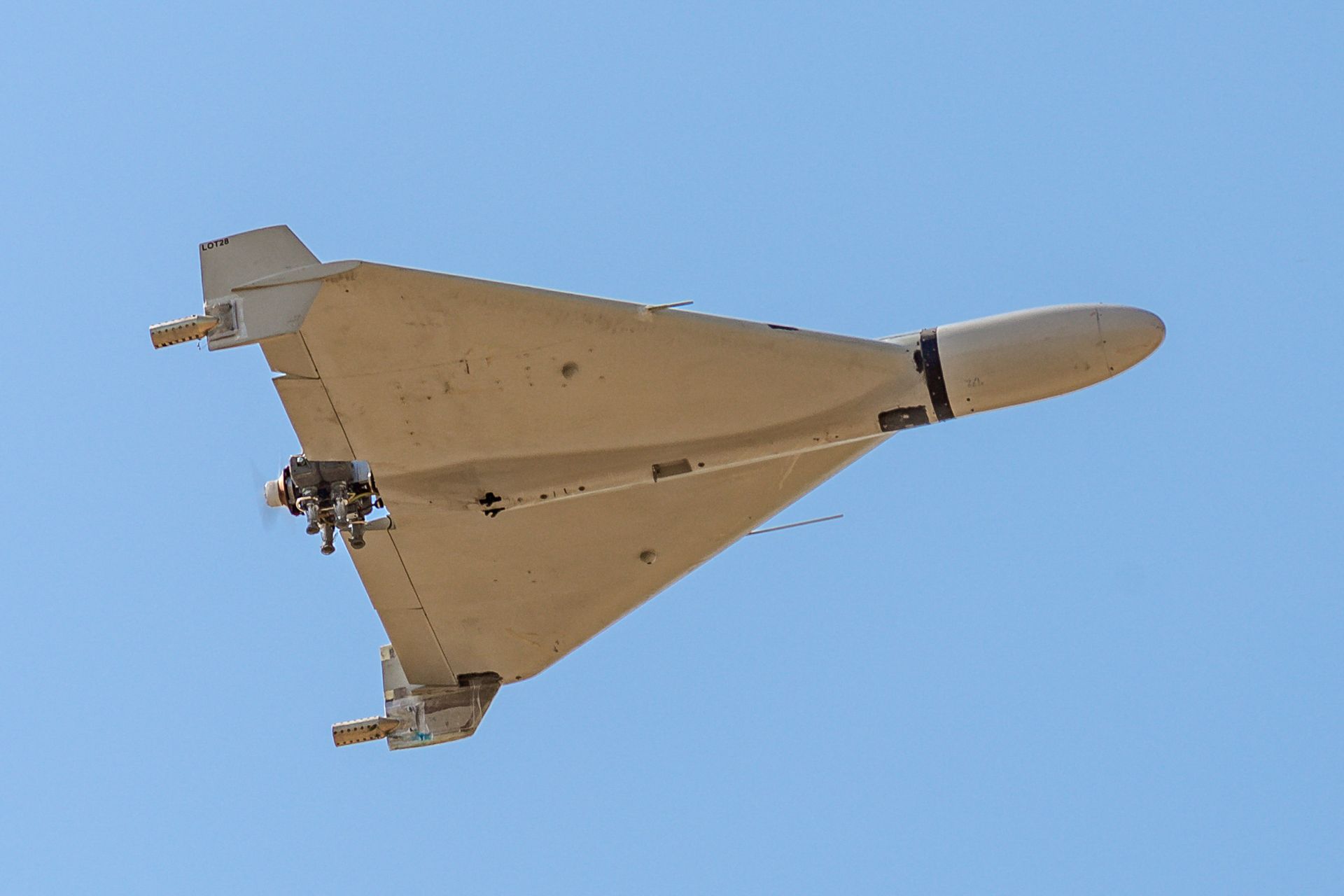
The comments come as countries in the Middle East face growing attacks from Iranian-made Shahed drones following the U.S.-Israeli war against Iran that began on Feb. 28.
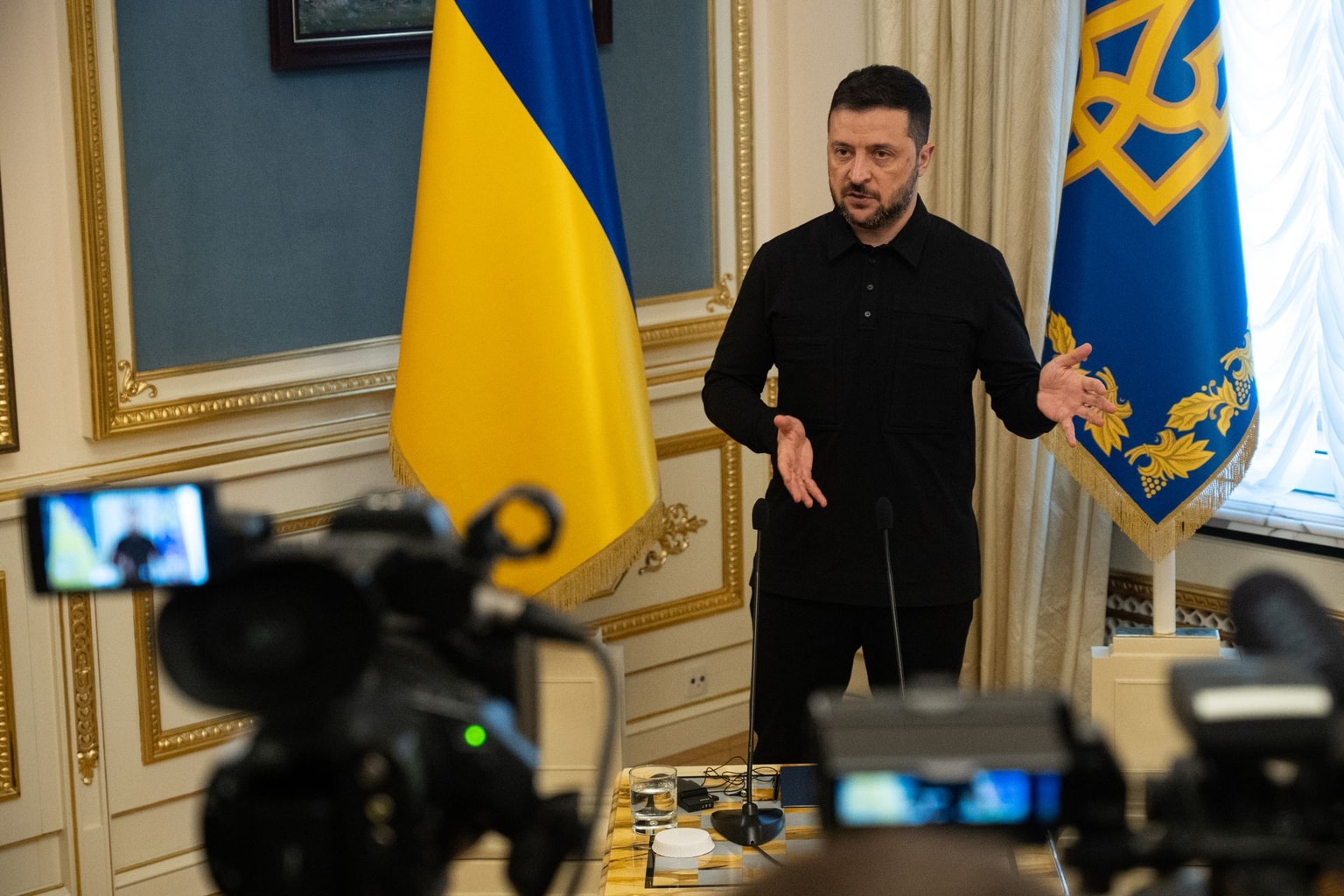
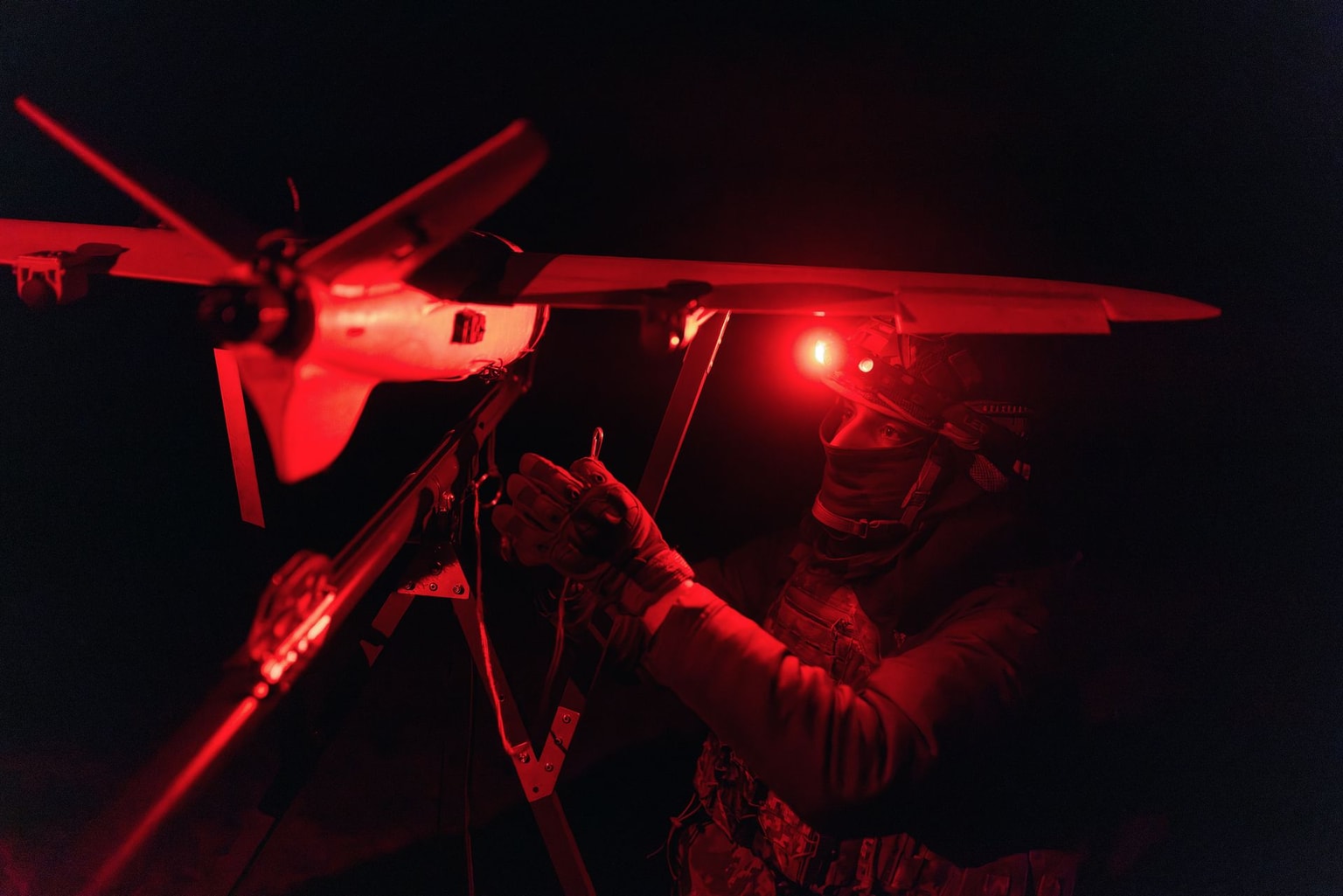
Ukraine, which has spent years defending its cities and infrastructure from large-scale Russian attacks using Shahed-type drones, has offered to share its experience in countering cheap long-range UAVs.
Healey also highlighted how Russia was benefitting financially from the U.S. war with Iran, saying Putin is "benefiting from sky-high oil prices at the moment," which "helps him with a fresh supply of funds for his brutal war in Ukraine."
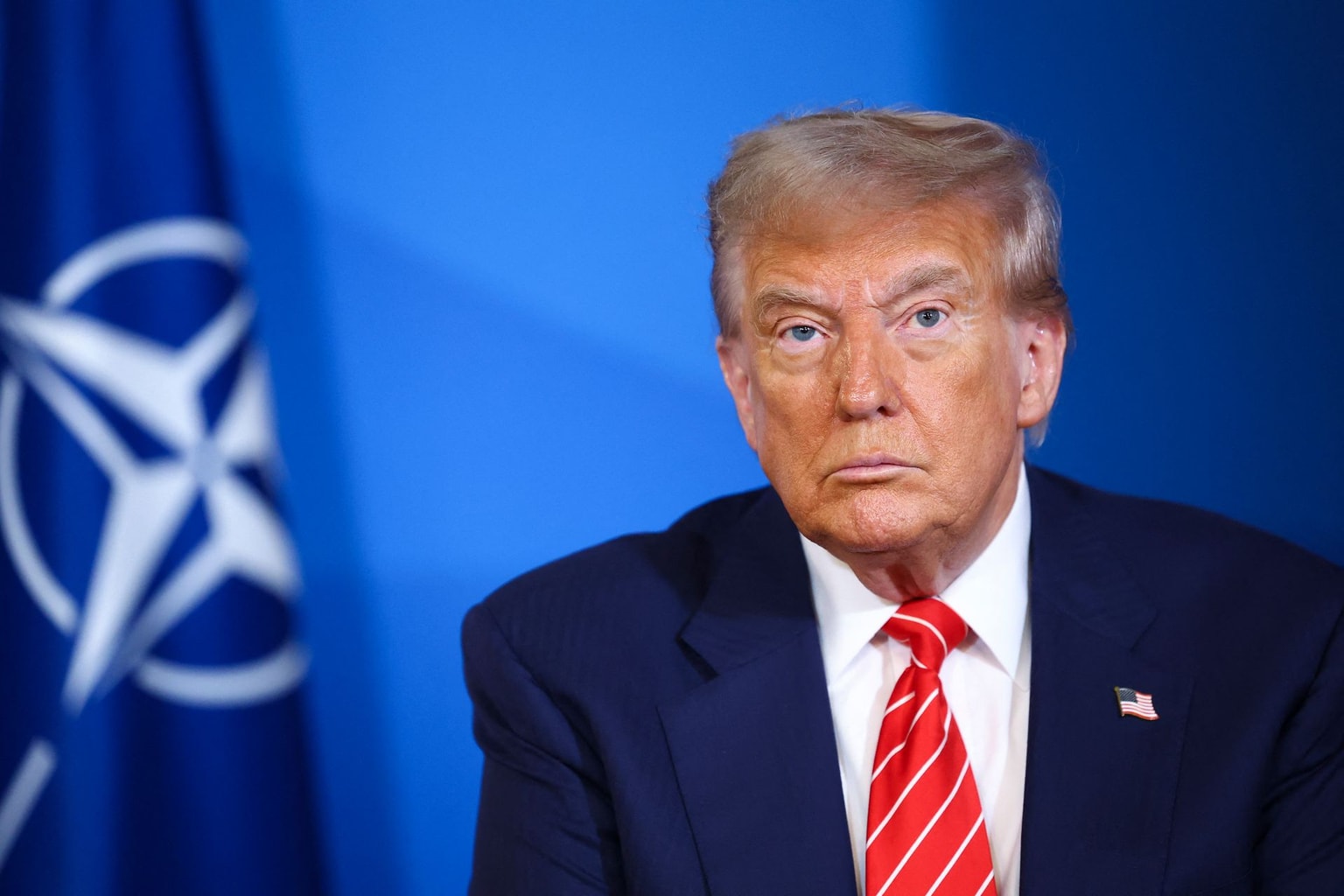
Russia's increased oil revenues look set to further rise after the U.S. Treasury Department issued a temporary license on March 12 to allow countries to purchase Russian oil currently stranded at sea, in an effort to stabilize global energy prices as the war with Iran drives markets higher.
The move marks a shift in Washington's sanctions enforcement as the escalating conflict in the Middle East threatens global oil supply and economic stability.
In a statement on X, U.S. Treasury Secretary Scott Bessent called the temporary authorization a "narrowly tailored, short-term measure," which applied "only to oil already in transit."
Bessent further claimed that it "will not provide significant financial benefit to the Russian government, which derives the majority of its energy revenue from taxes assessed at the point of extraction."
Global oil and gas prices surged after the U.S. and Israel launched strikes on Iran on Feb. 28. In response, Tehran closed the Strait of Hormuz, a route that carries roughly 20% of the world's oil supply.