European coastal countries warn Russia's shadow fleet, step up maritime safety
 on Google
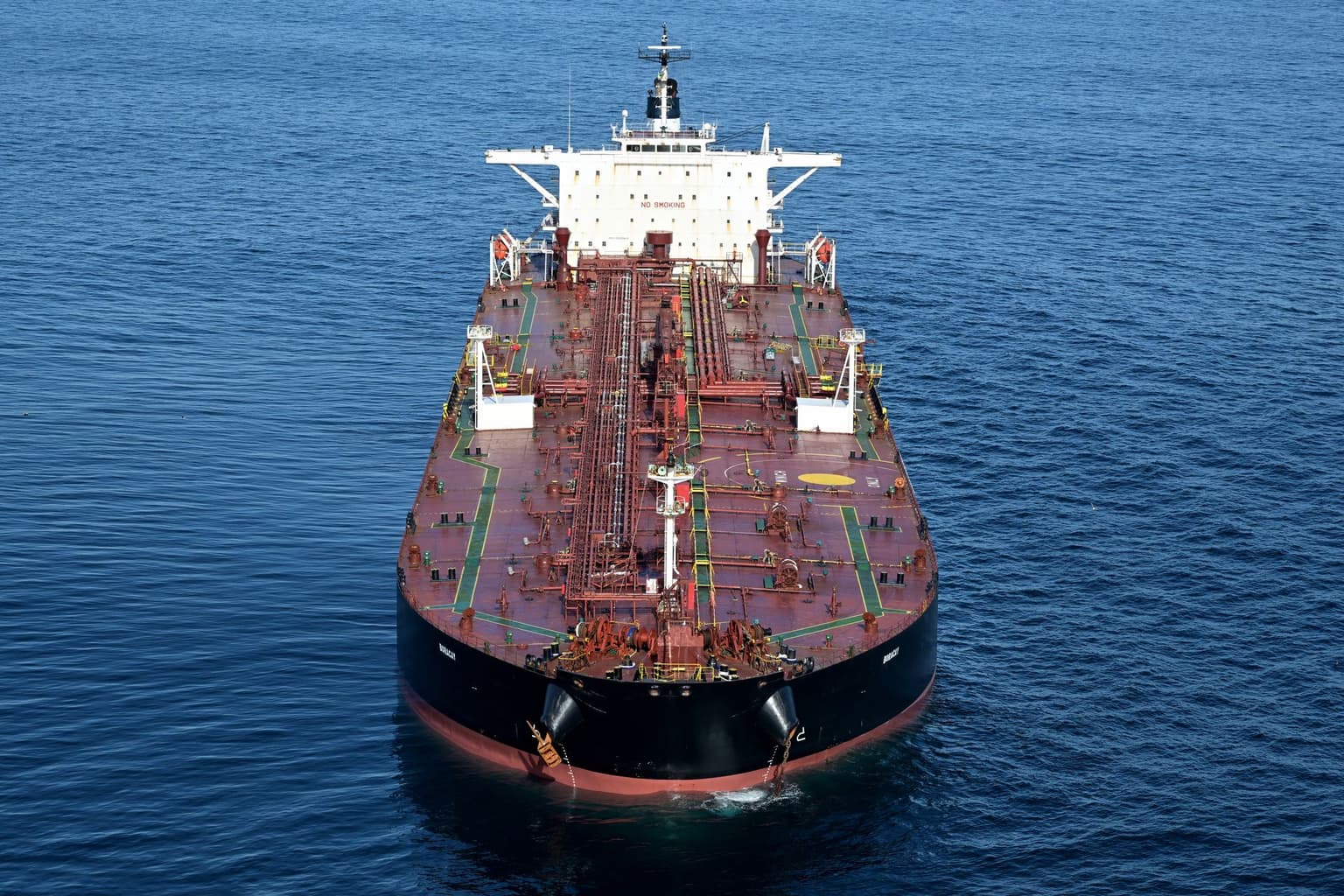
Fourteen European countries warned on Jan. 26 that ships sailing in the Baltic Sea and North Sea under multiple flags may be treated as stateless vessels, part of a crackdown against Moscow's shadow fleet.
All vessels must maintain valid documentation, communication with relevant authorities, and follow safety rules and international regulations, according to a joint statement by Germany, France, the Nordic and Baltic countries, the Netherlands, Belgium, the U.K., and Poland.
The measures are designed to "uphold and strengthen maritime safety in the Baltic Sea and North Sea region," the countries said days after French forces boarded a shadow fleet tanker in the Mediterranean.
The shadow fleet is a group of aging, poorly insured tankers that Moscow uses to evade international sanctions.
Western governments have linked the fleet to Russian-backed hybrid operations, while experts say it poses environmental risks due to an increased likelihood of oil spills.
Several Russia-linked shadow tankers were detained in recent weeks by the U.S. as part of Washington's crackdown on the Venezuelan oil trade. This included a ship sailing under a Russian flag that the U.S. deemed to be flying a false flag and therefore a stateless vessel.
The European coastal countries also warned of growing Russian-linked interference in the Global Navigation Satellite System (GNSS) in the Baltic Sea region.
"These disturbances, originating from the Russian Federation, degrade the safety of international shipping. All vessels are at risk," the statement read.
The European nations urged the international community to recognize GNSS interference and Automatic Identification System (AIS) manipulation as "threats to maritime safety and security" and develop alternative systems in the event of GNSS disruptions.
Western officials have repeatedly warned about Russia carrying out GPS jamming and radar interference across NATO's eastern flank, a move seen as part of Moscow's hybrid warfare.