EU's Nordic, Baltic members reportedly urge lowering of Russian oil price cap
 on Google
Sweden, Denmark, Finland, Latvia, Lithuania, and Estonia have urged the European Commission to further decrease the $60 per barrel price cap on Russian oil set by the G7, Reuters reported on Jan. 13, citing their joint letter seen by the news agency.
The countries argue that a lower cap would further restrict Russia's ability to finance its war against Ukraine while avoiding significant disruptions to global oil markets.
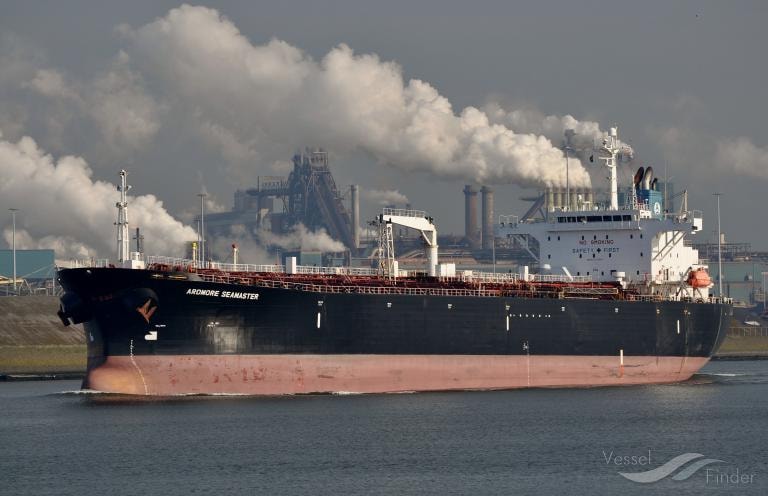
Under current terms, Western companies can insure and transport Russian oil only if sold below the cap. In their letter to the European Commission, the six nations reportedly emphasized the need to "further increase the impact of our sanctions by lowering the G7 oil price cap."
The G7 initially implemented the cap to reduce Moscow's oil revenues while maintaining stability in global markets. With forecasts of a global oil surplus in 2025 and softening prices, the G7 may consider more stringent measures.
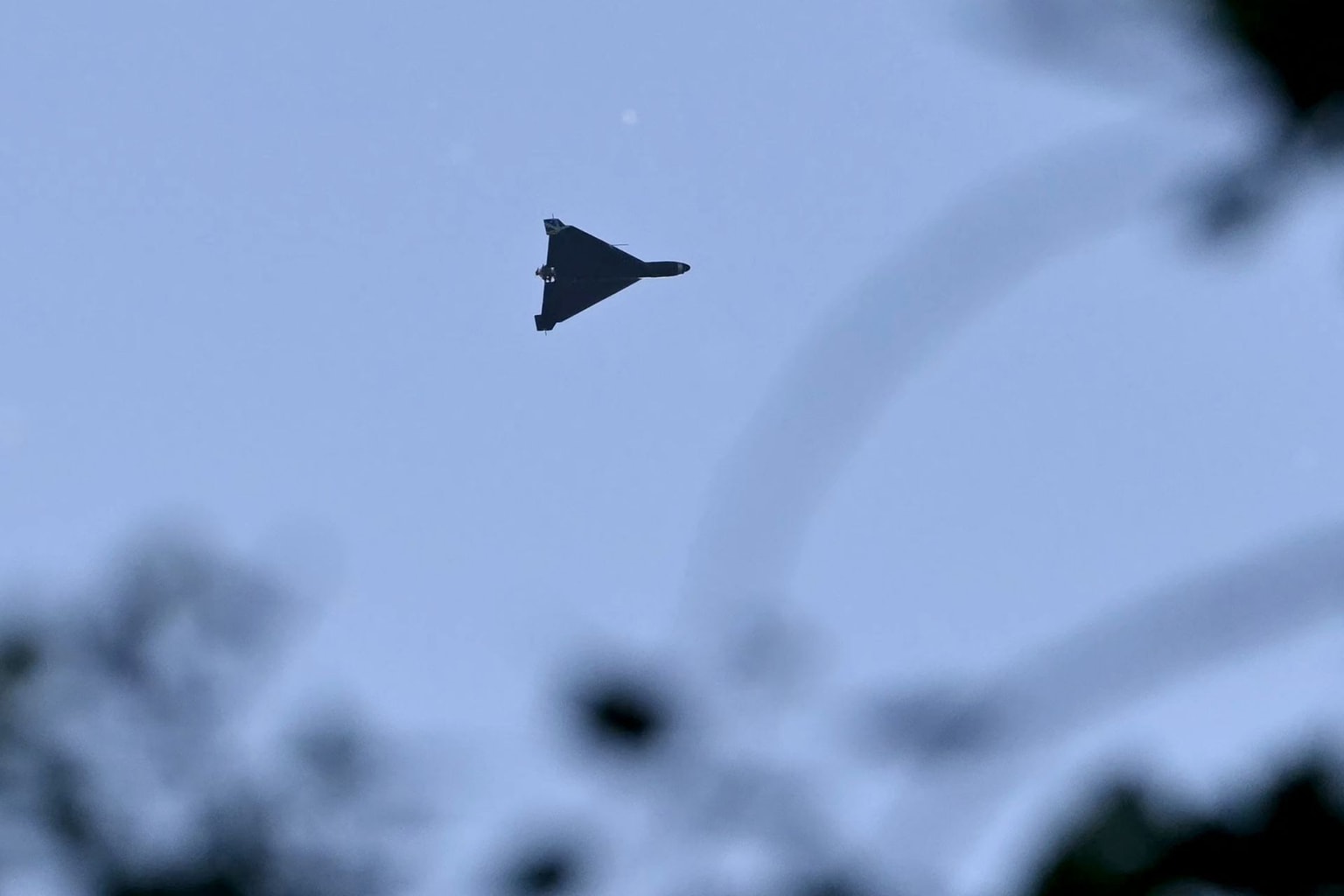
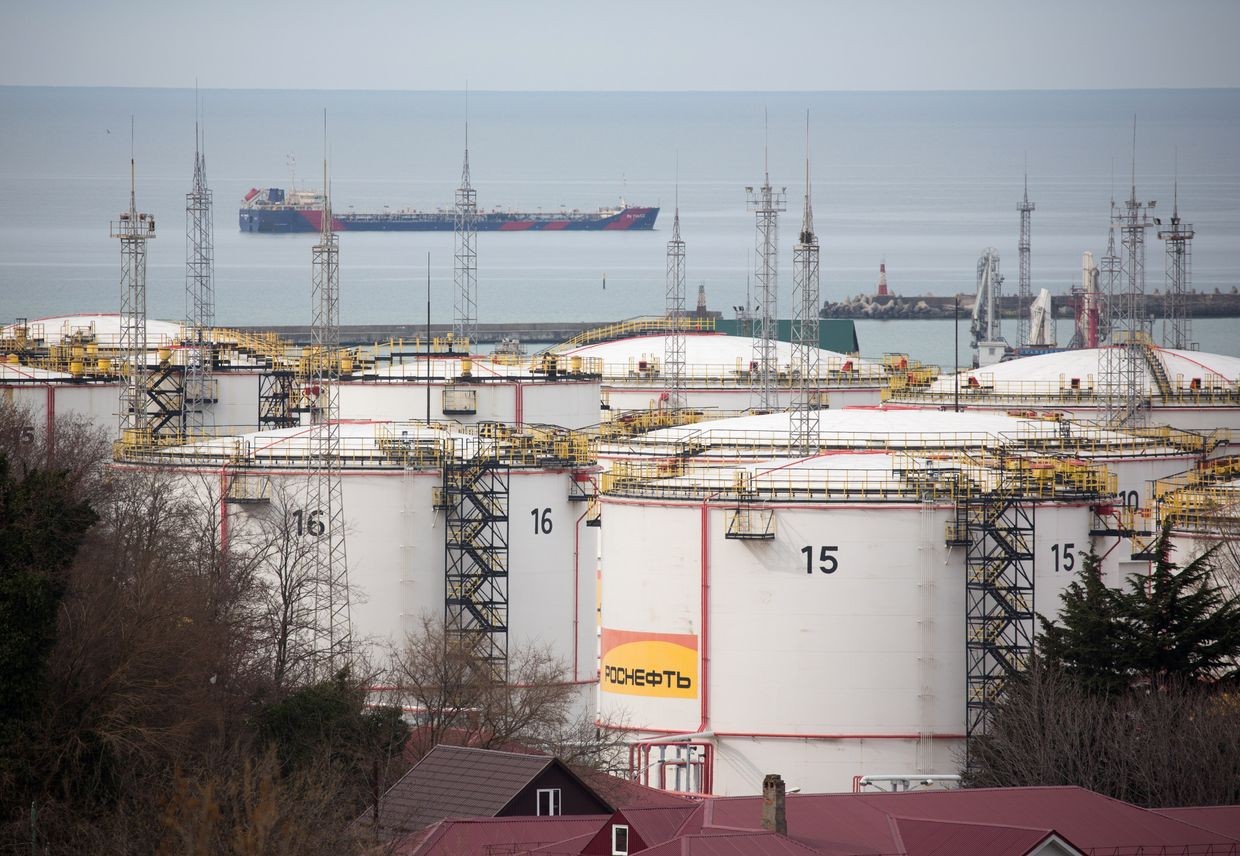
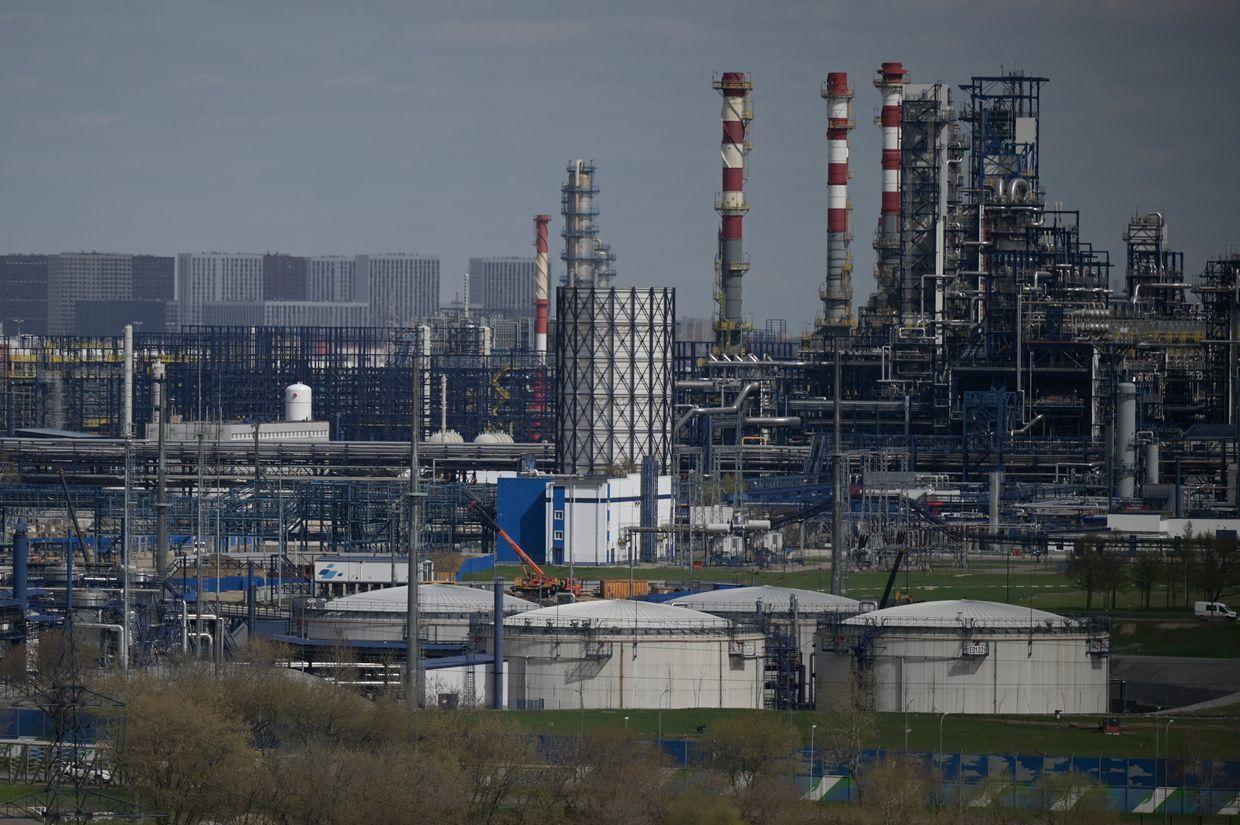
Sanctions and Ukrainian drone strikes have already disrupted Russia's oil production, with refineries in Tuapse, Ilyich, and Novoshakhtinsk reducing or halting operations. These pressures have forced Russia's energy sector to sell oil at a discount and operate under high interest rates, further straining its capacity.
The call to lower the price cap reflects ongoing efforts by European nations to maximize economic pressure on Russia while supporting Ukraine's defense against aggression.