Analysis: Syrskyi's flawed, unfinished corps system key for Ukraine's front-line stability
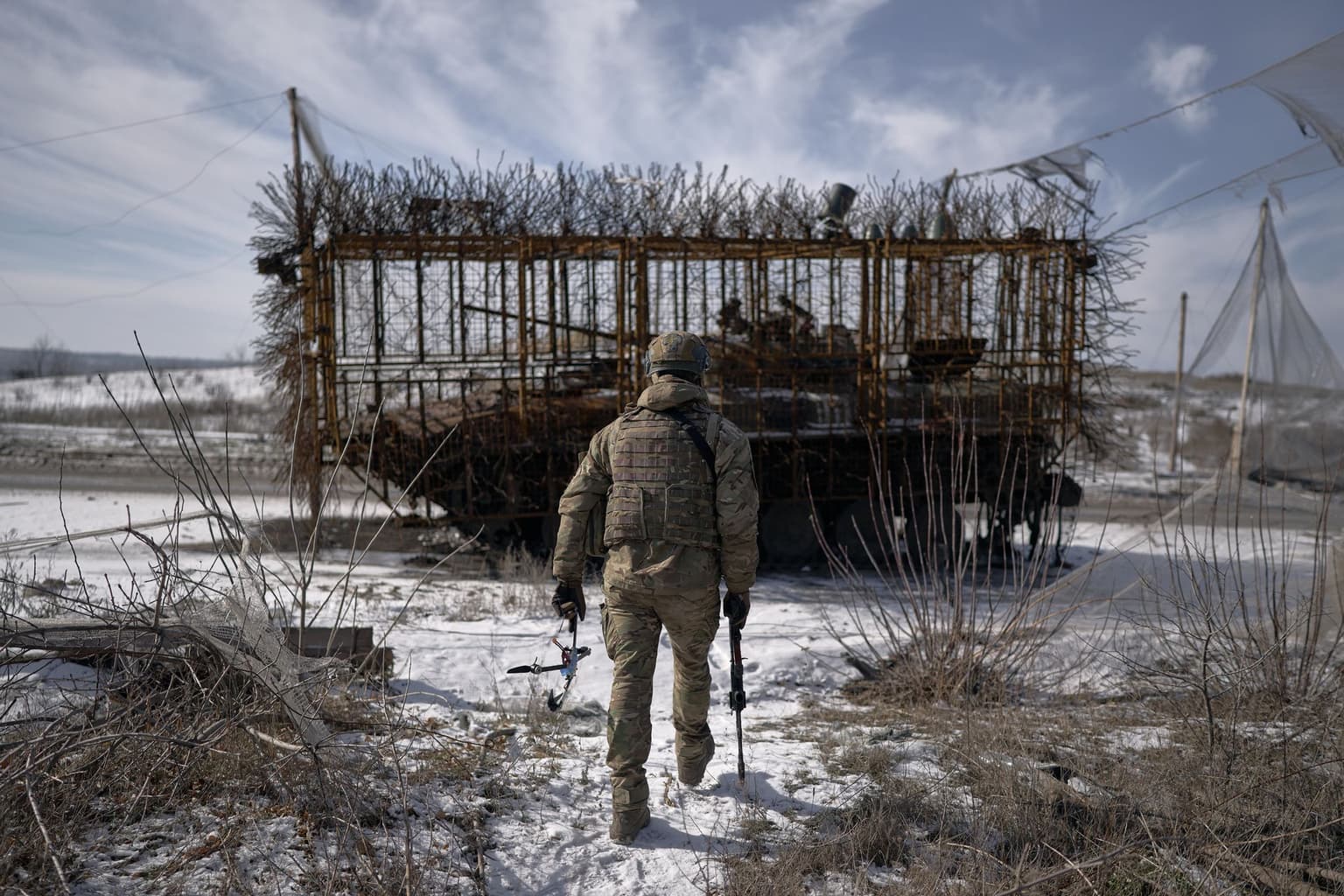
A soldier approaches a drone-protected armored vehicle on a road between Druzhkivka and Kostiantynivka near the front line in Donetsk Oblast, Ukraine, on Feb. 11, 2026. (Kostiantyn Liberov / Libkos / Getty Images)
 on Google
The best time to plant a tree was 20 years ago. The second best time is now.
Whether or not this apparent Chinese proverb is authentic, it applies for the Ukrainian military's corps reform as much as it does for trees.
The Ukrainian leadership's announcement in February 2025 that its Armed Forces and National Guard would transition to a corps-based command system sparked a glimmer of hope that the chronic command issues plaguing the country's defense could be alleviated, if not solved.
The changes meant that instead of holding Ukraine's 1,000+ km-long front line in an overstretched and chaotic string, brigades would unite in command groups of around 3-6 brigades, under a new corps leadership structure that would be directly responsible for their units.
Now, a year in, the reforms' results have been mixed, as expected.
As of early 2026, 18 corps have formed within Ukraine's land forces, 16 of which fall under the Armed Forces (including the Marine Corps and one Air Assault Corps, the 7th), while the other two are in Ukraine's National Guard.
But due to the overstretched nature of the Ukrainian defense, most corps still do not command all the native brigades assigned to them on paper. Instead, they command sectors of the front line, which usually include brigades belonging to other corps.
Untangling the chain is proving a challenge; with Ukraine's military lacking strategic reserves and the battlefield patrolled by Russian drones 24/7, any major unit rotation remains extremely fraught, and has led in the past to enemy breakthroughs.
On Feb. 10, Ukraine's Commander-in-Chief Oleksandr Syrskyi announced that the "second stage" of the corps reforms was underway, continuing to bring corps' brigades together, and expanding the separate artillery and drone components of each corps to brigade and regiment level respectively.
As drawn out and inconsistent as the process has been, the corps reforms, when paired with an overall shift in command mentality, will be crucial to retaining a coherent, coordinated defense going forward.
Facing reality
The decision to enact the corps reform came at a tumultuous point in the war.
Syrskyi had been at his post for a year; a year in which Ukraine had been — for the most part — overstretched and on the defensive.
Gathering pace over summer and autumn before stabilizing over winter, Russian forces had overrun most of the remaining Ukrainian-controlled territory in southern Donetsk Oblast and were bearing down on the city of Pokrovsk. Other sectors of the front line, including the once-liberated cities of Kupiansk and Lyman, also saw significant advances.
The only exception to the trend was in Russia's Kursk Oblast, but there the memories of the early incursion's emotional highs gave way to despair.
Ukrainian units clung desperately onto the shrinking salient, assaulted from all sides by North Korean troops while elite Russian drone teams using terrifying new fiber optic drones hunted the few logistics routes across the border.

Meanwhile, across the Atlantic, Donald Trump's return to the Oval Office meant that Kyiv would likely have to — for the first time since the full-scale invasion — learn to fight without large-scale U.S. military, financial, and political support.
Talk of a complete victory had retreated, and the reality of a tough, attritional war of survival was unescapable.
The way the Ukrainian military was running that defense would be key for the course of the war, and was already coming under increasing criticism from outspoken commanders, volunteers, and thought leaders.
Reflecting the idea that Ukraine's future depended even more on its own internal choices than on outside support, one phrase was being repeated more and more in discussions about the military leadership.
"We change or we perish."
Trust can't be temporary
First and foremost, the corps reforms promised to resolve a central problem in Ukraine's command chain: one of responsibility.
For most of the war until then, brigades reported to and were handed orders by temporary, umbrella command structures, from the Tactical Group (TGr), to the Operational-Tactical Grouping (OTU), and on a strategic level, the Operational Strategic Group of Forces (OSUV).
These structures were temporary, with commanders replaced and rotated at a moment's notice, responsible simply for running the fight in their sector, not for the brigades themselves.
In reality, that meant that on the tactical-operational level, there were often no properly responsible commanders between brigade level and the General Staff itself.
This, under the leadership of General Syrskyi, often led to the much-criticized practice of command "micromanagement," where generals, including Syrskyi himself, found themselves busy with orders concerning one position, or platoon at a time.

Meanwhile, inside the brigade, the practice of chopping and changing brigades to plug holes — often leading to battalions and sometimes even companies split off and fighting on a completely different axis of the front line — led to excess losses.
These assigned units, seen by brigades as expendable reinforcements, were often not preserved by the brigade commanders commanding them.
Coordination between brigades, even those that fought directly adjacent, was also poor, a problem exacerbated by the Soviet-style command culture in the military.
Lost positions were often not reported up the command chain, with commanders fearing both that they could be ordered to cannibalize their unit to find enough infantry to retake it, or worse that they would be investigated or court-martialed. As a result, the neighboring brigade could suddenly find Russian soldiers in their rear, compromising the entire defense of the sector.
Now, with corps commanders taking permanent responsibility for the brigades under their control, these problems should be alleviated, on paper, at least.
Success stories
Three of the corps are built around some of Ukraine's largest, most combat-effective, and most well-known brigades.
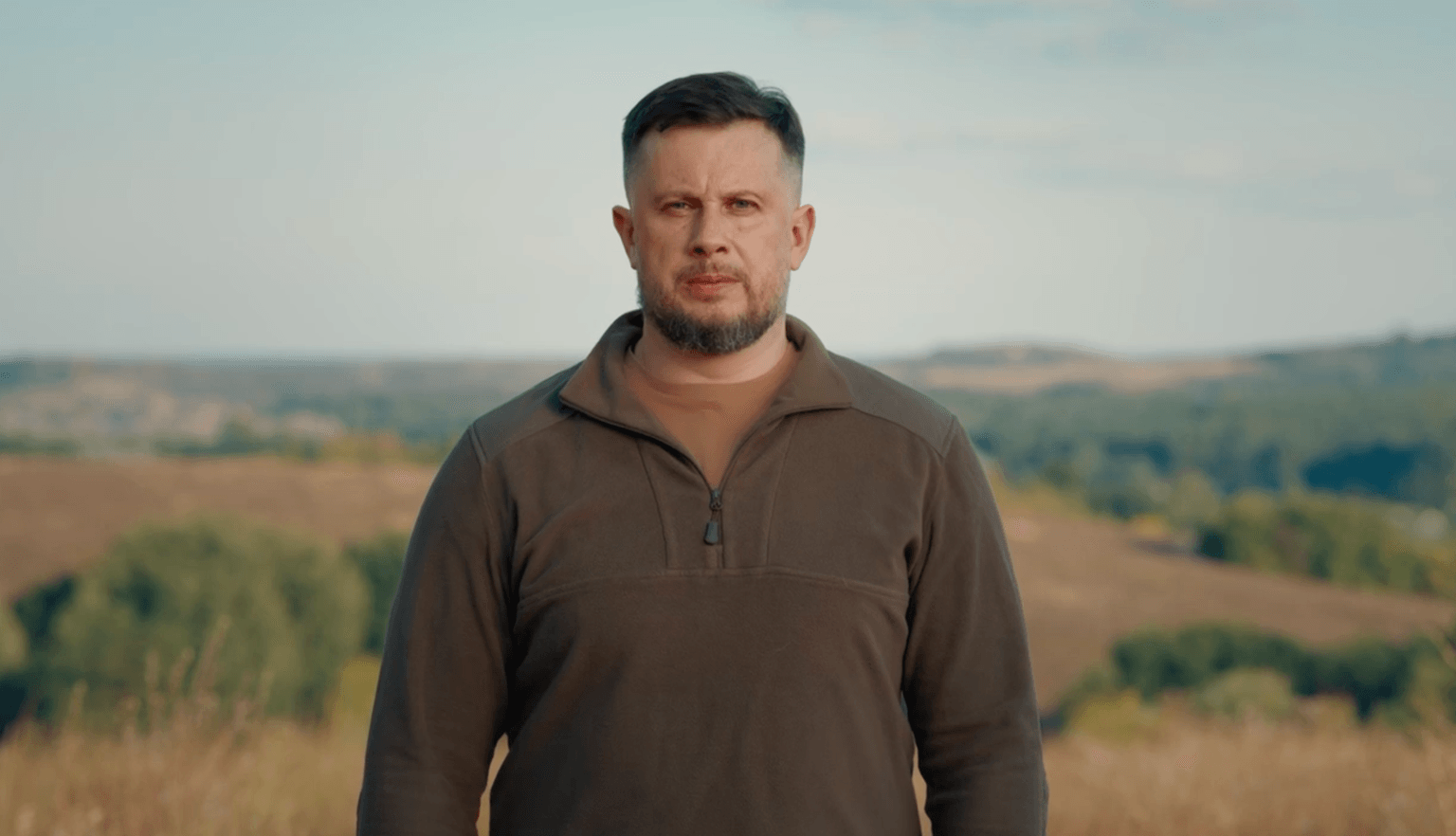
Fighting in and Lyman in northern Donetsk Oblast, with their sector stretching north along the border of Luhansk Oblast, is the Third Army Corps, led by former Azov movement founder Andrii Biletskyi, who later founded the legendary Third Assault Brigade, known across Ukraine for their innovative marketing and fundraising campaigns.
In the heart of Donetsk Oblast, defending the crucial sector between the fortress cities of Pokrovsk and Kostiantynivka, is the 1st Corps of the National Guard, built around the Azov Brigade and led by Denys Prokopenko, one of the most highly-respected commanders both among Ukraine's military and society.

Further north, defending Kharkiv Oblast, is the 2nd Corps of the National Guard, built around the Kharkiv-born Khartiia brigade, known for its progressive values, implementation of NATO standards, and focus on intelligence and data-driven warfare.
In each of these cases, these large and well-resourced brigades have been well-placed to expand and take over a corps, bringing experienced commanders, technology, human capital, and best practices, and spreading them out over the corps level to raise the standard of less capable brigades under their wing, and coordinate a better defense of their sector as a whole.
In their own different ways, each of these three corps have also shown how these reforms can — on a good day — be game-changing for Ukraine's war effort.
Biletsky's 3rd Army Corps, unlike almost all others, has now been able to bring all of its native brigades into one sector, showing the result that could have been if these reforms were enacted earlier, before the overstretching of the military and Russian drone control of the sky made brigade-level rotations much more difficult.
In their sector, despite ferocious Russian attempts to overrun the area east of the Oskil and Siversky Donets rivers and cut off important logistics routes to Donbas, the corps has fought well as a unit and held firm.
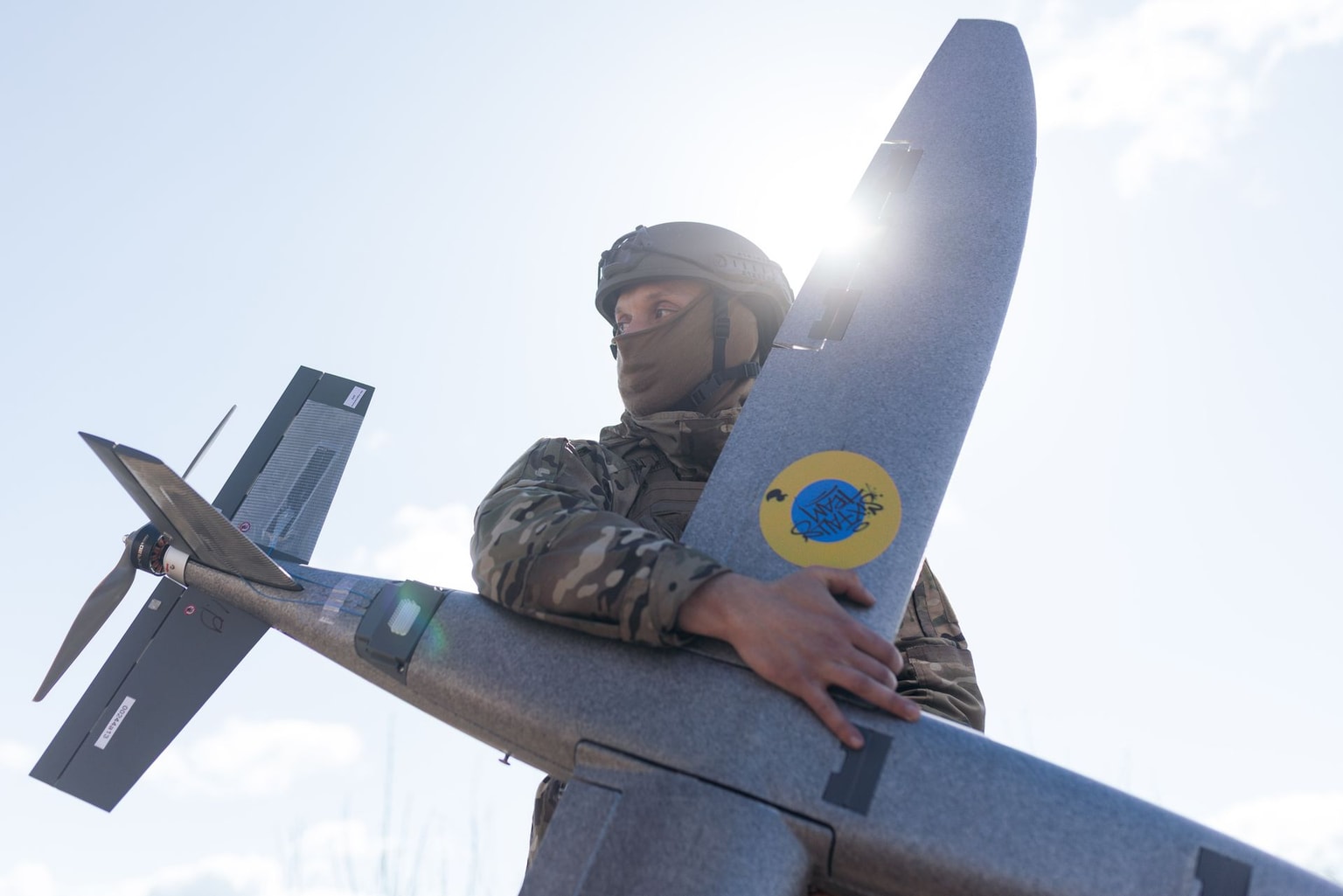
Seeing the need, and with resources available, the 3rd Corps has also become a leader in Ukraine in intercepting Shahed-type long-range strike drones along the front line, long before they approach Ukrainian cities.

After Russian forces infiltrated through Ukrainian lines en masse near the city of Dobropillia in August last year, making an alarmingly deep advance behind Ukrainian lines, the command of Prokopenko's 1st Azov Corps was redeployed to manage the response.
Taking over the Dobropillia sector in the immediate weeks after the Russian penetration, the corps command was running the fight without most of its native units, including the Azov Brigade itself, which was only redeployed later.
Ukraine's success in neutralizing and clearing the Dobropillia breakthrough showed the corps command umbrella itself proved to be a more effective system, even when deployed hastily, without its native forces available.
Meanwhile, the potential for a corps to plan and execute offensive operations even outside its assigned sector was displayed by the Khartiia Corps' successful counterattack and clearing of Kupiansk in Kharkiv Oblast over November and December.
Forming a battalion tactical group on the foundation of the Khartiia Brigade's own forces, complemented by other brigades, separate drone units, and assault regiments all in the hands of corps commander Ihor Obolienskyi, the Ukrainian force cut off the corridor Russia was using to overrun the city and then began clearing the urban area itself.
The offensive showed the forward-thinking ability of Khartia to look for and exploit broader strategic opportunities while the defense of its own sector was stable.
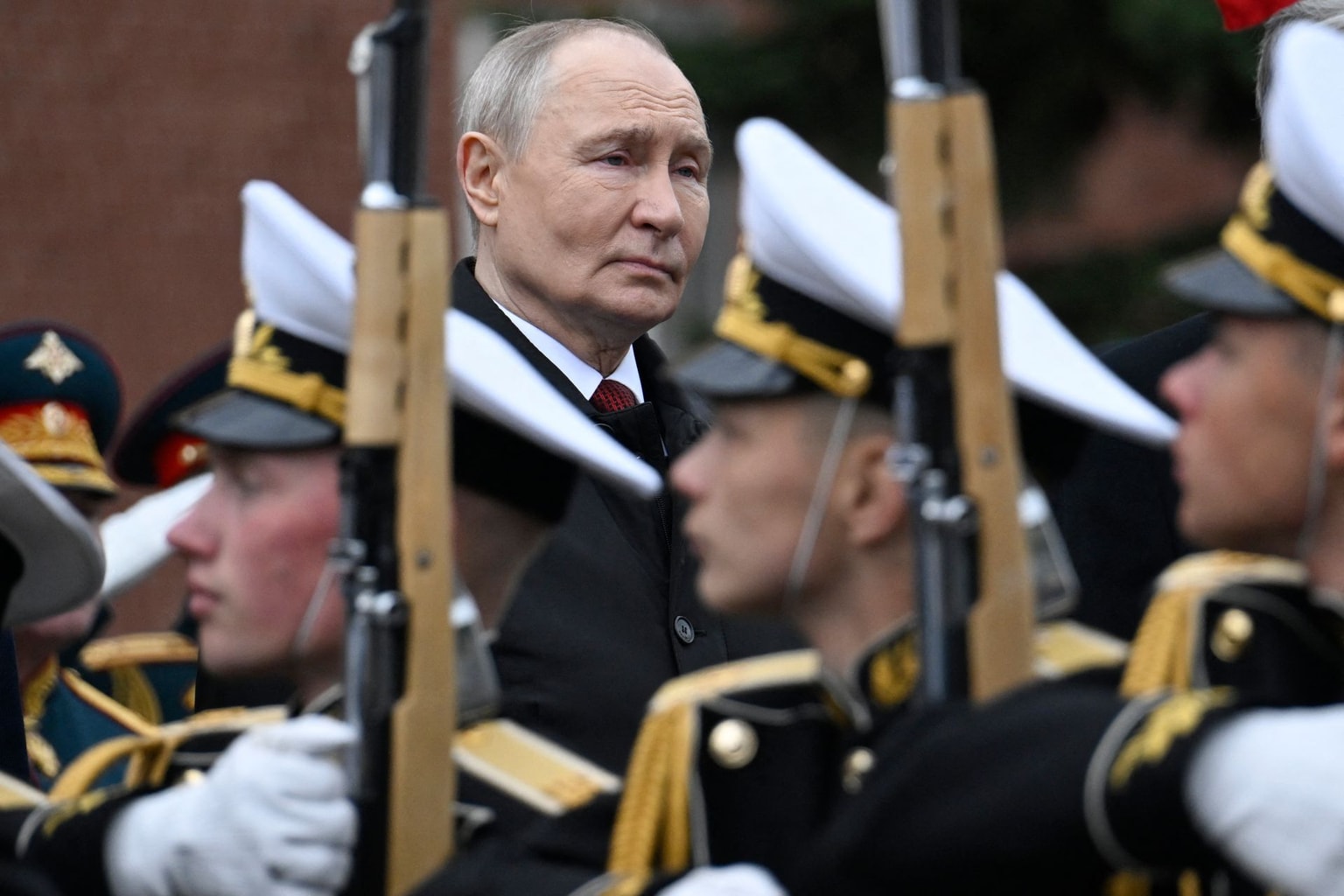
Khartiia's success not only restored stability to the front line in the area, but crucially dismantled and embarrassed Russian President Vladimir Putin's claims of capturing the city.

Raising the floor
As impressive as the results of these three corps on the battlefield are, the standards and capabilities of most of Ukraine's army corps are a far cry away.
Ultimately, there are simply not enough large elite brigades to step up to the challenge of leading each and every army corps.
As a result, many of the other corps, those created from scratch by cobbling together middle-of-the-road Ukrainian brigades with limited resources and fighting almost completely with mobilized personnel, are not able to operate in the same way.
This was on display in September when Syrskyi dismissed the commanders of the 17th and 20th Army Corps — fighting in Zaporizhzhia and Dnipropetrovsk oblasts respectively — after they had overseen significant new Russian advances in areas of the front line that were once stable.
Working without trust, without enough resources, enough manpower, and most importantly without trust from the higher command, some corps end up functioning in a way not too different from the previous TGr and OTU structures.
This is not necessarily the fault of the corps system itself, but a reflection of the state of the Ukrainian military as a whole: seriously short in personnel, both in motivated soldiers, and in quality officers.
From the tactical to the strategic level, Russia has shown an improved ability to target weak spots in the Ukrainian defense, allowing for advances and breakthroughs that can have operational and strategic consequences.
With this in mind, Ukraine must get better at raising the floor and focus more on better resourcing and manning its less effective brigades.

More than anywhere, this is on display in the defense of the Huliaipole area in eastern Zaporizhzhia Oblast, where poorly manned and motivated Territorial Defense brigades repeatedly made hasty retreats from their positions over late 2025, allowing Russia to turn what was once one of the quietest parts of the front line into a real strategic threat to the city of Zaporizhzhia.
In response, Syrskyi has deployed much of his newly-created Assault Forces, which specialize in offensive operations, receive a disproportionate share of mobilized troops, and report directly to the commander-in-chief.
The result has been a strange and inefficient combination, a parallel reality of defense lines buckling at the same time as villages are retaken.
To properly stabilize this area, the deployment of a capable army corps made up of solid, if not elite, brigades, and backed by a strong separate drone unit, seems like it could be the answer.
In comments made in a recent interview about the state of the war in 2026 and possible endgame scenarios, 3rd Corps commander Biletskyi compared the Russian and Ukrainian militaries to two exhausted boxers in the 12th round of a high-stakes bout.
To end the war with a peace that is secure and stable, at least for now, Ukraine must do everything it can to degrade Russia's offensive potential faster than Russia itself can degrade the overstretched Ukrainian military's ability to defend.
For that to happen, making the Ukrainian fighting force more efficient, more coordinated, and more responsible will hardly be a bad thing, even if it does feel like too little, too late.