America keeps losing the thread on Russia's kidnapping of Ukraine's children
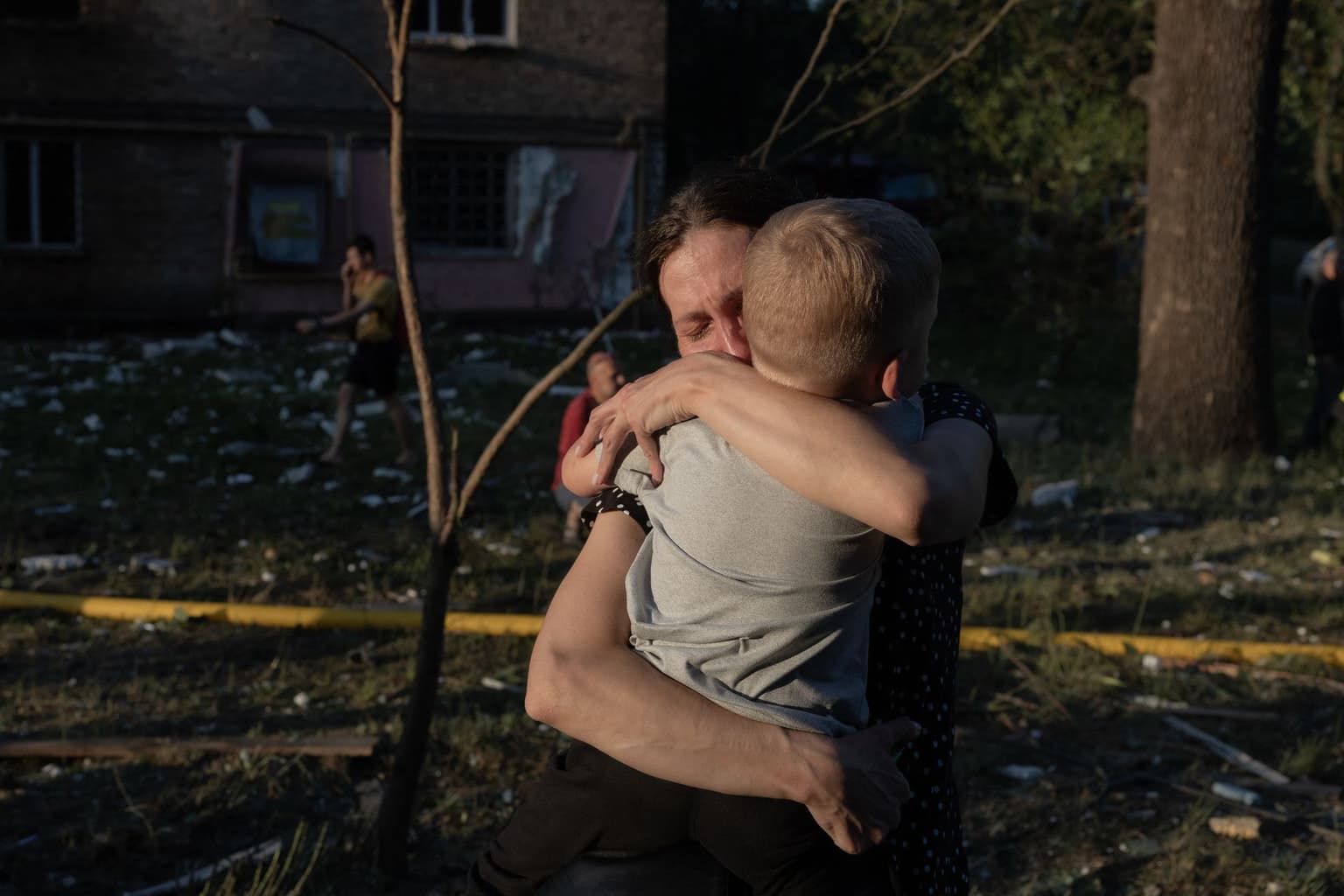
A woman holding a child cries next to a residential building damaged in a Russian air attack on Kyiv, Ukraine, on July 2, 2026. (Roman Pilipey / AFP / Getty Images)
 on Google
Benjamin Patton
Filmmaker
In the never-ending spiral of news cycles, I worry that one of the most consequential moral stories of our time is being lost in that flood: the tens of thousands of Ukrainian children Russia has taken since 2022.
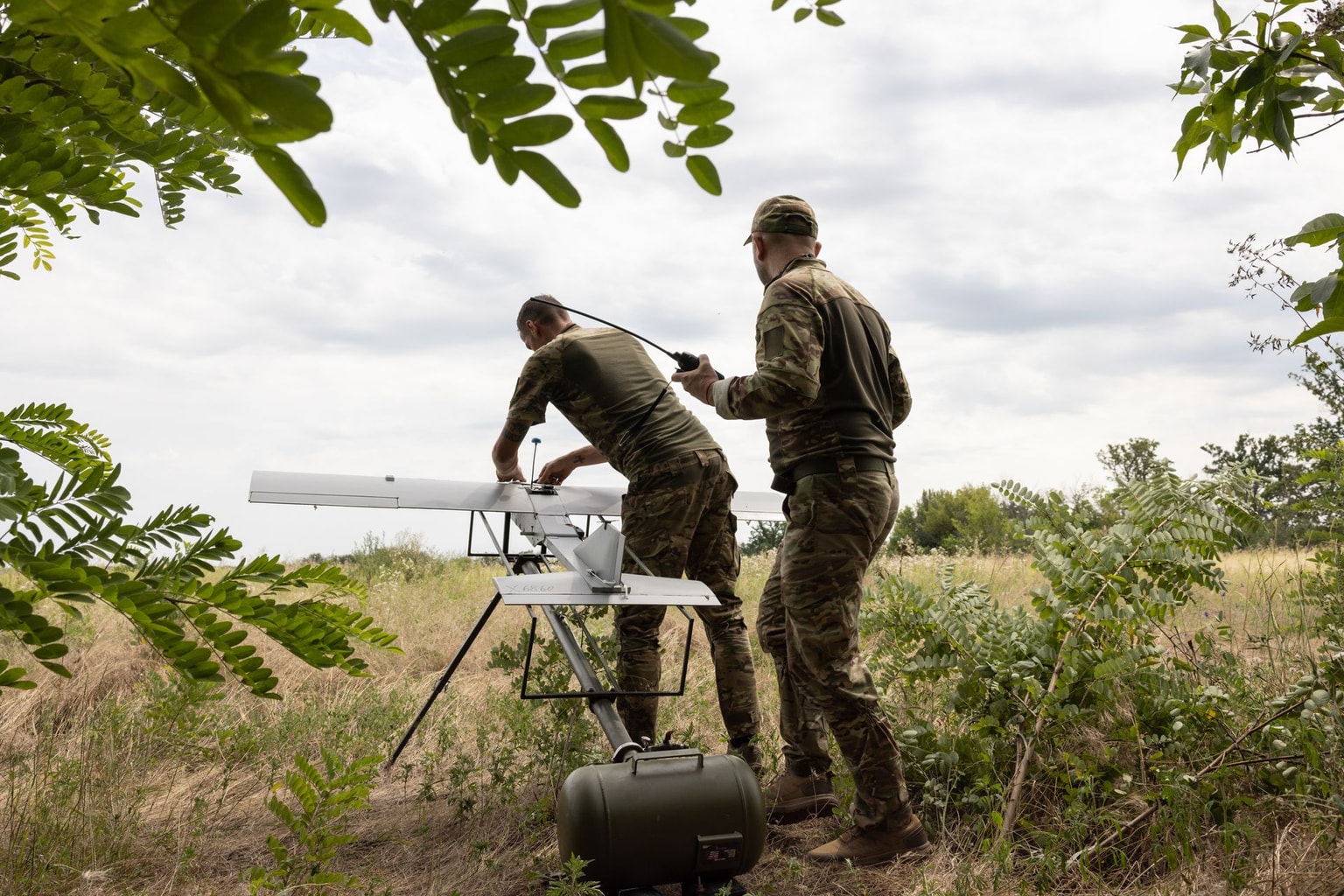
I am producing a documentary on the drone war in Ukraine, and in the course of that work, I have become aware of Ukrainian organizations like Save Ukraine, Mama Jane, and others, large and small, that spend their days desperately trying to locate, document, and recover children who were sent east under the pretense of "safety" and never returned.
Yale University's Humanitarian Research Lab has tracked up to 35,000 children who have been abducted by Russian forces. Their investigations have identified at least 210 facilities across Russia and occupied territories used for forced re-education, coerced adoption, and military service on the side of the country that took them.
Scale that number to the size of our own country, and it becomes staggering: a proportional loss for the United States would mean nearly 300,000 American children disappearing into another nation's custody. Many are placed with Russian families and issued new names, new birth certificates, and new passports with the goal of erasing their Ukrainian identity.
It's also worth noting that an additional 1.6 million minors are confined to Russian-controlled territories of Ukraine. Ask around, and you will find that most Americans have no idea any of this is happening at all.
The International Criminal Court considered all this serious enough to issue an arrest warrant for Vladimir Putin himself in 2023 — the first ever against a sitting head of state of a country holding a permanent seat on the U.N. Security Council.

Brian Kennedy, an attorney at the ICC who currently represents journalists attacked and killed by Russian soldiers in Ukraine, says, "Beyond Russia's current strategy of targeting and killing Ukrainian civilians, this war crime is so cruel and insidious because stripping these children from their family and country is literally robbing Ukraine of its future."
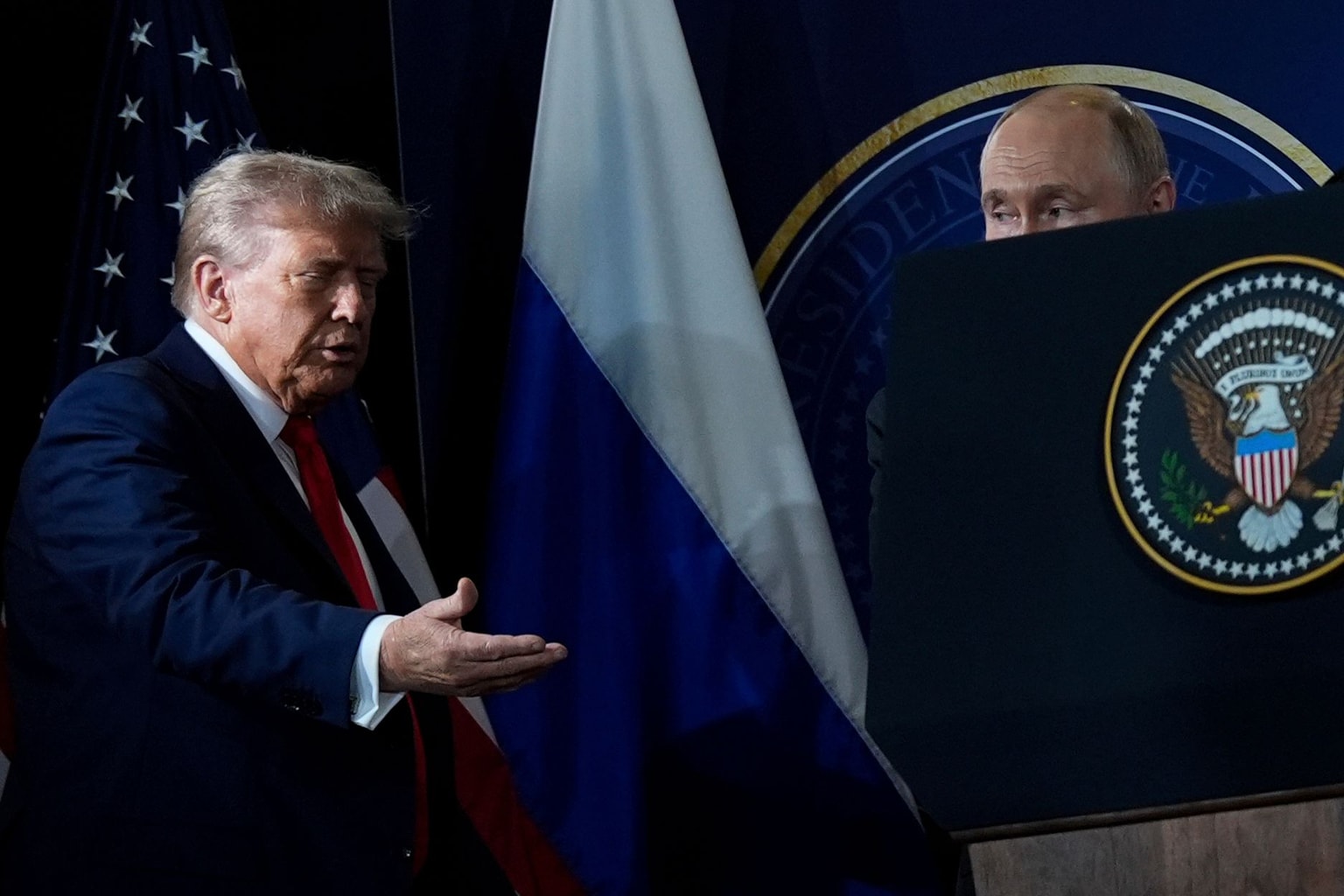
The story did briefly break through. Last August, Melania Trump handed Vladimir Putin a personal letter during the Anchorage summit, appealing to him, parent to parent, on behalf of Ukraine's missing children. It worked, at least in part: in the months since, a handful have been reunited with their families through the back channel her letter helped open.
It was one of the more quietly effective moments of American diplomacy this year. And yet how many people could tell you that happened? The story surfaced for a day or two, then sank beneath the next round of headlines.
This is not a story we should let sink from our collective consciousness. Ukraine's fight to recover its children is not a peripheral humanitarian footnote to the war; it sits close to the center of what the war is about.
A nation that can be made to disappear its own children — quietly, bureaucratically, with new names on new documents — is a nation whose sovereignty is being erased one child at a time. That is existential for Ukraine, whatever else we decide this war is really about.

It should matter to the rest of us too, and not only because we live, as Thomas Friedman likes to remind us, in a flatter and more interconnected world than the one our grandparents inhabited — a world where a family in Kharkiv and a family in Kansas are separated by a screen more than by any real distance. It should matter because of what letting this fade teaches everyone watching: that if you are patient enough, and if the news cycle is chaotic enough, you can get away with almost anything, including taking someone else's children.
We are at risk of normalizing that lesson, not just for regimes with bombs and re-education camps, but eventually for ourselves.
I keep returning to a phrase from the Gospel of Matthew that has attached itself, over a couple of centuries, to how America likes to see itself: as a "shining city on a hill," a place the rest of the world still looks to for some evidence of moral grounding. But that title comes with an obligation to notice things like this, and to go on noticing them past the first news cycle.
This is why it is so important to even simply refuse to look away. To remember, a month or a year from now, that Melania Trump once helped bring some children home with a letter, and asking, out loud and in public, what we intend to do about the rest of the 35,000.
It's a small step, but nonetheless one in the right direction — one that must be sustained.
Imagine waking up tomorrow, and your own teenager is simply gone to another country, under another name, being taught to forget you.
That is the daily reality for thousands of Ukrainian families. The least we owe them is to remember it ourselves.
Editor's note: The opinions expressed in the op-ed section are those of the authors and do not purport to reflect the views of the Kyiv Independent.