Acting US envoy Davis wraps up her Ukraine post
 on Google
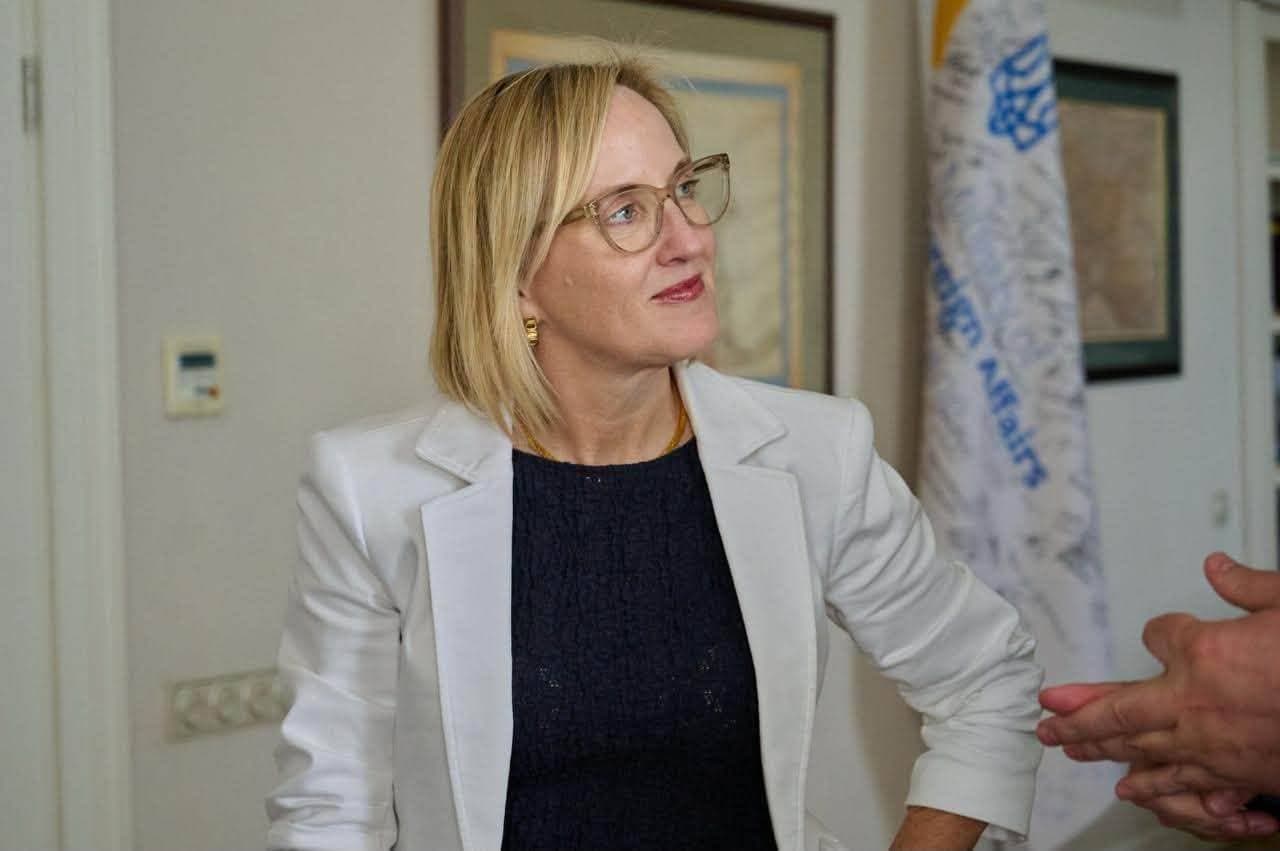
Foreign Minister Andrii Sybiha met U.S. charge d'affaires Julie Davis on June 27 as she concluded her diplomatic mission in Ukraine, thanking her for the U.S.'s "unwavering support."
Davis' departure leaves a key diplomatic post vacant at a critical moment, while peace talks remain at a standstill. It remains unclear who will succeed Davis or when a permanent ambassador might be nominated.
Davis, who has served as charge d'affaires at the U.S. Embassy in Kyiv for nearly a year, previously announced her planned retirement in April.
Sybiha expressed gratitude to both David and the U.S. during a meeting with the envoy ahead of her departure.
"We are grateful to the United States for its unwavering support of Ukraine and the Ukrainian people. We highly value your personal contribution to the development of the Ukrainian-American strategic partnership," Sybiha said in a statement.
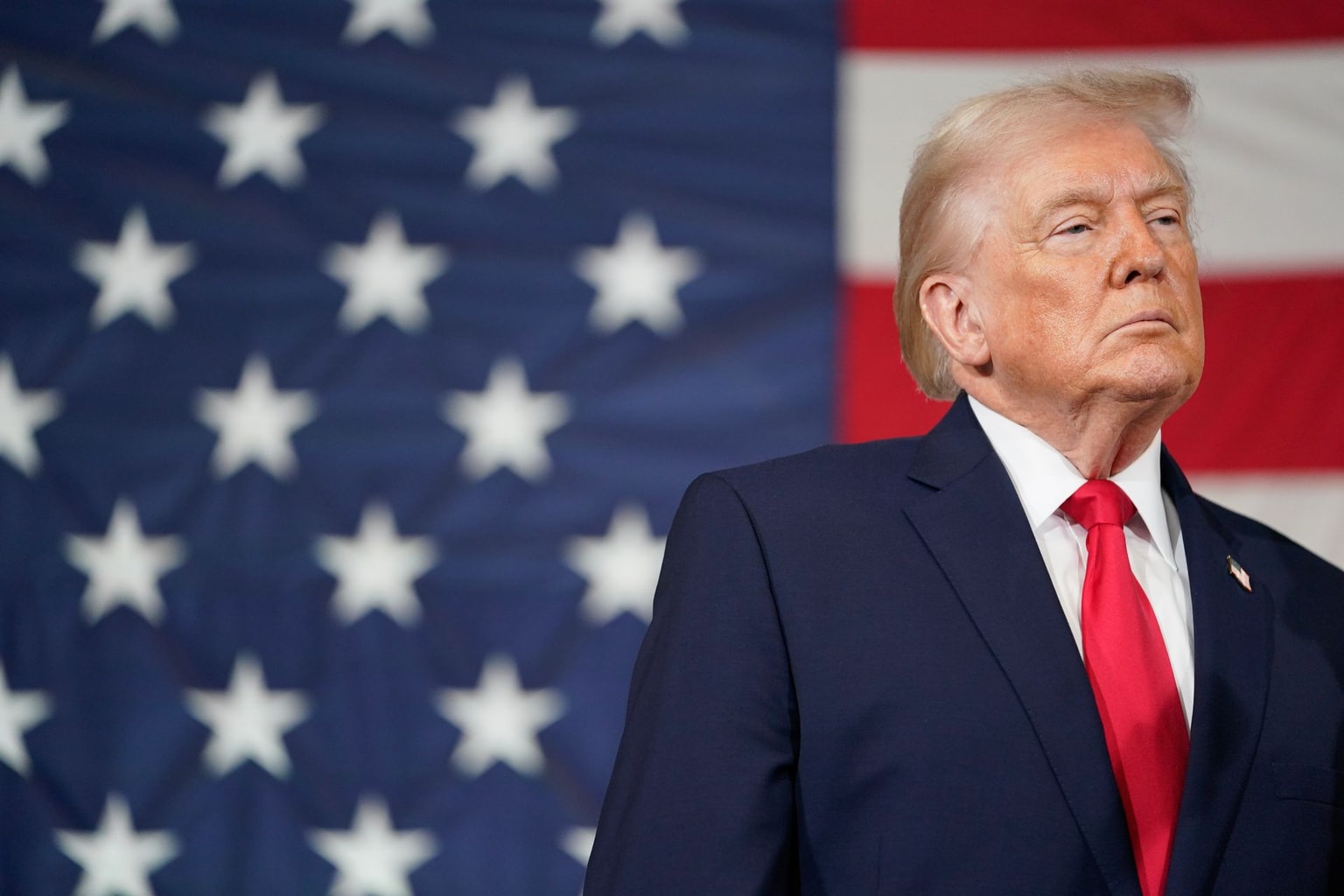
The Financial Times reported that Davis' decision came amid tensions with U.S. President Donald Trump over his administration's approach to Ukraine, including what sources described as diminishing support for Kyiv as it defends itself against Russia's full-scale invasion.
The U.S. State Department has disputed that characterization. In a statement attributed to spokesperson Tommy Pigott, the department rejected suggestions that Davis was stepping down over policy differences with Trump.
"It is false to suggest Ambassador Davis is resigning 'over differences with Donald Trump,'" the statement said.
"Ambassador Davis has been a steadfast proponent of the Trump Administration's efforts to bring about a durable peace between Russia and Ukraine. She is retiring after a distinguished 30-year tenure as a career foreign service officer."
Davis' exit follows that of her predecessor, Bridget Brink, who resigned in April 2025 after serving as ambassador since 2022. Brink criticized the administration's approach, accusing it of pressuring Ukraine rather than confronting the Kremlin, and said remaining in her role would have made her complicit in policies she viewed as dangerous and immoral.
In his second term, Trump has taken an at-times confrontational stance toward Ukraine, marking a sharp shift from the policies of the preceding administration. His administration has significantly reduced support while pressing Kyiv to make concessions in pursuit of a negotiated settlement.
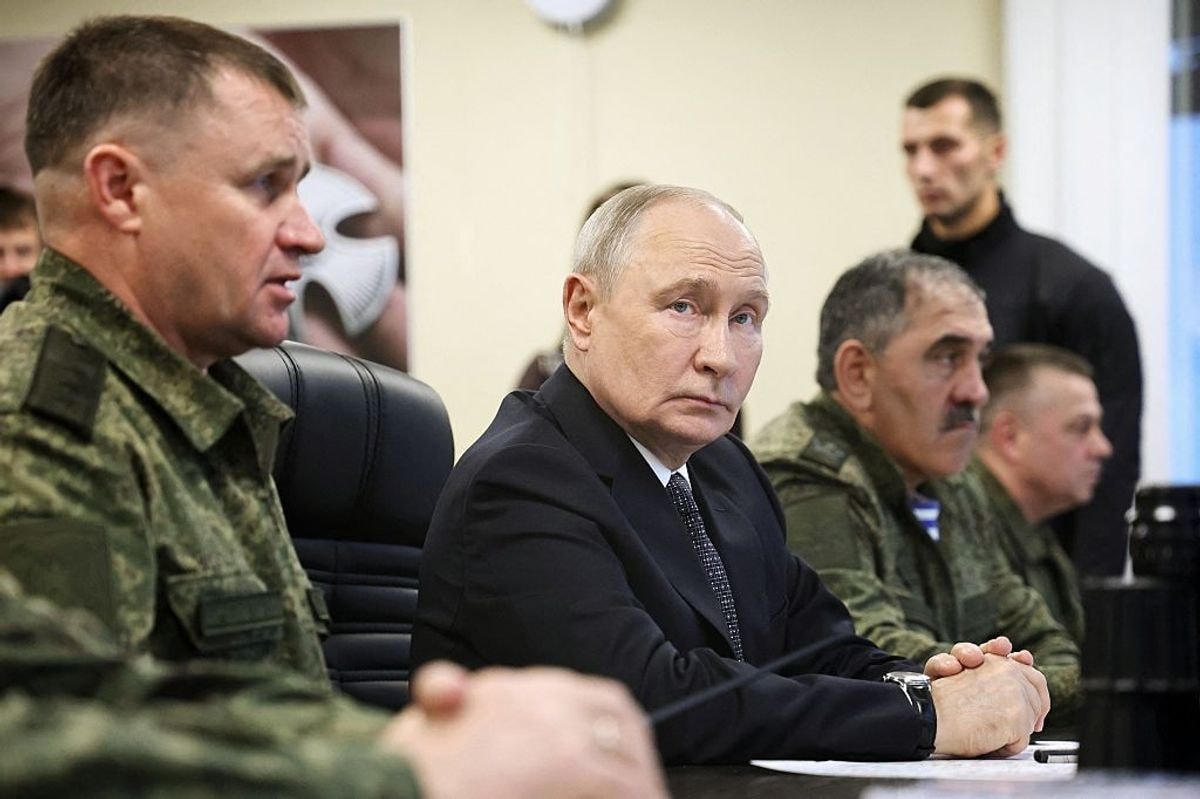
In recent weeks, Trump and his administration have reportedly grown increasingly frustrated with Russian President Vladimir Putin.
Trump expressed frustration with Putin at the G7 and signaled that he may walk back the "Alaska understandings," two G7 officials told Axios on June 27.