47% of Ukrainians back NATO accession even while territories stay occupied, survey shows
 on Google
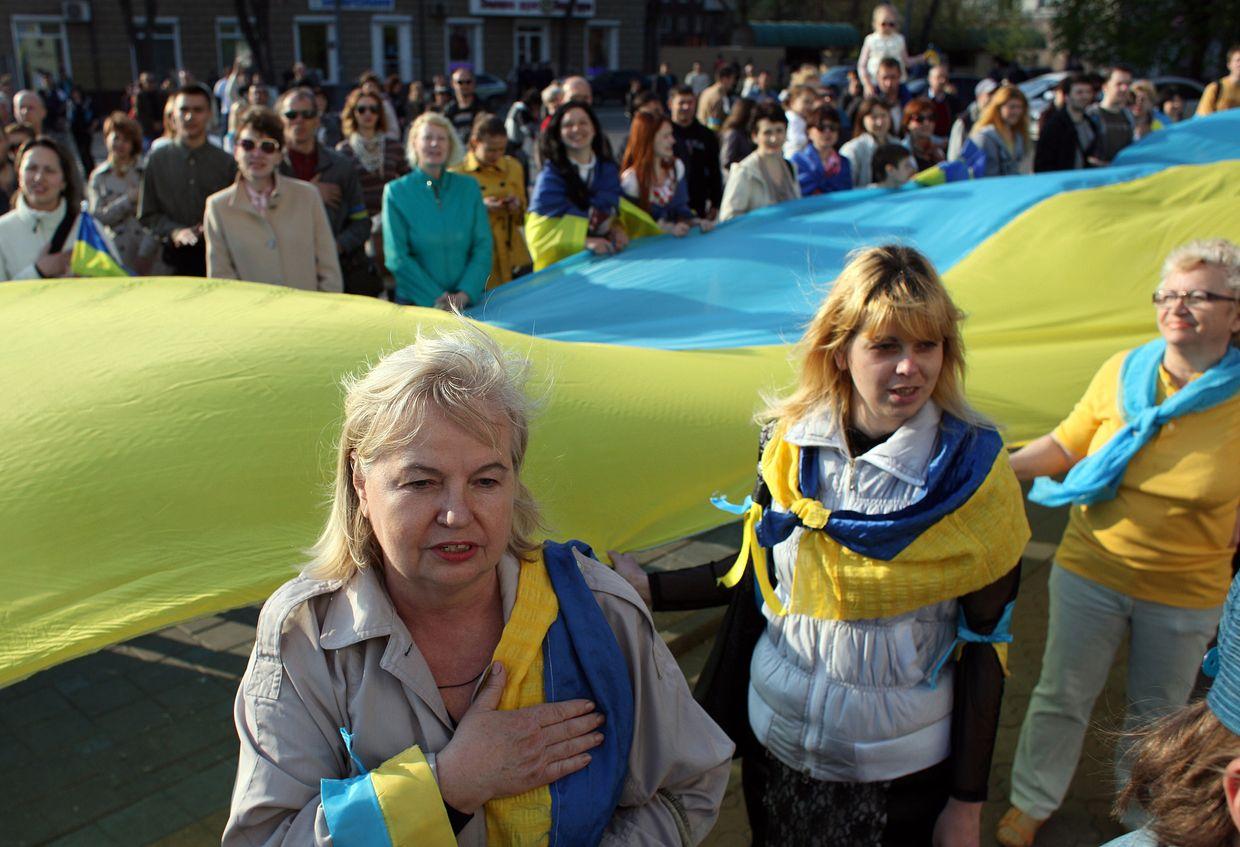
Nearly half of Ukrainians, 47%, support Ukraine joining NATO even if some of its territories remain under Russian occupation at the time of accession, according to a survey by the Ilko Kucheriv Democratic Initiatives Foundation and the Razumkov Center, published on Dec. 22.
In case of such an accession, the alliance’s umbrella of protection may be extended to occupied territories only after liberation.
This represents a 14-percentage-point increase from a similar poll in June 2023.
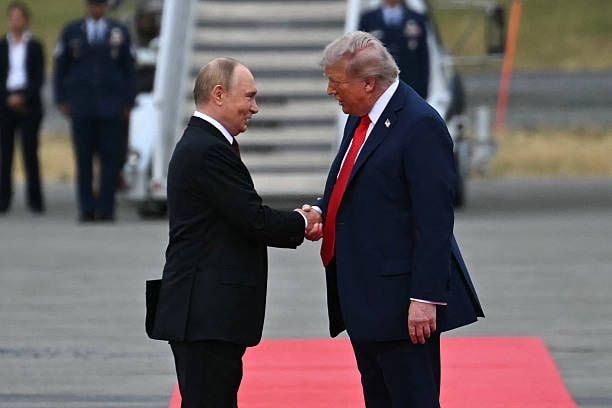
The poll comes as U.S. President-elect Donald Trump’s hesitance to sustain long-term support for Ukraine adds urgency to defining Ukraine's post-war security architecture.
The poll was conducted face-to-face among 1,518 respondents in Ukraine-controlled areas.
It also found that 36% opposed NATO accession under such conditions, down 16 percentage points since June 2023.
The strongest opposition to the idea of such limited accession to NATO came from respondents over 50, those from eastern, central, and southern oblasts, and individuals living below the poverty line or without ties to occupied territories.
The findings come as Ukraine faces limited battlefield success and growing discussions on security arrangements.
While 55% of respondents view NATO membership as Ukraine's best security option, 60% believe it is the only way to prevent future Russian aggression.
Other options, such as neutrality with international guarantees, garnered only 12% support, while non-alignment was favored by just 3%.
President Volodymyr Zelensky said on Dec. 1 that NATO’s Article 5 might not immediately apply to active conflict zones, signaling a shift in Kyiv’s stance.
Zelensky also recently acknowledged that liberating some occupied territories, such as Crimea, might require diplomatic solutions, not military ones.
This pragmatic approach aligns with NATO pathways resembling West Germany's phased accession during the Cold War, an idea supported by 70.3% of Ukrainians in a Dec. 10 survey by the New Europe Center.