Zelensky responds to Rubio's accusation of lying
 on Google
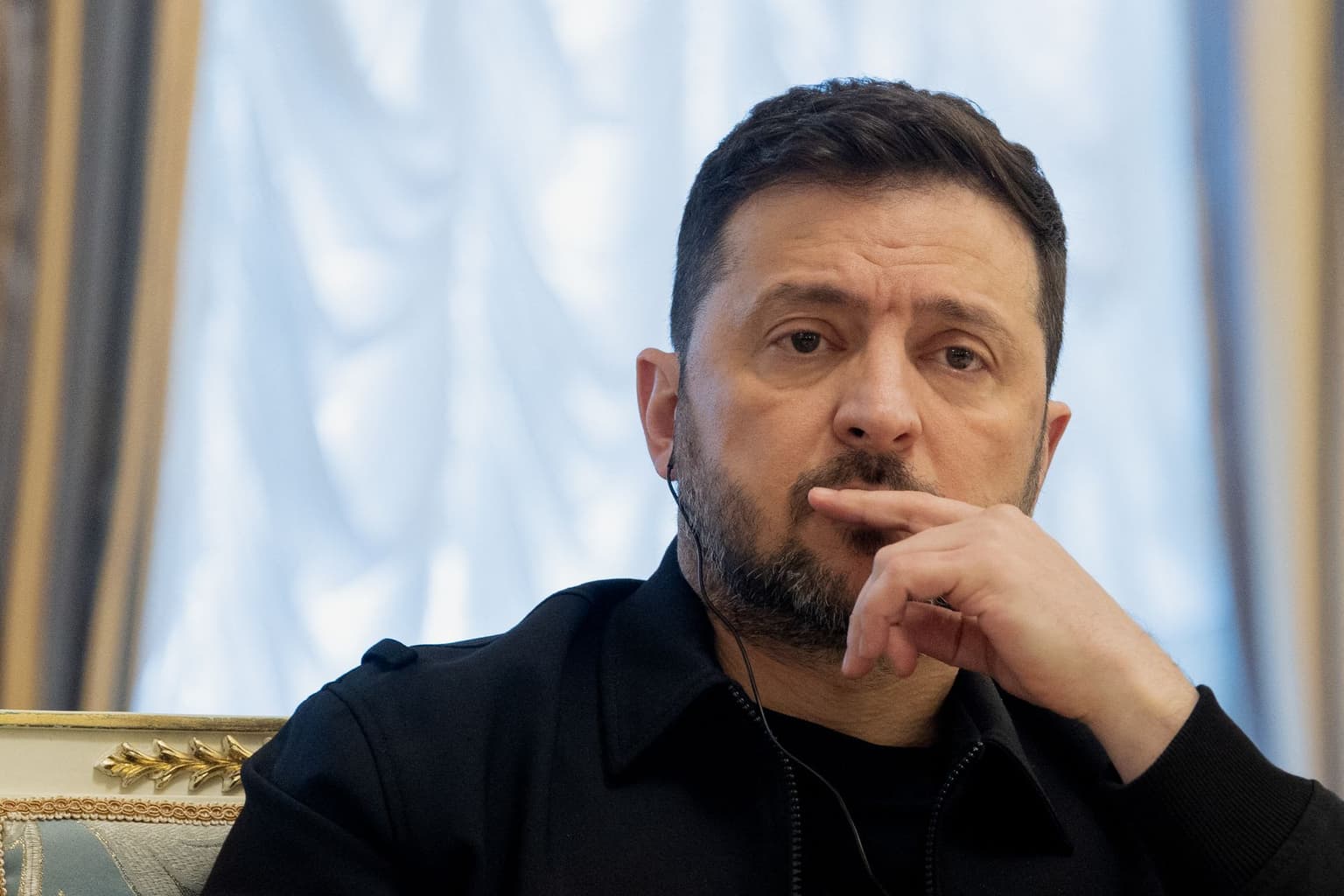
President Volodymyr Zelensky on March 28 clarified his understanding of Washington's position on security guarantees for Ukraine, in response to U.S. Secretary of State Marco Rubio calling his previous statement on the issue "a lie."
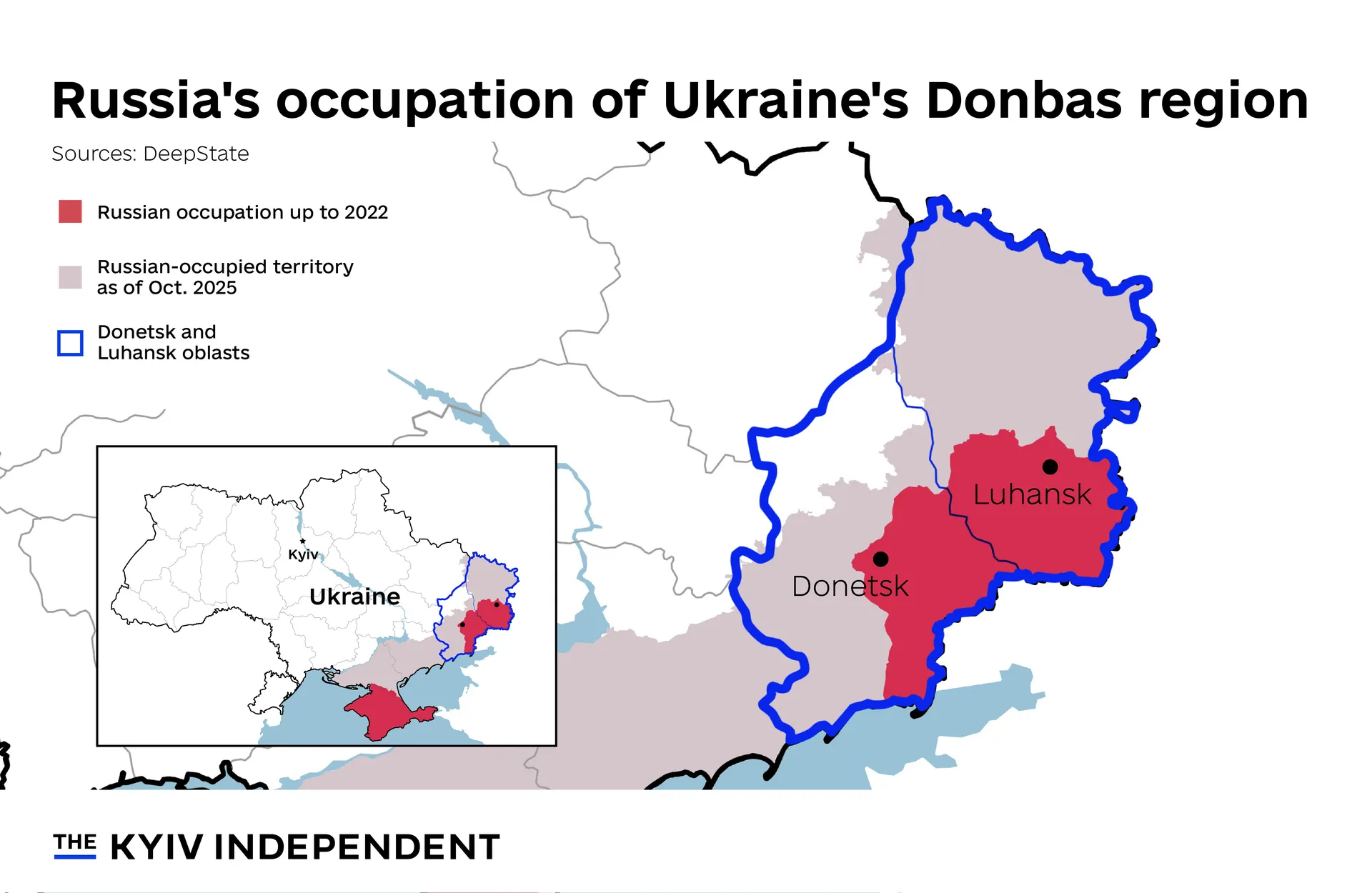
Zelensky said on March 26 that U.S. security guarantees for Kyiv were conditional on Ukraine's full withdrawal from the Donbas region, including territory it still controls.
"The Americans are prepared to finalize these guarantees at a high level once Ukraine is ready to withdraw from Donbas," Zelensky said.
Rubio dismissed the president's claim in comments to reporters the following day: "That's a lie. And I saw him say that, and it's unfortunate he would say that, because he knows that's not true and that's not what he was told," he said.
"What he was told is the obvious: Security guarantees are not going to kick in until there's an end to the war, because otherwise you're in — you're getting yourself involved in the war."
Zelensky had the opportunity to respond to Rubio and clarify his remarks during a press conference on March 28. While he did not contradict Rubio's statements, Zelensky made it clear that as he understands it, an "end to the war" is synonymous with Ukraine's withdrawal from Donbas under the current framework of the peace negotiations.
Moscow has issued Kyiv an "ultimatum," Zelensky said. Russia "will end the war only after the withdrawal of the Ukrainian Armed Forces from the entire territory of the Donetsk and Luhansk regions."
The U.S., in turn, will only provide security guarantees once the war ends.
"We will be able to get security guarantees from the United States not until the ceasefire, not until the end of the war. And after our troops leave Donbas, that these are conditions for the end of the war," Zelensky said.
Kyiv has urged the U.S. to commit to security guarantees before a ceasefire, the president said.
"I said that we want to sign security guarantees before the end of the war. And they were almost ready. ... But the American side said no. This will be done only at the end of the war."
In his comments on March 27, Rubio said that the U.S. could not risk direct involvement in the Russia-Ukraine war by providing security guarantees before hostilities end.
"Okay, what is a security guarantee? It's troops that are willing to step in and secure. If you put that in place now, that means you're injecting yourself in the war," he said.
But in his response to Rubio, Zelensky said the signing of a security agreement could occur before the guarantees were enforced.
"(T)he question is not when it comes into force," he said. "The question is when these guarantees are given to us. Guarantees are given to us after we leave Donbas. And this is the condition for the end of the war."
Zelensky clarified that he was not accusing the U.S. negotiators of pressuring Ukraine to withdraw from its territory.
"I did not lie to anyone. ... Maybe it was taken for granted that the Americans seemed to press for us to leave and only then they would give us guarantees. I do not say that they are pressuring us. And I have never said this, neither publicly nor otherwise," Zelensky said.
The president said Kyiv's priority is to "continue the dialogue" and work toward a negotiated peace.
U.S.-brokered peace talks between Russia and Ukraine have stalled as Washington turns its attention to the war in Iran. Russia has not softened its maximalist demands, including the requirement that Ukraine withdraw from parts of Donbas that it controls.
Kyiv has rejected this demand, maintaining that a ceasefire should be imposed along current front-line positions.