Ukraine reportedly strikes Russian Lukoil refinery, defying calls to ease attacks amid soaring fuel prices
 on Google
Editor's note: This is a developing story and is being updated.
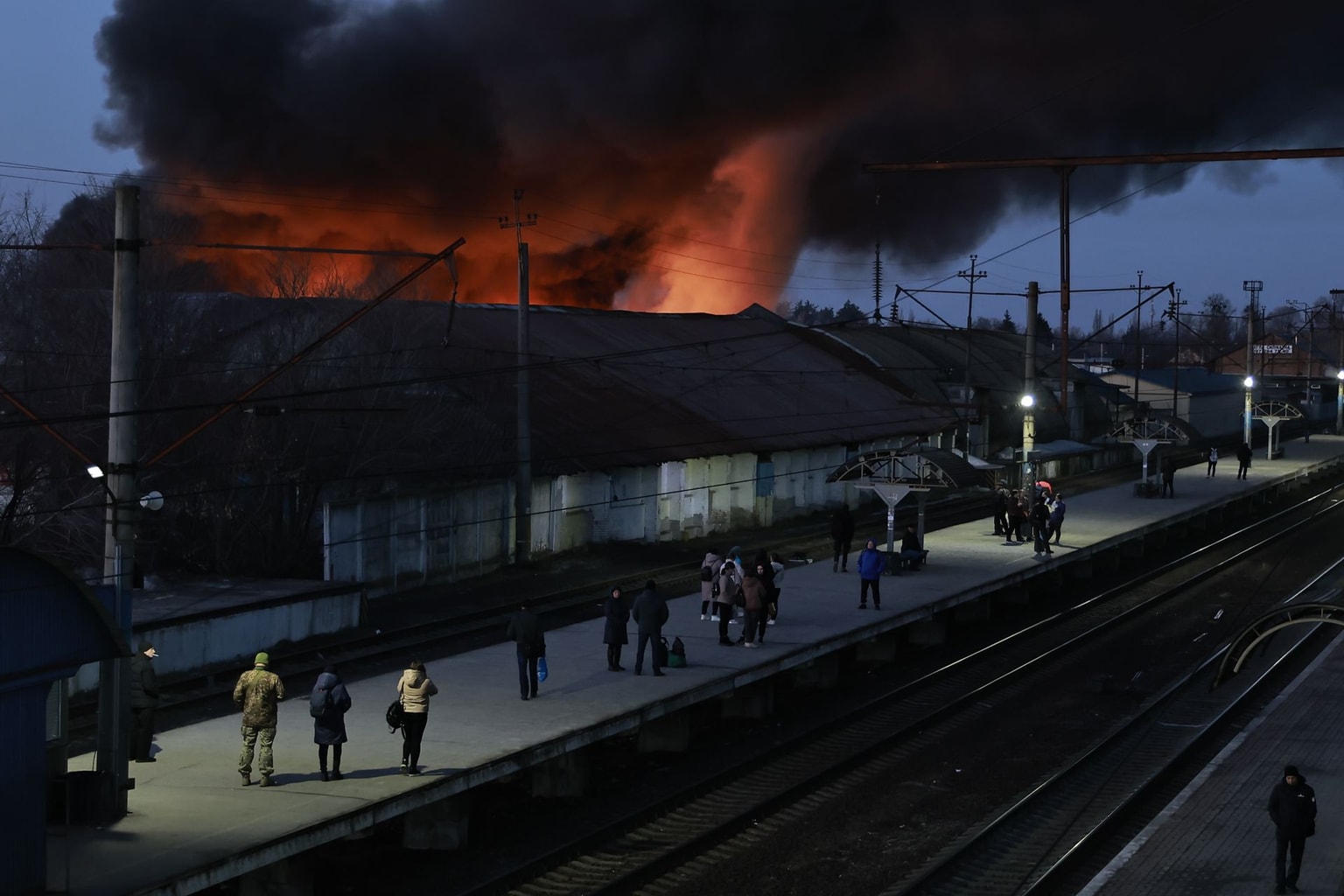
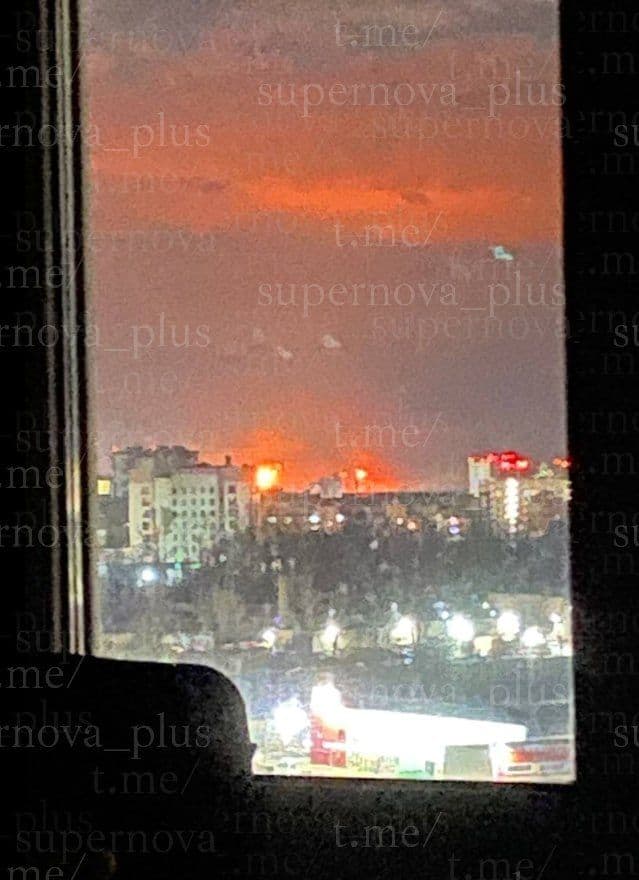
Ukrainian drones struck the Lukoil oil refinery in the Russian city of Kstovo overnight on April 5, Russian Telegram media channels reported.
Photos and videos posted on social media appear to show large flames emanating from the refinery. A large explosions was seen lighting up the night sky over what is purported to be the Lukoil-Nizhegorodnefteorgsintez refinery in Russia's Novgorod Oblast.
The latest attack comes as Ukrainian officials have acknowledged that foreign allies have asked Kyiv to pause drone attacks on Russian oil refineries as the U.S.-Israeli war in Iran drives up fuel prices worldwide.
"Let's answer this diplomatically. We are receiving certain signals about this," Presidential Office Head Kyrylo Budanov told Bloomberg in an interview published April 4, without specifying which countries had requested Ukraine pause its attacks.
Local Russian Telegram media channels reported incoming Ukrainian drones ahead of the reported strikes. Russian officials have not yet commented on the reported attack.
The Kyiv Independent could not verify the reports. Ukraine's military has not yet commented on the reported attack.
The refinery, which has previously been the target of Ukrainian attacks, is located around 800 kilometers from the Ukrainian border.
Ukraine regularly strikes military and industrial targets in Russia with long-range drones, with oil refineries serving as frequent targets. Kyiv considers these facilities to be valid military targets, as they provide fuel and funding for the Kremlin's war machine.
The U.S. sanctioned Lukoil and another Russian energy company, Rosneft, in October 2025, freezing Lukoil's U.S.-based assets and threatening secondary penalties for foreign entities engaging with them. The sanctions, the first such measures imposed by the second Trump administration, were designed to pressure Moscow into peace talks in Ukraine, as fossil fuel revenues play a key role in sustaining Russia's war efforts.
Despite the sanctions, following the start of its war in Iran, the U.S. Treasury Department issued a temporary license on March 12 to allow countries to purchase Russian oil currently stranded at sea, in an effort to stabilize global energy prices.
Oil prices have skyrocketed amid the escalating war in Iran, which is in its sixth week. Energy facilities in the Middle East have been targeted throughout the conflict, while Iran has also shut down the Strait of Hormuz — a key waterway through which roughly one-fifth of the world's oil supply transits.