Ukrainian drones strike 23,000 targets in July, kill 5,000 Russian troops, military chief says
 on Google
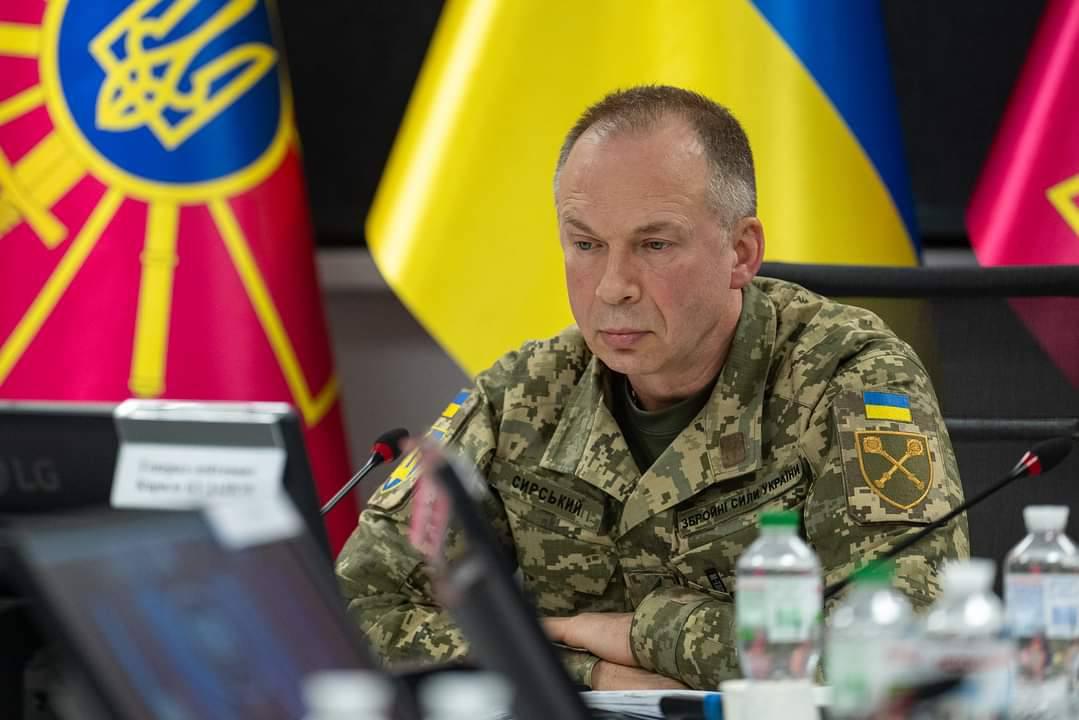
Ukrainian unmanned systems struck more than 23,000 Russian targets and killed over 5,000 Russian soldiers in July, Commander-in-Chief Oleksandr Syrskyi said on Aug. 8.
"The main priority is to destroy Russian personnel," Syrskyi wrote following a monthly meeting on the development of the Unmanned Systems Forces.
The commander noted that drones have become "an integral part" of Ukraine's military operations, playing a crucial role alongside infantry and artillery in repelling Russian forces.
Syrskyi said first-person-view (FPV) drones and night bombers were responsible for most of the hits, adding that Ukraine is forming units equipped with robotic ground platforms.
"We will develop both the logistical and combat components in this area," he said.
Commanders also reviewed progress on MiddleStrike, a strike drone with a 50–120 kilometer (31–75 miles) range, and other projects aimed at strengthening Ukraine's drone capabilities.
"I listened to the proposals and requests, defined the tasks for building up the unmanned component of the Armed Forces," Syrskyi said, adding that preserving soldiers' lives remains the main goal.
Drones are crucial in Russia's full-scale invasion of Ukraine, with both sides heavily depending on unmanned systems for surveillance, artillery spotting, and targeted strikes.
Kyiv has ramped up long-range drone attacks against Russian territory, aiming to disrupt logistics, stretch air defenses, and force Moscow to divert resources away from the front lines.