Ukraine war latest: Ukraine hits Russian drilling platforms in Caspian Sea, military reports
 on Google
Key developments on Jan. 10-11:
- Ukraine hits Russian drilling platforms in Caspian Sea, military reports
- Ukraine brings US-made Tempest air defense system into combat, footage suggests
- Russia seeks to set stage for new offensive, potentially threatening Sumy, Ukraine warns
- Russia deploys new Geran-5 jet-powered drone against Ukraine, intel says
- Ukraine's military confirms strike on oil depot in Russia's Volgograd Oblast
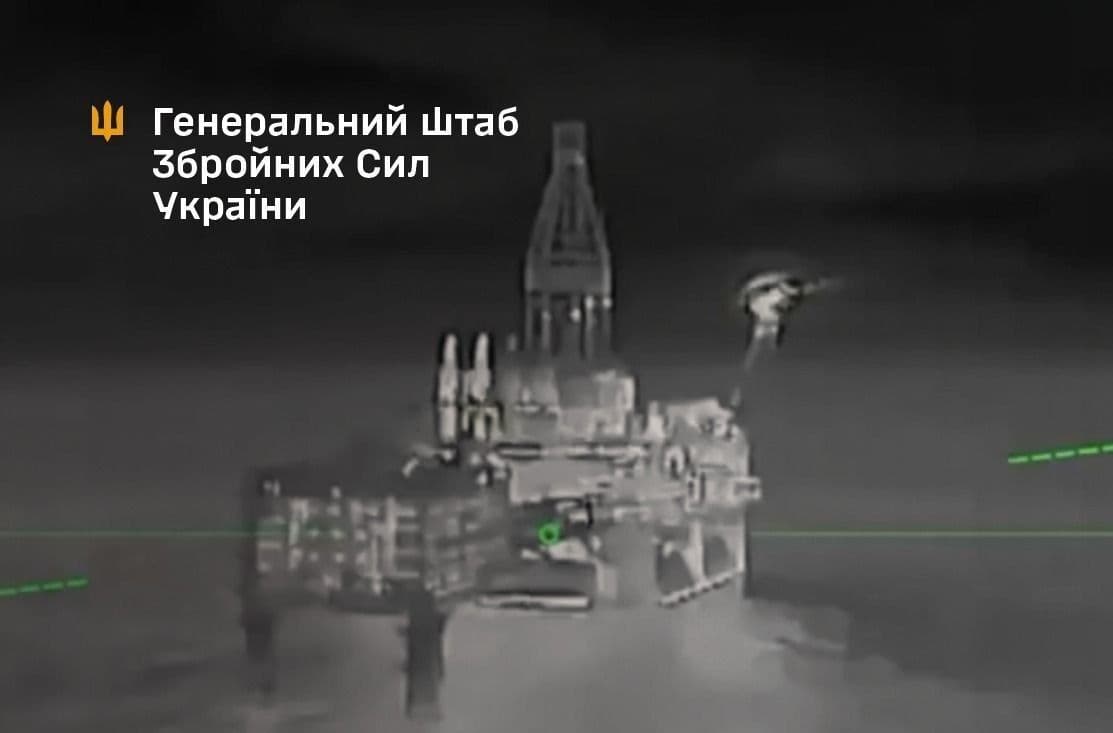
Ukrainian forces struck three Russian drilling platforms belonging to Lukoil, one of Russia's largest oil producers, in the Caspian Sea, Ukraine's General Staff reported on Jan. 11.
Separately, Ukraine also hit a Russian Buk-M3 anti-aircraft missile system in the occupied parts of Ukraine's Luhansk Oblast and other military assets, according to the statement.
The three Lukoil Corporation drilling platforms hit by Ukraine — the V. Filanovsky, Yuri Korchagin, and Valery Graifer platforms — are used for oil and gas extraction.
"Direct hits have been recorded. The extent of the damage is being assessed," the statement reads.
These platforms supply fuel to the Russian army, according to Ukraine's Special Operations Forces (SSO), which carried out the strikes on the night of Jan. 11. The SSO also published video footage of the alleged attacks.
Oil and gas exports cover a major part of Russia's federal budget and play a significant role in sustaining Moscow's war in Ukraine.
Ukrainian forces also struck a warehouse and technical support unit of Russia's 49th Combined Arms Army in the area of the town of Novotroitske, in the Russian-occupied part of Kherson Oblast. This army group is the main Russian force in the region.
The Kyiv Independent was unable to verify the military's claims.

Ukraine brings US-made Tempest air defense system into combat, footage suggests
The U.S.-made short-range Tempest surface-to-air missile system has entered combat in Ukraine, according to video footage recently released by the Air Force.
Ukraine's Air Force Command Center published video that shows the Tempest system repelling an attack in a New Year's post, without announcing or identifying the new weapon. The Ukrainian analyst group Vodohrai later reported that the footage depicts the Tempest in action.
The video shows a Tempest missile intercepting a Russian drone during an overnight aerial attack.
The U.S. defense company V2X debuted the Tempest platform at the 2025 Association of the United States Army (AUSA) exhibition in October, but the system's transfer to Ukraine was not publicly announced.
The Tempest surface-to-air missile system is designed to engage drones, helicopters, and low-flying aircraft in all weather conditions.
While V2X did not specify the type of interceptor missile during the AUSA exhibition, the Tempest likely uses the radar-guided AGM-114L Hellfire Longbow. Hellfire missiles typically carry a 9 kg (20-pound) warhead, powerful enough to destroy drones and minimize collateral damage from falling debris.
Ukraine has relied on Western-supplied air defense systems to counter Russian aerial attacks throughout the full-scale war. Complexes such as the Patriot, IRIS-T, NASAMS, and SAMP/T systems are capable of intercepting cruise and ballistic missiles, while e German-made Gepard and Skynex systems are primarily used to counter drones.

Russia seeks to set stage for new offensive, potentially threatening Sumy, Ukraine warns
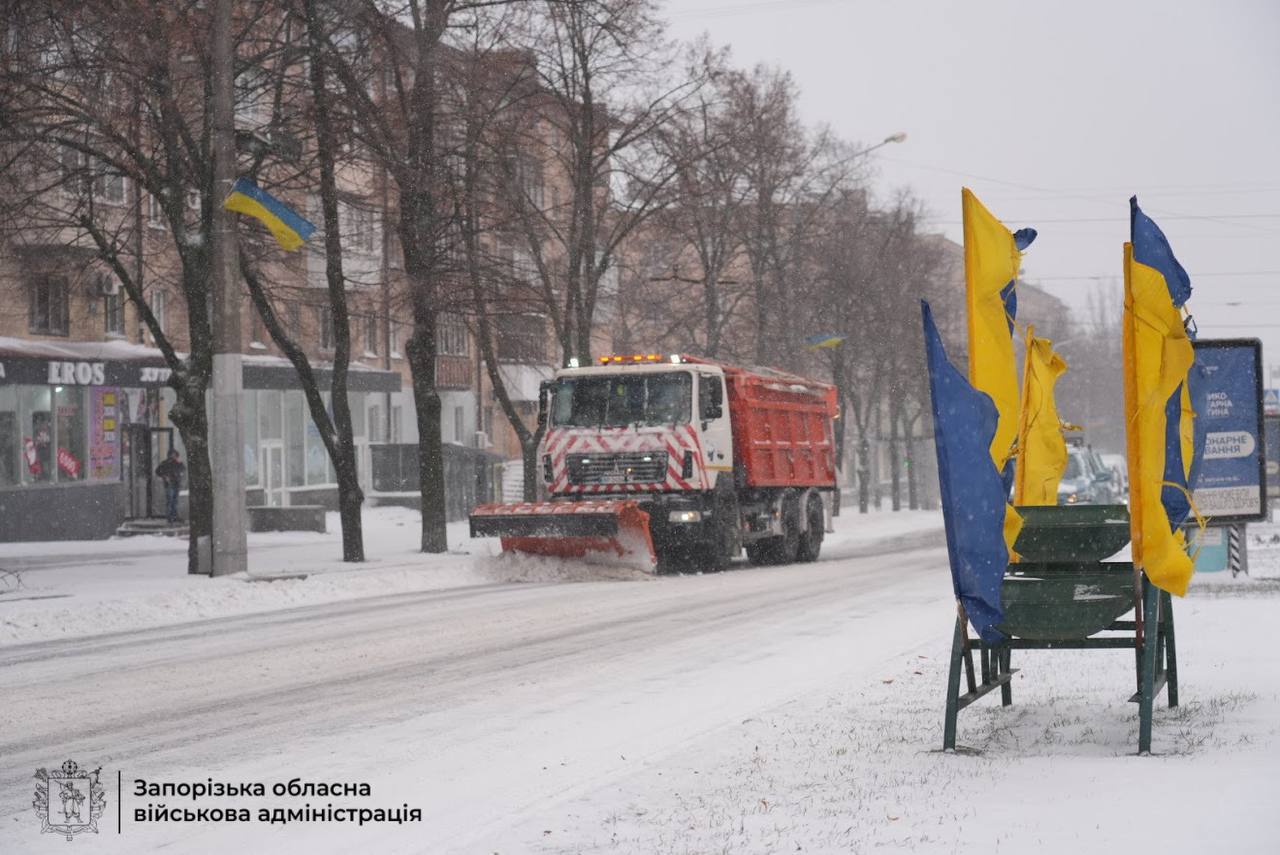
Russian forces are attempting to create a beachhead for new offensive operations in Ukraine's northeast, potentially setting the stage for an "advance toward the city of Sumy," the Ukrainian military reported on Jan. 11.
"All such attempts are promptly detected and thwarted," the 7th Corps of Ukraine's Airborne Assault Forces said on its Telegram channel.
Russian forces are reportedly intensifying operations in Sumy Oblast with the goal of advancing toward Khotin, a village located approximately 15 kilometers (9.3 miles) north of Sumy, the regional center.
Sumy, home to about 250,000 residents, has been a regular target of Russian shelling and aerial strikes but has never been occupied by Russia.
Russian forces currently hold a handful of settlements in parts of Sumy Oblast, primarily in the northern part of the region, adjacent to Russia's Kursk Oblast. According to the DeepState monitoring group, Moscow's troops were about 5 kilometers (3 miles) from Khotin as of Jan. 9.
Russian forces are "routinely carrying out ground attacks and ramping up drone activity in certain areas," the 7th Corps reported, noting that Russia is avoiding frontal attacks and seeks to penetrate the flanks.
Soldiers of Ukraine's 78th Airborne Assault Brigade are facing units of Russia's 810th Marine Corps Brigade and the 9th Motor Rifle Regiment, according to the military.
"Our active defense and constant reconnaissance enable us to keep the situation fully under control," the 7th Corps reported.
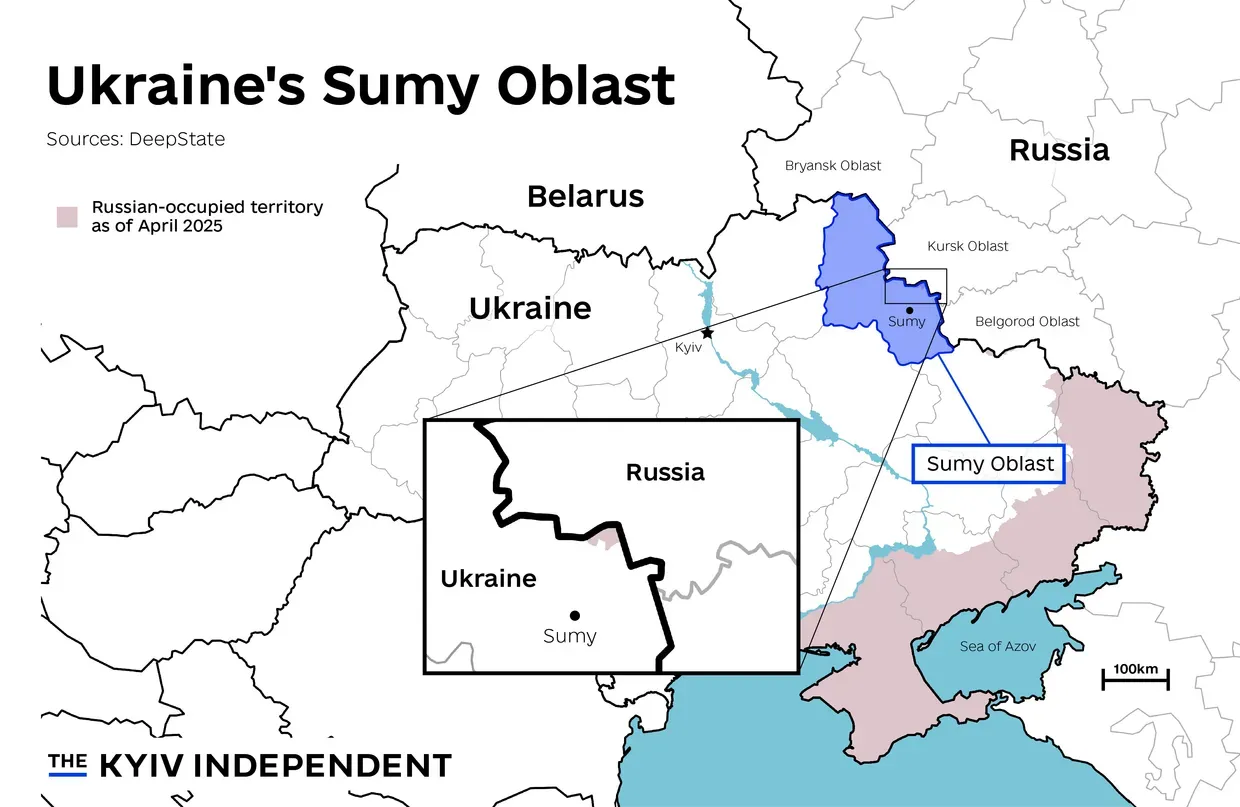
After retreating from Sumy Oblast in 2022, Russia launched another offensive into the region last spring and summer after pushing Ukraine out of Kursk Oblast, seeking to establish a "buffer zone" in the area.
Ukraine said in September 2025 that the offensive had been "completely thwarted," despite Russian forces continuing to hold limited territory there.
In December 2025, the "Kursk" Group of Forces said that Russian forces continued attempts to seize Ukrainian territory in the Sumy Oblast border area. Fighting was ongoing near the villages of Yunakivka, Yablunivka, Varachyne, Andriivka, and Kindrativka.
Russia also entered the border village of Hrabovske in the eastern part of Sumy Oblast at the end of last year, abducting 52 residents to Russia, an act considered a war crime.
Ukraine's State Border Guard reported on Jan. 11 that Russian forces continue to occupy Hrabovske, but Ukrainian troops prevent them from advancing further.
Russia deploys new Geran-5 jet-powered drone against Ukraine, intel says
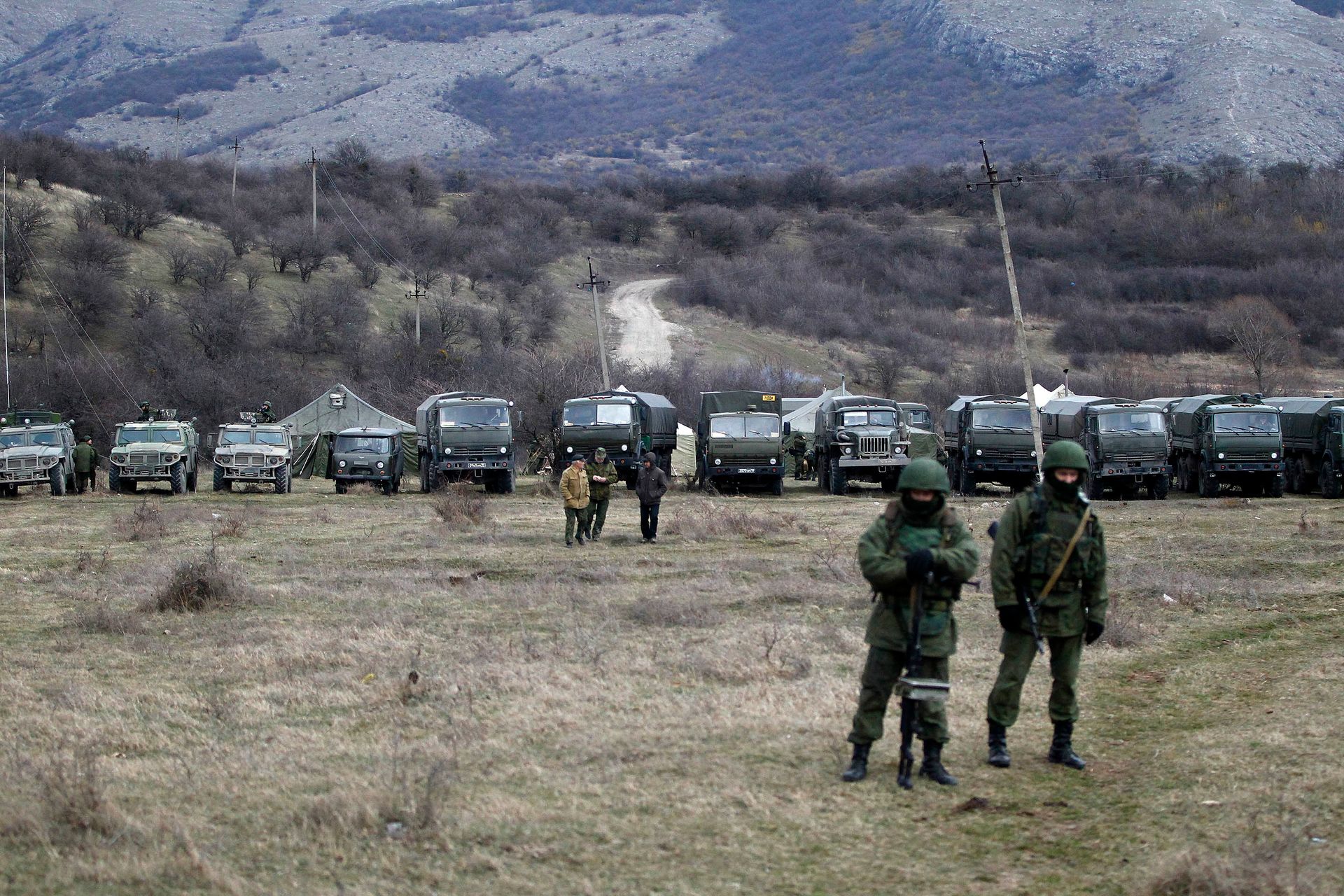
At the start of the year, Russian forces used a new Geran-5 attack drone against Ukraine for the first time, military intelligence (HUR) reported on Jan. 11.
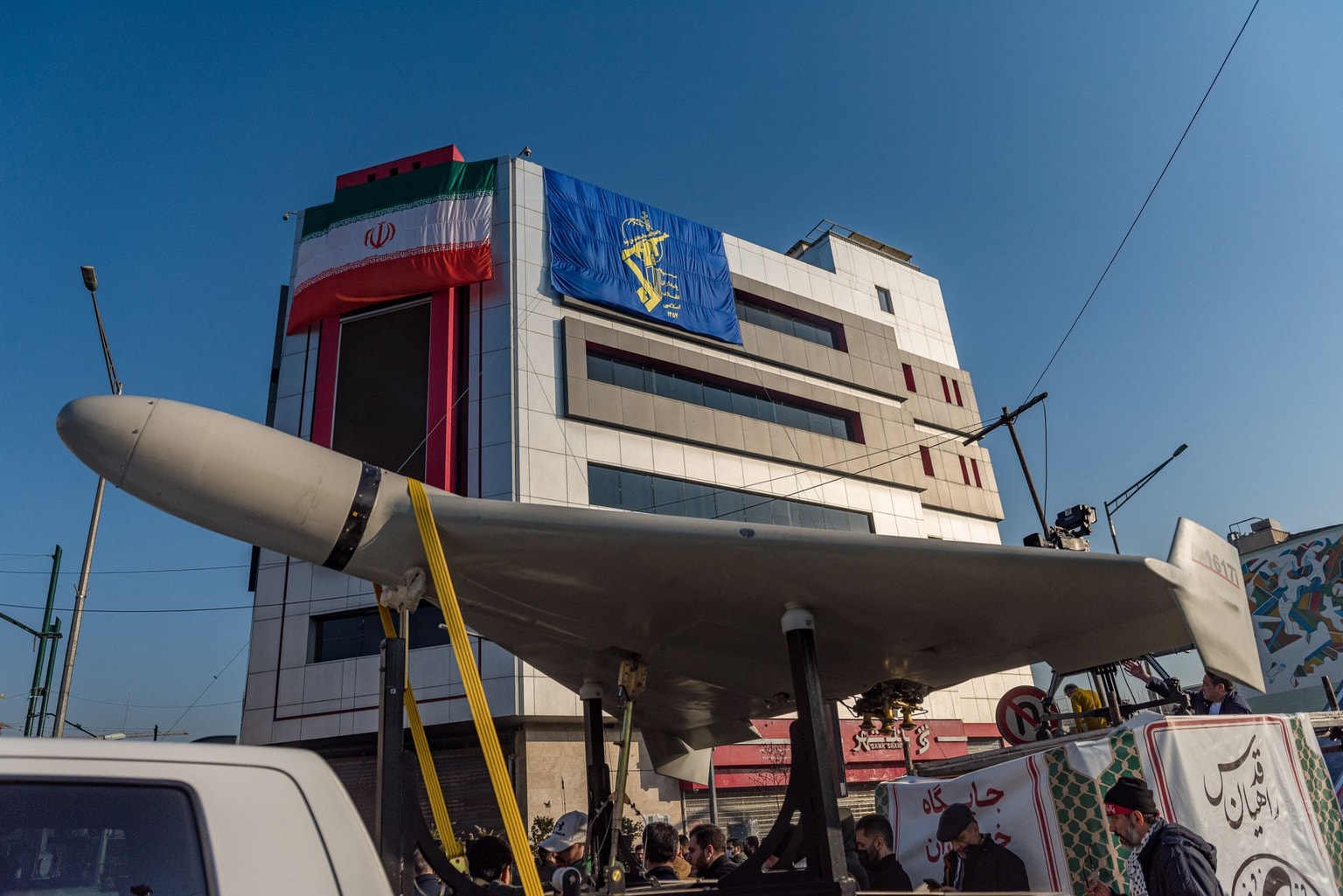
The unmanned vehicle, which resembles the Iranian-designed Karrar drone, utilizes the Telefly jet engine, though with a greater thrust than the Geran-3 model, according to HUR.
Attack drones play a key role in Russia's aerial campaign against Ukrainian cities and infrastructure, which escalated in recent weeks as Moscow seeks to knock out the country's energy grid.
The new drone is approximately 6 meters (20 feet) long with a wingspan of 5.5 meters (18 feet). Unlike other Geran models — which are based on the Iranian Shahed drones — the Geran-5 is built in a conventional aerodynamic configuration.
Other features resemble those of earlier models in the series, including the 12-channel satellite navigation system Cometa, and a tracker based on the Raspberry Pi microcomputer and 3G/4G modems, HUR said.
The drone can carry a 90-kilogram warhead and has a claimed range of almost 1,000 kilometers (620 miles), meaning it could potentially reach any point in Ukraine.
According to Ukraine's intelligence, Russia is considering fitting attack aircraft like Su-25 with Geran-5s to increase their range. Equipping the drones with R-73 air-to-air missiles to counter Ukrainian aircraft is also being considered, HUR said.
As Russia seeks to modernize its drone fleet, Ukraine is also developing new tactics to counter Russian aerial strikes.
Apart from using Western-supplied air defenses, Ukraine has ramped up production of interceptor drones, designed to counter Russian Shaheds.
Just over the past week, Russian forces launched close to 1,100 strike drones against Ukraine, as well as 890 guided aerial bombs and 50 missiles, President Volodymyr Zelensky said on Jan. 11.
Ukraine's military confirms strike on oil depot in Russia's Volgograd Oblast
Ukraine's General Staff confirmed an overnight attack on the Zhutovskaya oil depot in Russia's Volgograd region on Jan. 9-10.
Ukrainian forces attacked the oil depot in the Oktyabrsky district of Volgograd Oblast as part of efforts to reduce Russia's offensive capabilities, the General Staff said in a statement posted on social media on Jan. 10.
The facility is involved in supplying fuel to Russian occupation forces, the statement said.
Russian authorities in Volgograd Oblast reported a drone attack overnight that triggered a fire at an oil facility in the area. Officials said debris from a downed drone fell on the territory of the oil depot, igniting the blaze.
At the time of the attack, Volgograd Oblast Governor Andrey Bocharov said Russian air defense systems were responding to what he described as a drone strike targeting the region.
Volgograd is located about 354 kilometers (220 miles) from Russia's eastern border with Ukraine and about 500 kilometers (310 miles) from Ukrainian-controlled territory near Kramatorsk in Ukraine's Donetsk region.
Note from the author:
Ukraine War Latest is put together by the Kyiv Independent news desk team, who keep you informed 24 hours a day, seven days a week. If you value our work and want to ensure we have the resources to continue, join the Kyiv Independent community.