Ukraine war latest: Zelensky warns of 'risk' US, Russia could strike bilateral deals on Ukraine without Kyiv
 on Google
Key developments on Feb. 7-8:
- Zelensky warns of 'risk' US, Russia could strike bilateral deals on Ukraine without Kyiv
- Russia causes 'significant damage' to thermal plants, nuclear facilities in mass attack on Ukraine power grid
- Ukraine hits 'important' Russian cruise missile fuel plant in Tver Oblast, drones spark 'massive fire'
- 'Situation remains difficult'– Ukraine grapples with ongoing power crisis ahead of another cold snap
- Ukraine to open 10 weapons export centers in Europe in 2026 in major wartime policy shift
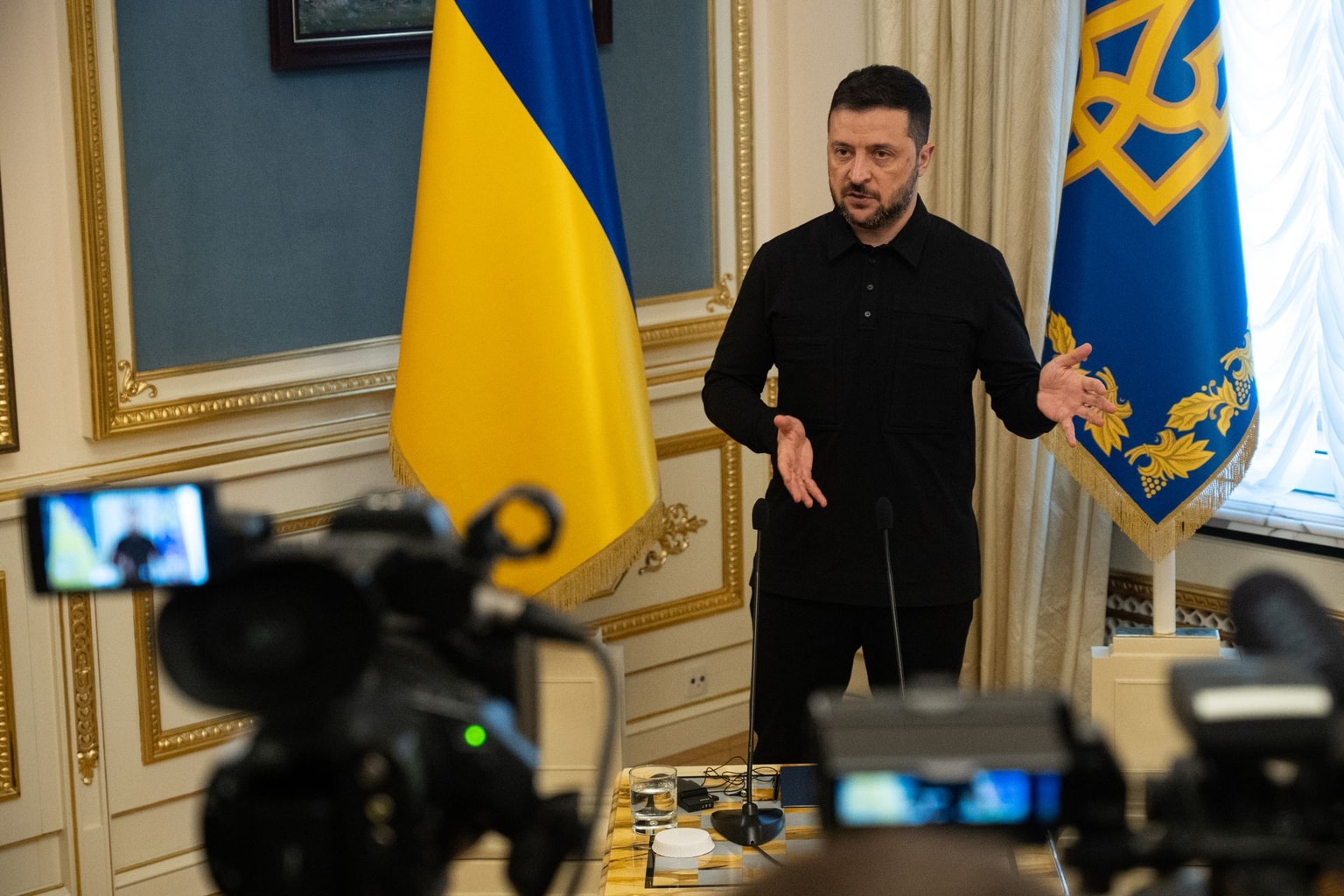
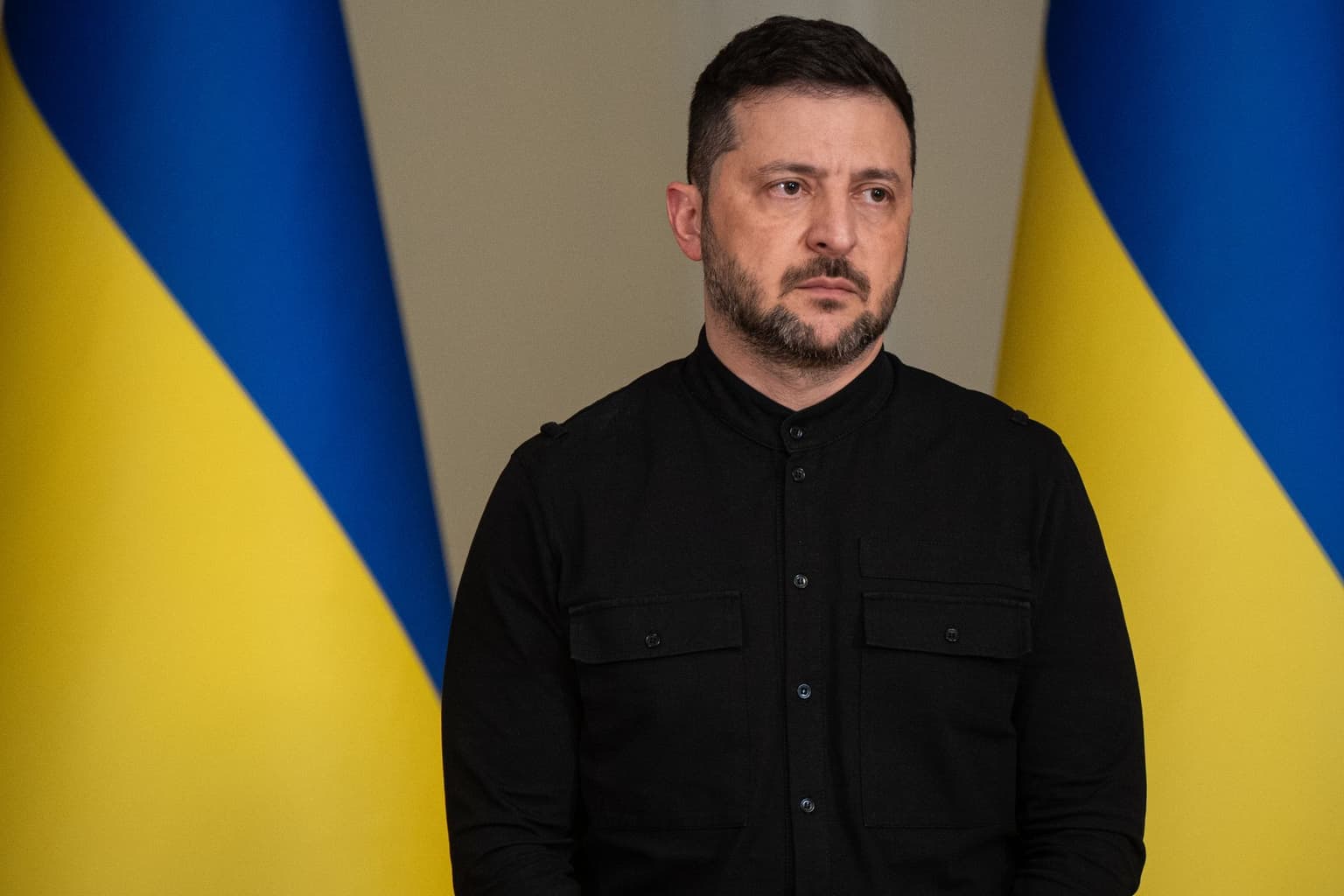
The U.S. and Russia could reach bilateral agreements affecting Ukraine without Kyiv's participation, President Volodymyr Zelensky said during a briefing with journalists.
Zelensky's remarks come as diplomatic activity intensifies around efforts to end Russia's full-scale war, with trilateral talks involving Ukraine, the United States, and Russia potentially resuming as early as next week, likely on U.S. soil.
"Given the potential risks, the Ukrainian delegation conveyed the position that if there are any bilateral agreements between Russia and the U.S., the provisions related to Ukraine cannot contradict the constitution," he said, appearing to refer to territorial issues.
He added that the U.S. is proposing that the war be brought to an end before the start of this summer and is likely to apply pressure on the parties in line with that timeline.
He suggested the push is linked to domestic political dynamics in the U.S., likely referring to the midterm elections scheduled for November 2026.
Zelensky said Kyiv is receiving signals that Washington and Moscow could sign bilateral documents, including on economic cooperation.
Ukraine, he said, does not have full visibility into all possible U.S.-Russia business arrangements, but some details have emerged through intelligence channels.
As an example, Zelensky pointed to what he described as the so-called "Dmitriev package," reportedly presented in the U.S. by Russian negotiator Kirill Dmitriev.
"Intelligence showed me the so-called 'Dmitriev package' that he presented in the U.S. — it amounts to around $12 trillion," Zelensky said, describing it as a proposed framework for large-scale U.S.-Russia economic cooperation.
Zelensky added that Kyiv has also seen indications that potential U.S.-Russia bilateral documents could include provisions related to Ukraine.
"We clearly state that Ukraine will not support even potential agreements about us without us," he said.

Russia causes 'significant damage' to thermal plants, nuclear facilities in mass attack on Ukraine power grid
Russia carried out a mass attack on Ukraine's energy infrastructure on Feb. 7, triggering emergency power outages across most regions and damaging nuclear facilities, government officials said.
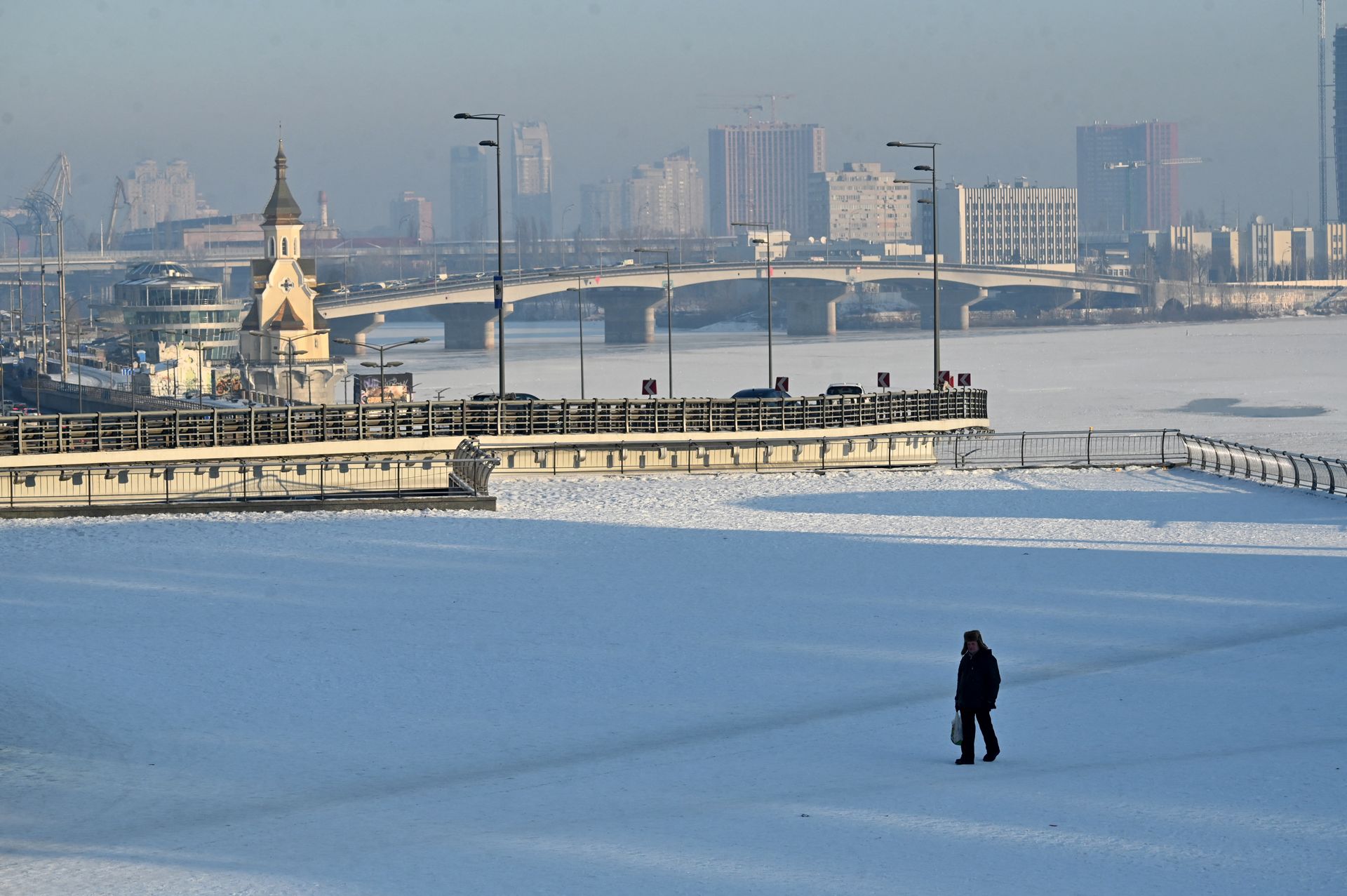
The strike hit key elements of Ukraine's power grid as freezing temperatures returned, with Kyiv forecast to see temperatures drop to –19 degrees Celsius (–2 degrees Fahrenheit) in the coming days, compounding pressure on the energy system.
President Volodymyr Zelensky said in his evening address that Russia struck "facilities crucial to the operation of Ukraine's nuclear power plants."
Power generation was reduced at the country's nuclear plants after the attack, while one unit was automatically shut down, he said.
"This is a level of attack that no terrorist in the world has ever dared, and Russia must feel the response of the entire world — all those who truly care about security," Zelensky said.
Energy Minister Denys Shmyhal said Russian forces targeted high-voltage substations and 750-kilovolt and 330-kilovolt overhead transmission lines that form the backbone of Ukraine's electricity network.
Power generation facilities were also struck, including the Burshtyn and Dobrotvir thermal power plants in western Ukraine.
DTEK, Ukraine's largest private energy company, said equipment at its thermal power plants suffered "significant damage," calling the strike Moscow's 220th attack on thermal generation facilities since the start of the full-scale invasion.
The company said the attack cost the country a "significant portion" of electricity, further straining Ukraine's battered energy system.
"Due to the damage to the high-voltage substations, nuclear power plants were forced to discharge. Ukraine lost a significant portion of available electricity... There are difficult days ahead," DTEK said.
Attacks were reported across the country, including in western regions. Khmelnytskyi, Rivne, Ternopil, Ivano-Frankivsk, and Lviv oblasts all came under fire, according to Ukrainian officials.
Ukraine's Air Force said 13 Russian missiles and 21 Shahed-type attack drones targeted 19 sites across the country, with debris from the strikes falling on three additional locations.
As of Feb. 7, emergency power outage schedules of up to 4.5–5 stages were in effect nationwide, with additional emergency measures imposed in eastern and northern regions, Shmyhal said.
Ukraine's grid operator Ukrenergo also requested emergency electricity assistance from Poland, though no further details were provided.
"Energy workers are ready to begin restoration as soon as the situation allows," Shmyhal said.
Zelensky urged Ukraine's allies to respond to the attack, stressing the need to prevent Russia from using winter as a weapon.
"Moscow must be deprived of the ability to pressure Ukraine with cold weather. This requires missiles for Patriot, NASAMS, and other (air defense) systems," he said.

Ukraine hits 'important' Russian cruise missile fuel plant in Tver Oblast, drones spark 'massive fire'
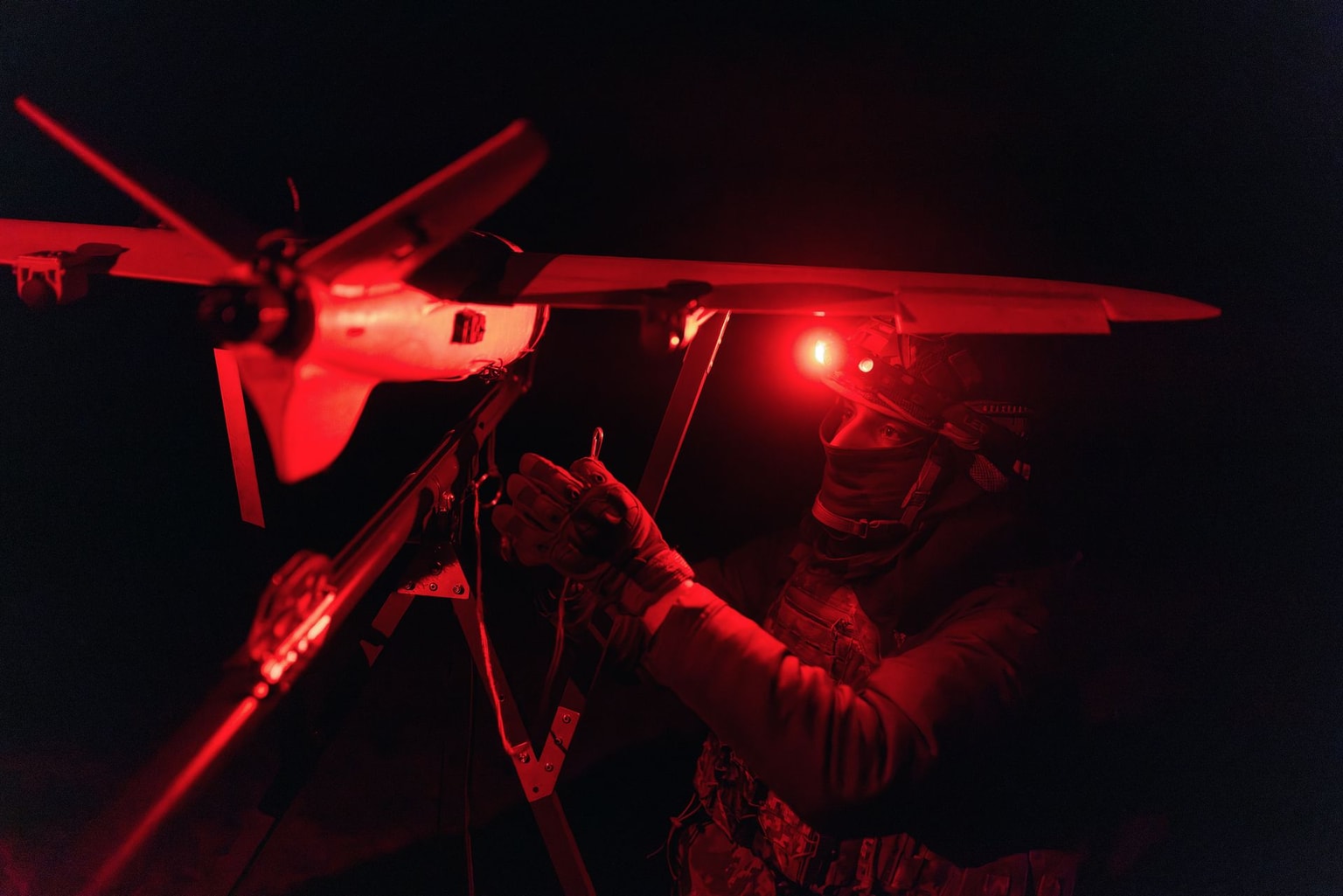
Ukrainian drones struck a Russian factory that manufactures fuel components for Kh-55 and Kh-101 cruise missiles in Tver Oblast, a source in the Security Service of Ukraine (SBU) familiar with the operation told the Kyiv Independent on Feb. 7.
The strike targeted the Redkino Experimental Plant, which produces components of Decilin-M rocket fuel, as well as fuel additives for diesel and aviation kerosene, the source said.
Russia routinely uses the missiles to attack Ukrainian cities, including during the mass strike on Feb. 7 that involved 21 Kh-101 missiles aimed at Ukraine's energy infrastructure.
Drones operated by the SBU's Alpha special forces unit hit the facility, triggering a large fire.
"After successful strikes by SBU drones, a massive fire broke out on the factory premises, with a column of black smoke rising above the facility," the source said.
Local authorities in Tver Oblast confirmed the attack, saying a fire erupted after a drone crashed at the site. Governor Vitaly Korolev said there were no casualties and claimed the plant's production was not affected, despite images circulating online showing flames.
The Redkino Experimental Plant is under sanctions imposed by the U.S., the U.K., and several other countries. Data from the FIRMS satellite monitoring service, which tracks fires worldwide in near real time, showed active burning on the plant's territory following the strike.
"The SBU continues to systematically strike key facilities of the Russian military-industrial complex," the source said, adding that the plant plays an "important" role in producing cruise missiles.
"Even a temporary halt to (the plant's) operations complicates rocket fuel production and reduces the enemy's ability to maintain the intensity of attacks on our cities."
'Situation remains difficult'– Ukraine grapples with ongoing power crisis ahead of another cold snap
Ukraine’s energy system remains under severe strain, and nuclear plants are still partially disconnected from the power grid as of Feb. 8 following Russia's mass attack on the country's critical infrastructure on Feb. 7.
One of the worst situations is in Kyiv, where residents have received just one-and-a-half to two hours of power per day for several days.
"The situation in the energy system remains difficult. The level of the power deficit and the damage inflicted on electricity transmission and distribution networks currently do not allow emergency outages to be lifted in most regions," Ukrenergo, the state-grid operator, said in a statement on Feb. 8.
Ukrenergo also said on that crews were working to restore power after two large-scale missile and drone attacks on the grid earlier this week. Restoration efforts are ongoing at power plants and high-voltage substations.
On the heels of these strikes, Russia launched a new drone attack on the facilities of Naftogaz, Ukraine's largest oil and gas company, in Poltava Oblast overnight on Feb. 8.
Naftogaz CEO Serhii Koretskyi wrote on Facebook that the attack damaged the company's assets and equipment. No casualties have been reported, according to Koretskyi.
This marks the 19th Russian attack on Naftogaz facilities since the start of the year, Koretskyi said.
Ukraine to open 10 weapons export centers in Europe in 2026 in major wartime policy shift
Ukraine will open 10 weapon export centers in Europe, including in Baltic and Northern European countries, in 2026, President Volodymyr Zelensky said on Feb. 8.
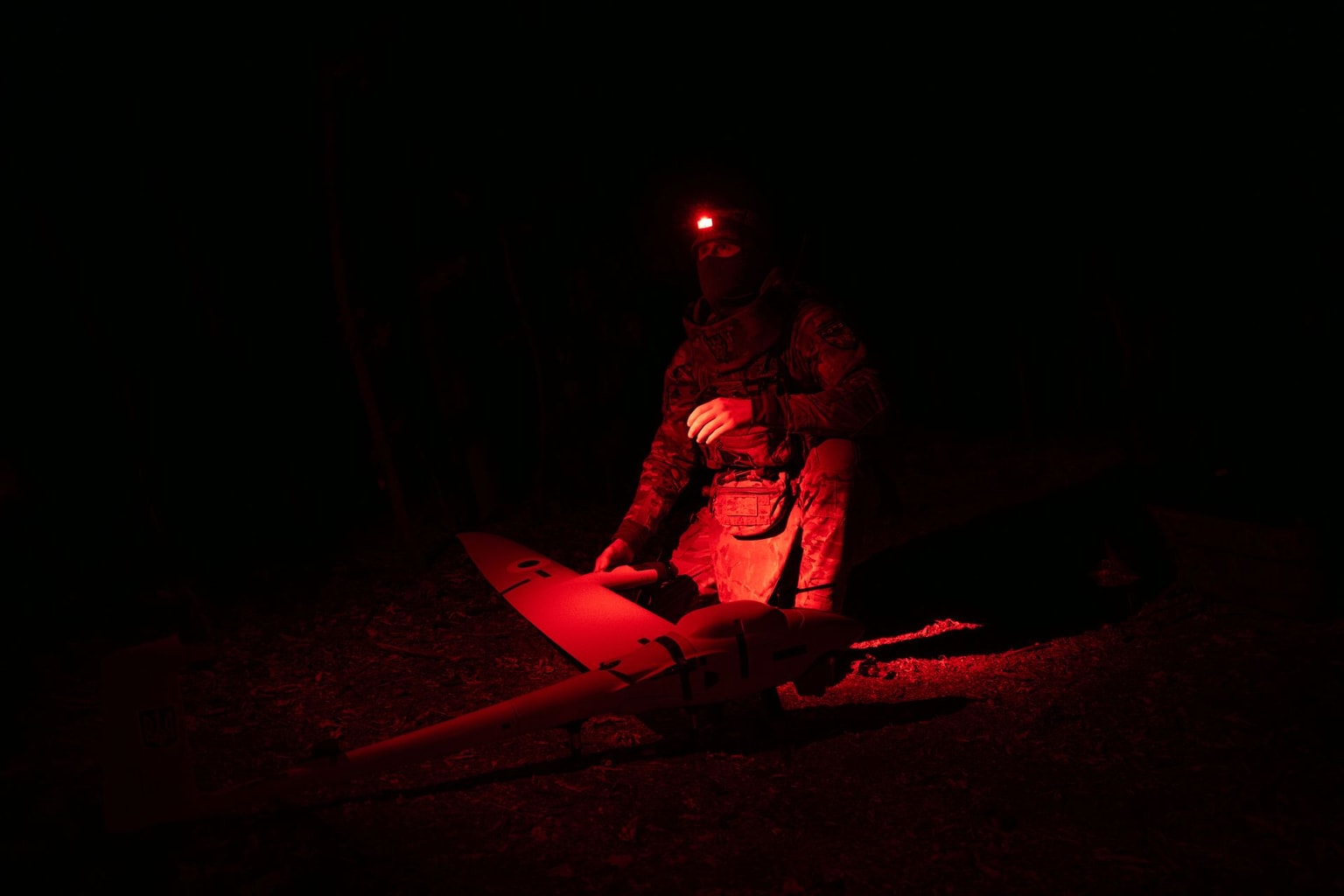
Zelensky also announced the upcoming production of Ukrainian drones in Germany.
“In mid-February, we will see the production of our drones in Germany. I will receive the first drone. This is a fully operational production line. In the U.K., similar production lines are already running. These are all Ukrainian technologies,” he wrote on Telegram.
"Today, Europe’s security is built on technology and drones. There are several different projects. All of this will be based largely on Ukrainian technologies and Ukrainian specialists," Zelensky wrote in his announcement on Telegram.
Exporting defense technologies and opening weapons production lines in partner countries are part of a broader effort to internationalize Ukraine's arms production, as its drone production capacity outpaces its financing.
The news follows Zelensky's instruction in October for the Defense Ministry to launch the "controlled export" of Ukrainian weapons abroad beginning in November 2025.
Under the proposed system, Ukraine will export military equipment it holds in surplus and spend the profits on urgently needed weapons.
Ukraine's defense sector — and its drone industry in particular — has exploded since the start of Russia's full-scale invasion in 2022. More than 200 drone companies have emerged, many producing cheap, adaptable systems that have reshaped modern warfare.

Note from the author:
Ukraine War Latest is put together by the Kyiv Independent news desk team, who keep you informed 24 hours a day, seven days a week. If you value our work and want to ensure we have the resources to continue, join the Kyiv Independent community.