Ukraine war latest: 200 Ukrainian POWs return home in latest exchange, Zelensky says
 on Google
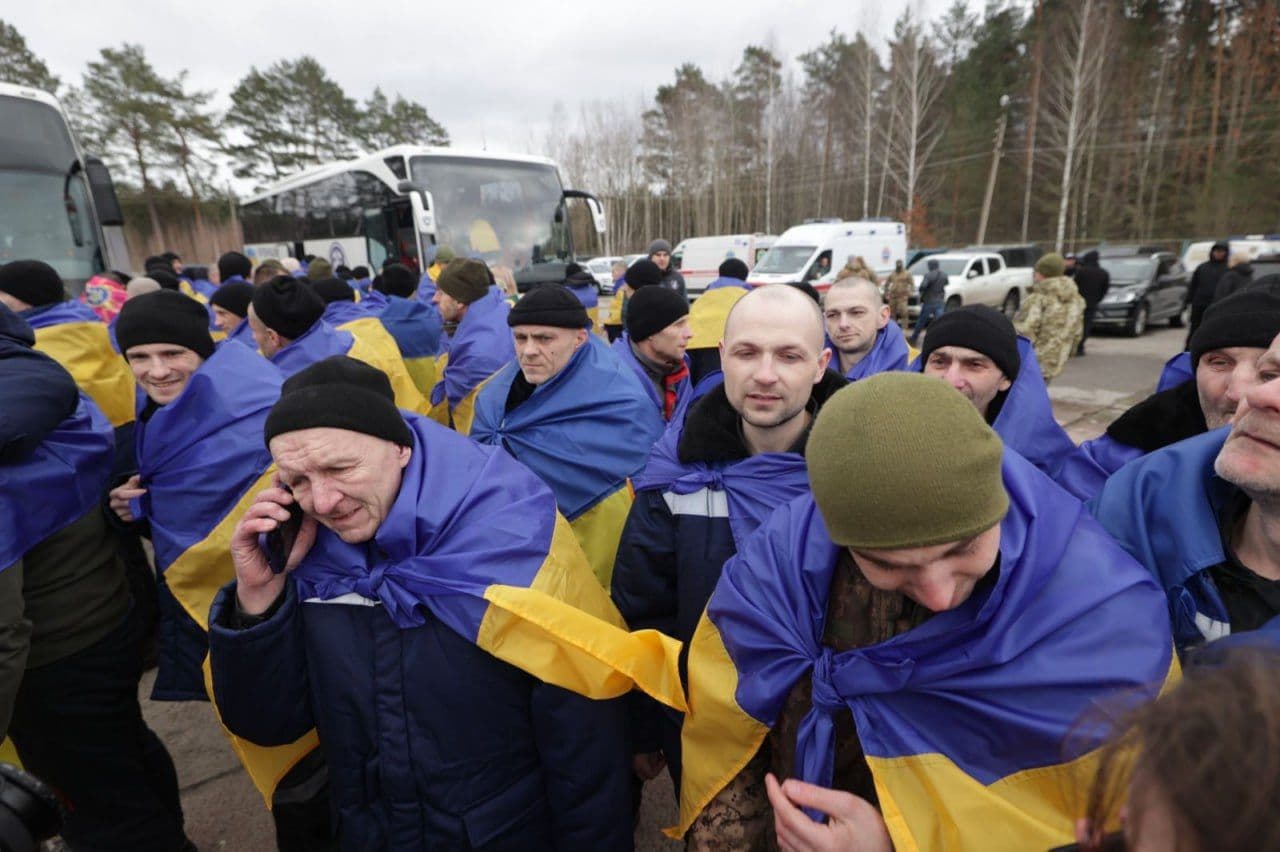
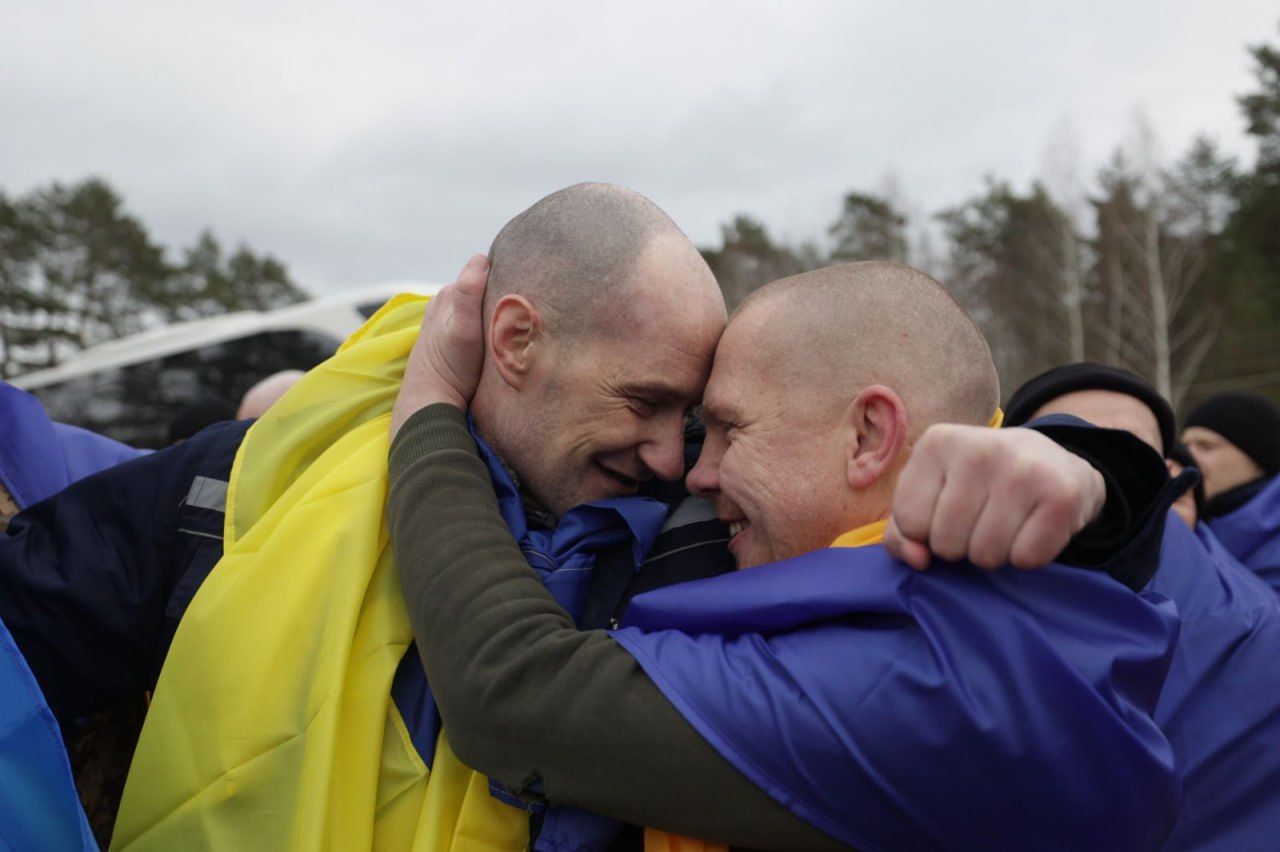
Ukraine has brought home 200 soldiers held in Russian captivity in the latest prisoners of war (POW) exchange on March 5, President Volodymyr Zelensky announced.
The Russian Defense Ministry confirmed releasing 200 Ukrainian POWs in exchange for the same number of Russian soldiers captured by Ukraine, in a swap brokered by the U.S. and the United Arab Emirates.
The released Russian POWs are currently in Belarus, receiving medical and psychological assistance, according to the ministry.
"Every time our people return home, it proves that Ukraine is working to return each and every one," Zelensky said on Telegram, adding, "We do not forget anyone."
Among the POWs who returned are soldiers who defended Mariupol, Donetsk, Luhansk, Kharkiv, and Zaporizhzhia, serving in the Armed Forces, the State Special Transport Service, the Border Guards, or the National Guard, according to Zelensky.
The latest POW exchange comes a month after the previous swap on Feb. 5, when 157 Ukrainian POWs returned home from Russian captivity following peace talks in Abu Dhabi. The February exchange was the first in nearly four months, with Zelensky saying Moscow had blocked swaps throughout that period.
Ukraine's Human Rights Ombudsman, Dmytro Lubinets, said the March 5 release marks the first stage of a large-scale exchange agreed upon by Russia and Ukraine during negotiations in Geneva in February.
Russian President Vladimir Putin's adviser, Vladimir Medinsky, later confirmed that a 500-for-500 prisoner exchange would take place on March 5 and 6 under the Geneva agreements, RIA Novosti reported.
The youngest soldier to return is 27, and the oldest is 59. Many of those released are in a difficult psychological condition, and some are critically underweight, Lubinets added.

More Patriot missiles used in Middle East in 3 days than in Ukraine since 2022, Zelensky says
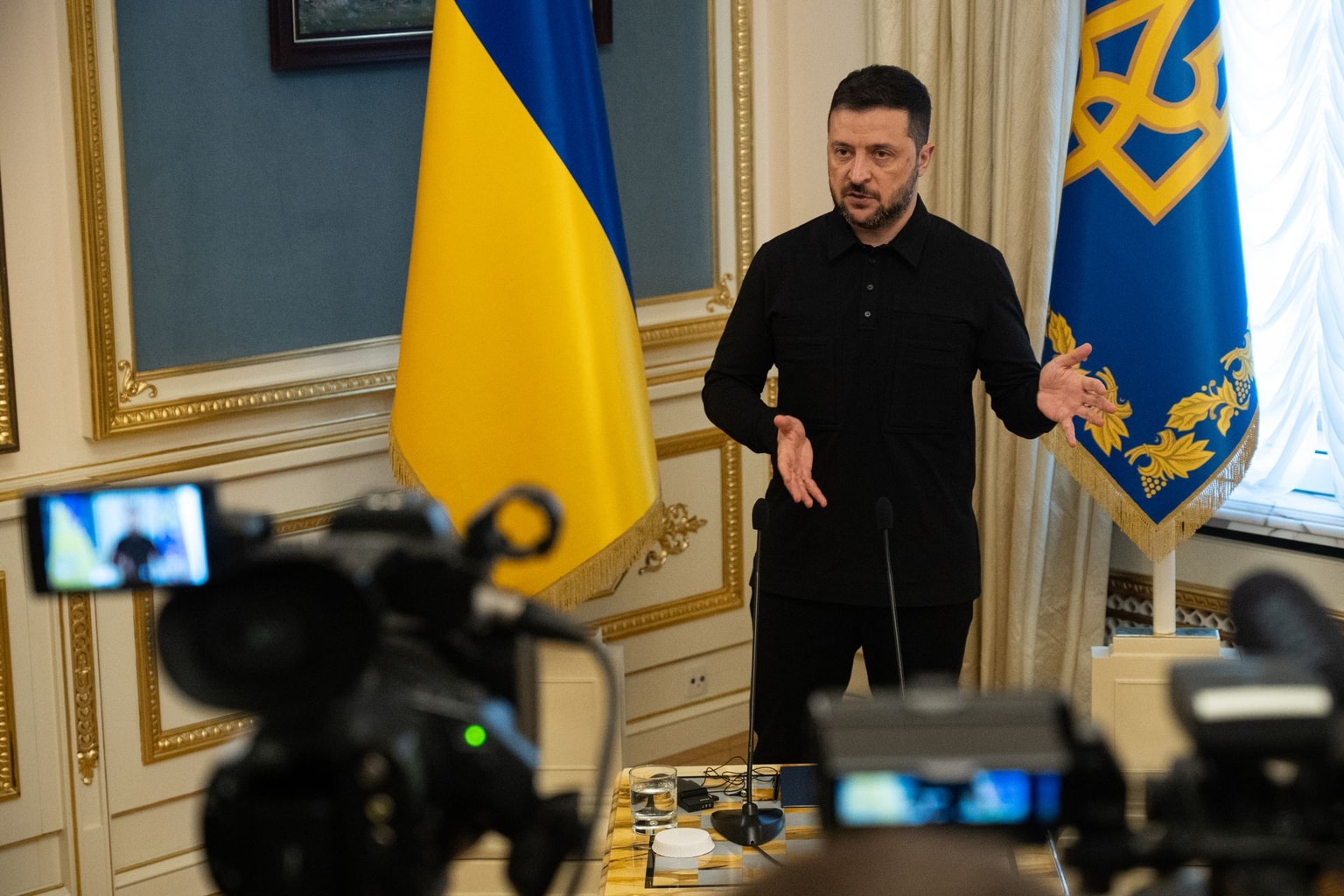
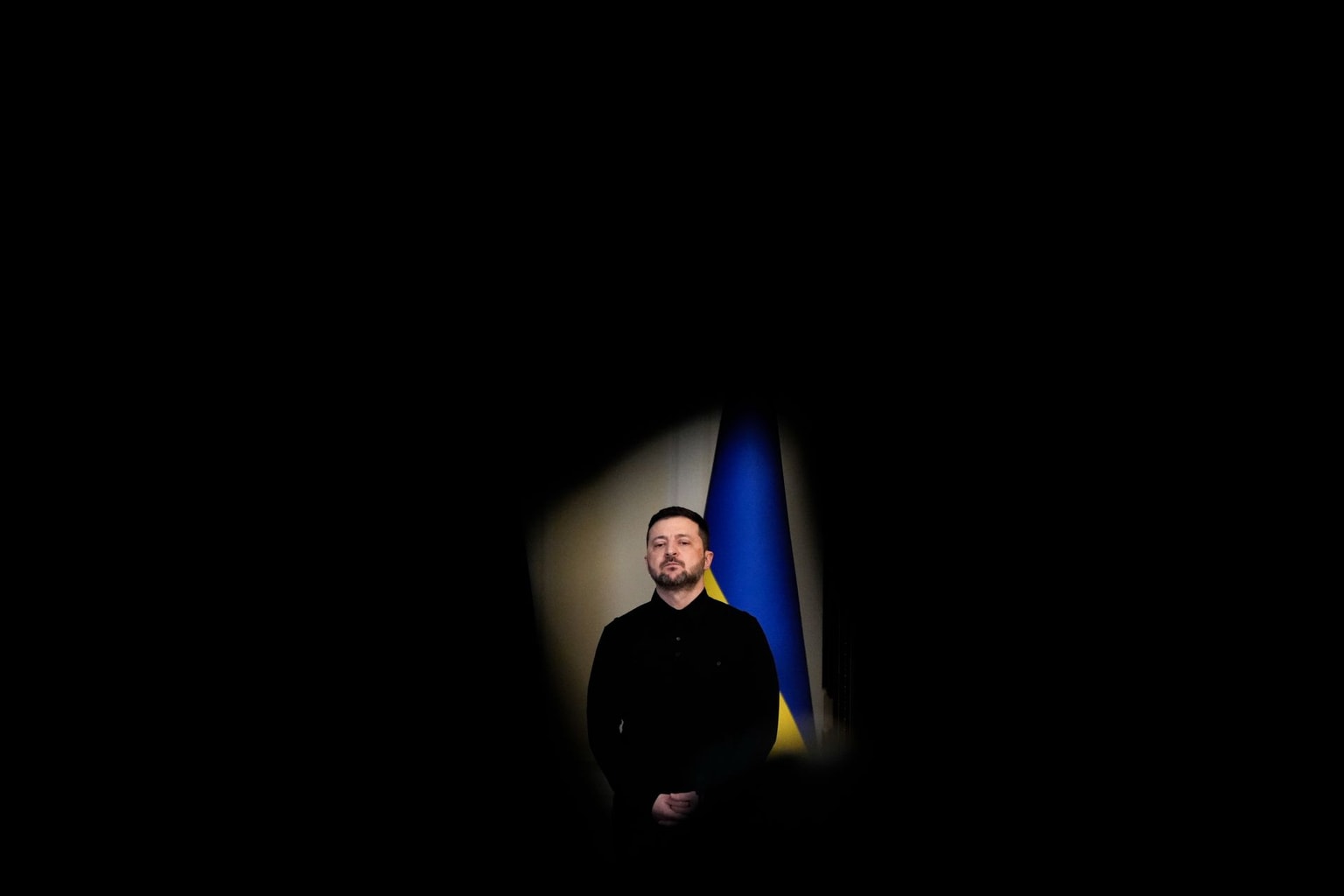
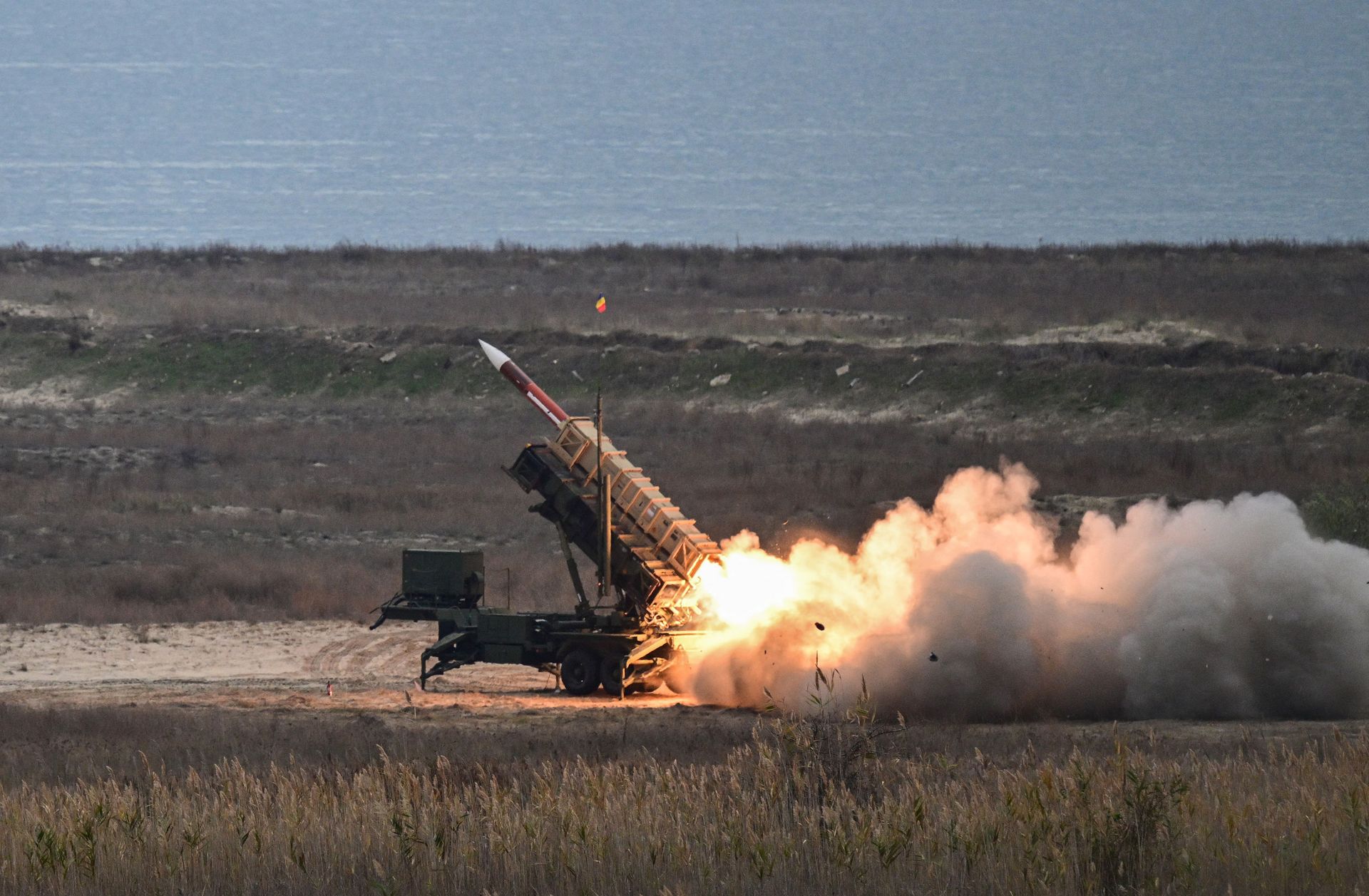
In just three days of fighting in the Middle East, more than 800 Patriot missiles were used — more than Ukraine has received throughout the entire Russian full-scale invasion, Zelensky said during a press briefing on March 5.
The statement comes as tensions continue to escalate in the Middle East after the U.S., in a joint operation with Israel, carried out strikes on several Iranian cities on Feb. 28 that killed Iran's supreme leader, Ali Khamenei.
"Ukraine has never had this many missiles to repel attacks. More than 800 have been used over the past three days alone," Zelensky said.
Zelensky said that when Ukraine first faced Iranian Shahed-type drones in 2022, it used "everything it had" to repel the attacks. Yet the president added that Ukraine has since gained significant experience in countering such strikes.
"Everyone understands that Patriot (missiles) are not enough," Zelensky said.
Zelensky reiterated that Ukraine is ready to provide drone interceptors in exchange for missiles, though he did not specify which countries could be involved.
Zelensky added that Ukraine is prepared to share its expertise with countries facing Iranian attacks to help protect civilians and oil infrastructure in the Middle East.
Russian Ka-27 helicopter destroyed over Black Sea, Ukraine's Navy says
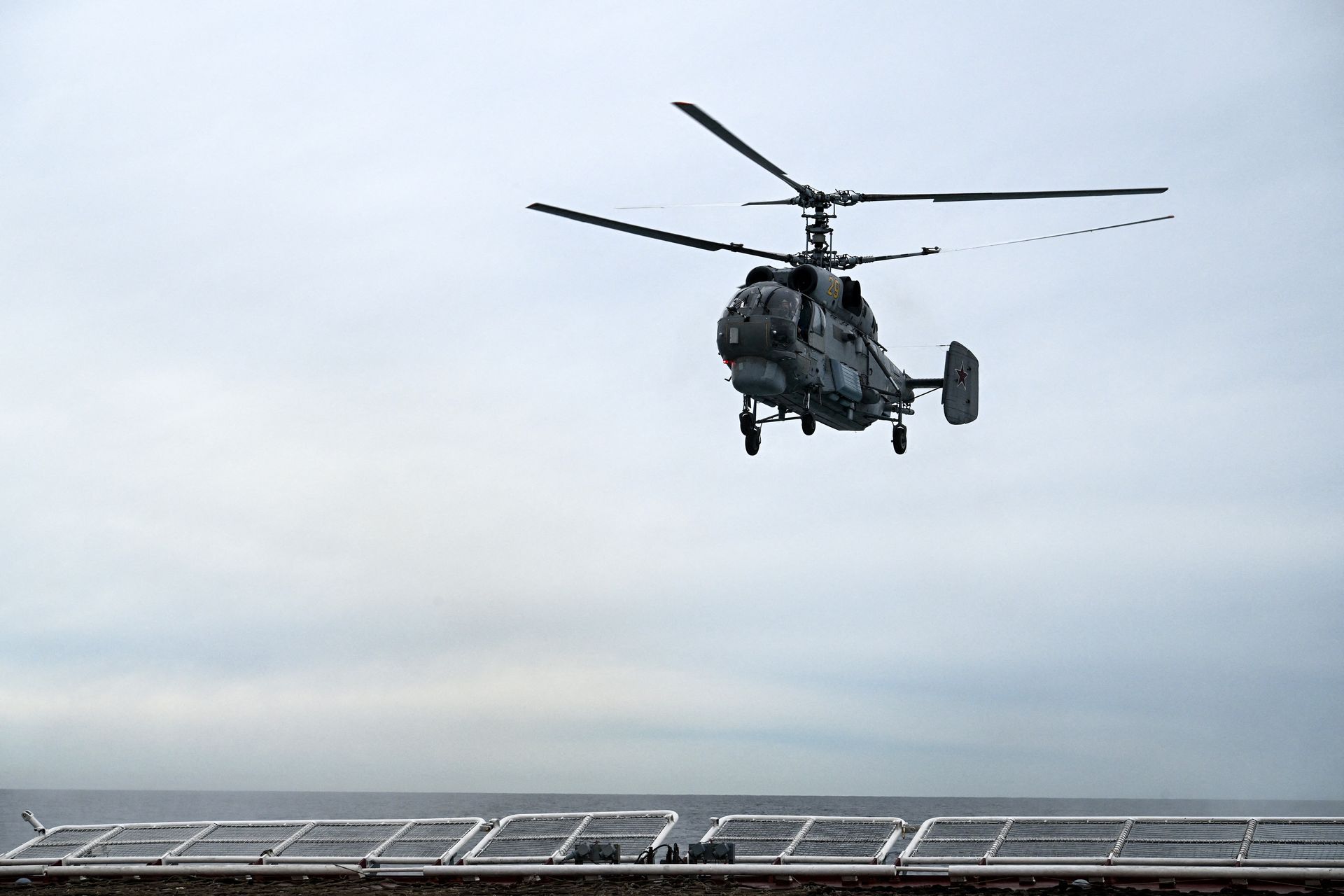
Ukraine's Navy said on March 5 that it destroyed a Russian Ka-27 helicopter over the Black Sea, without clarifying when it had happened.
The latest report brings up the number of Russian helicopters Ukraine says it has destroyed to 349 since the beginning of the full-scale invasion. The Navy has not clarified how it shot down the helicopter.
Moscow has not reacted to the Ukrainian report of downing its helicopter.
Ka-27 helicopters, which were designed for the Soviet Navy to carry out attacks on submarines, are currently used by Russian forces in the Black Sea to monitor the movements of Ukrainian naval drones and landing boats, according to the Telegram channel Crimean Wind.
Ukraine's Navy and its southern Air Force command have been trying to bolster security in the Black Sea airspace, aiming to shoot down threats to port cities such as Odesa.
Russia's transfer of 2 Ukrainian POWs to Hungary a 'provocation,' Ukraine says
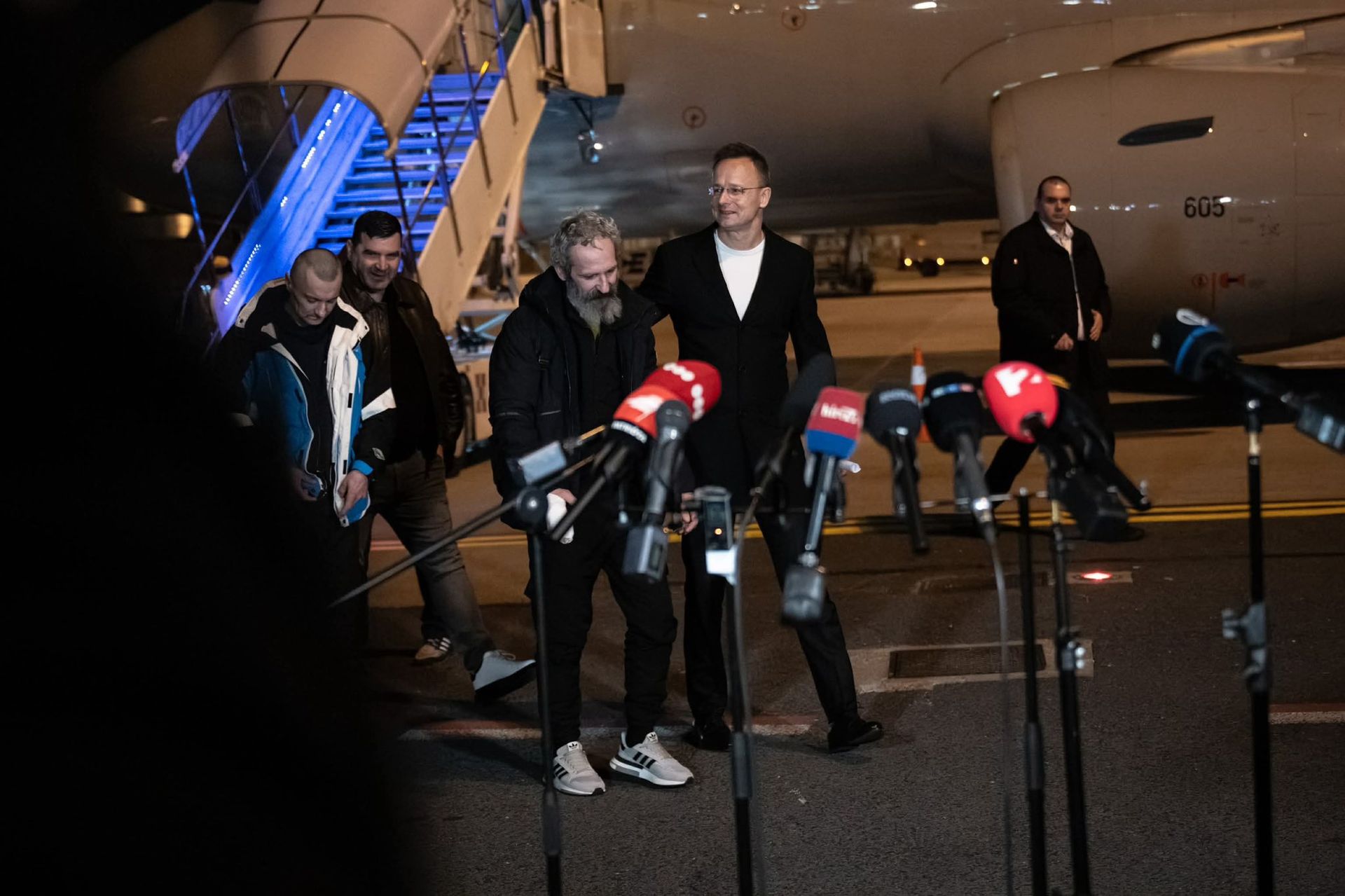
Ukraine condemned the Russian transfer of Ukrainian prisoners of war (POWs) to Hungary as "a gross violation of the International Humanitarian Law" on March 5, a day after the Kremlin released two Ukrainian POWs who held a dual Hungarian citizenship following talks with Budapest.
Calling it "a Russian provocation" of the Geneva Conventions, the Coordination Headquarters for the Treatment of Prisoners of War condemned what it saw as Russia's attempt to worsen Ukraine's relations with Hungary as part of Russia's hybrid aggression against Europe.
"We call on all those involved in this provocation to abandon their illegal intentions and not to use Ukrainian servicemen who have been taken prisoner by Russia as a bargaining chip," the Coordination Headquarters wrote in its Telegram post.
Earlier on March 4, Putin vowed to release two Ukrainian POWs who also held Hungarian citizenship and who he claimed were "forcibly mobilized" into the Ukrainian army following a meeting with Hungary's Foreign Minister Peter Szijjarto. He said it was per Budapest's request.
The Hungary-Russia agreement comes as the two countries deepen ties, even after Russia's brutal war against Ukraine pushed many Western nations away from relations with Moscow.
Putin told Szijjarto to take the two Ukrainian POWs with Hungarian citizenship on the plane he took to fly to Moscow.