The trade-off Ukraine won't make
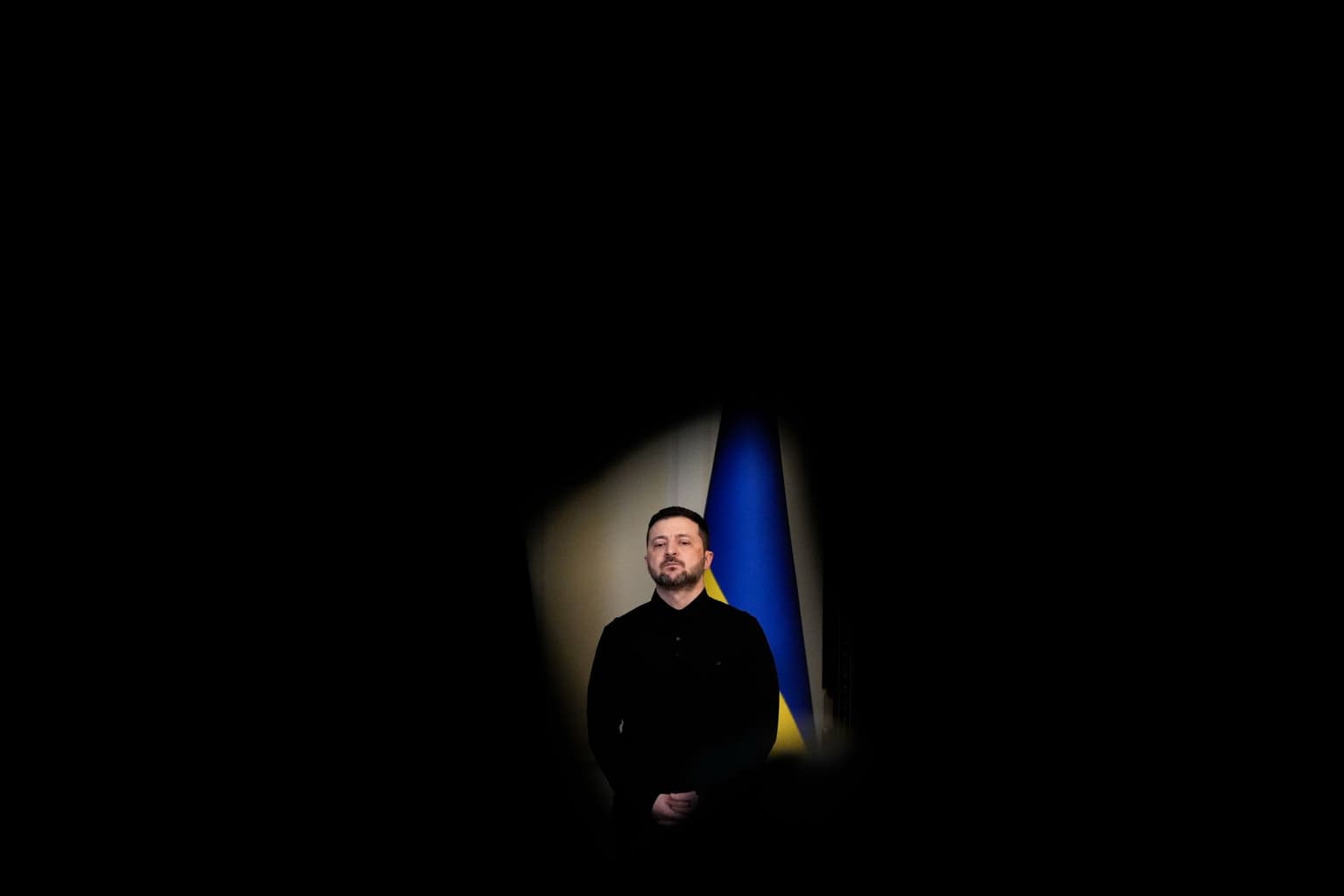
President Volodymyr Zelensky in Kyiv, Ukraine, on Oct. 13, 2025. (Julia Demaree Nikhinson / AP)
 on Google
U.S.-mediated peace talks between Russia and Ukraine have stalled as Kyiv refuses to cede territory in the country's east without a fight, a Kremlin demand that officials familiar with the matter say is not opposed by Washington.
At the same time, President Volodymyr Zelensky faces scrutiny after offering differing assessments of U.S. readiness to provide security guarantees.
Kyiv has insisted that credible security guarantees are necessary to prevent Russia from launching another invasion.
Yet recent negotiations suggest the issue is now tightly linked to the most contentious topic of all: territory, particularly the future of Ukraine's Donbas region, consisting of partly occupied Donetsk and Luhansk oblasts.
Zelensky told Reuters that the U.S. is prepared to offer such guarantees in exchange for Ukraine withdrawing troops from parts of Donbas still under Kyiv's control.
The statement came just two months after Zelensky said bilateral U.S.-Ukraine security guarantees were "fully agreed," and weeks after negotiators from Ukraine, Russia and the U.S. agreed on Washington's role in overseeing a potential ceasefire.
Ukrainian officials had previously maintained that progress was being made on guarantees, with some even suggesting that Russia had signaled openness to the idea, despite Moscow publicly denying this.
As negotiations now stall over territory, those earlier claims appear increasingly at odds with the realities of the talks.
Security guarantees
In practice, U.S. security guarantees were never finalized, according to officials familiar with the negotiations.
One Ukrainian official told the Kyiv Independent that the U.S. had not signed any guarantees and instead proposed finalizing them as part of a broader settlement — effectively tying the issue to a comprehensive agreement to end the war.
Such an arrangement places the guarantees question behind the most difficult obstacle of all: Russia's territorial demands, particularly in Donbas.
Moscow has long demanded that Ukrainian forces withdraw from the region and is now explicitly linking any future agreement to such a move.
Ukraine has ruled out a withdrawal. At the same time, officials said alternative arrangements were explored, including a demilitarized zone. Ukraine also floated the idea of establishing a free economic zone in parts of the war-torn region.
"The Americans are prepared to finalise these guarantees at a high level once Ukraine is ready to withdraw from Donbas."
Ukrainian officials said Kyiv examined multiple proposals, including special administrative or economic zones, but discussions ultimately reached an impasse.
At one meeting, U.S. officials dismissed these options and indicated that Russia was instead counting on Ukraine's withdrawal from Donbas.
That dynamic appears to underpin Zelensky's remarks.

"The Americans are prepared to finalise these guarantees at a high level once Ukraine is ready to withdraw from Donbas," he said in the Reuters interview.
One U.S. official familiar with the discussions rejected Zelensky's characterization, denying that Washington had pressured Kyiv to cede territory in exchange for guarantees.
At the same time, another Ukrainian official said the United States had previously signaled such a stance, showing diverging interpretations of the same negotiations.
Zelensky's earlier claim that guarantees were "fully agreed" now appears overstated.
Washington has not signed any binding commitments and appears reluctant to do so before a broader settlement is reached.
Even if agreement were achieved, binding guarantees would require approval from the U.S. Congress, further complicating the process and reinforcing Washington's preference for a comprehensive deal.
Donbas problem
The territorial dispute in eastern Ukraine has increasingly become the central obstacle to the talks — and the point where competing negotiating tracks collide.
According to one person familiar with the discussions, Kyiv proposed what it described as "doable" solutions to address the issue, but Moscow rejected them.
U.S. negotiators also attempted to develop compromise proposals during the latest round of talks, yet those ideas were dismissed by both sides.
One person said U.S. negotiators directly told Ukrainian counterparts that Moscow would only agree to Kyiv's withdrawal.
"Territorial issues are the main topic of discussion. No progress has been made on them so far," Kremlin spokesperson Dmitry Peskov said on March 26.
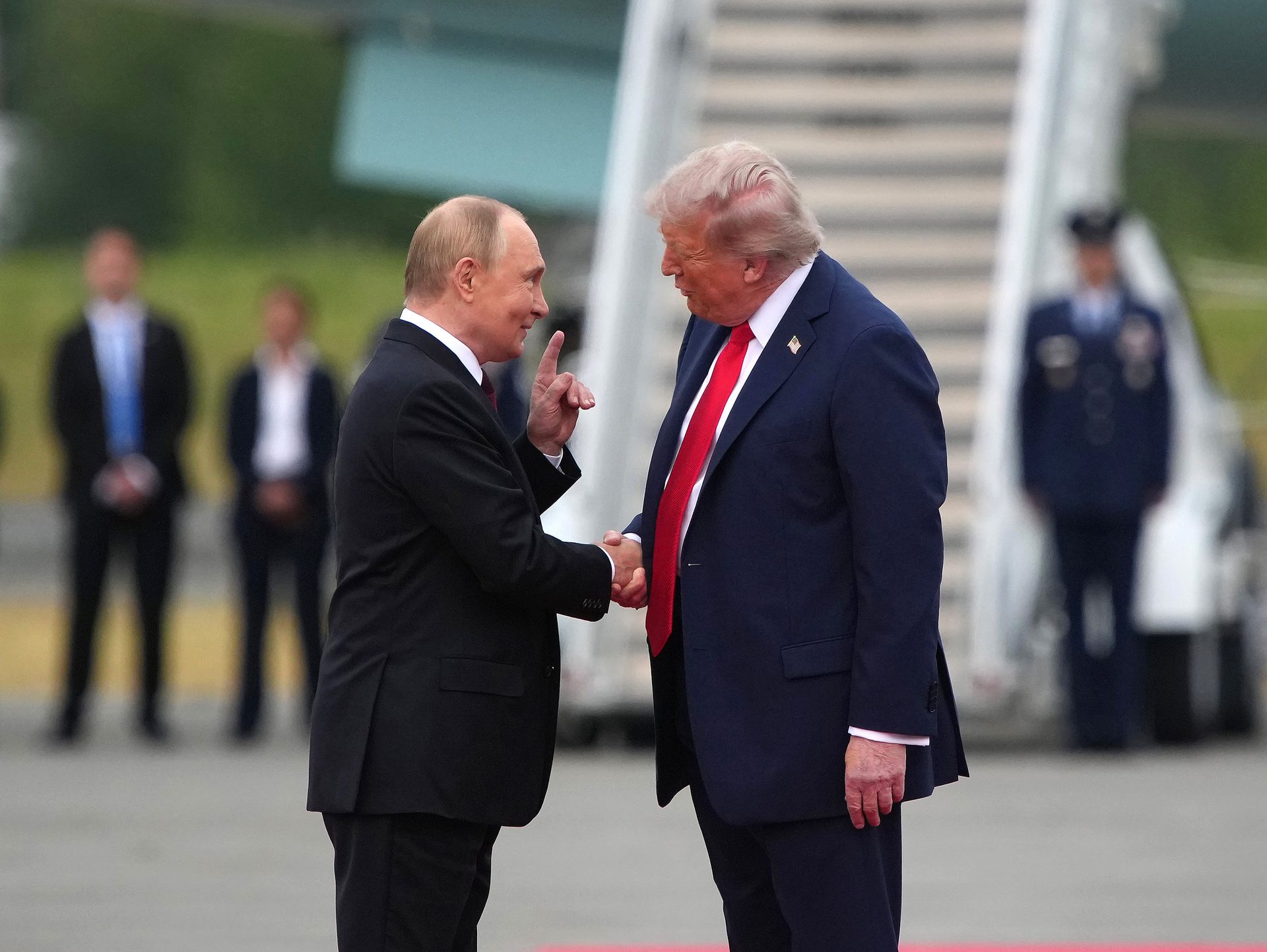
Since an August 2025 meeting between U.S. President Donald Trump and Russian President Vladimir Putin, Moscow has pushed for what it described as an "Anchorage agreement," under which Ukraine's Donbas would be handed to Russia.

The United States rejected the proposal at the time.
A U.S. official told the Kyiv Independent that Washington still maintains territorial decisions are "up to" Kyiv and Moscow.
At the same time, U.S. officials appear reluctant to apply pressure on Moscow to abandon its demand, reinforcing perceptions of a deadlock.
While some reporting suggested that the U.S. could just walk away from negotiations, one Ukrainian official told the Kyiv Independent that Washington would pressure Kyiv to accept Moscow's demands.
"If they walk away, it will be their loss," the person said. "They can't afford any setbacks, and American society doesn't believe Ukraine is to blame."
Russia's battlefield difficulties may be shaping the negotiations track, said Emil Kastehelmi, a military analyst with the Black Bird Group.
"For this war to end, I think Putin probably has to die."
"The reason the negotiations are in such a difficult position is because neither party is strong enough or weak enough, basically, that they would seriously try to find a diplomatic solution to the war, even if the terms are difficult," he said.
Ukraine, he noted, can still resist Russian attacks and launch localized counteroffensives, while Moscow is not in a position to dictate terms, particularly after failing to capture heavily fortified areas it now demands Kyiv relinquish.
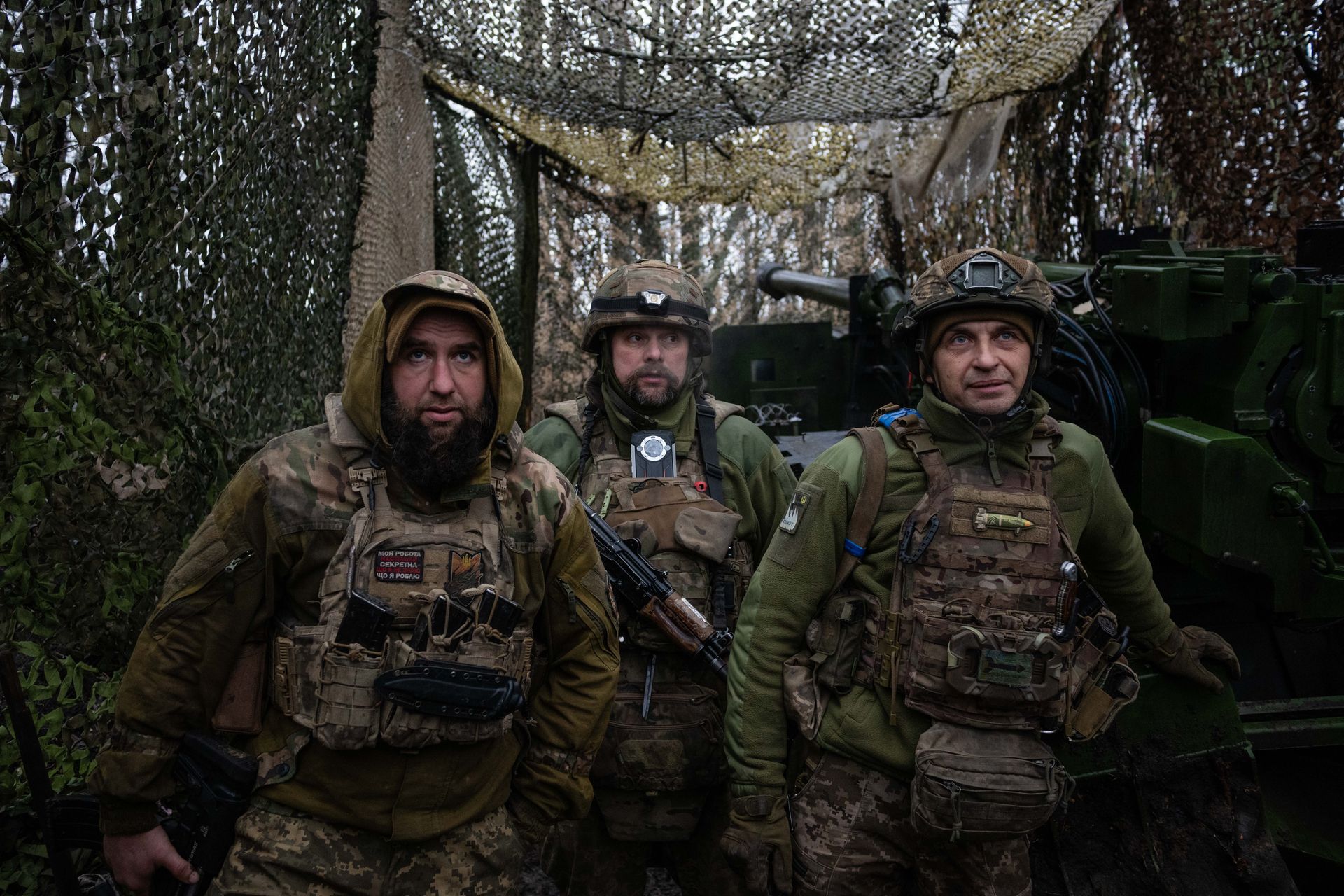
For Ukrainian soldiers on the front line, the debate over territory is not abstract. Many say concessions would only embolden Russia and prolong the war.

"For this war to end, I think Putin probably has to die," Semen "Sega," a 38-year-old artilleryman, told the Kyiv Independent.
Pavlo "Bakhmut," a 36-year-old artilleryman from Russian-occupied Bakhmut, said he continues fighting precisely because he "doesn't want to give up" territory.
"That's why I stay with my brothers-in-arms, because simply letting go of this land is not an option," he said. "Russia will just move forward and take more."
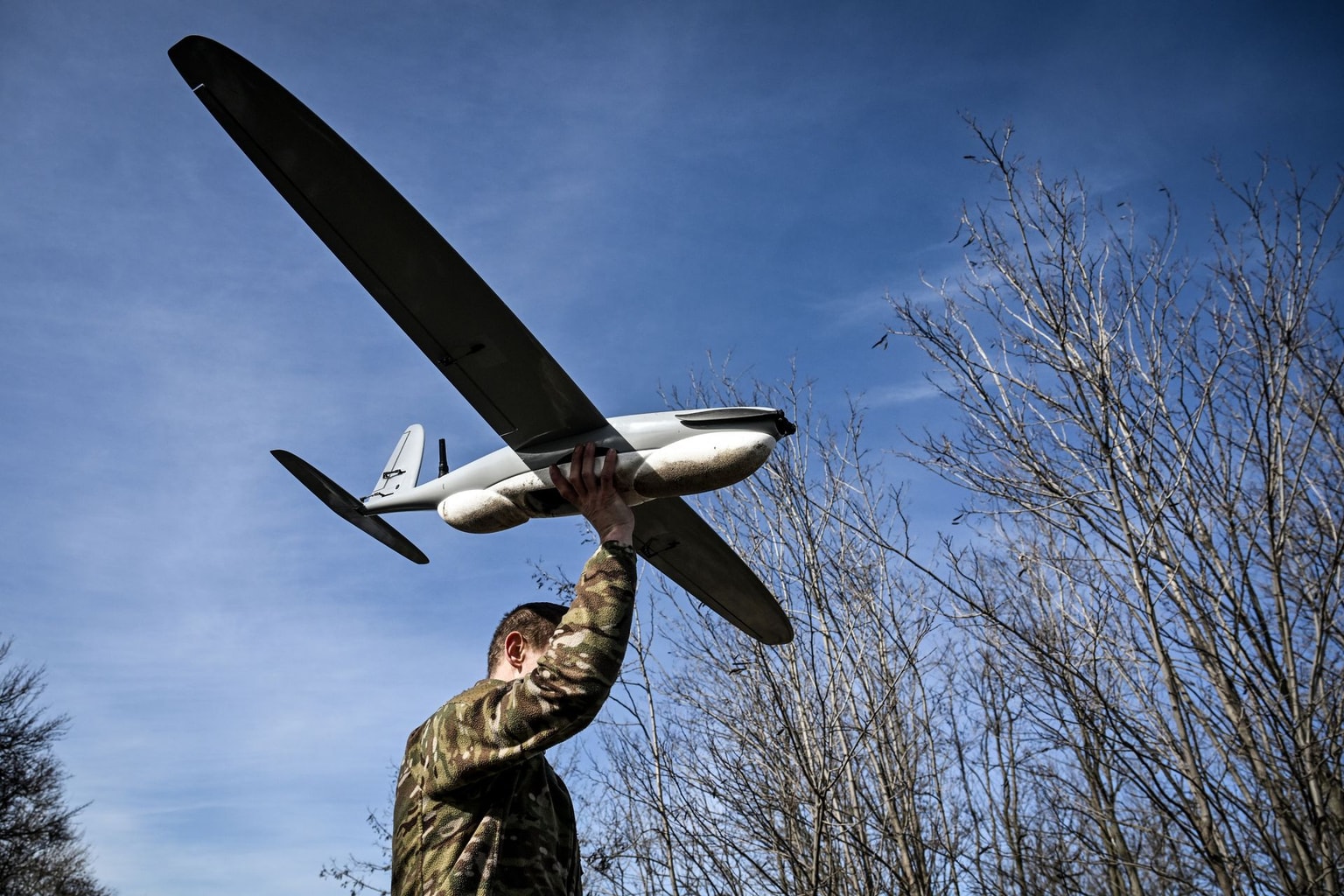
Oles "Simon," a 39-year-old drone pilot near Sloviansk, echoed that view, warning that any agreement lacking enforcement would likely collapse.
"Of course, Russia will go further; they are simply not capable of holding to an agreement, and that has been proven over and over again," he said.
"You make a deal with them, and they break it immediately."
read also
 Tim Zadorozhnyy
 Irwin Redlener