Ukraine, Russia, US conclude 2-day 'constructive' peace talks in UAE, set to continue on Feb. 1
 on Google
Editor's note: This story has been updated with additional details.
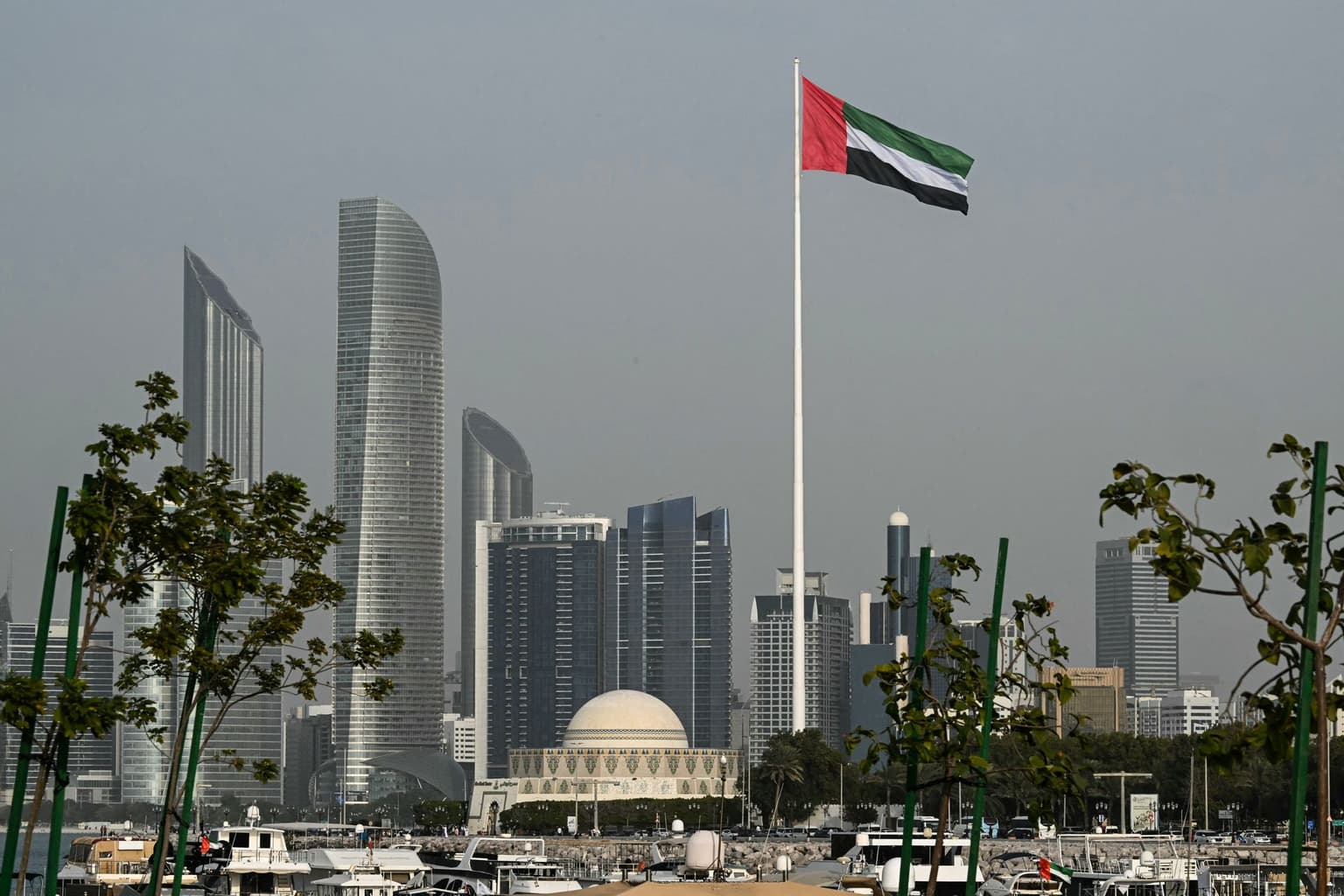
Ukraine on Jan. 24 concluded the second round of trilateral peace talks with Russia and the United States in the UAE, capping two days of negotiations in a renewed U.S.-led effort to push toward a settlement in Russia's full-scale war.
The talks between the three countries are set to continue in Abu Dhabi on Feb. 1.
U.S. Presidential Special Envoy Steve Witkoff said on X that the two-day talks were "very constructive," and added that "(U.S.) President (Donald) Trump and his entire team are dedicated to bringing peace to this war."
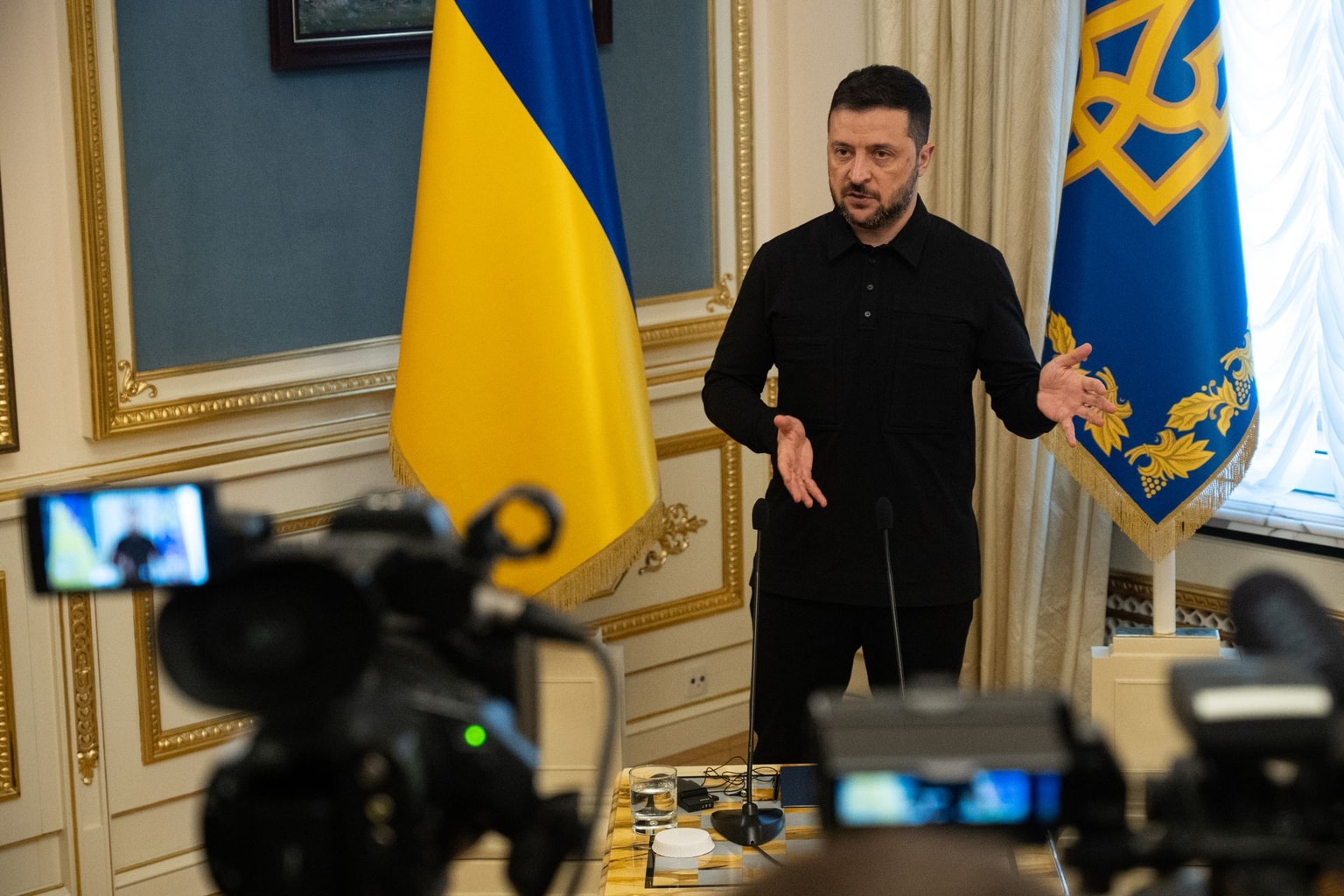
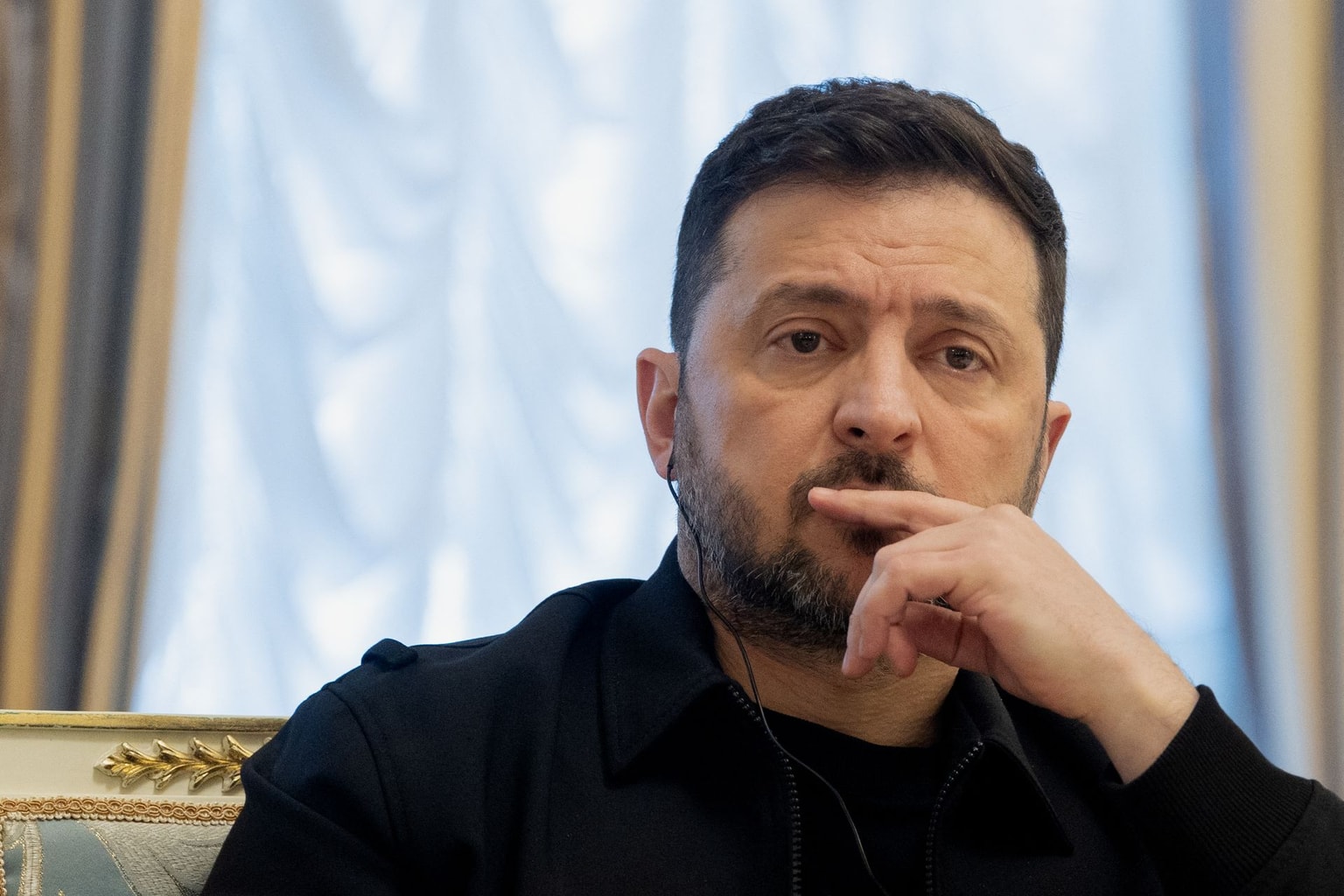
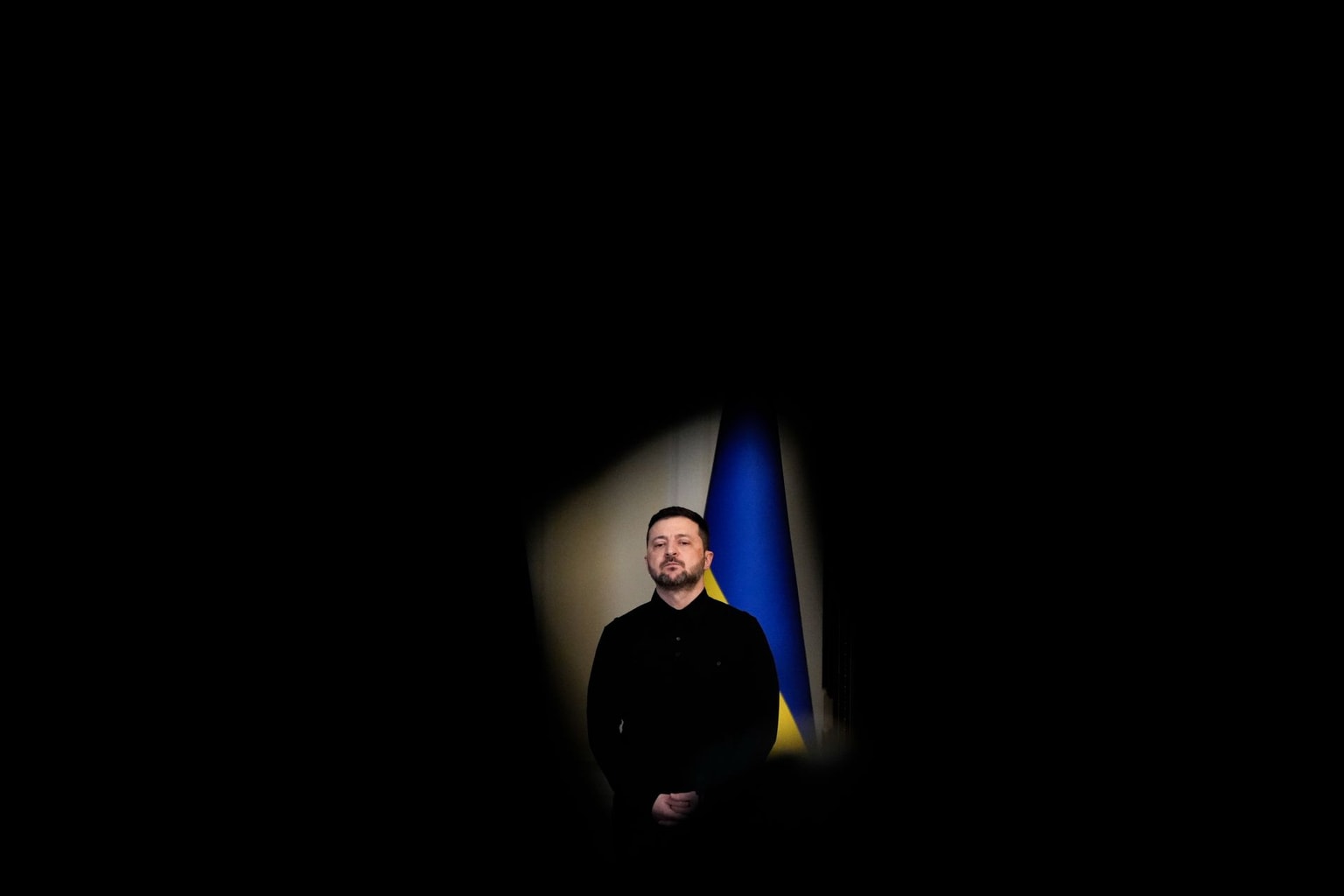
"The main thing the discussions focused on was potential parameters for ending the war," President Volodymyr Zelensky said following the talks.
"I value greatly that there is an awareness of the necessity of American monitoring and control over the process of ending the war and maintaining real security."
A spokesperson for the UAE government said the discussions were conducted in a "constructive and positive atmosphere" and included direct engagement between Russian and Ukrainian representatives on a U.S.-proposed peace framework.
The talks began on Jan. 23 and followed an intense day of diplomacy on Jan. 22, when Zelensky met Trump in Davos, while U.S. envoys held separate late-night talks with Russian President Vladimir Putin in Moscow.
The trilateral discussions were expected to focus on two core issues: the future of the partially occupied Donbas region and a potential halt to attacks on energy infrastructure, proposals Ukrainian and U.S. teams plan to put to the Russian side.
"The issue of Donbas is key," Zelensky told reporters before the talks began. "It will be discussed, and the modalities as seen by the three sides will be addressed in Abu Dhabi."
Moscow's preconditions
Those talks open under clear pressure from the Kremlin.
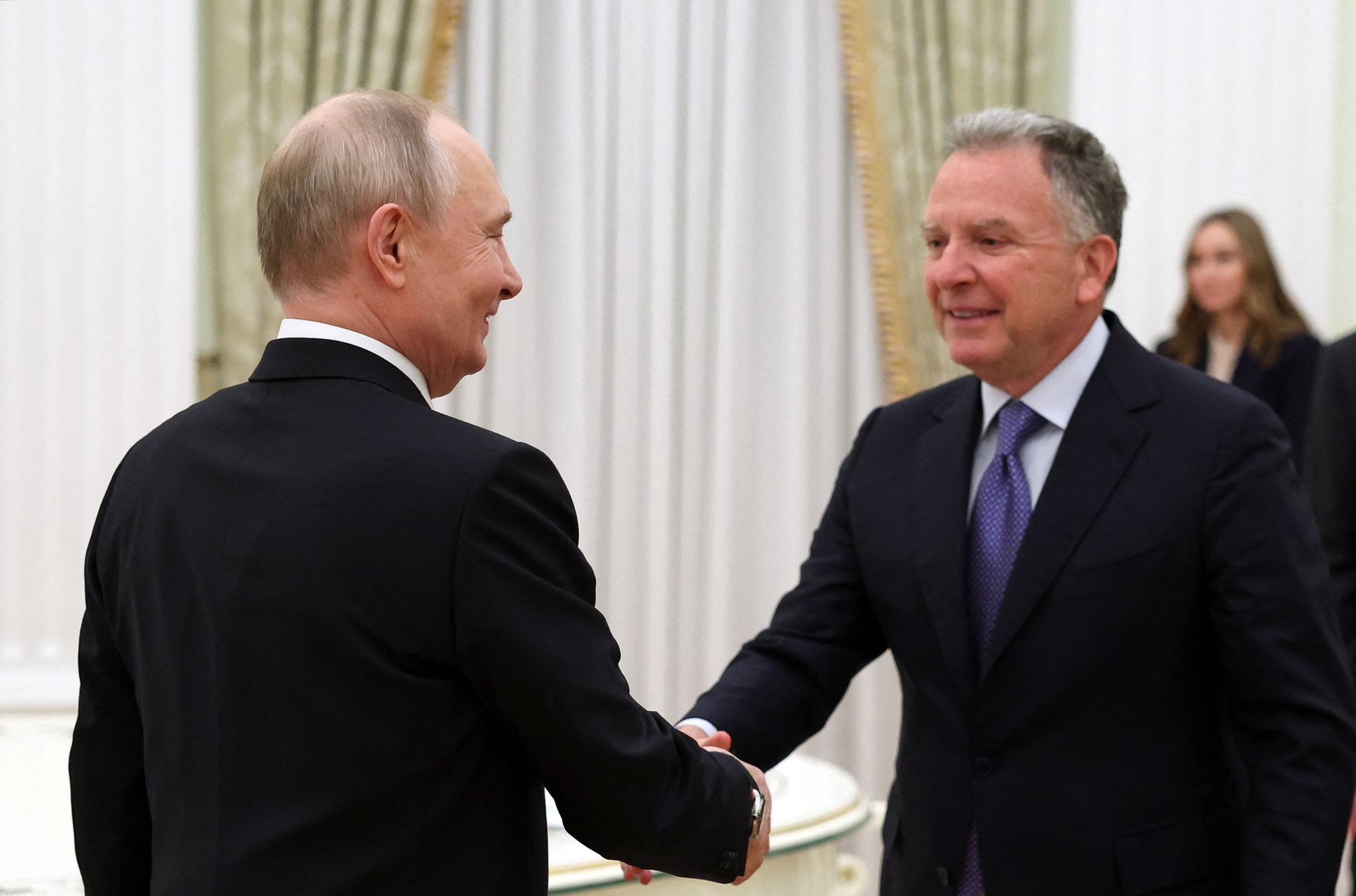
During meetings in Moscow on Jan. 22, Putin told a U.S. delegation that without resolving the territorial question, there is "no point in hoping" for a settlement of the war, according to Kremlin aide Yuri Ushakov.
Putin insisted that any agreement must resolve the issue "according to the formula agreed upon in Anchorage," referring to the Putin–Trump meeting held in August 2025.
Ahead of that Alaska summit, the Kremlin had demanded that Kyiv withdraw its forces from parts of Donetsk and Luhansk oblasts not fully occupied by Russia.
Ushakov said Putin reiterated that position to U.S. negotiators, framing it as a non-negotiable condition for progress toward a long-term deal.

Who is at the table
Ukraine's delegation includes senior officials such as National Security and Defense Council Secretary Rustem Umerov and Presidential Office head Kyrylo Budanov.
On the Russian side, the delegation includes senior Defense Ministry representatives led by Admiral Igor Kostyukov, head of military intelligence.
Top Kremlin envoy Kirill Dmitriev and U.S. Special Envoy Steve Witkoff are also present. Russian officials said they are expected to focus on "economic affairs," while a separate working group dealing with security issues joins the trilateral format.
The economic track includes talks on using Russian assets frozen in the United States to fund postwar reconstruction in Ukraine and to cover a proposed $1 billion membership fee for Trump's Board of Peace.
Ukraine's presidential adviser Dmytro Lytvyn said the talks are taking place in multiple formats, with participants alternating between joint sessions, separate bilateral discussions, and smaller groups divided by specific issues.
The Donbas issue
Territory remains the most contentious part of the talks.
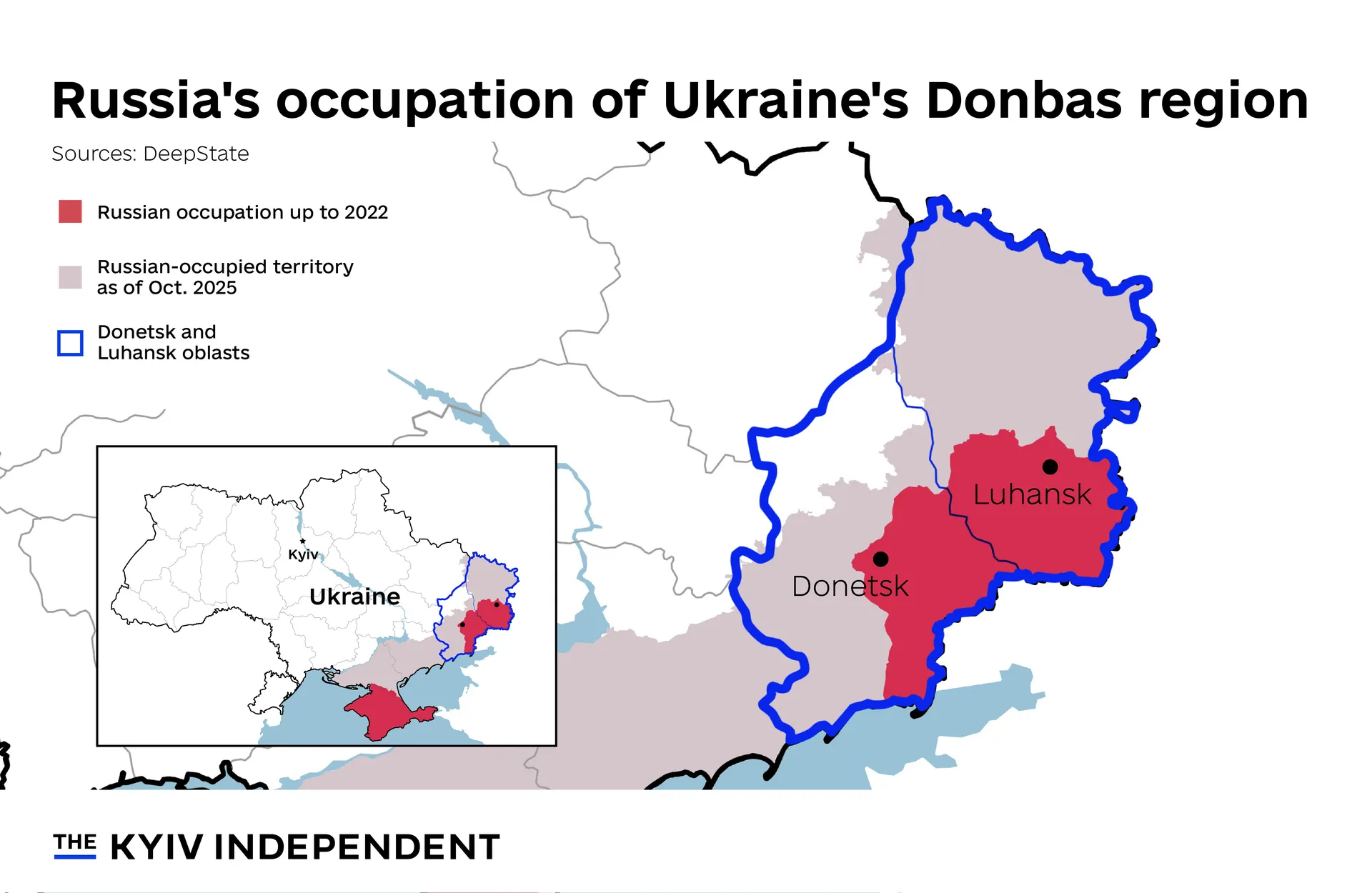
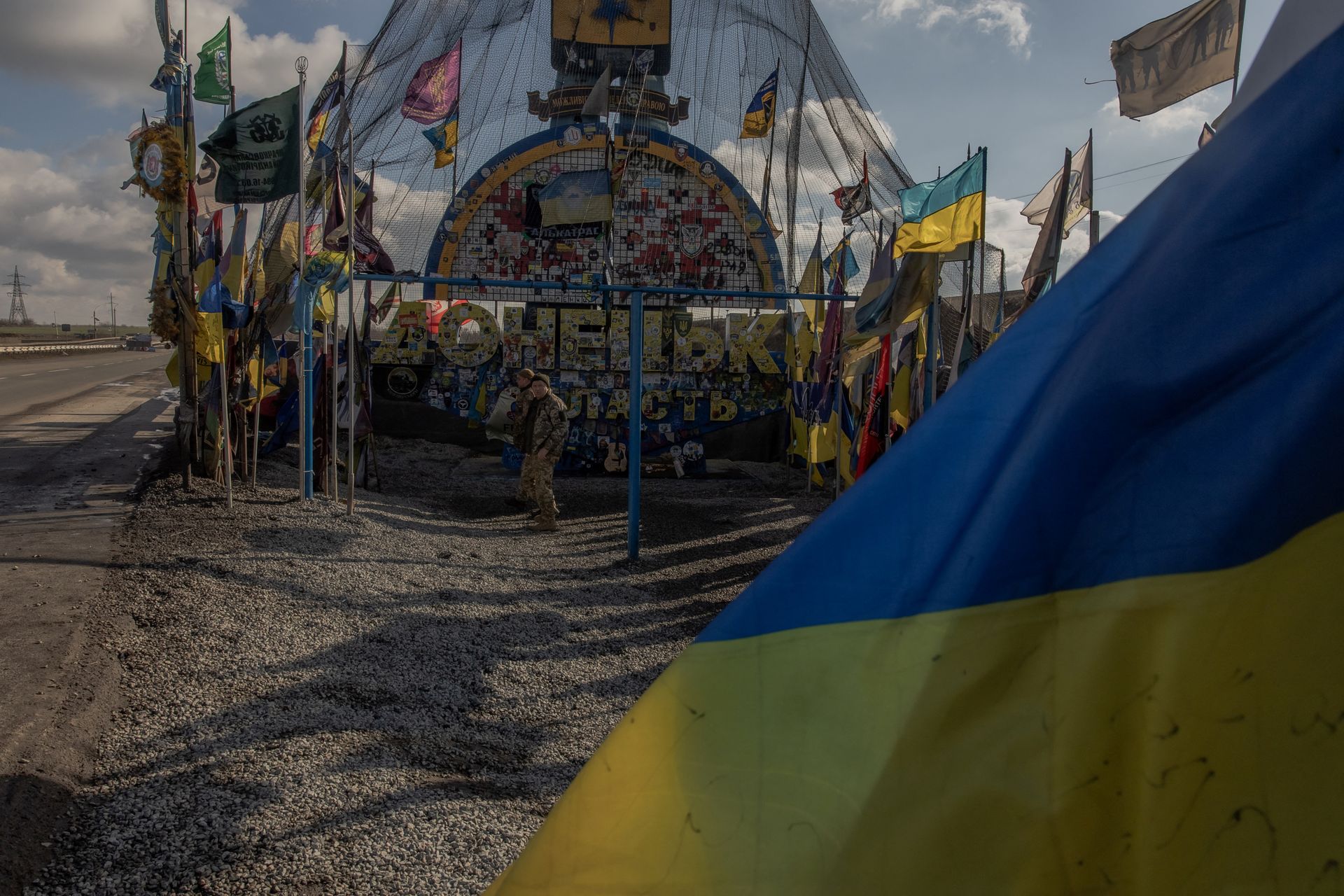
Russia has long demanded that Ukrainian forces withdraw from Donbas, and after more than a decade of fighting there, the Kremlin is now tying any future ceasefire to what Kyiv describes as capitulation on the region.
Luhansk Oblast is almost entirely under Russian control, while Ukrainian forces continue to hold parts of Donetsk Oblast — roughly 6,600 square kilometers (2,550 square miles), including the key cities of Sloviansk and Kramatorsk.
Ukraine has ruled out withdrawal. Officials have said Kyiv could consider alternative arrangements, such as a demilitarized zone, while the U.S. side has also proposed a free economic zone in parts of the region.
Zelensky has emphasized that any territorial decision must be made by Ukrainians themselves, either through elections or a referendum.
A December poll showed that about 75% of Ukrainians would reject a peace agreement that lacks security guarantees and includes a Ukrainian withdrawal from Donbas.
Despite that, Moscow has not shifted its stance.
Kremlin spokesperson Dmitry Peskov said Russia insists on the withdrawal of Ukrainian armed forces from Donbas, calling it an important condition for ending the war.
Energy ceasefire
Energy security forms the second pillar of the talks.
Ukraine and the United States plan to propose that Russia halt attacks on Ukrainian energy infrastructure in exchange for Kyiv refraining from strikes on Russian oil refineries and oil tankers, the Financial Times reported.
Ukraine is facing severe cold and disruptions to heat and electricity supplies after repeated Russian attacks on its energy sector, even prompting a state of emergency.

The idea of an energy truce has surfaced before.
In December 2025, Zelensky proposed a temporary halt to attacks on energy facilities, but the Kremlin rejected it, saying Russia sought "long-term peace, not a truce."
Earlier, a 30-day moratorium on attacks on energy facilities introduced in spring 2025 after negotiations between Trump and Putin failed to deliver lasting de-escalation.
Kyiv accused Russia of continuing its strikes, while Moscow accused Ukraine of hitting energy targets inside Russia.
What to expect
With Moscow showing no sign of flexibility, expectations for a breakthrough remain low.
According to the Ukrainian president, the talks would last two days, with negotiating teams expected to report back on any progress.
Ahead of the talks, Zelensky said he had discussed the agenda, format, and expected outcomes with the Ukrainian delegation.
Russian state news agency TASS, citing unnamed officials, said the talks will largely focus on finding common ground.
For now, the two main issues on the table are likely the future of Donbas and a potential energy ceasefire. Russia is pressing maximalist territorial demands, while Kyiv has ruled out withdrawal and insists on security guarantees.