Ukraine ceasefire could raise security risks for Baltic states, Estonian defense minister says
 on Google
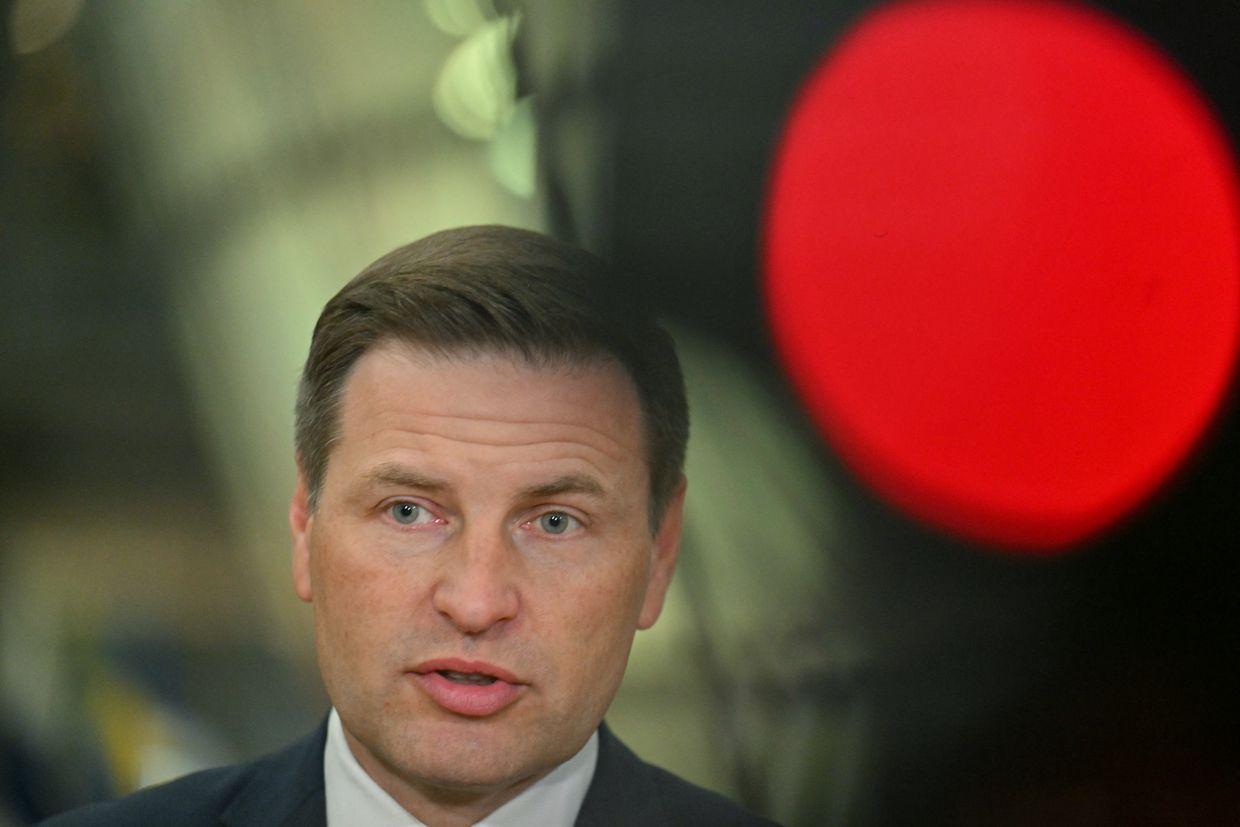
A ceasefire in Ukraine would increase security risks for the Baltic states, as Russia would continue rearming and moving troops to NATO's northeastern border, Estonian Defense Minister Hanno Pevkur said in an interview with the Financial Times published on March 30.
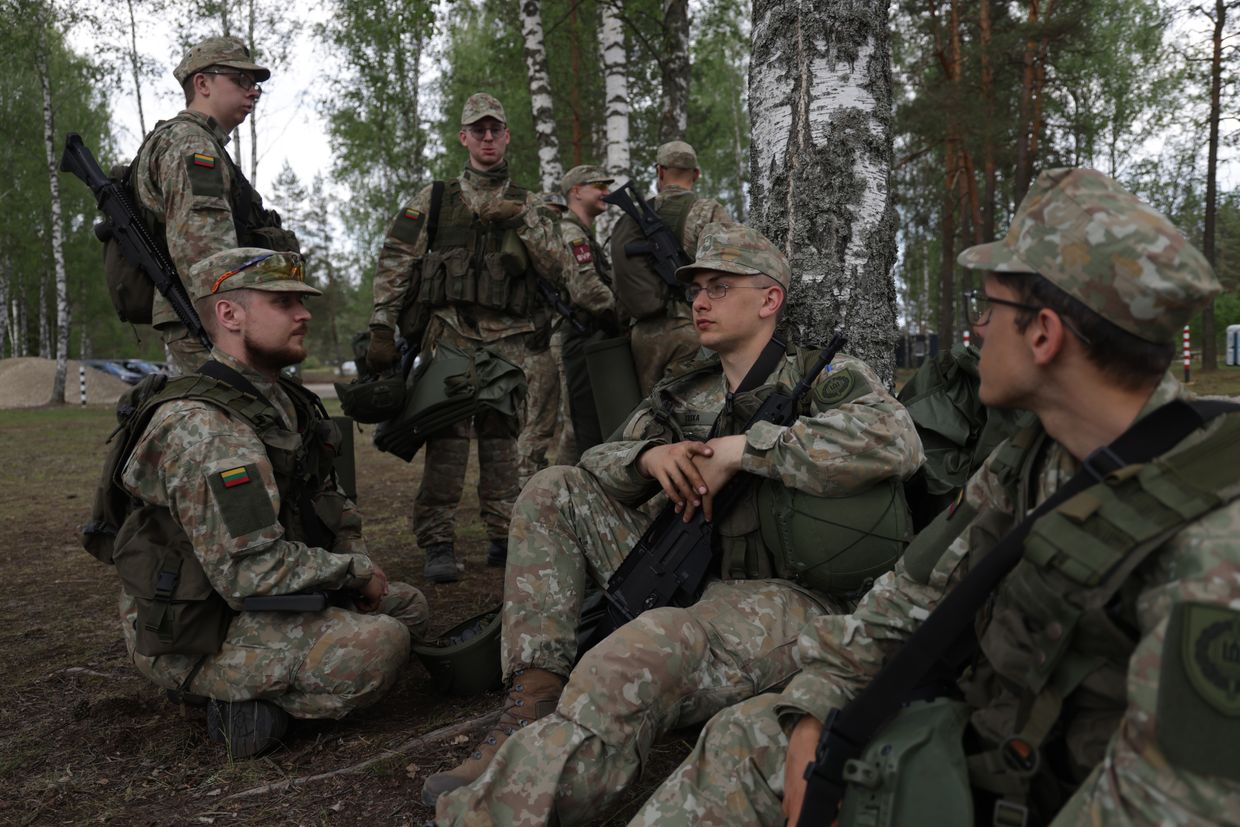
Russia's invasion of Ukraine has sparked concerns that the Baltic countries, which are among Moscow's biggest critics and Kyiv's staunchest allies since day one of the all-out war, could become the next target for aggression.
These fears are reinforced as the West is growing more divided due to U.S. President Donald Trump's U-turn in foreign policy.
"We all understand that when the war in Ukraine will be stopped, Russia will redistribute its forces very quickly. That means also the threat level will increase significantly very quickly," Pevkur said.
According to the Estonian minister, 300,000 of the 600,000 Russian troops currently in Ukraine are likely to be redeployed. He says Russian soldiers will not return home because their salaries in the army are five to 10 times higher than what they could receive elsewhere in Russia.
Western leaders and intelligence agencies have warned of a potential large-scale war in Europe within the next five years, citing Russia's increasingly aggressive posture.
Pevkur's warnings echo those of Lithuanian Defense Minister Dovile Sakaliene. Last week, she said Moscow would use the time after the ceasefire to speed up its military buildup.
"They (Russia) already have a huge, battlefield-trained army, which is going to get even bigger," Sakaliene said.
The two ministers also warned against the redeployment of any NATO troops from their countries to form a so-called Europe-led "reassurance force" that may be sent to Ukraine as a means of deterring Russia from a new attack.
"We cannot fall into the trap that our forces are somehow fixed in Ukraine. Then we will have risks at our border," Pevkur added.