Transnistria eases blackouts amid gas shortage
 on Google
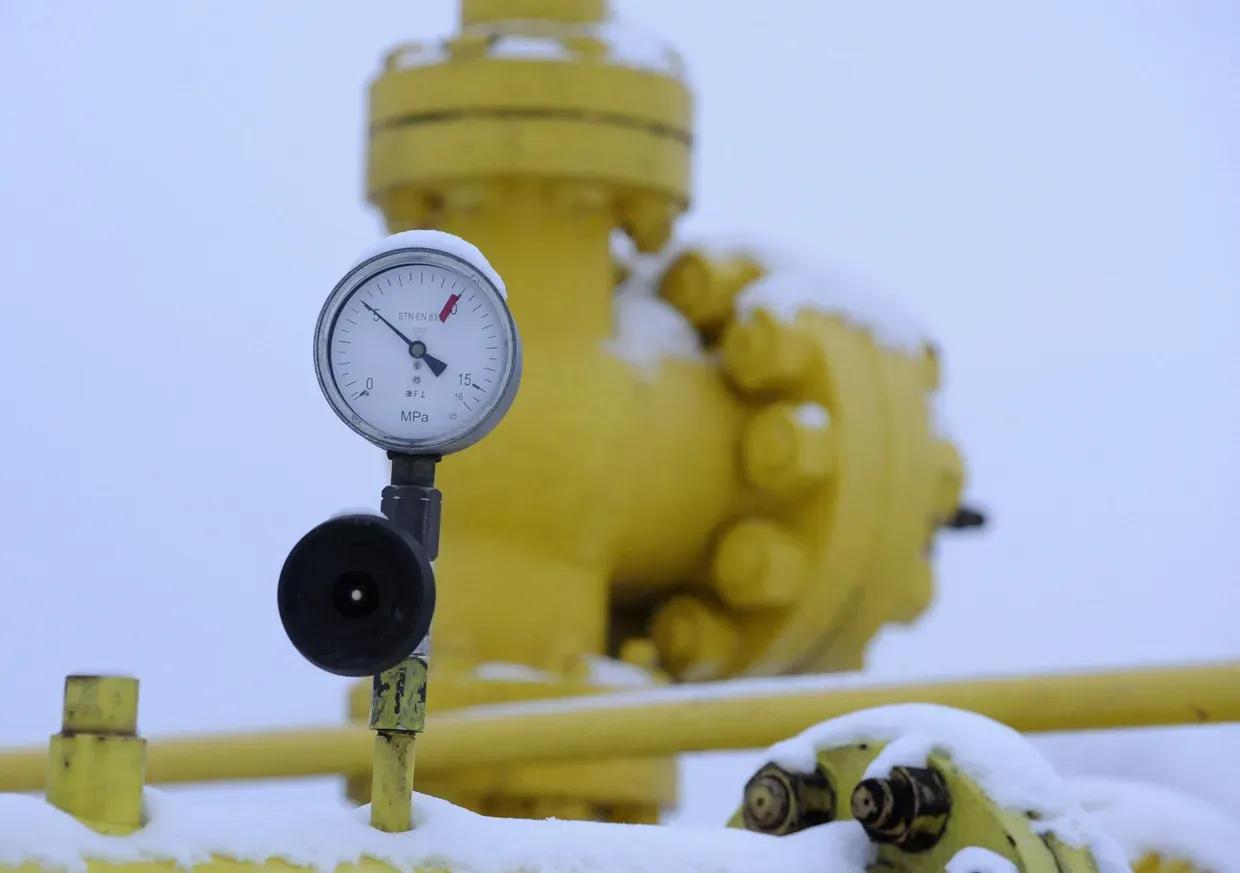
Authorities in Moldova's Russian-controlled region of Transnistria announced on Jan. 11 that energy-saving measures have allowed them to ease restrictions caused by a halt of Russian gas supplies. The duration of rolling blackouts is set to decrease further.
Moldova's pro-European central government said Moscow is responsible for the energy crisis.
Transnistria, a Russian-occupied region since the Soviet Union's collapse, has historically relied on Russian gas transported via Ukraine. The region has faced industrial collapse due to widespread power outages and heating failures.
The Russian state energy company Gazprom halted gas deliveries to Moldova on Jan. 1, as Ukraine declined to extend a gas transit agreement into 2025, triggering an energy emergency in the Russian-occupied region.
The self-proclaimed authorities in Transnistria never paid Gazprom for the gas they consumed, while Moscow continued to charge Moldova for it. Chisinau refused to cover the cost.
Transnistria's Russian-installed officials reported on the region's Telegram channel that rolling blackouts, initially lasting eight hours earlier this week, were cut to five hours on Jan. 10 and would be reduced to three hours on Sunday. First Deputy Prime Minister Sergei Obolonik said: "With current super efficiencies in consumption, Transnistria has enough gas until the end of January."
To manage the shortages, many factories have shifted to night shifts to reduce grid strain. However, a cement factory in Rybnitsa has shut down, along with a critical steel mill in another city, according to Reuters. Russian gas to Transnistria powers a thermal plant that supplies electricity to the separatist region and much of Moldova's government-controlled areas.
Daniel Voda, press secretary for Moldova's central government, criticized Moscow's role in the crisis, adding that Russia uses energy as a political weapon. "Every time that Russia wants to show its might, it cuts off vital resources and turns people into hostages," Voda reportedly said. "This is an experiment using people that shows that Moscow is not worried about residents’ comfort and security. ... No one deserves to live in fear and in the cold."
Although the Moldovan government has offered assistance to help Transnistria address its energy shortages, the region's leadership denies receiving any formal proposals.