The one problem with Russia's shadow fleet Europe still hasn't addressed
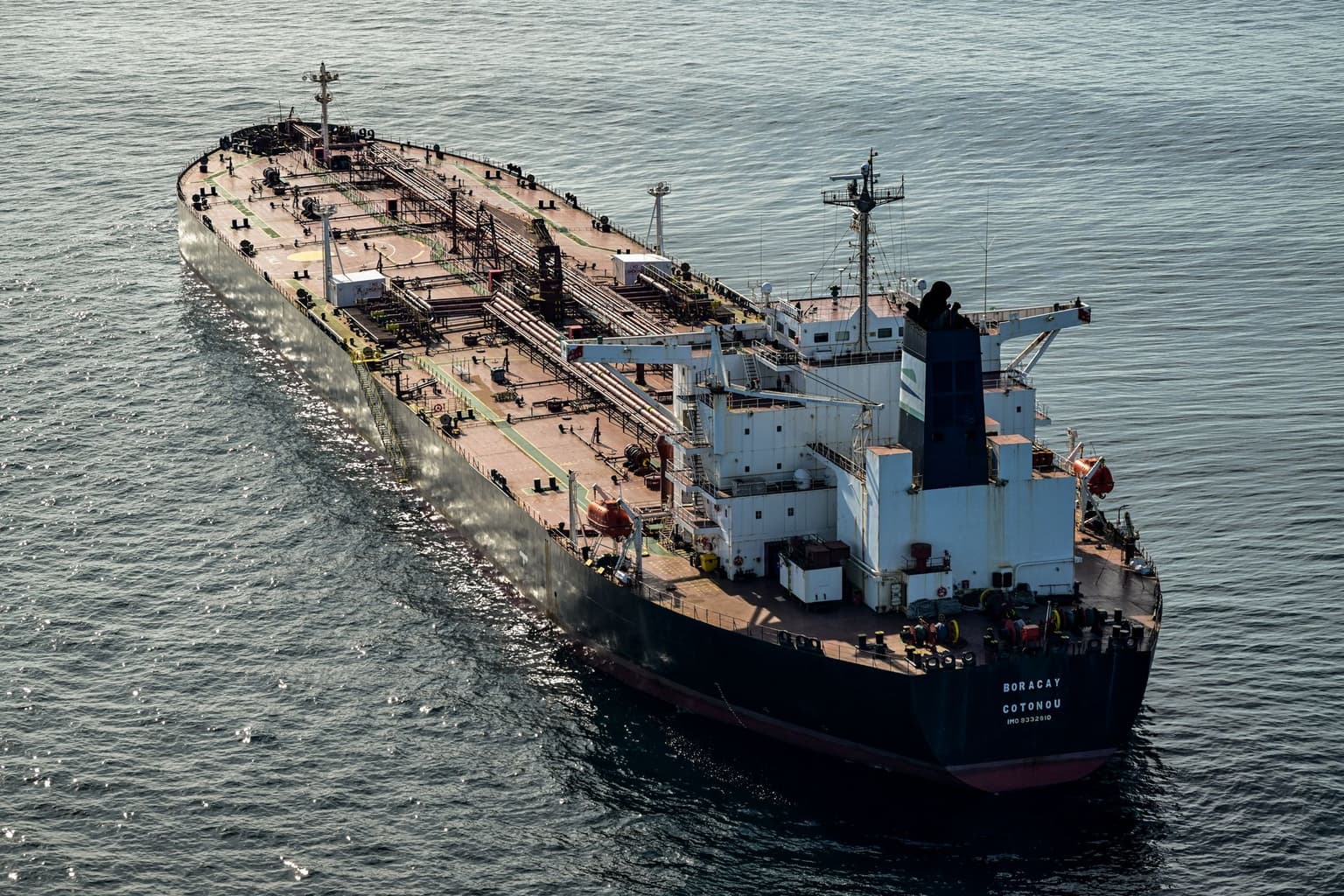
An aerial view shows the tanker Boracay from Russia’s so-called “shadow fleet” off the coast of Saint-Nazaire, France, on Oct. 1, 2025. (Damien Meyer / AFP via Getty Images)
 on Google
Ben Harris
Vice president and director of Economic Studies at the Brookings Institution
Contrary to the rhetoric coming out of the Kremlin, the Russian economy is faltering.
After years of growth propped up by military spending, Russia's economy slowed to a standstill in 2025. Unfortunately, the energy trade remains just strong enough to sustain Russian tax revenues: without the steady inflow of hard currency from energy exports, Russia would be unable to continue its murderous invasion of Ukraine.
This dependence on energy exports is a vulnerability the West has never fully exploited, but Europe is now positioned to crater Russian oil profits without U.S. involvement. The key to doing so is undercutting Russia's shadow fleet.
What is the shadow fleet? It is a relatively new phenomenon, borne from Russia's response to the oil price cap imposed in December 2022. The cap's ability to set a maximum price for Russian oil depended on the fact that — at the time of the invasion — the bulk of seaborne oil out of Russia's ports was transported on vessels owned and insured by Western companies.
This meant the cap could be effectively enforced and, if need be, lowered over time.
The shadow fleet represents Russia's attempt to circumvent the cap. Starting in late 2022, nebulous holding companies started buying old and decrepit tankers, often at inflated prices. The shadow fleet grew rapidly, at a clip of roughly seven tankers per month, allowing the Kremlin to continue exporting oil on its own terms.
Meanwhile, last week the EU proposed its 20th package of sanctions against Russia, including a ban on Western maritime services, effectively shutting down Western-owned oil tankers in the Baltic. Yet the package overlooks a structural weakness that ultimately undermines the price cap itself.
Currently, Western-owned ships account for 30% of tanker capacity in the Baltic and are critical to the enforcement of the price cap. The latest sanctions package, therefore, turns its back on the price cap — by banning maritime services, the EU is forfeiting a key leverage point to enforce the cap and compels Russia to shift all tanker activity in the Baltic to the shadow fleet.
While limiting Moscow's export capacity will certainly squeeze Russian revenues in the short term, it will inevitably lead to the Kremlin buying more sanction-dodging vessels.
This only makes the problem bigger.
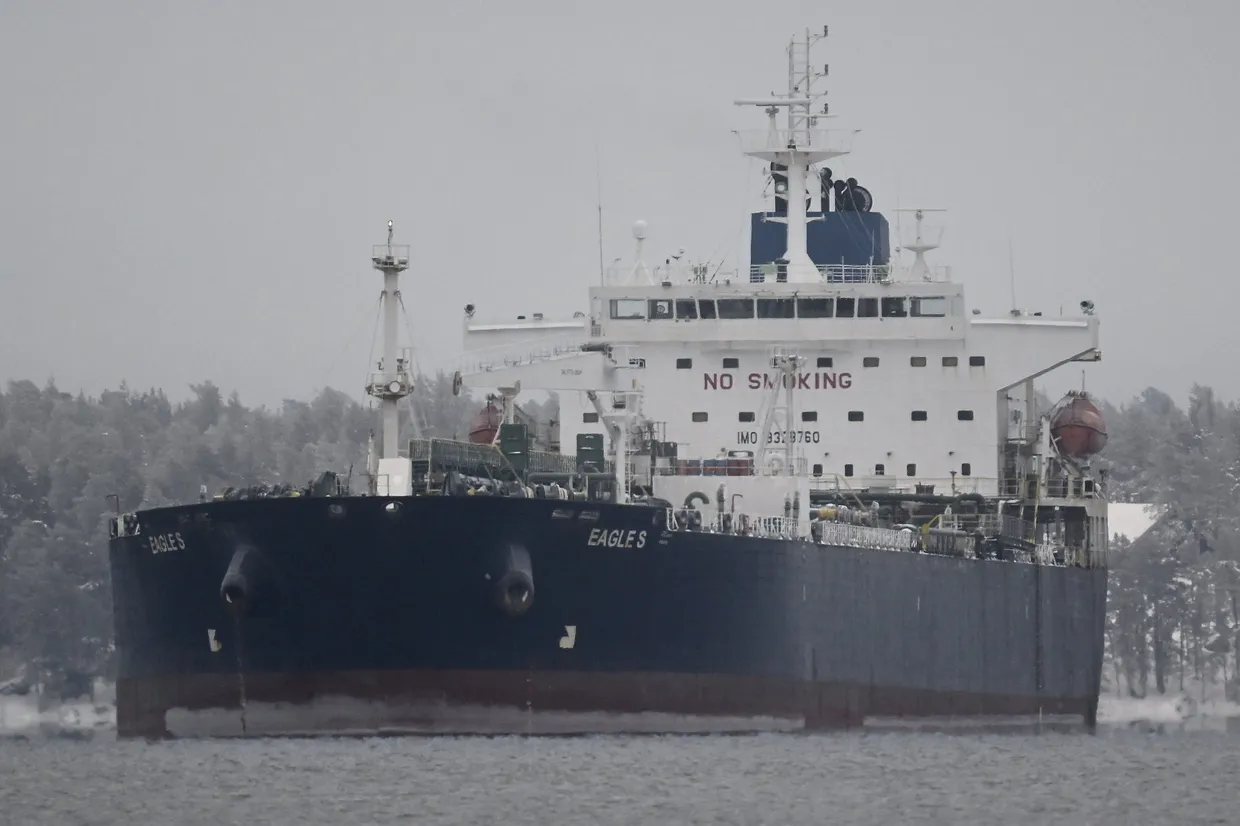
The lynchpin to the shadow fleet is unscrupulous flagging states — countries like Sierra Leone and Cameroon — that do not adequately enforce maritime laws and regulations. These countries shirk their oversight duties by enabling barely seaworthy ships on their registries to carry inadequate insurance from unreliable and under-capitalized Russian insurers.
The result is a costly environmental tragedy in waiting, as well as a shipping fleet unbeholden to the price cap because it operates entirely on non-Western services.
The EU and UK can end this by targeting these shameless flagging states. Specifically, the EU and UK can pursue regulatory changes demanding that flag states more stringently enforce maritime regulations, including minimum insurance and maintenance standards.
This can be done via straightforward changes to international guidelines that set standards for maritime safety and pollution control. These reforms could hold flag states liable for any damages to Europe's coastlines and waterways caused by underinsured tankers, incentivizing flag states to prevent ships from operating without sufficient insurance.
Modest, well-drafted reforms to international maritime treaties could also make it harder for ships to flee to more permissive flag-state registries, making it easier to bring non-compliant ships to justice.
These legal and administrative reforms would have a marked impact on the Russian oil trade out of Baltic ports. Our retrospective modeling of Russian exports from Primorsk and Ust-Luga over the first half of 2025 indicates that this approach could shift Russia's oil trade away from non-compliant tankers towards compliant ones that adhere to European law and regulations.
For example, in our analysis, we estimate that an aggressively enforced version of this plan would nearly eradicate non-compliant exports, lower the volume of Russian oil exports out of Baltic ports by 11%, and reduce Russian tax revenue from the Baltic oil trade by 14%.
Most importantly, this approach can largely be done without U.S. cooperation — an important feature given the unsettled geopolitical outlook.
In sum, the UK and EU should push flag states to adhere to international shipping regulations and guidance. This is best accomplished by requiring insurance disclosure and enforcing insurance standards through diplomatic pressure, operator liability, sanctions for underinsurance, secondary sanctions, and physical intervention when it becomes plainly necessary.
Coordinated, targeted, and legally tighter actions against the shadow fleet from the UK and Europe would strengthen Ukraine's hand in future negotiations and improve the chances of achieving a just and sustainable peace.
Editor’s note: The opinions expressed in the op-ed section are those of the authors and do not purport to reflect the views of the Kyiv Independent.
read also
 Olena Goncharova
 Lucas Tonks
 Asami Terajima