The Ankara NATO Summit — A reality check on words and deeds
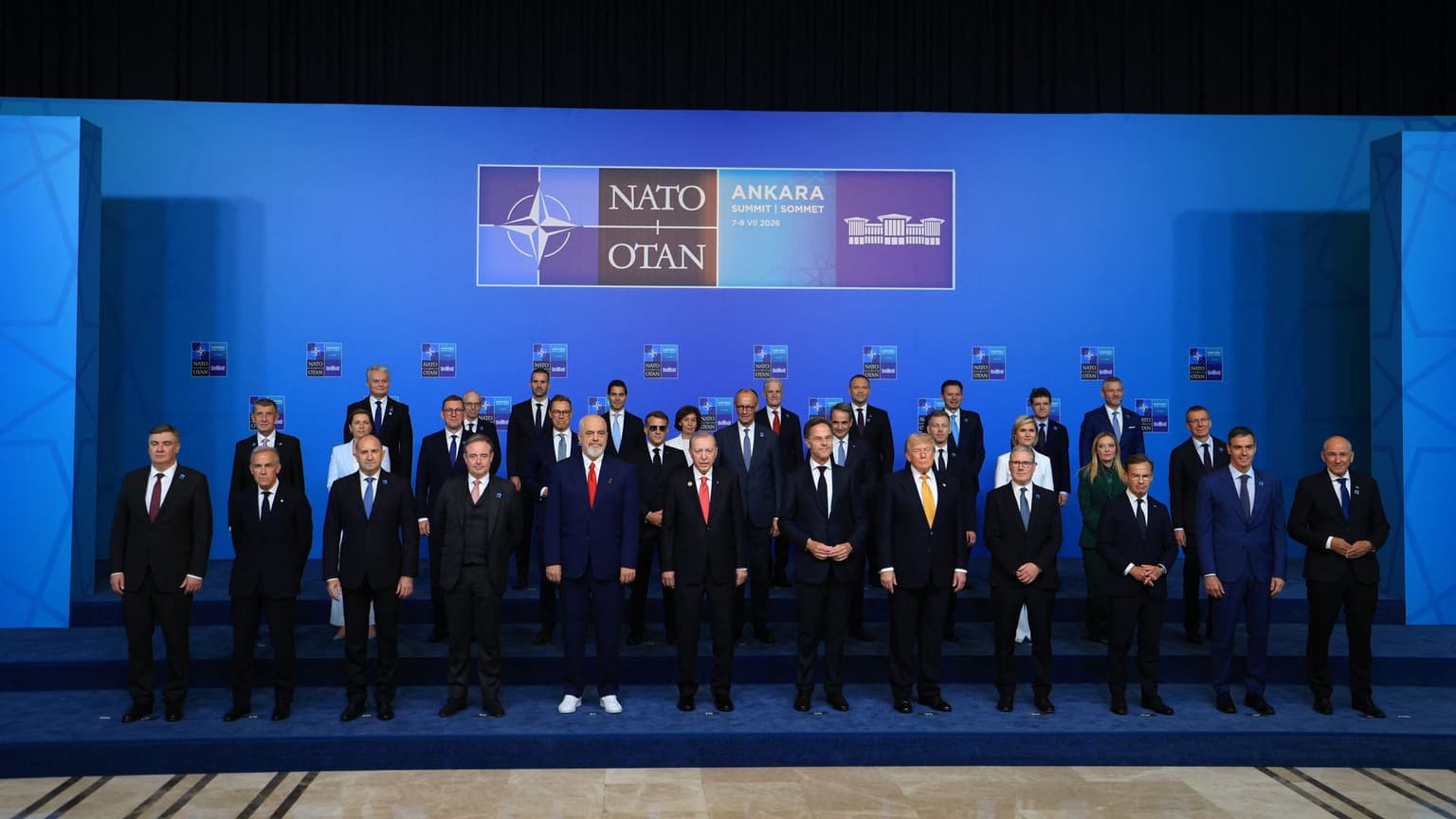
NATO leaders pose for a family photo during the NATO Summit at Bestepe Presidential Compound in Ankara, Turkey, July 8, 2026. (Ludovic Marin / AFP via Getty Images)
 on Google
Nadiia Koval
Policy Fellow at the European Policy Institute in Kyiv (EPIK)
The Ankara NATO summit held the facade of transatlantic unity, produced significant practical outcomes in defense-industrial cooperation, and brought greater clarity to sustained support for Ukraine.
The central question, however, was left unresolved: the trajectory of continuing American disengagement from European security, and the terms and timetable on which Europe is to assume the resulting burden.
U.S. disengagement remains opaque
The summit did not alter the direction of U.S. force reductions in Europe, nor did it clarify what will happen and when.
The Pentagon's six-month posture review, announced on June 18, is due to report later in 2026.
The measures announced earlier in the year stood unchanged: the withdrawal of some 5,000 troops from Germany, the cancellation of the rotational brigade to Romania, and the adjustment of U.S. contributions to the NATO Force Model.
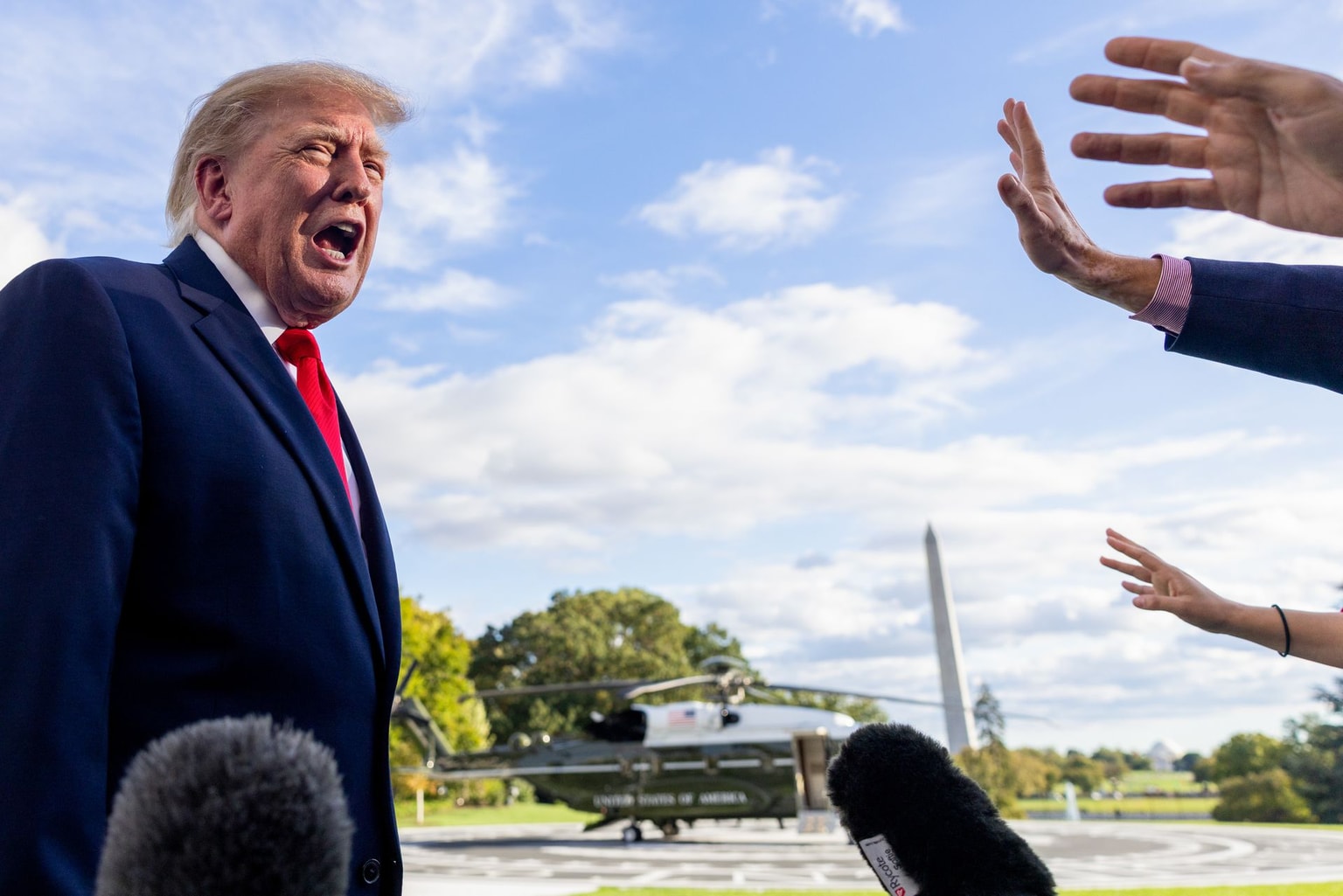
U.S. messaging was pointedly critical of allies: President Trump again tied his demand for U.S. control of Greenland to the threat of further troop reductions, called Spain a poor contributor, and voiced disappointment with France.
These interventions suggest that higher defense spending has not, in itself, eased political friction.
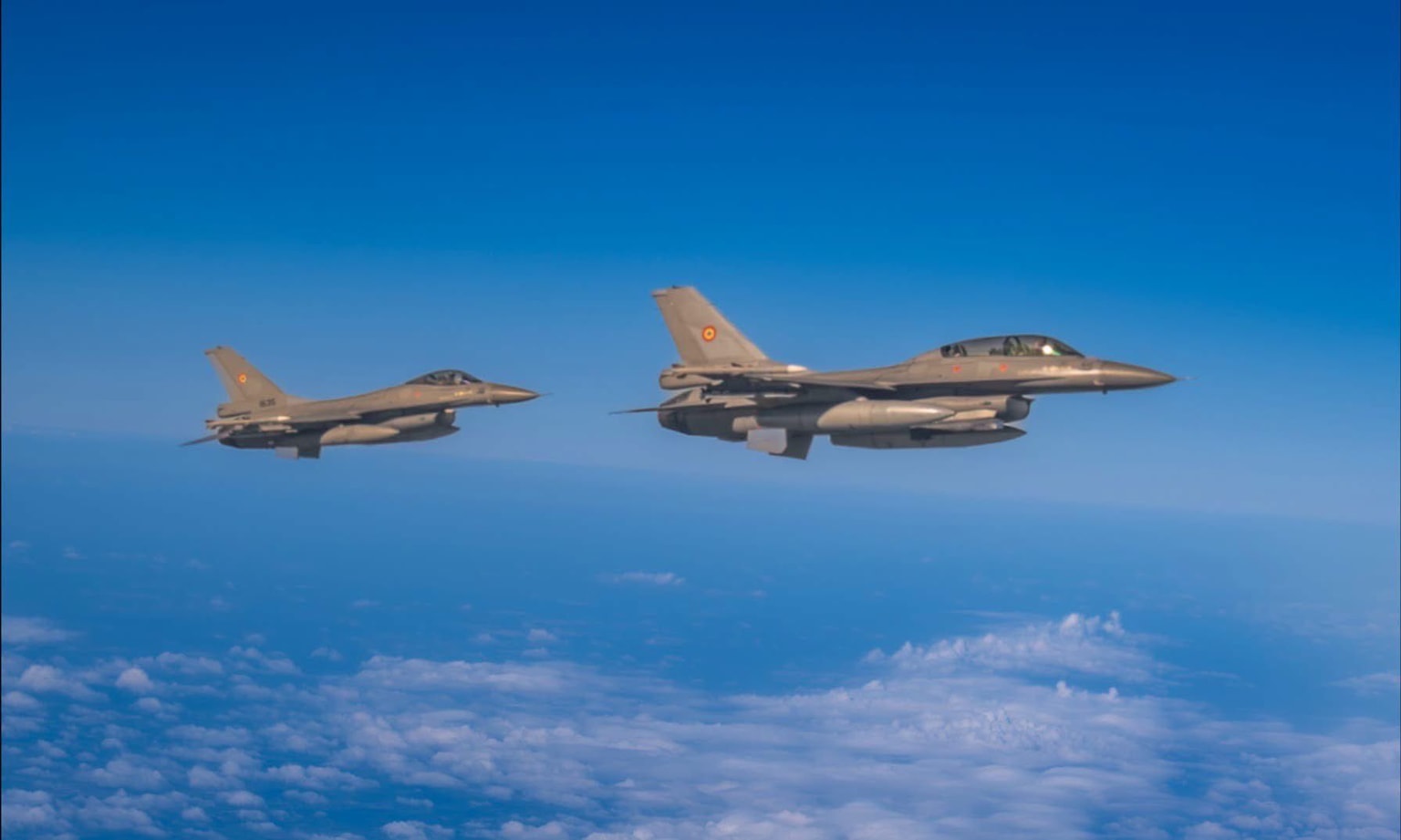
Central and Eastern European states evidently calculated that exemplary spending would earn them new U.S. commitments, yet the results were mixed. Poland, NATO's top defense spender by share of GDP, secured the PAC-3 maintenance-hub signature but no commitment on permanent U.S. basing; the Baltic states won the upgrade of the Baltic Air Policing mission but not a permanent fighter presence; Germany, on course for the 3.5% core target by 2029, bears both the largest drawdown share and the sharpest criticism, its spending dismissed by Trump as "ridiculous".
The quest for greater predictability has gone unrewarded.
Got an opinion on anything you've read in the Kyiv Independent so far?
and it may appear in our Letters section.

European countries hedging joint commitments
The European reaction combined a visible drive towards collective capacity-building and instances of national retrenchment that weaken joint commitments without breaking them.
On the first, the Defense Industry Forum produced a series of multinational projects: the selection of the Saab GlobalEye by eleven allies to replace the U.S.-built E-3 early-warning fleet; the Airbus A400M airlift and A330 tanker pooling arrangements; the MQ-4C Triton maritime-surveillance procurement; the HALO space initiative; the NATO Engine industrial network; and over $40 billion for counter-drone capability.
Together, they represent a coordinated effort to strengthen European conventional capacity under the "NATO 3.0" concept. Most, however, remain at the inception stage, with timelines extending to the end of the decade, and will not fill all the gaps left by U.S. disengagement.
Germany and France positioned themselves as the principal advocates of a stronger European pillar, with Chancellor Merz explicitly rejecting "national go-it-alone approaches".
Others, doubting U.S. commitments and facing long lead times before a European alternative matures, placed national defense or domestic policy requirements ahead of joint ones.
The Czech Republic declined to contribute to the 70 billion euros ($79,9 billion) package for Ukraine, citing its own spending target, though it joined the separate PURL scheme financing U.S.-made weapons for Kyiv. Italy reportedly sought to soften the language of the 2027 commitment, citing fiscal constraints ahead of national elections and a wish to preserve room for a negotiated settlement.

What Ankara delivered for Ukraine
For Ukraine, the summit expanded its security role through defense-industrial cooperation and secured external financing for the next two years. Three "Drone Deal" framework agreements — with Estonia, the Netherlands, and Denmark — provided for joint production, technology transfer, and structured exports. Ukraine became a founding member of the Defense, Security, and Resilience Bank.
The summit declaration confirmed 70 billion euros ($79,9 billion) in military support for 2026, with a commitment to sustain "at least equivalent levels" in 2027 — the entire sum provided by European allies and Canada, with no U.S. contribution.
Nevertheless, the bilateral Trump–Zelensky meeting marked an unusual convergence: Trump publicly endorsed Ukraine's deep strikes on Russian territory as pressure that could bring the war closer to an end — the most visible public alignment between Kyiv, Washington, and the European allies in two years.
Trump still framed that pressure as the route to a settlement he expects to broker himself, and, having spoken with Putin on the eve of the summit, repeated that both sides want a deal — a reading others treat with caution. The one substantive U.S. commitment — a verbal offer to license Ukrainian production of Patriot systems — remains unsigned; co-production is a multi-year undertaking that does nothing for the immediate interceptor shortage.
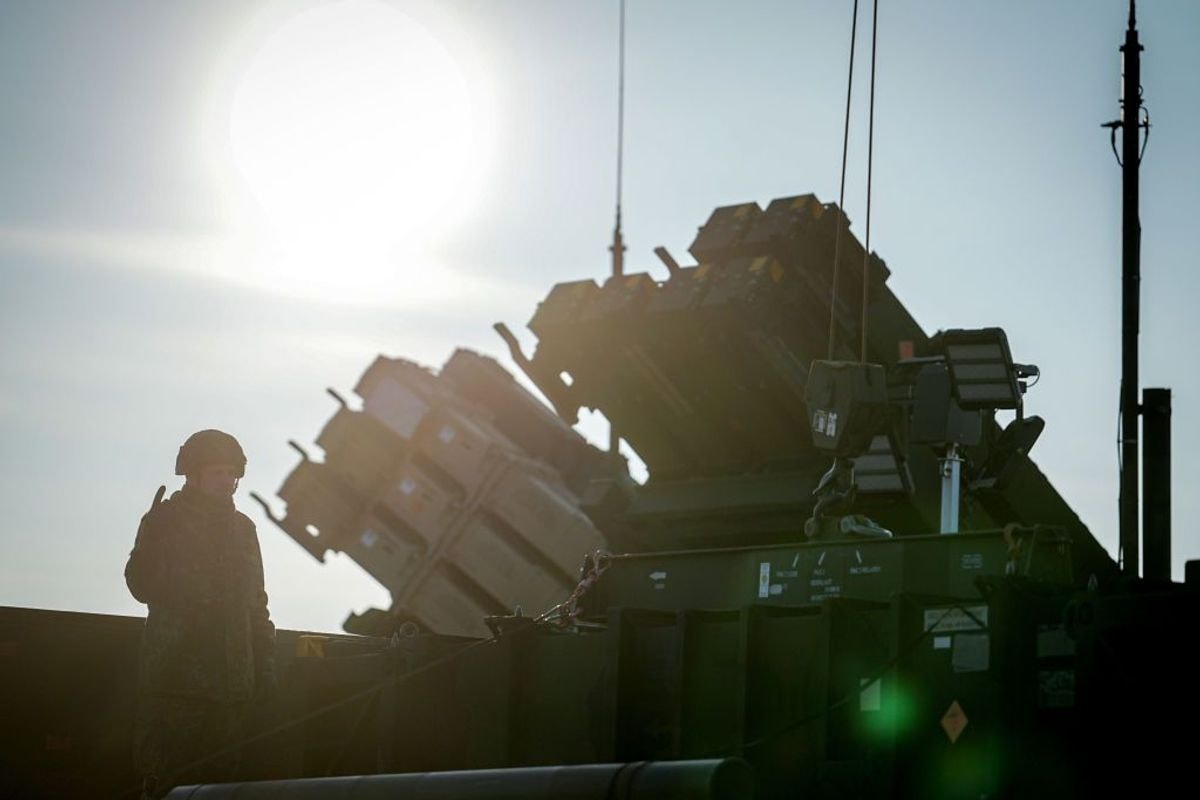
Ukraine's most urgent request was for Patriot interceptors, and several allies responded: Germany funded PAC-3 interceptors, the U.K. included air-defense missiles in its package, Germany, Denmark, Norway, and Canada placed a joint order directly with the U.S. manufacturer, and the NATO Support and Procurement Agency announced a purchase of 700 PAC-2 and 200 PAC-3 missiles.
The binding constraint, however, is the United States' own needs and production capacity, which renewed hostilities with Iran will further strain. European funding cannot substitute for U.S. production capacity or override Washington's divergent priorities.
Politically, the summit produced only a small advance. The declaration again omitted any membership language, as at The Hague in 2025 and in contrast to the "irreversible path" formula of the 2024 Washington summit.
It did, however, describe Ukraine as contributing to transatlantic security — the language Article 10 uses for prospective members, which Kyiv can read as a tacit acknowledgment of its qualification for membership, even as the pathway itself remained absent.
Editor's note: The opinions expressed in the op-ed section are those of the authors and do not purport to reflect the views of the Kyiv Independent.