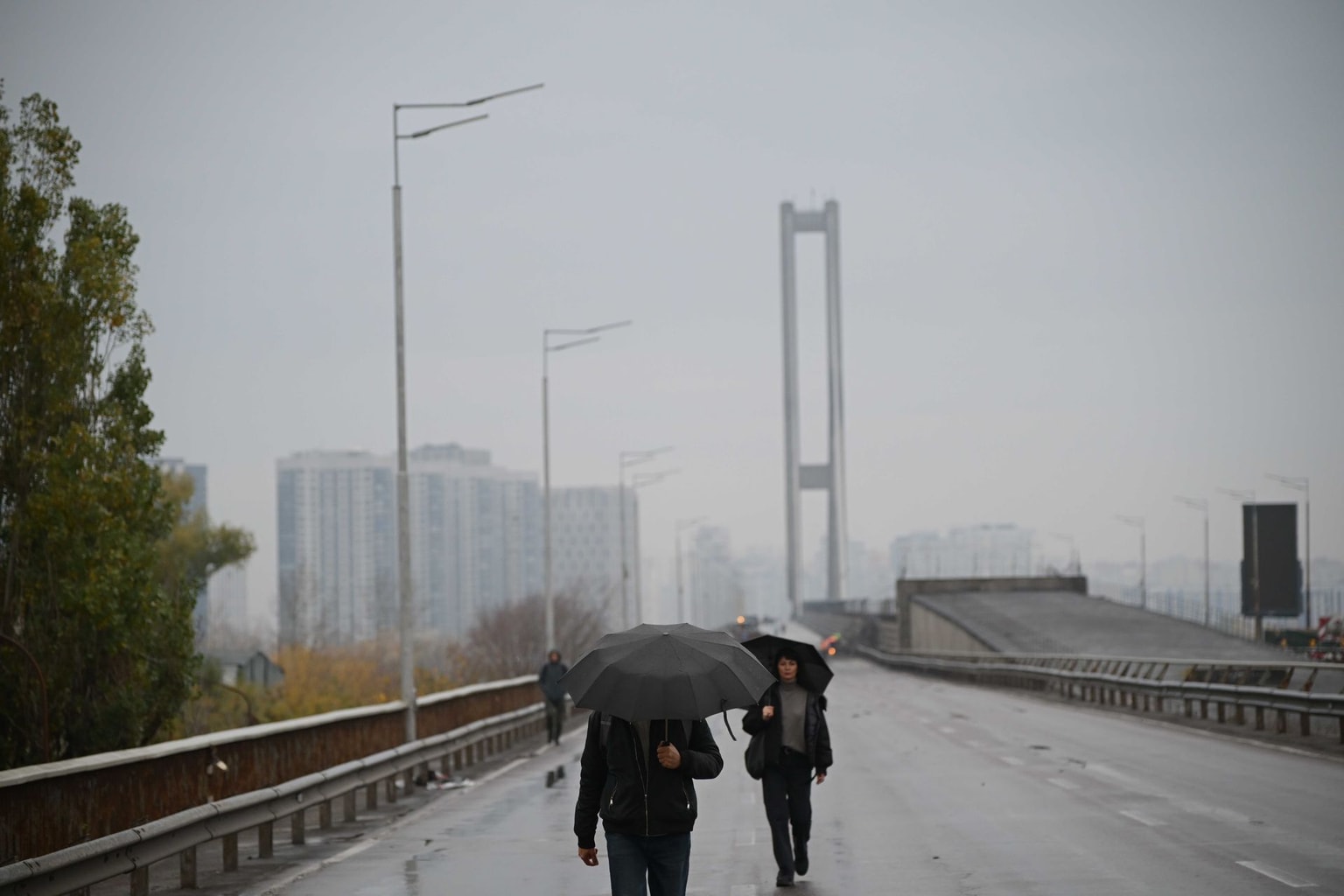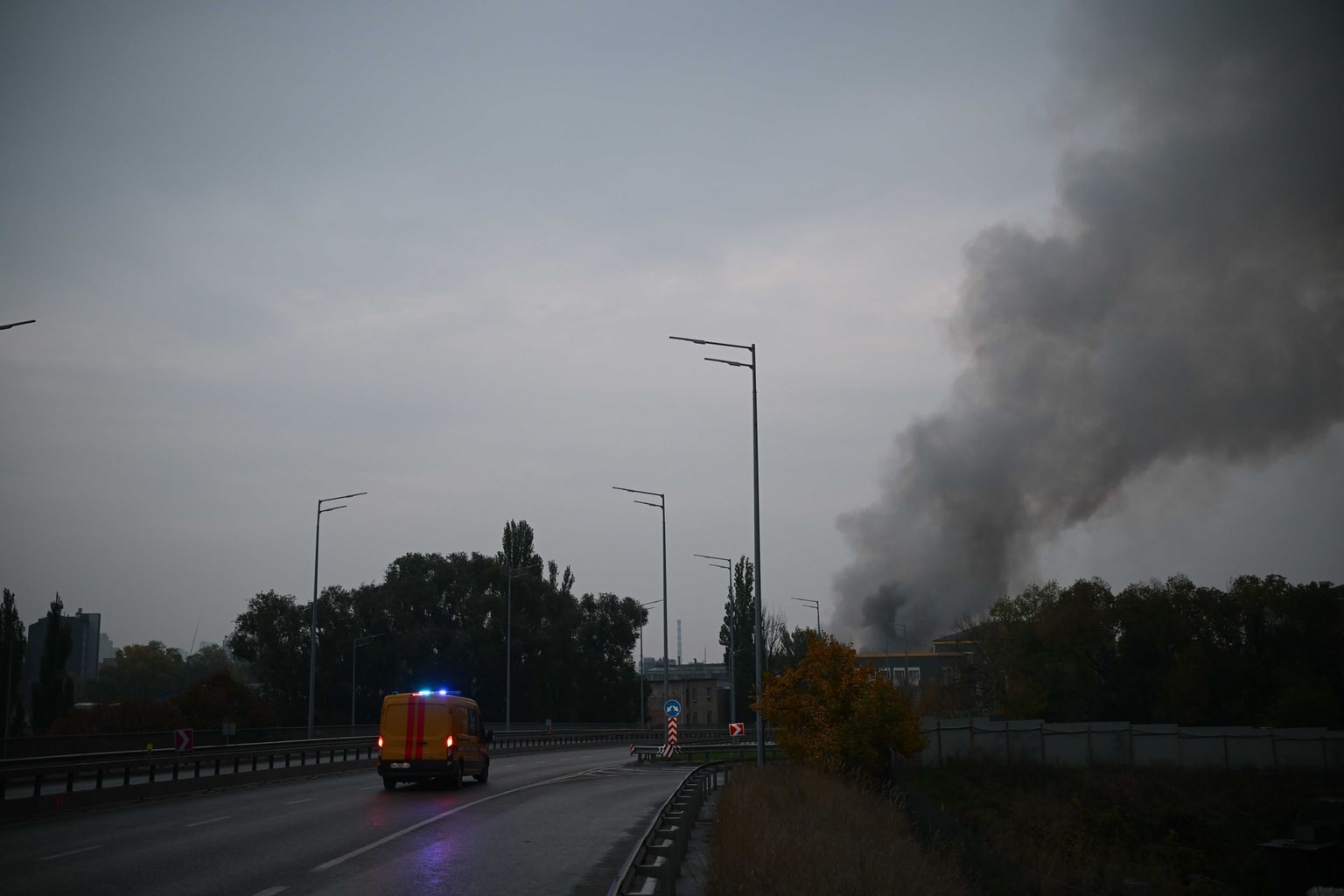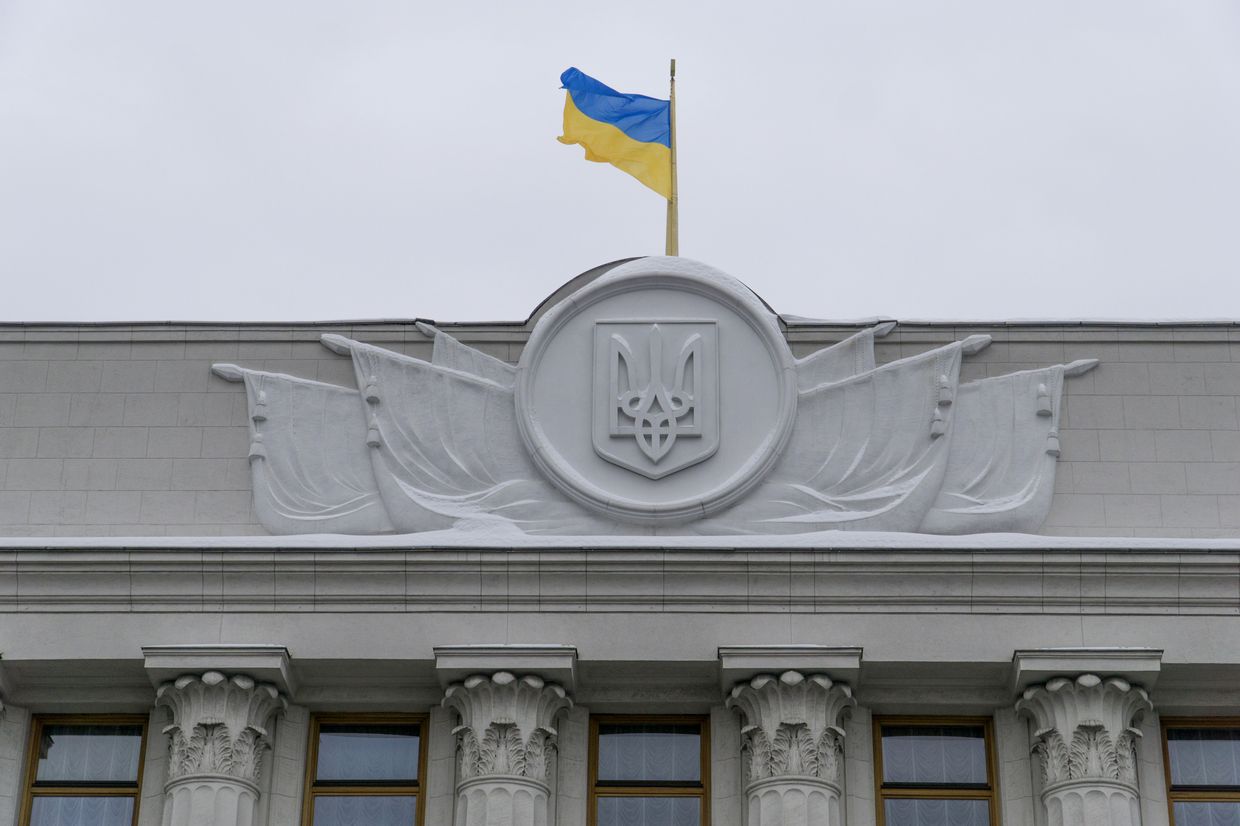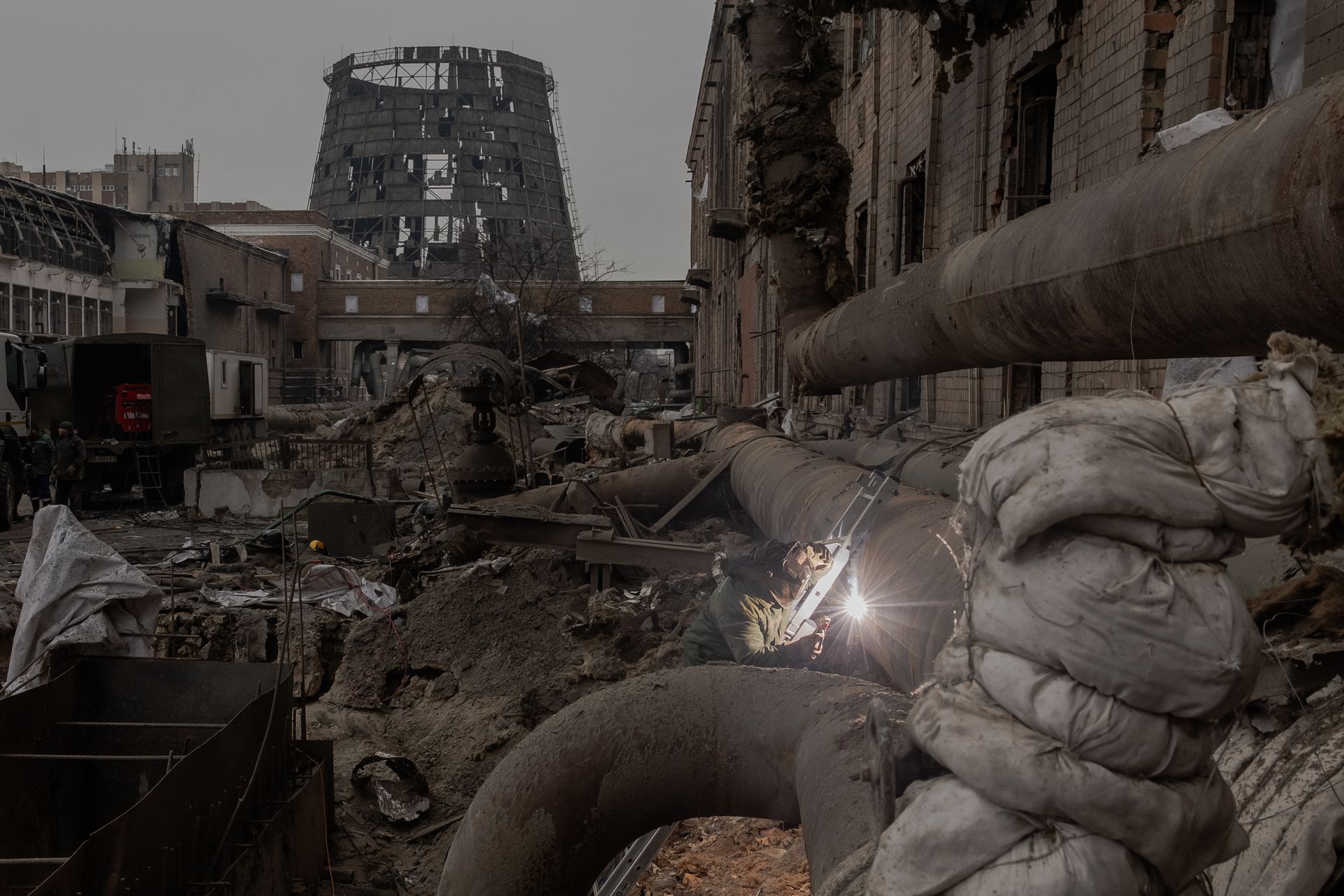


Kyiv will have to improve its revenue collection and how efficiently it spends money, the European Commission said in a press release on May 20, if it wants to access more than $8 billion of the loan.
In April, EU leaders voted to grant the bloc permission to provide Ukraine with a 90 billion euro ($110 billion) loan, providing the lion's share of Kyiv's financial needs to both defend itself and keep the lights on.
But that money comes with strings attached, and even then it isn't enough to cover all of Ukraine's needs.
One of those strings was announced on May 20, with the European Commission telling Kyiv that it needs to improve its revenue collection through a series of unpopular tax cha
Editor's note: This article has been updated with a statement from the U.K. government.
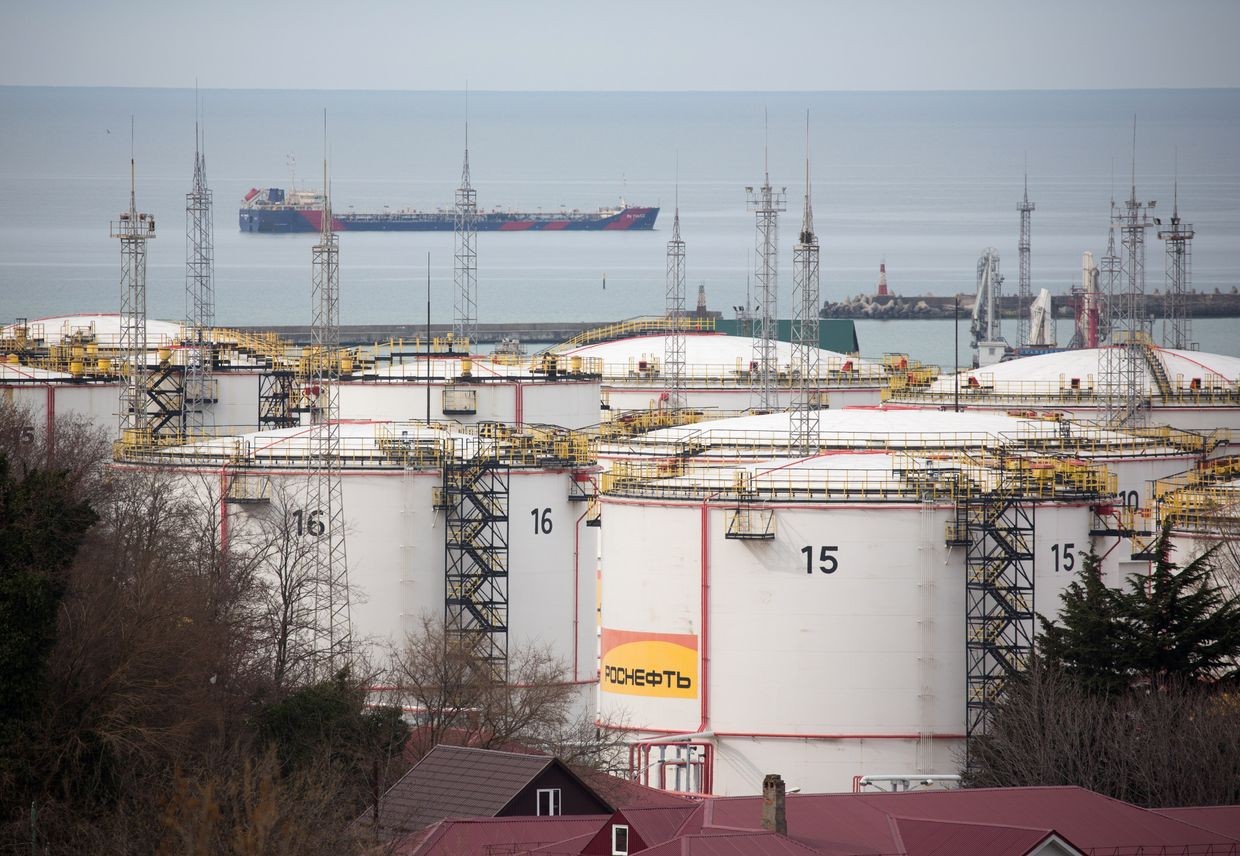
The United Kingdom on May 20 apologized for the way it "clumsily" handled the roll-out of new sanctions on Moscow after a day earlier it issued what appeared to be an easing of sanctions on Russian energy imports.
A license posted on the U.K. government web portal on May 19 permits imports of diesel and jet fuel made from Russian oil if "the products have been processed in a third country."
The move was wi
"Well, they (Russians) know if that happens, the reaction is devastating... Of course, we follow that (exercises), we monitor what is happening," NATO Secretary-General Mark Rutte said.
Kyiv will have to improve its revenue collection and how efficiently it spends money, the European Commission said in a press release on May 20, if it wants to access more than $8 billion of the loan.
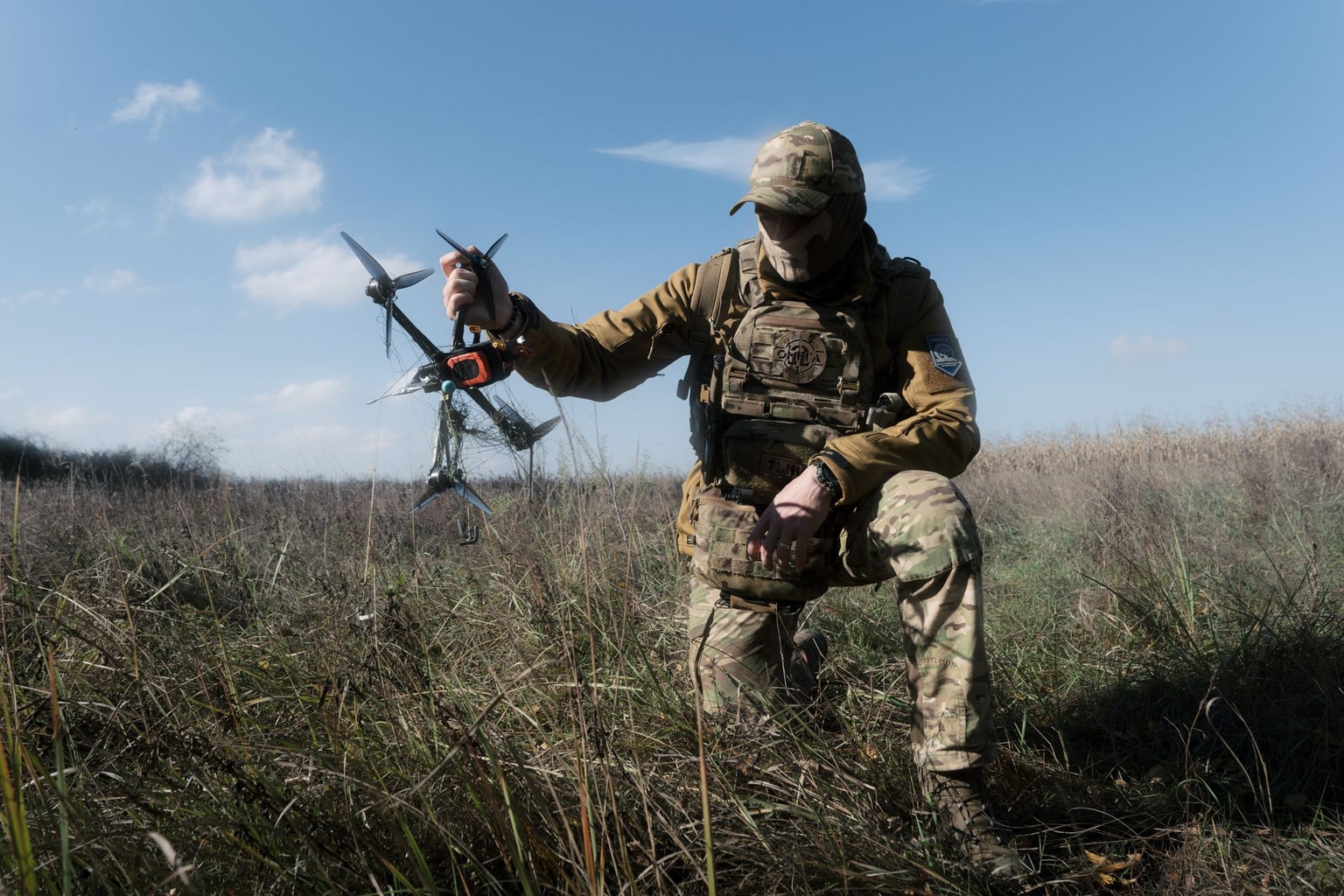
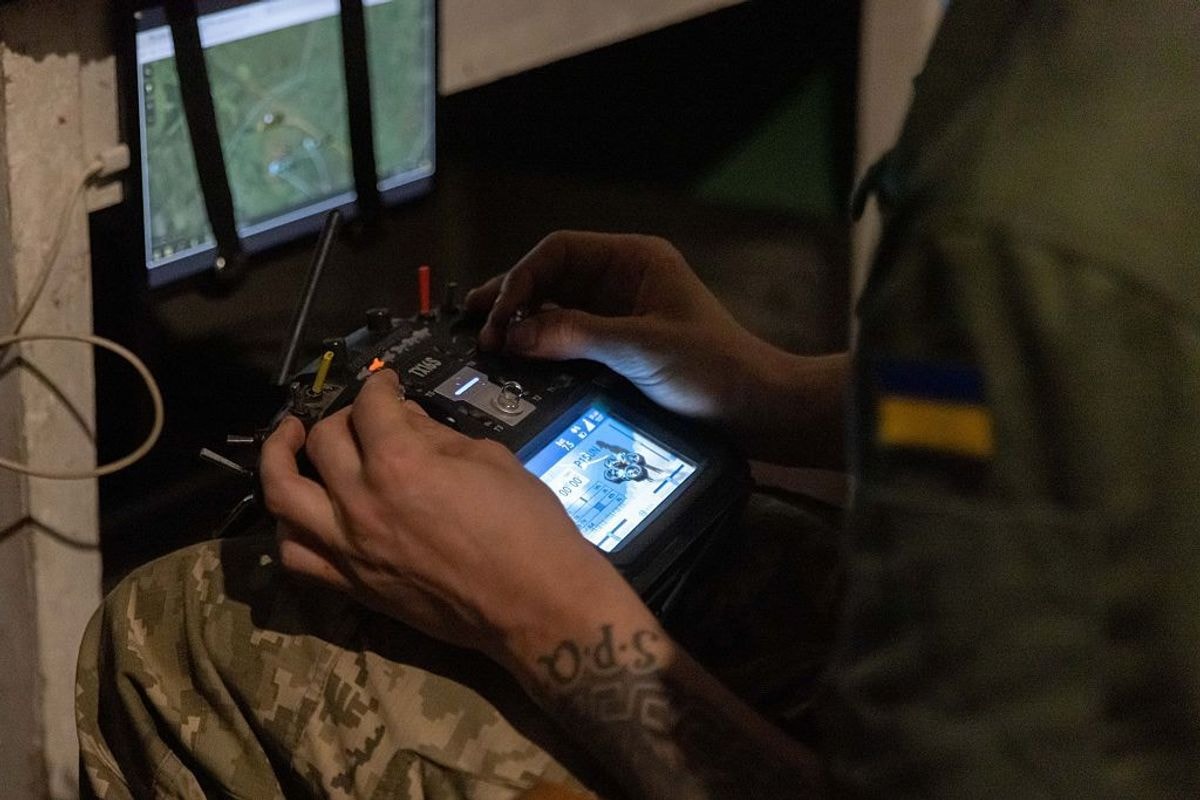
The Kyiv Independent’s Francis Farrell speaks with a British volunteer and drone operator serving in the Azov Corps’ international battalion about Russia’s war against Ukraine and how drone warfare has transformed modern combat.
The figures were revealed in Syrskyi's report on participation in a Ukraine–NATO Council meeting at NATO Headquarters in Brussels.
About Business
The Kyiv Independent’s Business Desk covers the biggest news in business, economics, and tech from Ukraine, as well as global developments that shape the economy of the region.
When 23-year-old Russian student Valery Averin signed a military contract in January after being recruited into Russia’s drone forces campaign targeting students, he was told he would train as a drone operator. Three months later, he was dead near Luhansk after reportedly being sent into an assault unit despite having no military experience.
His case, reported by the BBC Russian Service, appears to be the first known death linked to Russia’s growing campaign to recruit university and college st