Eastern Europe

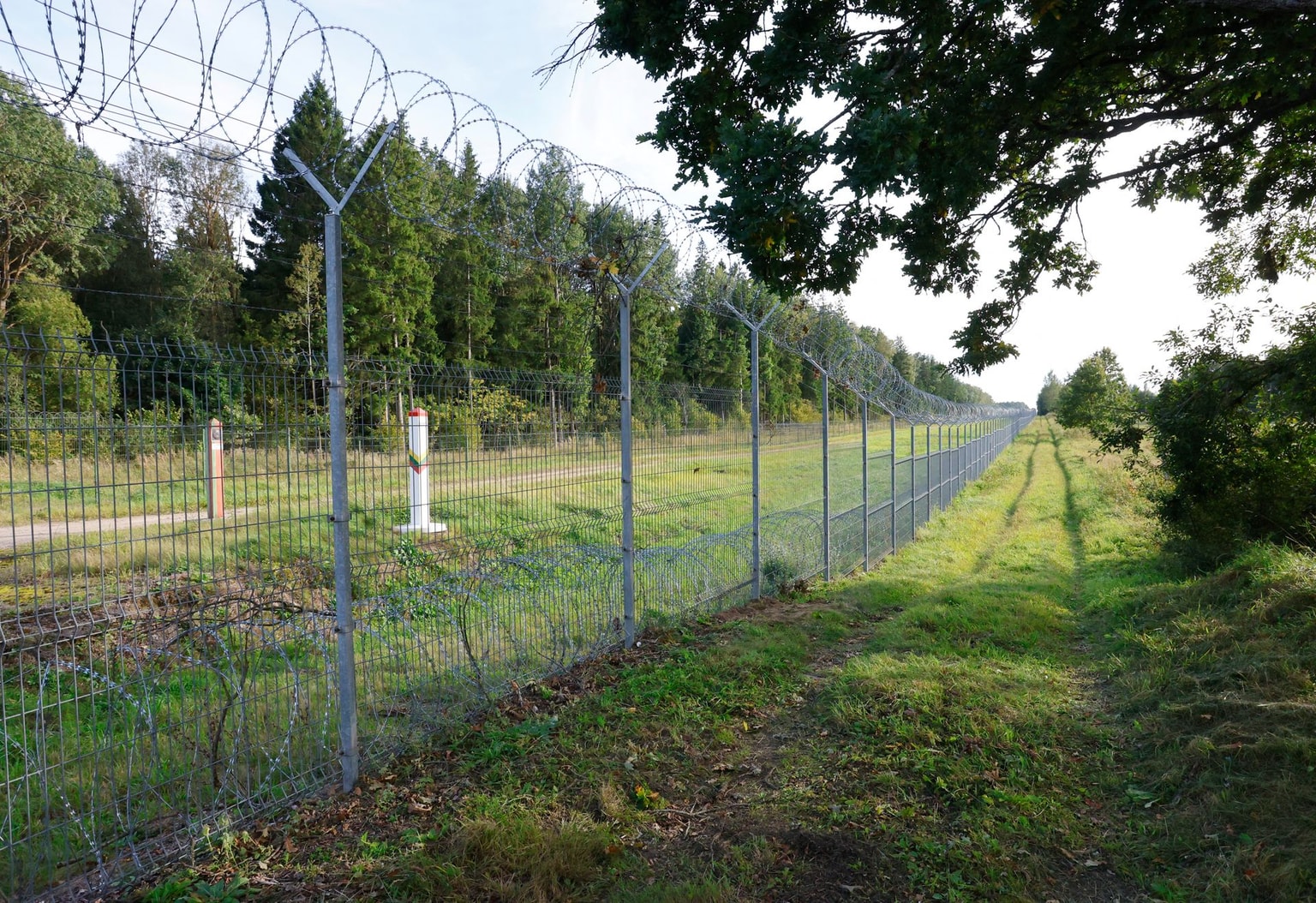
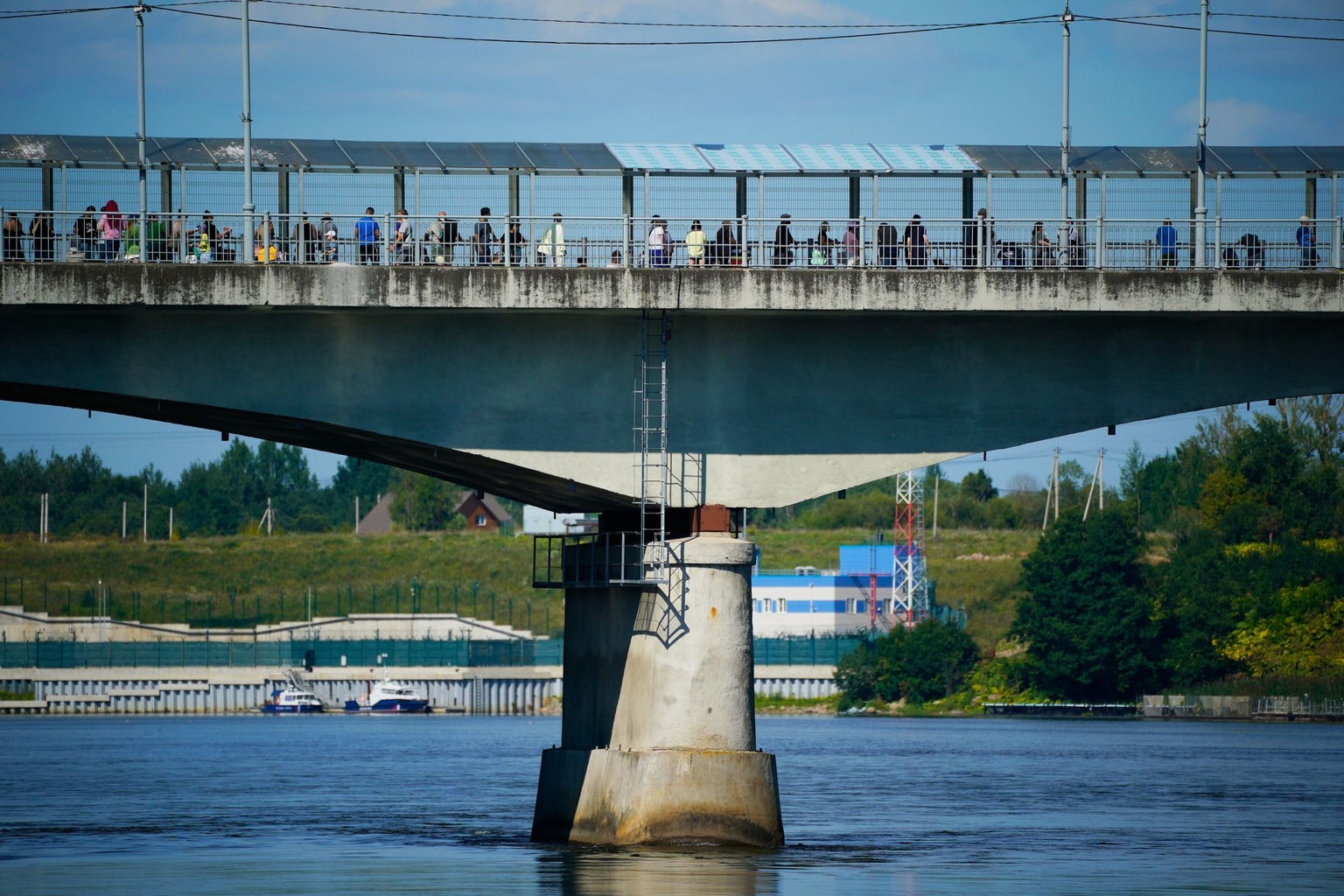
The bridge connecting Estonia with Russia is seen in Narva, Estonia, on July 24, 2024.
Eastern Europe

In Estonia’s border town, Russian-speaking majority enjoys NATO’s shield, remains mute on Russia’s threat

by Maria Yeryoma

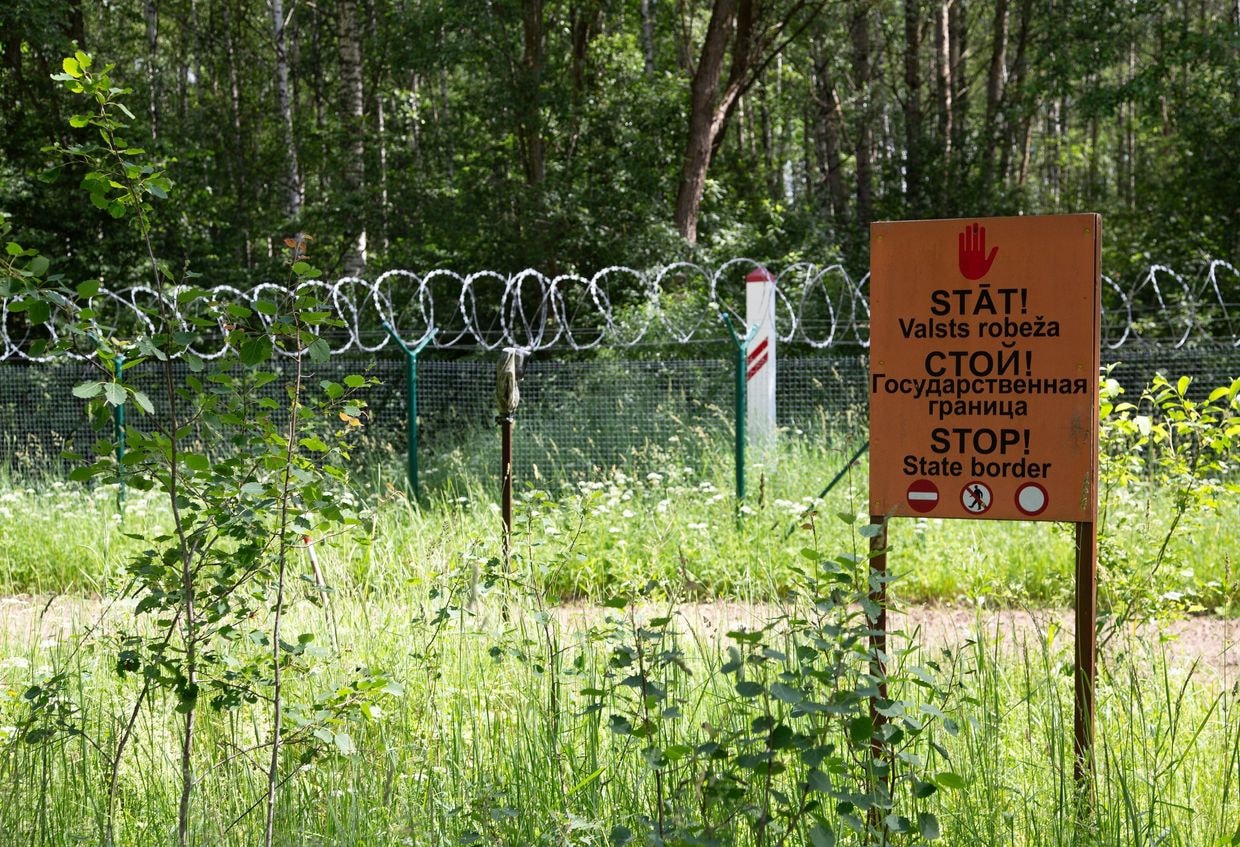
NARVA, Estonia — On both sides of the Narva River, fishermen stand knee-deep in the water between two medieval castles just 101 meters apart. Above them, the flags mark where NATO ends and Russia begins. For years, experts have been warning of the so-called "Narva scenario" — a plan in which Russia might attempt to grab an Estonian border city using its old tune, "protecting the Russian-speaking population." Following Europe's inability to handle Russia's now recurring drone incursions, the mo
News Feed

When did Russia really begin its aggression against Ukraine?

That's the question most of you probably answered instinctively: in 2014, when Vladimir Putin, exploiting political instability and the change of power in Ukraine following the EuroMaidan Revolution, annexed the Crimean Peninsula. But what if I told you that Russia began attempting to seize Ukrainian Crimea back in the 1990s? Back when "friendship and cooperation" between two "brotherly nations" was officially proclaimed — a phrase Russian propaganda still clings to today. Back when Russian le

Ukraine condemns Iran protest crackdown, urges global pressure

Foreign Minister Andrii Sybiha on Jan. 10 condemned Iran's crackdown on anti-government protests and called on the international community to increase pressure on Tehran, drawing parallels between its domestic repression and its conduct on the global stage.

How Putin began taking Crimea long before 2014

Russia’s takeover of Crimea did not begin in 2014. In the first part of a new documentary, The Kyiv Independent’s War Crimes Investigation Unit looks at how Russia began moving to seize the peninsula immediately after Ukraine gained independence in 1991.

UK allocates $270 million for future peacekeeping force

"We are surging investment into our preparations (...) ensuring that Britain’s Armed Forces are ready to deploy, and lead, the multinational force (in) Ukraine, because a secure Ukraine means a secure U.K.," U.K. Defense Secretary John Healey said.

News Feed