From street detentions to car seizures, Russia intensifies conscription of Ukrainians in occupied territories
 on Google
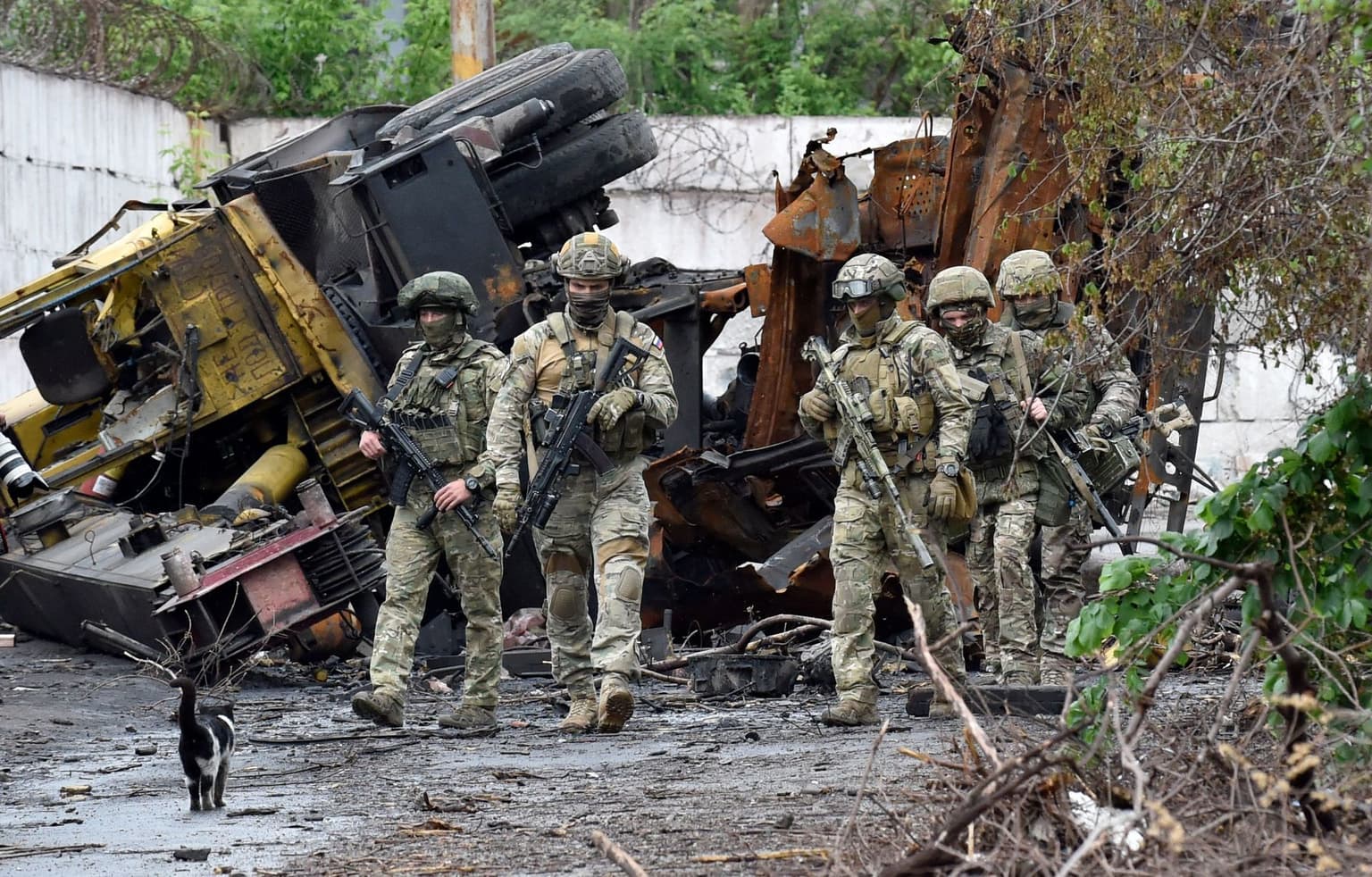
Russia continues conscripting Ukrainians into the Russian army in occupied territories, according to the reports from the National Resistance Center of Ukraine.
In occupied territories, Ukrainians are forced to take Russian passports and register for military service, which in turn allows Russia to draft them.
Russia is taking various measures to conscript Ukrainians.
In the occupied part of Zaporizhzhia Oblast, Russia has intensified forced mobilization through street detentions and document checks, Ukraine's National Resistance Center reported on March 15.
It added that in the occupied coastal city of Berdiansk, men are being taken to military registration offices, where they are coerced into signing contracts with the Russian Defense Ministry through psychological pressure and threats of criminal charges.
Over the past week, at least 17 people have been forcibly recruited in this way, according to the center.

In occupied Donetsk, the occupying administration has been seizing civilian vehicles for the Russian army's needs under the guise of towing them for parking violations.
According to the center's sources, there have already been cases in which car owners tracked their vehicles via GPS and found that they had been transferred to the front lines after being impounded in Donetsk.
"In effect, Russia is creating a system of complete control over its mobilization resources: those who do not end up in the army will be forcibly conscripted into working for the occupying power's state structures."
Attempts to recover the vehicles end in threats as the occupying authorities blackmail the car owners with charges of "terrorism" or "treason."
In occupied Crimea, local occupational authorities created a way of "alternative" military service in the rear. The Ministry of Labor and Social Protection of Crimea has mandated the creation of lists of enterprises and positions subject to conscription, Ukraine's National Resistance Center said on March 14.
Employers are required to provide dormitory accommodations for individuals who will be serving away from their homes.
"In effect, Russia is creating a system of complete control over its mobilization resources: those who do not end up in the army will be forcibly conscripted into working for the occupying power's state structures," the National Resistance Center said.
The mobilization of civilians violates the Geneva Convention on the Protection of Civilian Persons in Time of War and is regarded as a war crime under international humanitarian law.
Russia's regular army has grown to 2,391,770 personnel, including 1,502,640 active duty troops, according to Putin's March 4 decree, up 2,640 active duty troops from the 1.5 million authorized under his Sept. 16, 2024 decree.
The increase reflects the Kremlin's effort to sustain the war war without full mobilization, relying instead on contract recruitment and financial incentives to avoid the political backlash that followed the 2022 draft.
Russia also moved from seasonal conscription in the spring and autumn to year-round conscription in 2026.
While conscripts are officially prohibited from serving abroad, reports suggest many are pressured into signing contracts with the Defense Ministry and deployed to fight in Ukraine.