Russian media: Attack on oil depot in occupied Luhansk Oblast kills 3, injures 7
 on Google

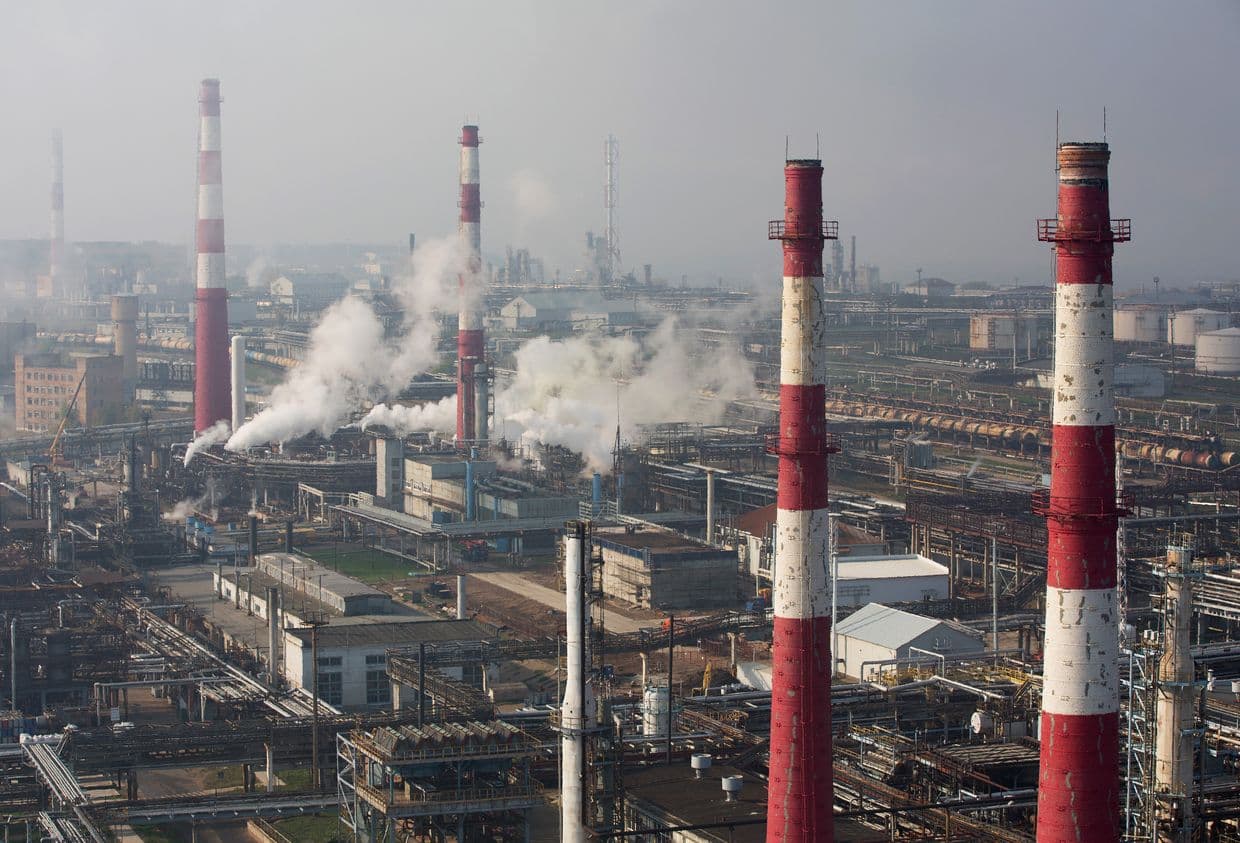
A Ukrainian strike on the Rovenki oil depot in occupied Luhansk Oblast killed three people and injured seven others, including a child, the Russian state-controlled media outlet RBC claimed on May 10.
The facility is engulfed in flames, according to reports. Russian sources first reported one victim, then updated the death toll to three. The attack also allegedly wounded seven people, including a child, with mine-blast injuries.
Leonid Pasechnyk, the Russian-installed leader in region, said that the fire damaged neighboring houses, and that the victims of the attack were employees of the oil depot and nearby residents.
The Kyiv Independent could not independently confirm these reports at time of publication.
While Ukraine has not claimed responsibility for the strike, Kyiv has carried out a series of successful attacks on oil depots and refineries across Russia and in the occupied territories in an attempt to slow down the Kremlin's war machine.
Earlier this week, Luhansk Oblast Governor Artem Lysohor said on May 8 that an oil depot in the Russian-occupied city of Luhansk was heavily damaged in a fire that Russian proxies claim was the result of a Ukrainian strike.