Russia cuts key interest rate for first time since 2022
 on Google
Russia's central bank on June 6 lowered its soaring interest rate from 21% to 20%, indicating easing pressures from inflation.
The decision marks Russia's first rate cut since September 2022.
The central bank decreased rates by 100 basis points, bringing it to 20% from the 21% rate established in October 2024 — the country's highest level since the early 200s. The move follows a drop in inflation, which fell from 10.7% in January to 6.2% in April, according to Russian official data.
"While domestic demand growth is still outstripping the capabilities to expand the supply of goods and services, the Russian economy is gradually returning to a balanced growth path," the central bank said in a statement on June 6.
Still, fiscal policy will remain tight "for a long period" as Russia aims to return inflation to its 4% target, the bank said.

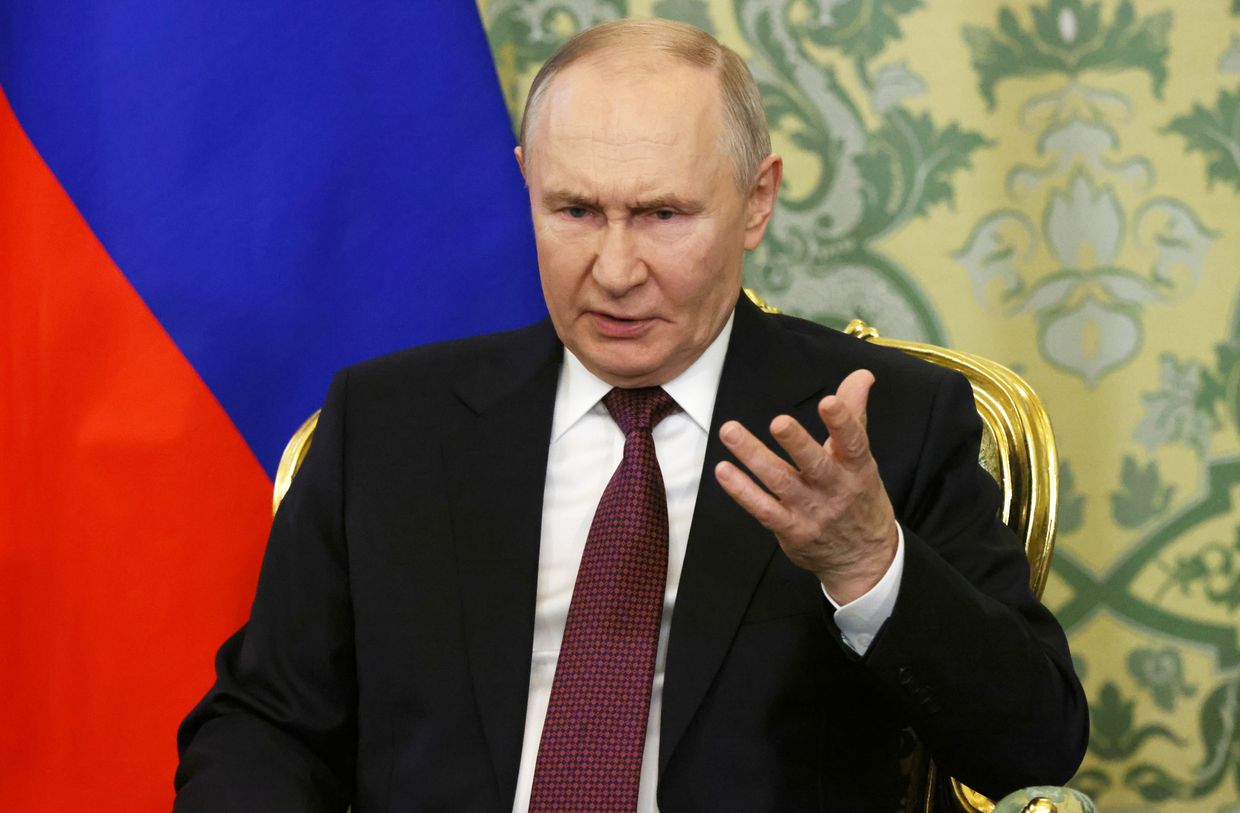
The rate decrease comes amid pressures from politicians to lower rates due to concerns of stagnating economic growth.
Russian Economy Minister Maxim Reshetnikov on June urged the central bank to cut rates in order to boost growth, aiming to achieve a 3% growth target set by Russian President Vladimir Putin.
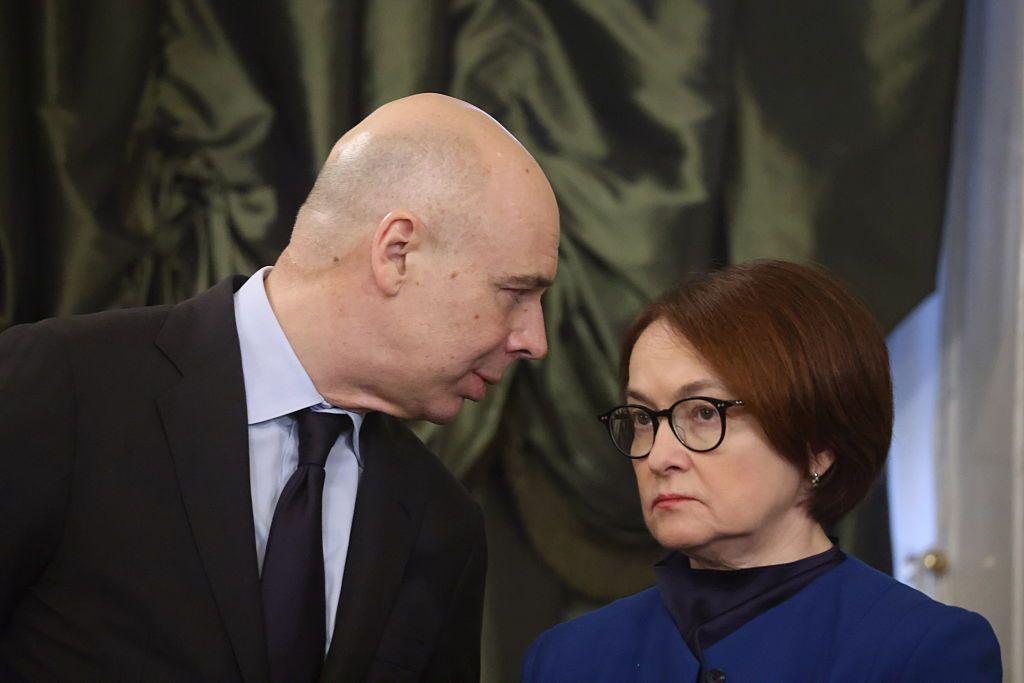
Elvira Nabiullina, the governor of the Russian central bank, has been hiking borrowing costs in response to skyrocketing inflation. Nabiullina has been credited with keeping the Russian economy afloat as the West imposed massive international sanctions following Moscow's full-scale invasion of Ukraine.
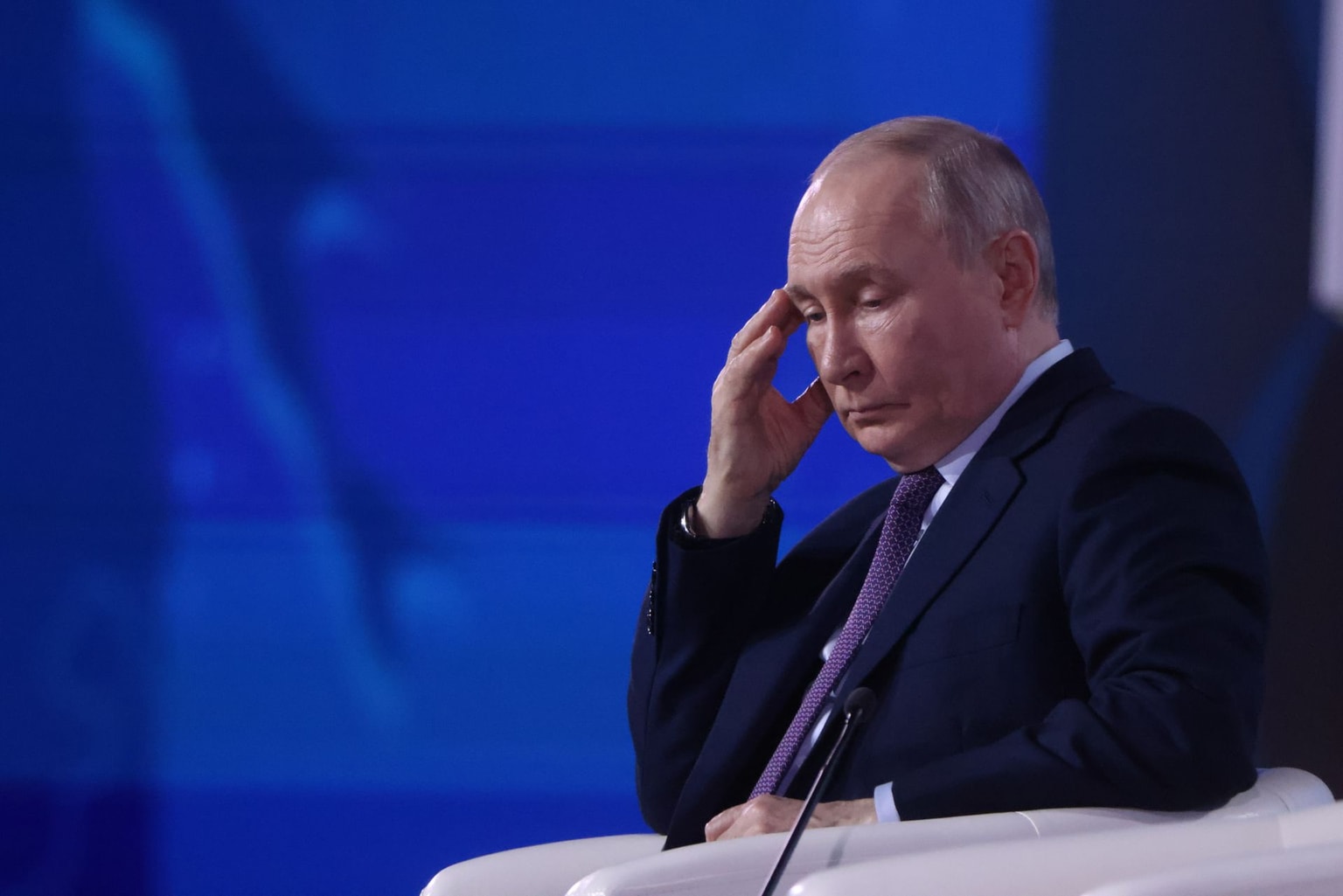
Putin, however, has expressed displeasure with the decline in private investment due to the high cost of credit.
Russia has been forced to slash key projects across various sectors in the face of an economic slowdown, brought on in part by plummeting oil prices. Major Russian exporters have also cut down on rail shipments of metals and oil products, even beyond earlier projected reductions.