Russia has blocked more than 80 European media outlets, Foreign Ministry says
 on Google

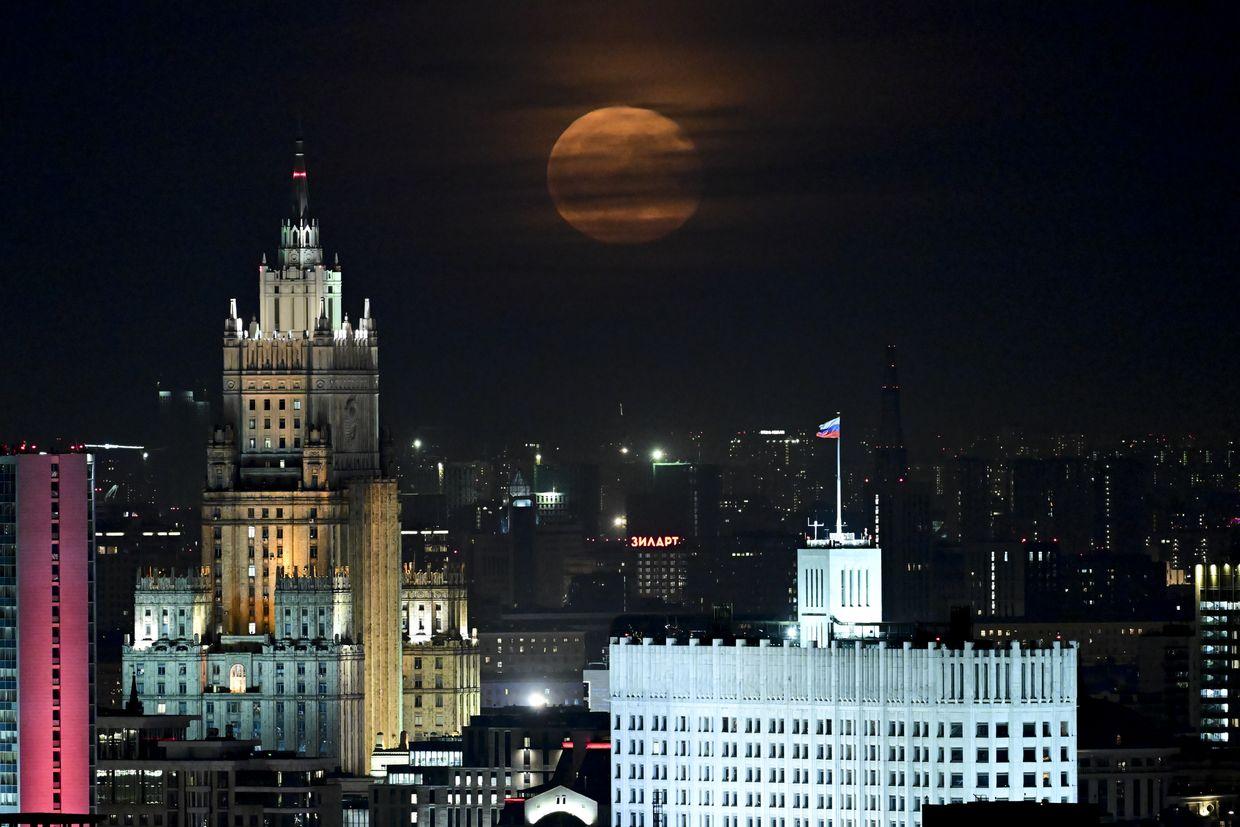
Russia is blocking access to 81 European media outlets, the Foreign Ministry said on June 25.
The announcement was in response to a decision by the Council of the EU the previous day that banned access within the bloc to four key Russian state-run or controlled media outlets, Rossiyskaya Gazeta, Voice of Europe, RIA Novosti, and Izvestiya.
"The Russian side has repeatedly and at various levels warned that politically motivated harassment of domestic journalists and unfounded bans on Russian media in the EU will not go unnoticed," the Foreign Ministry said.
The list of blocked media outlets spanned across 25 countries in the EU, as well as four pan-European organizations. It includes both local media outlets and more international-leaning news outlets, such as Agence-France Presse (AFP), Politico, and Spain's Agencia EFE.
The previous day, Foreign Ministry spokesperson Maria Zakharova said Russia was preparing an unspecified response to the EU's measures impacting Russian media. The ministry's announcement added that the restrictions would be reconsidered if the EU lifted its access bans.
Russia has taken extensive measures to crack down on independent media.
The Kremlin passed a bill in May to expand the purview of its media bans to include foreign state-funded organizations, such as media outlets like the BBC or Radio Free Europe/Radio Liberty (RFE/RL).
The Committee to Protect Journalists (CPJ) also estimated that Russia currently has imprisoned at least 22 journalists. Two of those detained, Evan Gershkovich and Alsu Kurmasheva, have U.S. citizenship.