Olena Zelenska on what 5 years of First Ladies and Gentlemen Summit taught us about soft power
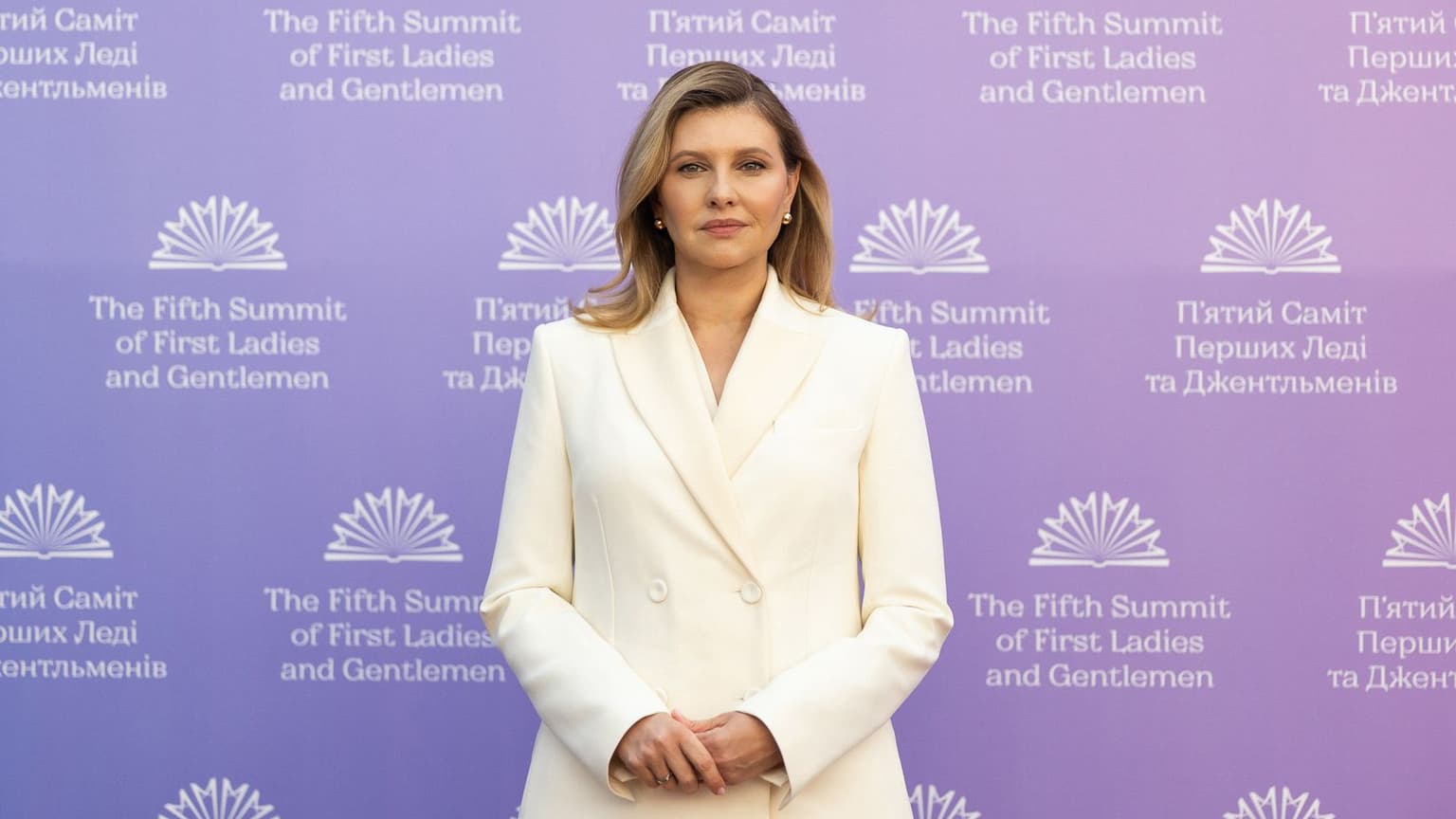
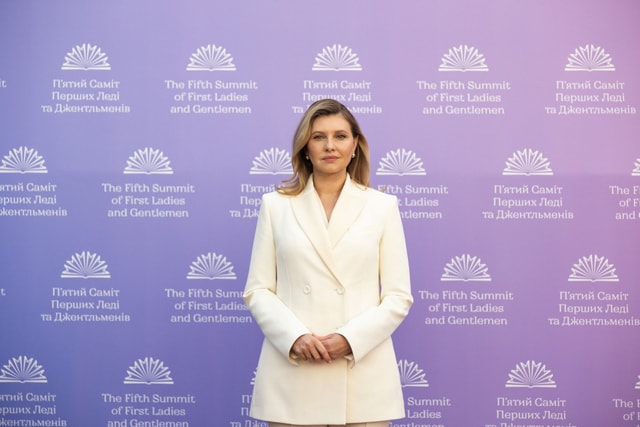
Ukraine's First Lady Olena Zelenska attends the Fifth Summit of First Ladies and Gentlemen in Kyiv, Ukraine, in September 2025. (The Office of the First Lady of Ukraine)
 on Google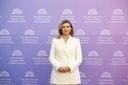
Olena Zelenska
First Lady of Ukraine
"We experienced a small part of what you are living through. We admire you, and we will stand with you," said one of the foreign participants after the Russian night attack that happened overnight before our fourth summit of First Ladies and Gentlemen in 2024.
Despite the third year of our defense against Russia's invasion, we were preparing the Summit as always in Kyiv, in an open-air setting at the Saint Sophia of Kyiv Reserve, a place where one can breathe Ukraine's centuries-old history.
Our guests, my colleagues and experts, arrived from all over the world, some traveling for several days. For many, it was their first visit to Ukraine and their first experience of living in a country under attack every single day.
On the evening before the Summit, a storm broke out, so fierce that it shook the windows.
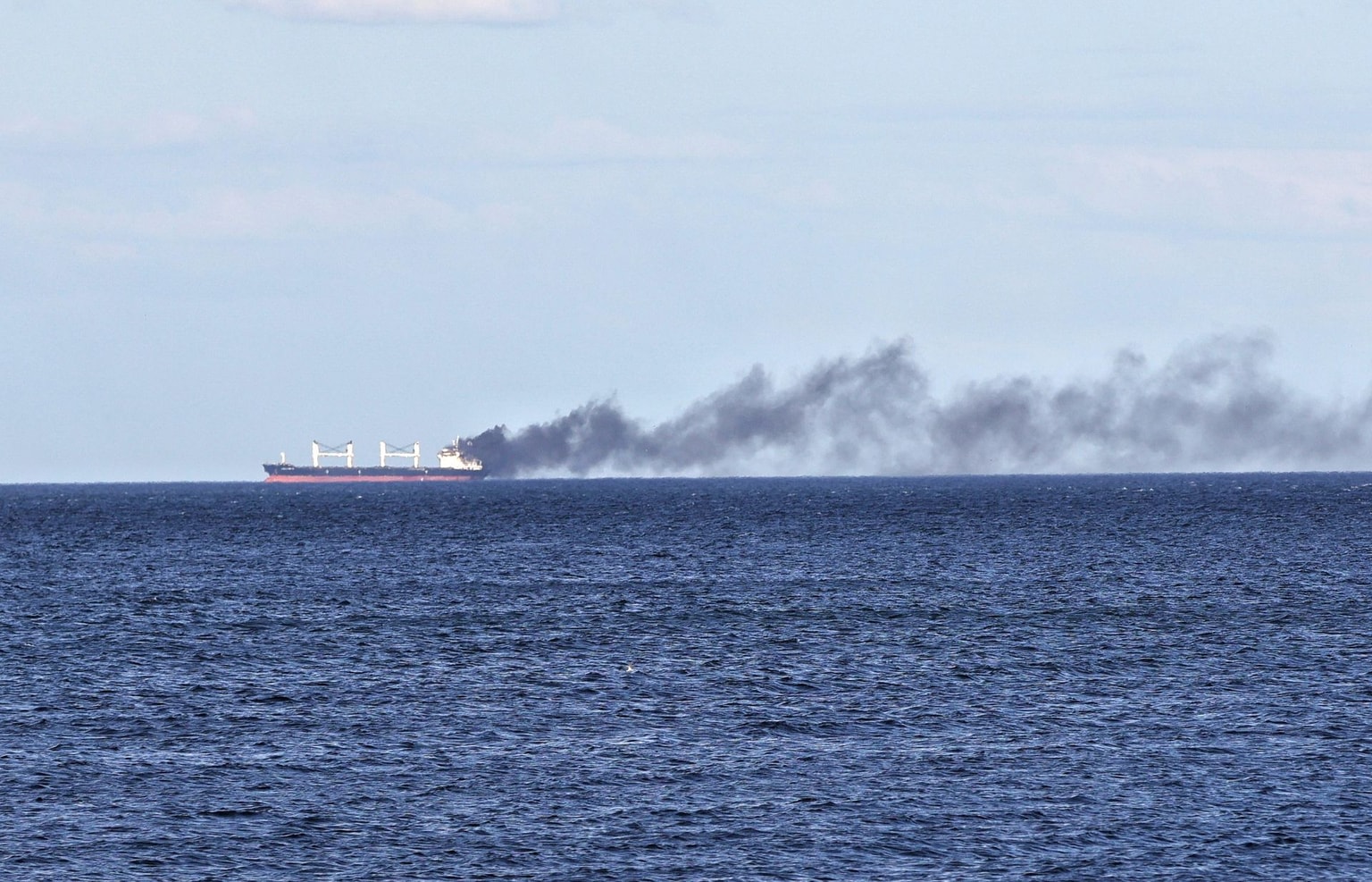
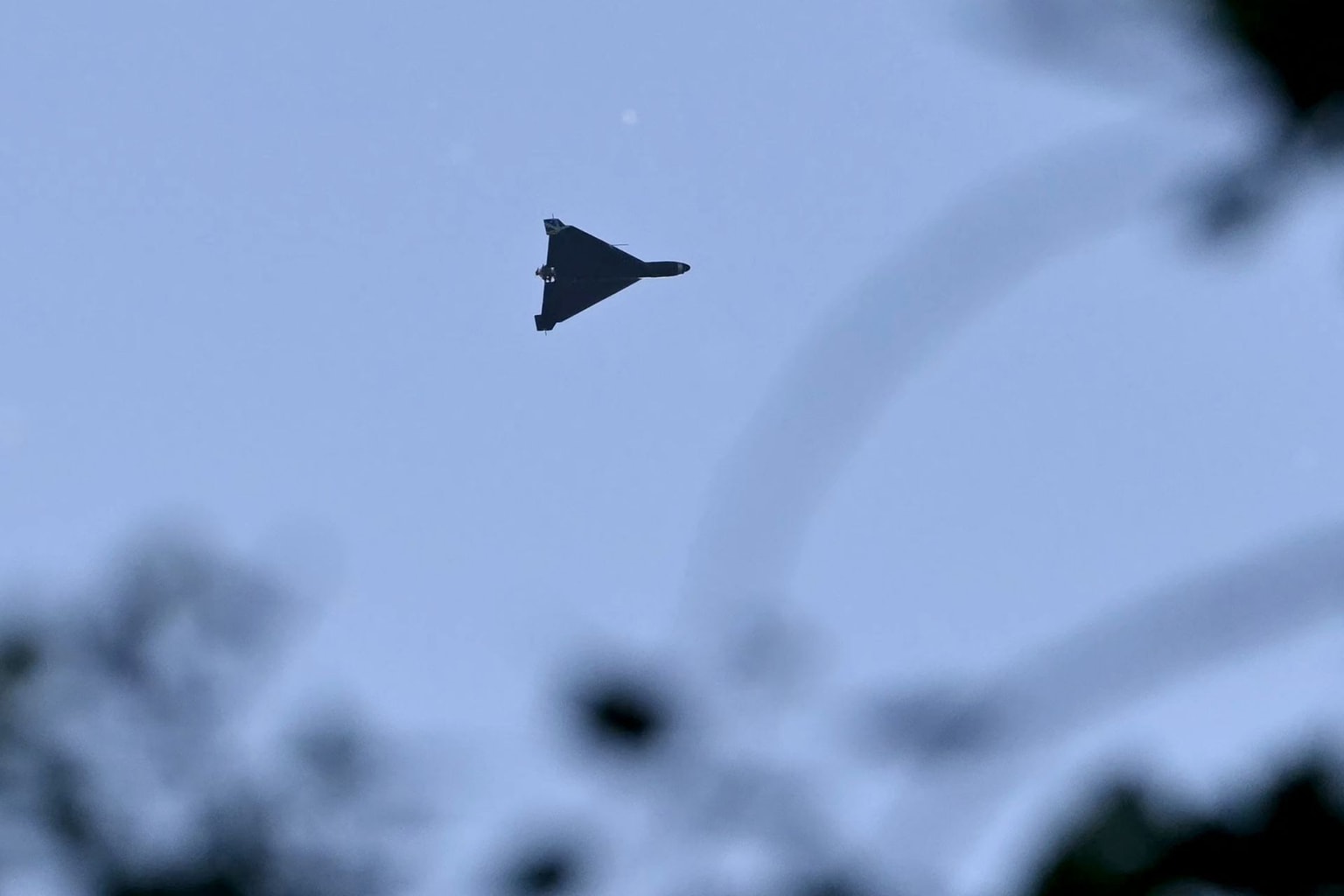
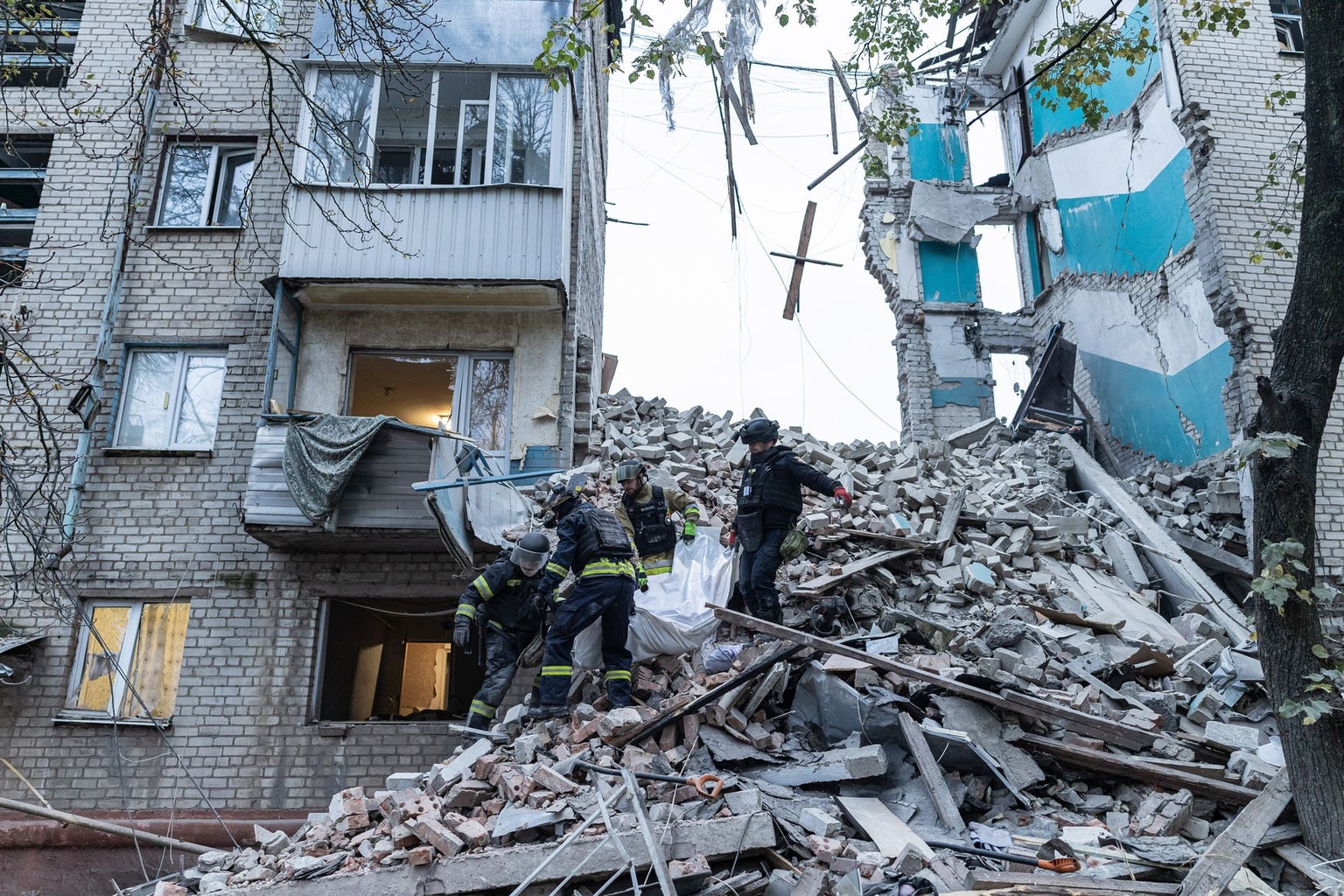
Our team, which had spent several weeks preparing the venue for the Summit, stood in the pouring rain, unsure whether anything would still be there by morning. Yet, even when nature finally calmed down, the Russian violent drone attack didn't just shake windows, but destroyed them, along with buildings and lives.
We in Ukraine have seen and heard it so many times…
But how would a person visiting Ukraine for the first time during the war perceive such an "ordinary" night? We only learned it in the morning.
Despite a sleepless night in a shelter, side by side with Kyiv residents, my colleagues from the most distant countries arrived in Sofia on time. That was when I heard the words I quoted at the beginning. And, as subsequent events showed, those were personal heartfelt words, which at times may even be stronger than signed declarations.

This is how I see the essence of our Summit, the first, perhaps we can call it, "professional" community of First Ladies and Gentlemen: it is not just a conference held once a year (though even that alone would make it unique). It is a space of like-minded people, shared by individuals from every corner of the world every day, every moment, fully aware of what they are committing to.
I often think now how timely it was that we created this completely new diplomatic channel.
In 2021, when I initiated the First Summit of First Ladies and Gentlemen, I was thinking more about the fact that we, together with our colleagues, would finally be able to share our experiences.
After all, there is no training for this role anywhere — you can't learn it anywhere, you can't receive a "certificate of qualification." In the past (it now feels like decades rather than just five years ago), the public engagement of First Ladies and Gentlemen was mostly associated with appearances at cultural and social events accompanying more serious occasions.
"Today the Summit has already brought together more than 50 First Ladies, Gentlemen, and members of royal families from all over the world in support of the most important humanitarian priorities."
It felt like a kind of "plus-one diplomacy," where the main task was simply to look appropriate next to a husband or wife: a president or a prime minister. That's how that very idea of "soft power" was perceived by many.
Well, we have "soft power" that sometimes feels like a "soft ceiling," and that's where the terrible Russian aggression in Europe begins. There are no textbooks with instructions for First Ladies and Gentlemen, I should remind you. And there are no instructions anywhere at all for when an attacker starts destroying your world and the worlds of innocent people around you.
If something does not exist, we will create it ourselves. I make it sound so simple now, but for my colleagues and me, those first few months of 2022 became a great challenge.
Staying in constant contact, we jointly organized the evacuation of the first Ukrainians — seriously ill and wounded children and adults — to safe countries, and we brought into Ukraine special capsules with an uninterrupted power supply for premature babies.

At what point did we realize that if we unite our "soft power," it proves to be anything but soft? We knew that for sure at the Second Summit (the first during the invasion) in Kyiv.
Back then, we managed to raise $6.4 million for ambulances for Ukraine. A year later, at the Third Summit, we established an unprecedented framework for direct cooperation between healthcare institutions around the world — direct life-saving through a "clinic-to-clinic" model — the International Medical Partnership.
We want to be, and we truly can be, useful to our nations not only as a "protocol add-on" to presidents and prime ministers. We understood this in practice when we started acting together and delivered real results.
If you are going to help, you need to do it systematically — without asking "When is it enough?" — because that's what real help is.
That is why the Summit has become a year-round platform that operates not from event to event but continuously. And we use our annual meetings in Kyiv as a forum for dialogue — an opportunity to explore topics that are relevant to all our countries. I say "explore" because, ahead of every such meeting, we conduct unique sociological research across dozens of countries.
Our research has already explored topics such as mental health, safety, issues affecting children, and educational expectations among Ukrainians, Europeans, and Americans, and, in some cases, has shed new light on these matters.
And the global campaign "Every generation leaves its mark. Education shapes its legacy" — based on the outcomes of the Fifth Summit dedicated to education — has, at this point, reached the entire world through its Call to Action: to build a safe world, educational institutions must foster not only knowledge but also humanity and empathy.

I don't know whether we would have believed this five years ago, but today the Summit has already brought together more than 50 First Ladies, Gentlemen, and members of royal families from all over the world in support of the most important humanitarian priorities.
I am forever grateful to all of my colleagues. They are very different people, with remarkable personal and professional backgrounds across a wide range of fields, which only added strength to us.
In our community, we have teachers, economists, psychologists, administrators, writers, historians, and doctors, in other words, professionals from almost every field. And where we lack purely political or diplomatic knowledge, we are not too proud to learn it (we have already completed relevant courses twice — at the Vienna Diplomatic Academy and the London School of Economics).
In two months, we will hold the next, already our Sixth Summit. And together with the team, we are already thinking about risks — a storm or a Russian strike? Or both?
At the same time, we are no longer anxious. Because we know we can do it. I know that my colleagues will be in Ukraine, alongside Ukrainians. And I hope that this will mean many lives changed for the better right now, without postponing them until "some later time."
"Soft power," it turns out, has another advantage as well — it does not plan for years ahead, it does not limit itself to "deep concern," but acts here and now.
We continue to discover new dimensions of our shared strength for our countries and our people.
Editor's note: The opinions expressed in the op-ed section are those of the authors and do not purport to reflect the views of the Kyiv Independent.