NATO reportedly sending ships to guard cables under Baltic Sea
 on Google

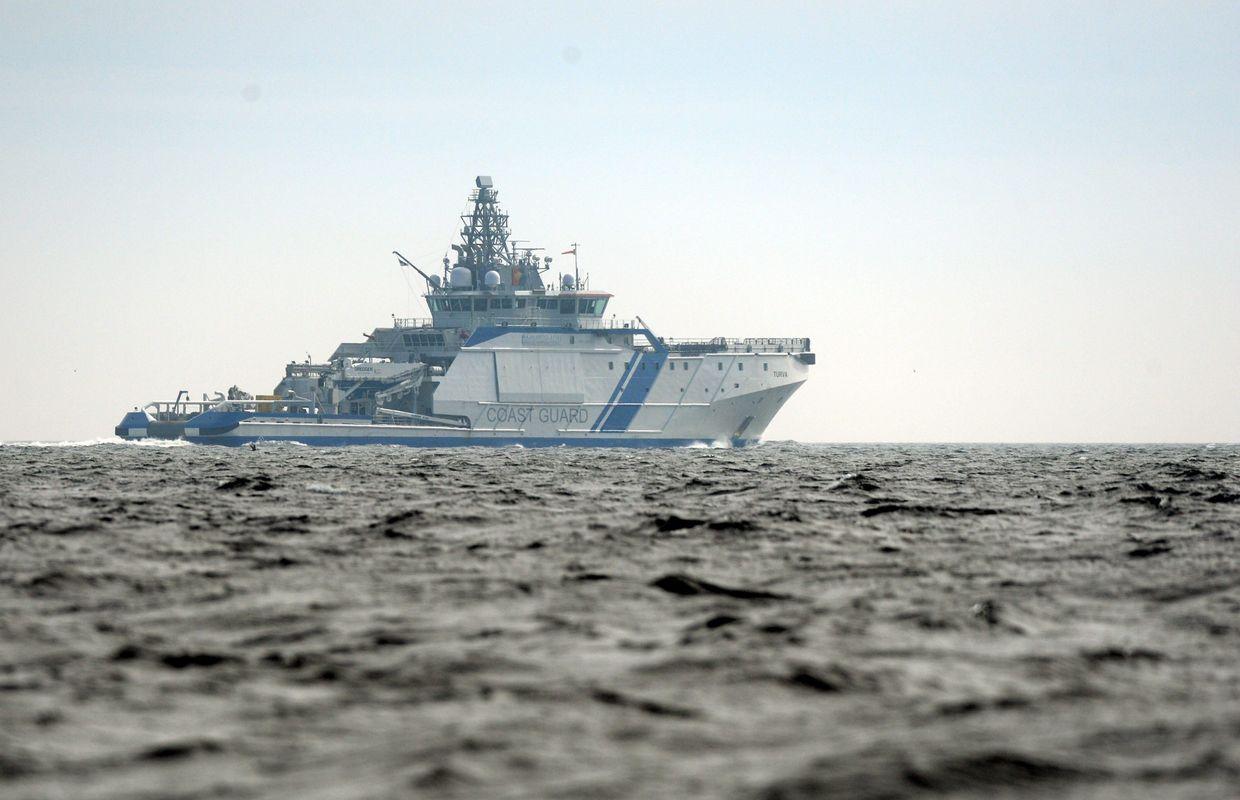
A fleet of up to 10 NATO vessels will guard the infrastructure under the Baltic Sea until April, the Finnish broadcaster Yle reported on Jan. 7 after several cables were cut in suspected sabotage.
The ships, mainly from Finland and Estonia, will patrol the Gulf of Finland, Yle reported.
Over the past six months, several telecommunication and energy cables underneath the Baltic Sea have been damaged, with four telecom cables and one power cable severed on Dec. 25.
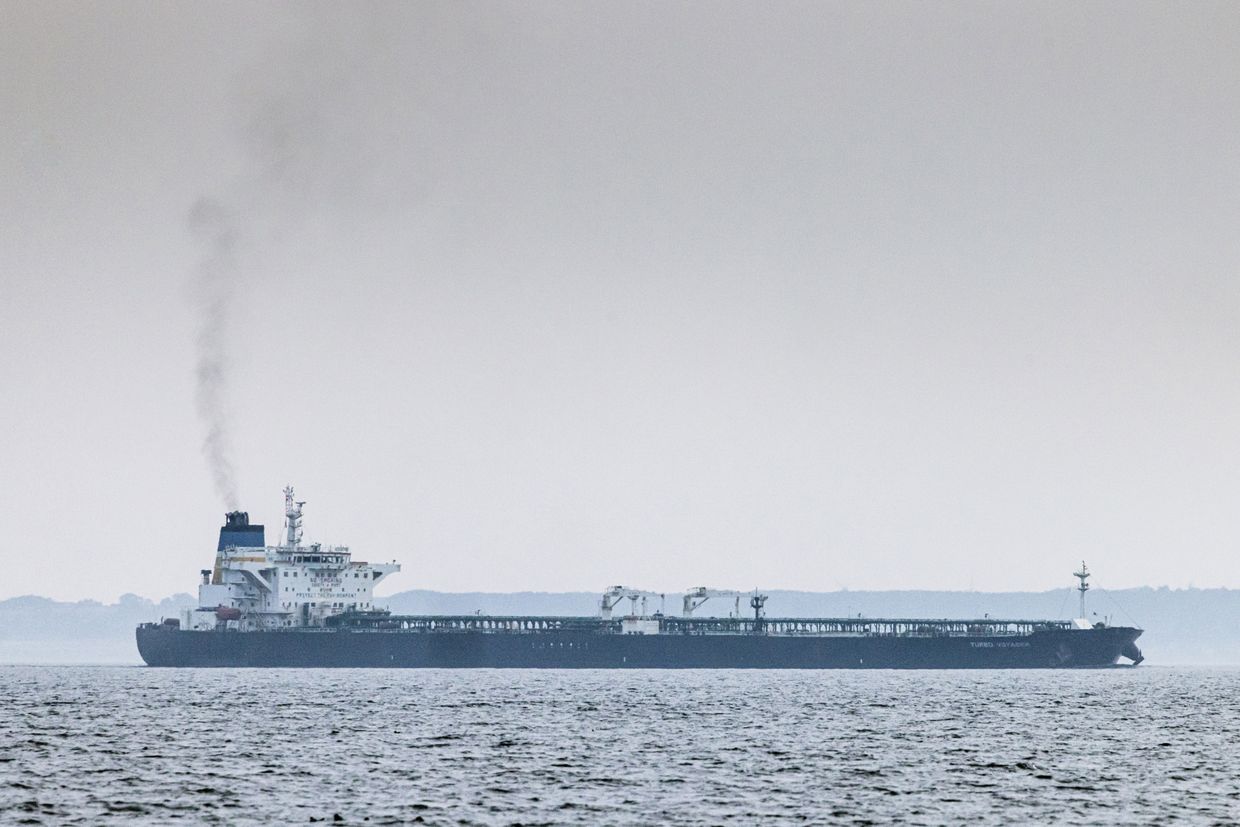
Only two of those cables of the Christmas incident were repaired by Jan. 7. Authorities suspect the Russian shadow vessel Eagle S of the sabotage.
The shadow fleet refers to a group of aging, poorly insured tankers Russia uses to avoid international sanctions on its oil trade. Moscow also uses these vessels for espionage.
Concerns about Russian illicit activities in the Baltic Sea are rising, as Denmark reported two Russian-registered vessels circulating in a small area between Sweden and Denmark for at least a day.
The purpose of the two vessels, currently monitored by the Danish authorities, remains unclear.
In a separate initiative, the U.K-led Joint Expeditionary Force (JEF) has set up a tracking system to alert allies if a ship poses a threat to undersea cable infrastructure.
NATO is increasing its military presence in the Baltic Sea to bolster situational awareness and deter potential threats.
Allies are also exploring measures to protect critical undersea infrastructure, supported by NATO's Maritime Centre for Security of Critical Undersea Infrastructure, established in May.
NATO officials have raised alarm over a growing number of Russian sabotage operations in Europe since the West threw its support behind Kyiv after the outbreak of the full-scale invasion in 2022.