on Google
Iran plans to provide Russia with missiles but wants to limit their range due to a potential international backlash, Axios reported, citing four senior Israeli officials.
Russia has been using Iranian-made kamikaze drones to attack Ukraine since September, launching attacks against civilians and destroying energy facilities across the country.
Tehran initially denied supplying Moscow with drones but later admitted delivering them, claiming it happened before Russia launched its full-scale invasion of Ukraine on Feb. 24. There is overwhelming evidence that Iran continued supplying drones during the invasion.
According to the Axios report, the Western pressure “has not fully deterred Tehran from planning to send the missiles to Russia, and it intends to go ahead with the deliveries soon.”
“But, in an effort to mitigate the international fallout and not violate the Security Council resolution, Iran plans to give Russia only missiles with a range of fewer than 300 kilometers and modify other missiles so they stay within the parameters of the resolution,” the Israeli officials said, as quoted by Axios.
The same day, the European Union added four individuals to the list of sanctions against Iran, as well as four entities “for their role in the development and delivery of UAVs used by Russia in its war against Ukraine.”
The U.K. Defense Ministry said on Dec. 10 that it expects Iran’s support for the Russian military to grow in the coming months. The ministry called Tehran “one of Moscow’s top military backers” worldwide and said that Russia is attempting to obtain more weapons from Iran, “including hundreds of ballistic missiles.”
“In return, Russia is highly likely offering Iran an unprecedented level of military and technical support that is transforming their defense relationship... If Russia succeeds in bringing a large number of Iranian ballistic missiles into service, it will likely use them to continue and expand its campaign of strikes against Ukraine’s critical national infrastructure,” the U.K. Defense Ministry said.

Most Popular
As Ukraine's Crimea campaign grows, so does its underground resistance

Buryatia shows what happens when Russia runs out of volunteers

Analysis: Why many Ukrainians feel Commander-in-Chief Syrskyi must go
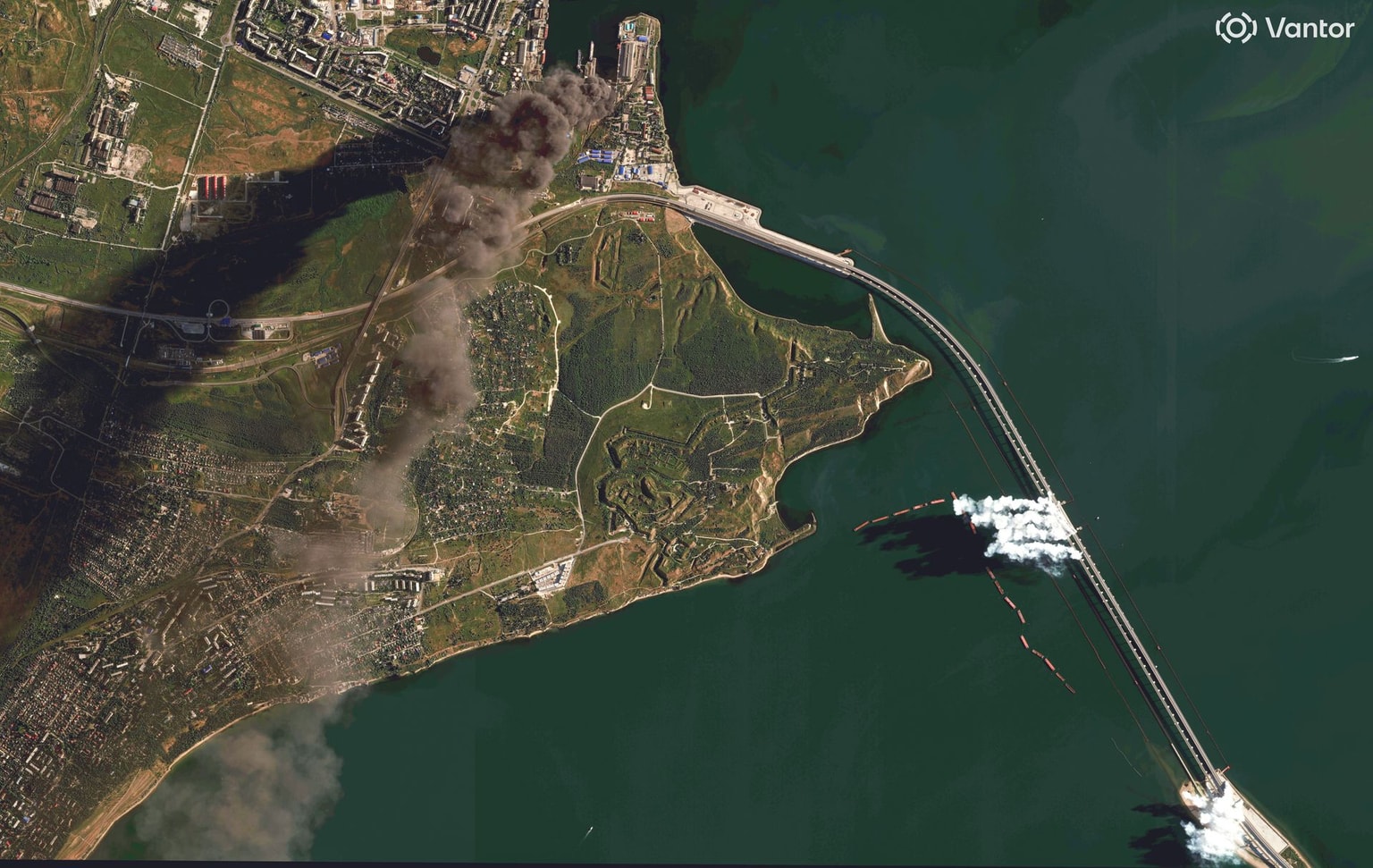
Ukraine's drone commander says Kerch Strait ferry capacity reduced by 75%
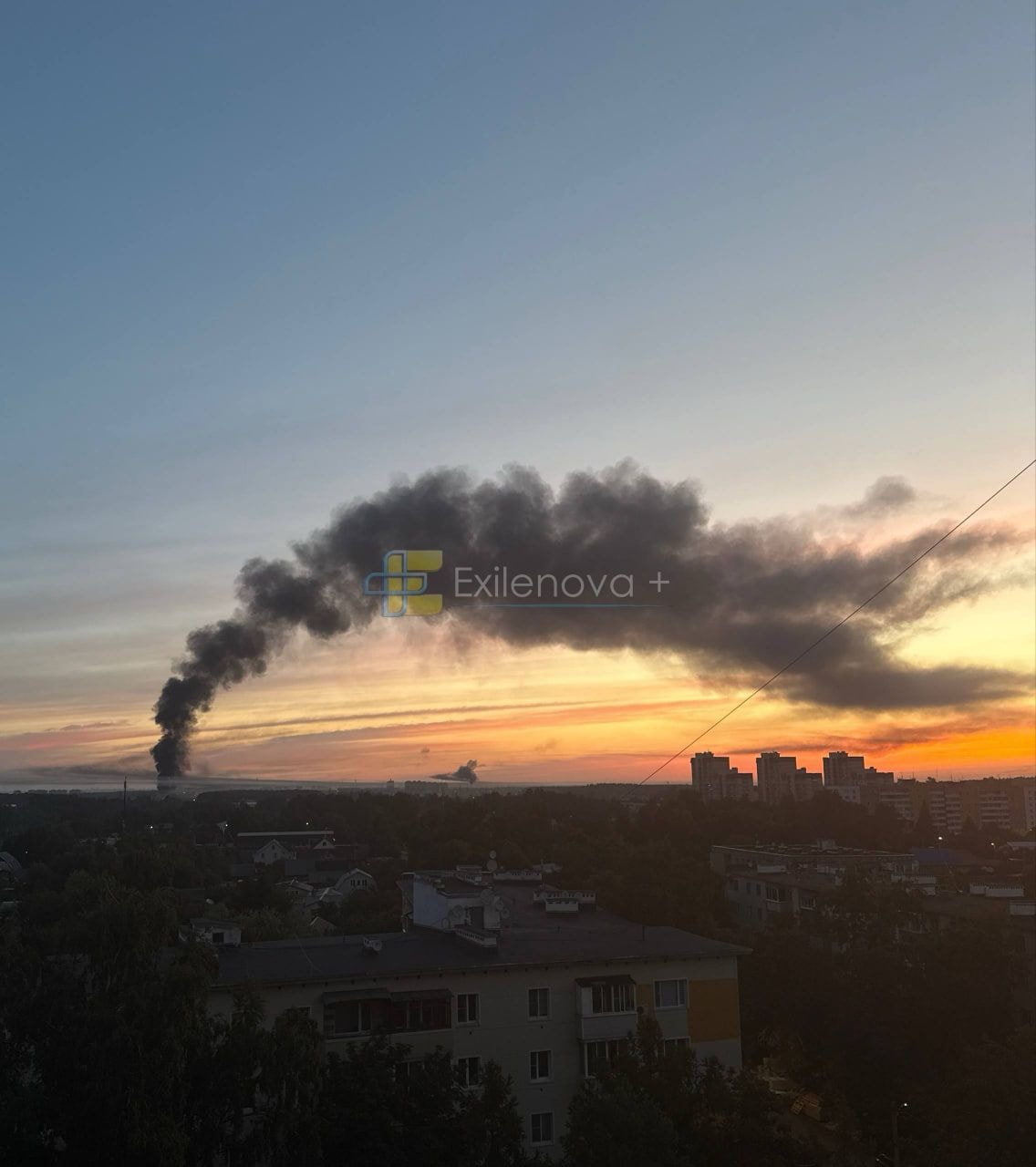
Ukraine hits Russian oil depot, logistics facilities in Moscow Oblast, 6 Black Sea vessels, Zelensky confirms
News Feed Show More
Wednesday, July 22
(Updated: )
Blackouts were reported throughout occupied Crimea, and massive fires broke out in several southern Russian cities amid Ukrainian strikes on retail logistics facilities overnight on July 22, according to monitoring channels.
Tuesday, July 21
(Updated: )
Russia occupied and illegally annexed Crimea in 2014. In recent months, Ukrainian forces have increasingly targeted power substations, bridges, ferry crossings, air defenses, military logistics routes, and Russian vessels in the Black and Azov seas as part of a broader campaign to isolate Crimea.
"It is really important that Laura Loomer is in Ukraine and sees things with her own eyes as they are," Zelensky's office said.
"Cultural events funded by European taxpayers' money should safeguard democratic values and foster open dialogue, diversity, and freedom of expression — values which are not respected in today's Russia," European Commission spokesperson Thomas Regnier said.
The Washington-based lender called Ukraine's performance "broadly satisfactory" in a press release announcing its approval, but emphasized that several conditions of the program were either completed with a delay or missed entirely.
Striking both the fighter jet and the Pantsir-S1 weakens Russia's ability to protect military sites from Ukrainian attacks.
Sumy came under repeated Russian strikes, reflecting Moscow's growing use of double-tap attacks, which cause further destruction and put both civilians and rescuers at risk.
The figure includes 1,370 personnel losses recorded over the past day.
Fires broke out at industrial facilities in the Russian city of Lipetsk after reports of an overnight attack, with independent monitoring channels claiming the affected sites included a major steel plant and a power facility.