Zelensky says Lukashenko's dog has more rights than Belarusians as he visits Lithuanian capital
 on Google
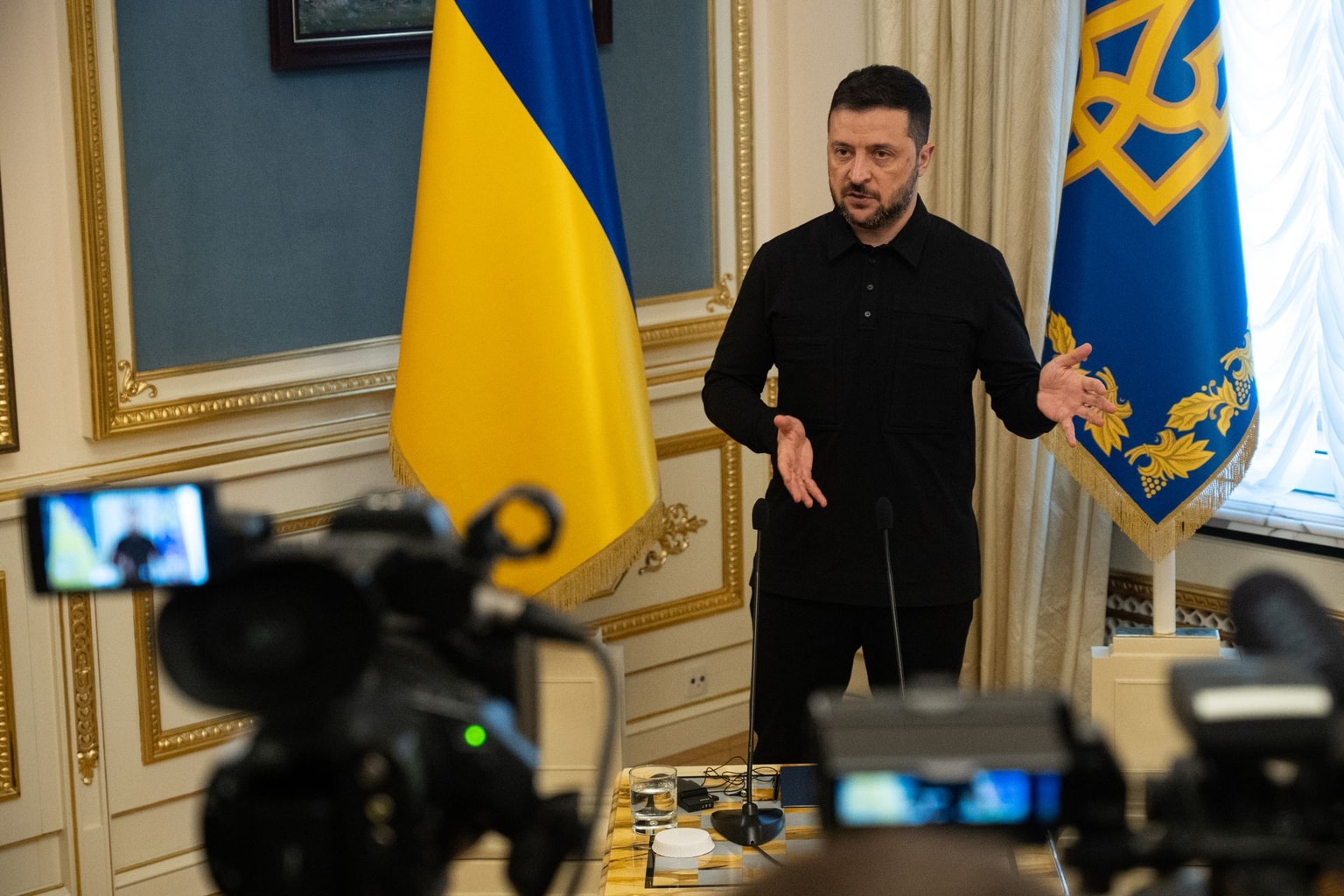
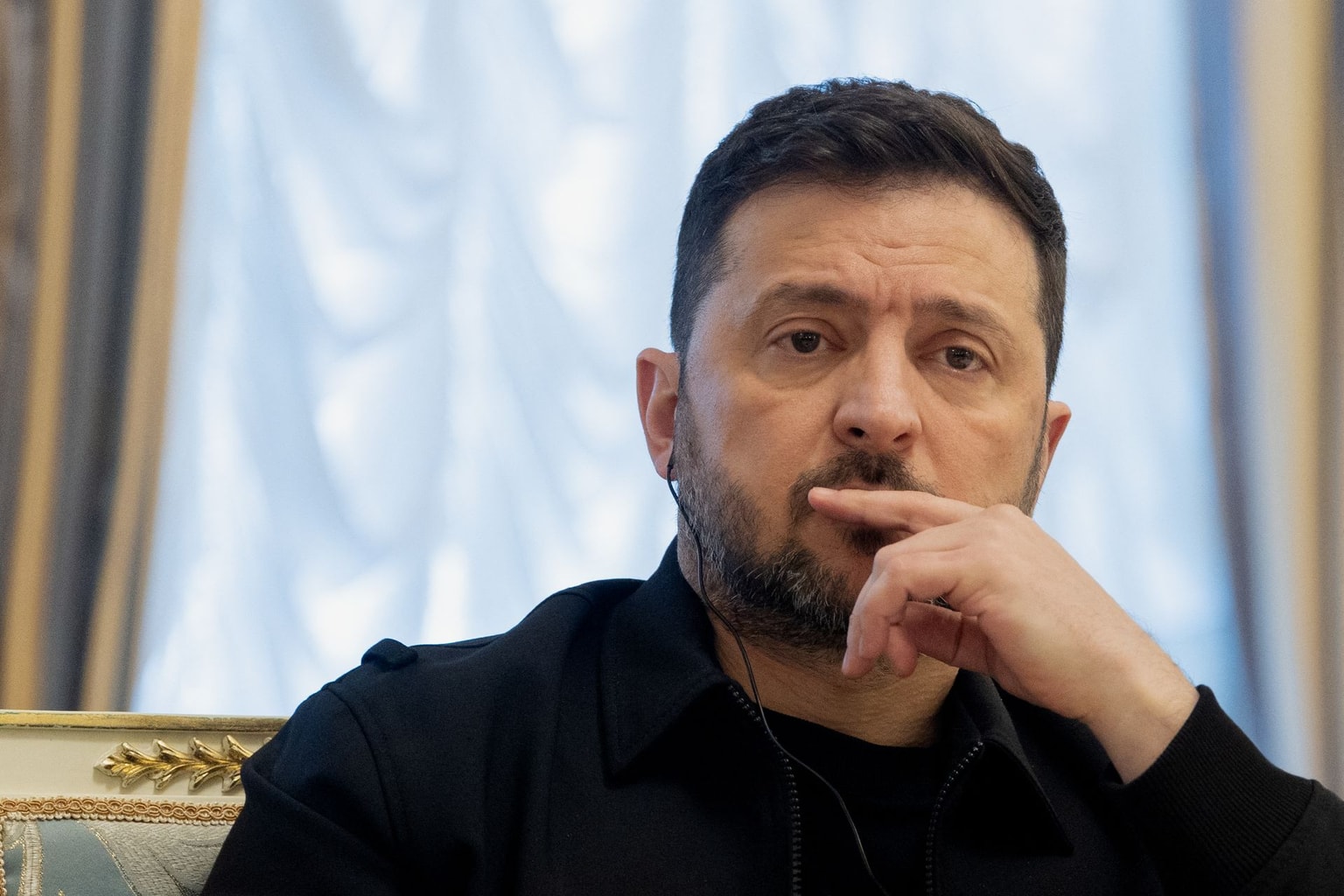
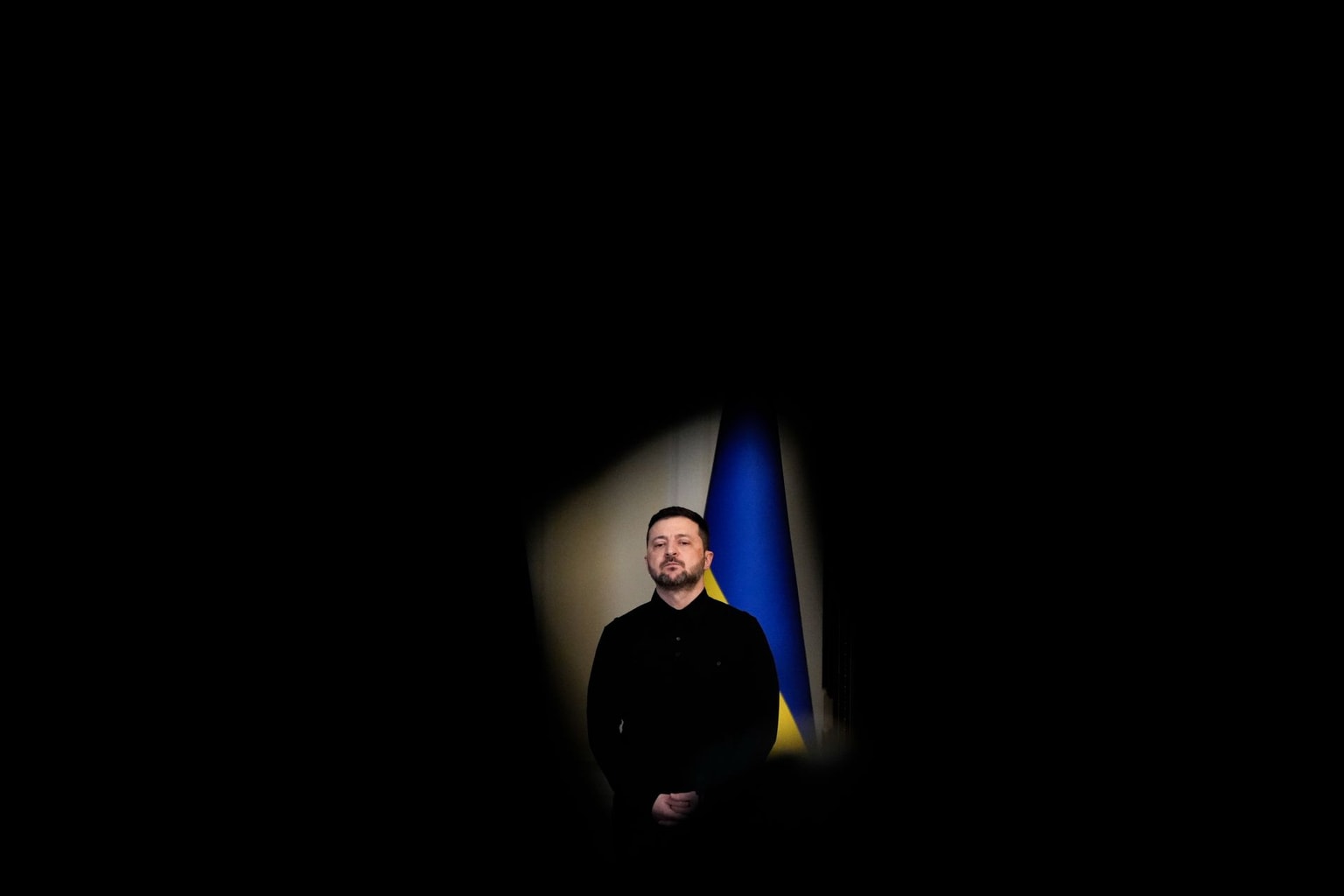
In a speech in Vilnius on Jan. 25, President Volodymyr Zelensky emphasized the unity of Poland, Ukraine, and Lithuania, adding that Belarus still needs to achieve true independence.
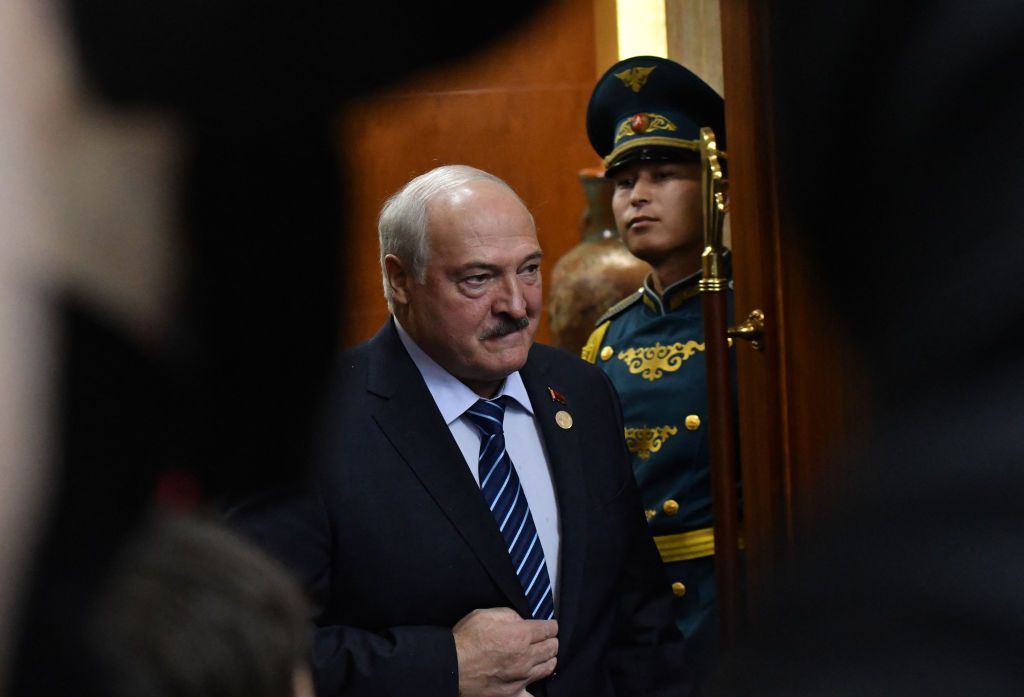
Zelensky said that, as for now, Belarusian dictator Alexander Lukashenko's white spitz, a small dog breed, "has been granted more rights than the people of Belarus."
He added that Belarus had a chance to change this, referring to the peaceful 2020 protests, but "back then, support for Belarusians was simply not enough."
"And now we all feel how much harder, how much more expensive, and how much more dangerous it has become for everyone because of Belarus's dependence on Moscow – a dependence that is not decreasing," Zelensky said.
Lukashenko allowed Russian forces to use Belarusian territory to launch attacks on Ukraine at the start of Moscow's full-scale invasion in 2022. Russia still uses Belarusian industry, trade links, and territory in its war against Ukraine.

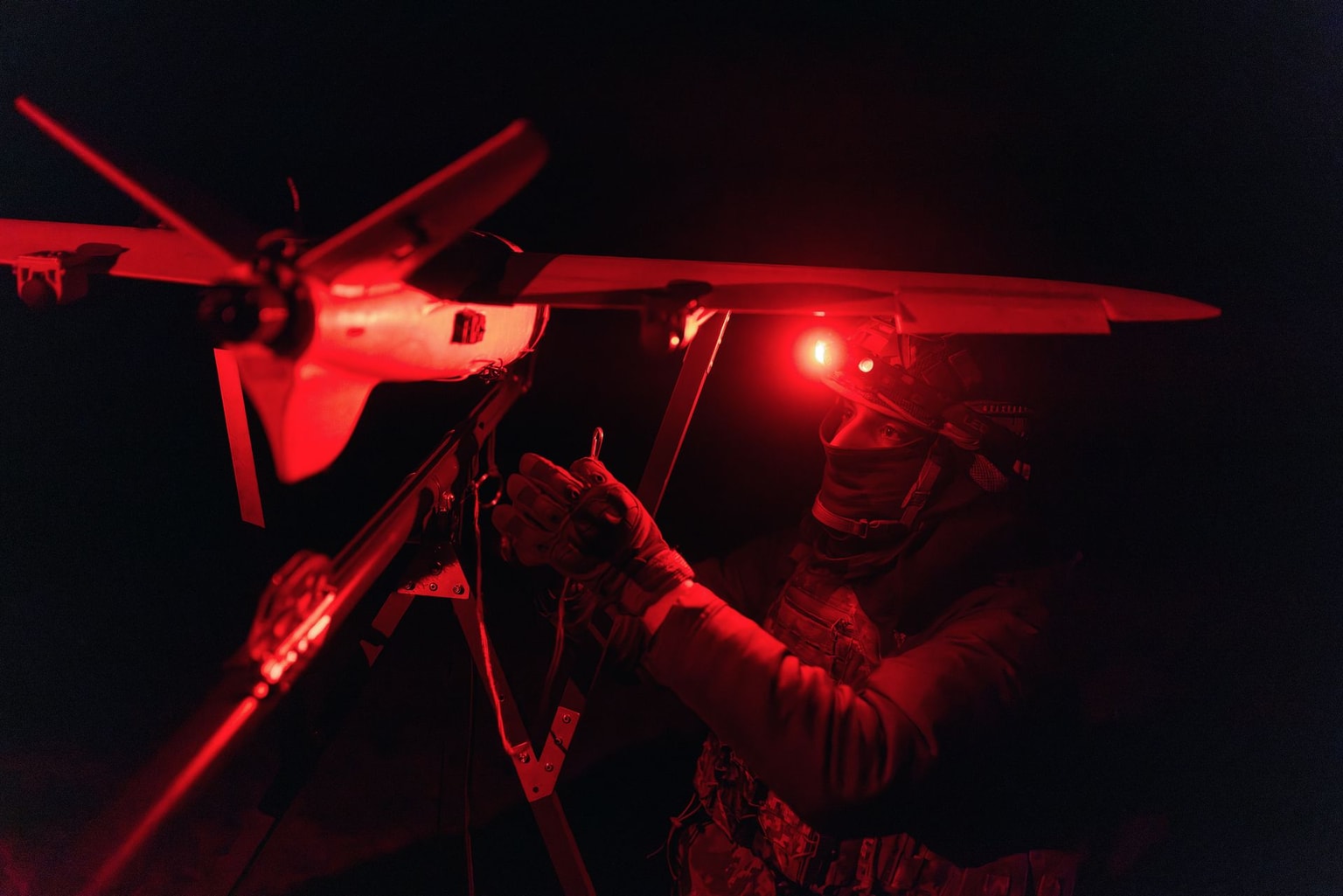
Zelensky also said that Russian forces launch drones against Ukraine from Belarus, using the territory for strike communications and guidance, and Belarus serves as a platform for Russia to exert pressure on Europe with "Oreshnik" missiles.
"That is why Europe must not lose any nation that lives by freedom. That is why Europe must not lose time. That is why every day, all of us in Europe must work for a strong Europe," Zelensky said.
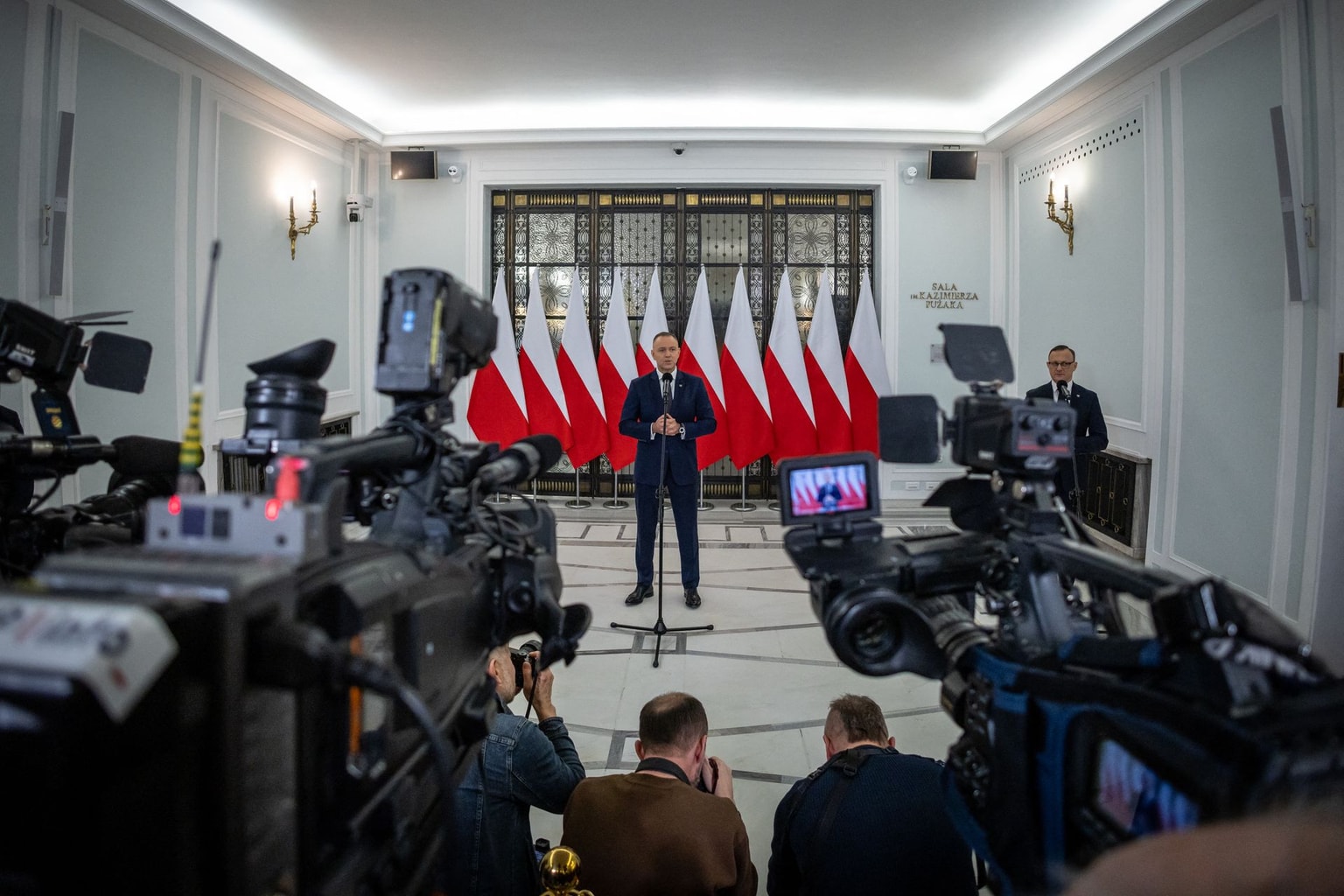
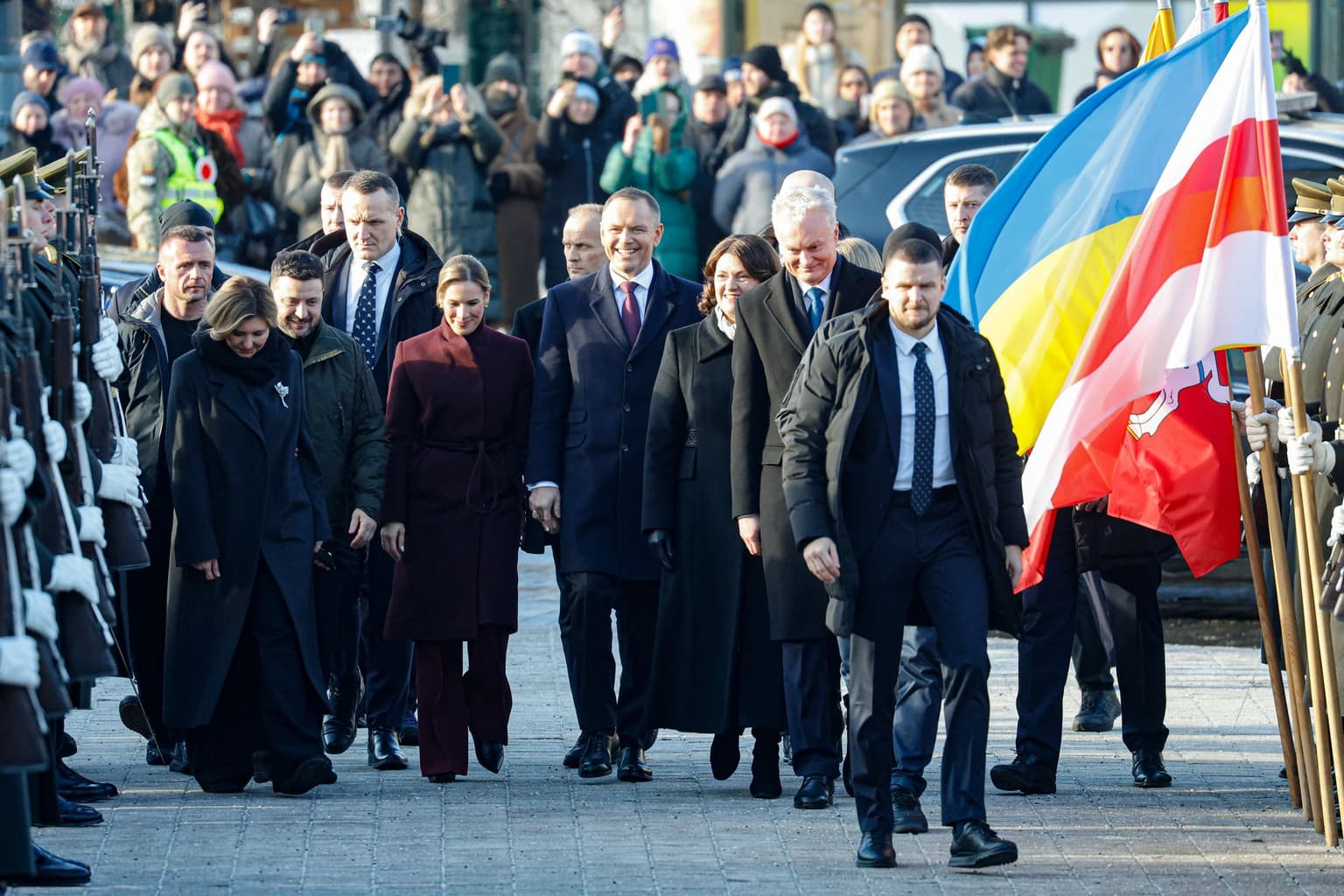
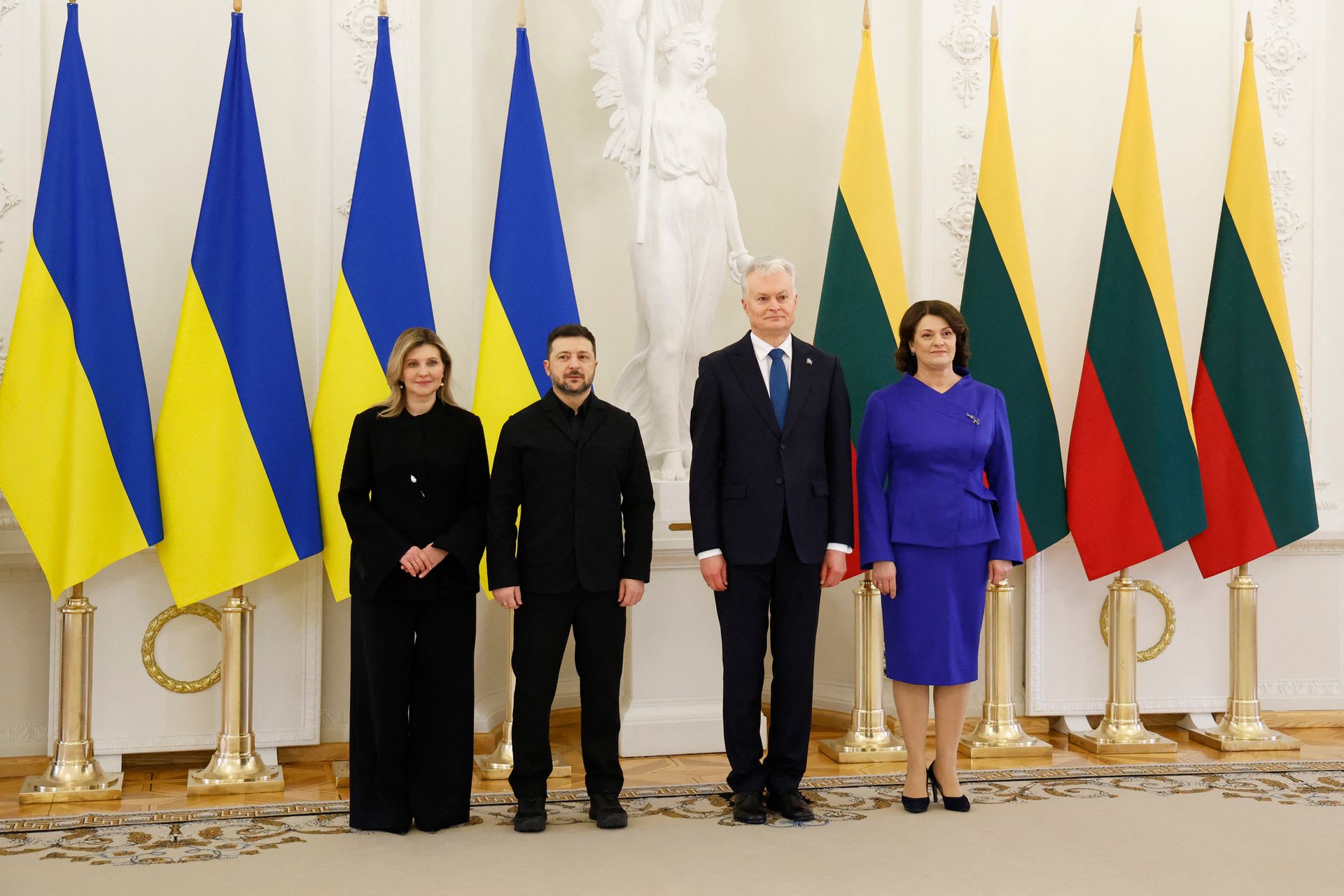
Before the speech, Zelensky met Lithuanian President Gitanas Nauseda and discussed with him Ukraine's energy crisis, military cooperation, and the progress of the peace talks. Polish President Karol Nawrocki also joined them.
"Today in Vilnius, we are coordinating with our partners in the region — Lithuania and Poland. We are working with every leader to strengthen Ukraine. Everyone must clearly understand the threat coming from Russia, and it is our nations that understand this best," Zelensky said.
Exiled Belarusian opposition leader Sviatlana Tsikhanouskaya also joined events in Vilnius commemorating the uprising, Belarusian independent media Nasha Niva reported on Jan. 25.
The visit coincided with the anniversary of the January Uprising (1863-64), which holds symbolic significance for Lithuania, Poland, Belarus, and Ukraine. The uprising sought to liberate the peoples of the Grand Duchy of Lithuania and the Kingdom of Poland from the Russian Empire.
Zelensky also emphasized the "unprecedented" support provided by Poland and Lithuania since the start of the full-scale invasion. He also thanked other European countries, the U.S., Canada, and Japan.
"In 1863, the insurgents could not even dream of such unity – and today, that unity is working. The European Union exists and grows stronger every year."
For now, sadly, Lukashenko’s white spitz has been granted more rights than the people of Belarus. There was a chance in 2020 to change this. And, I’m sure, there will be another chance.
— Volodymyr Zelenskyy / Володимир Зеленський (@ZelenskyyUa) January 25, 2026
But back then, support for Belarusians was simply not enough. And now we all feel how much… pic.twitter.com/U2O7iB9fUT
The visit came amid continuous Russian attacks on Ukraine's critical infrastructure, which have left thousands of Ukrainians without heat, electricity, and water. More than 1,600 residential buildings in Kyiv remain without heat.
Lithuania plans to provide Ukrainian cities and communities with nearly 100 generators, Zelensky said on Jan. 25.
read also
 Yuliia Taradiuk
 Sviatlana Tsikhanouskaya
 Olena Goncharova