Governor: Russian forces hit Nikopol, injuring civilian
 on Google
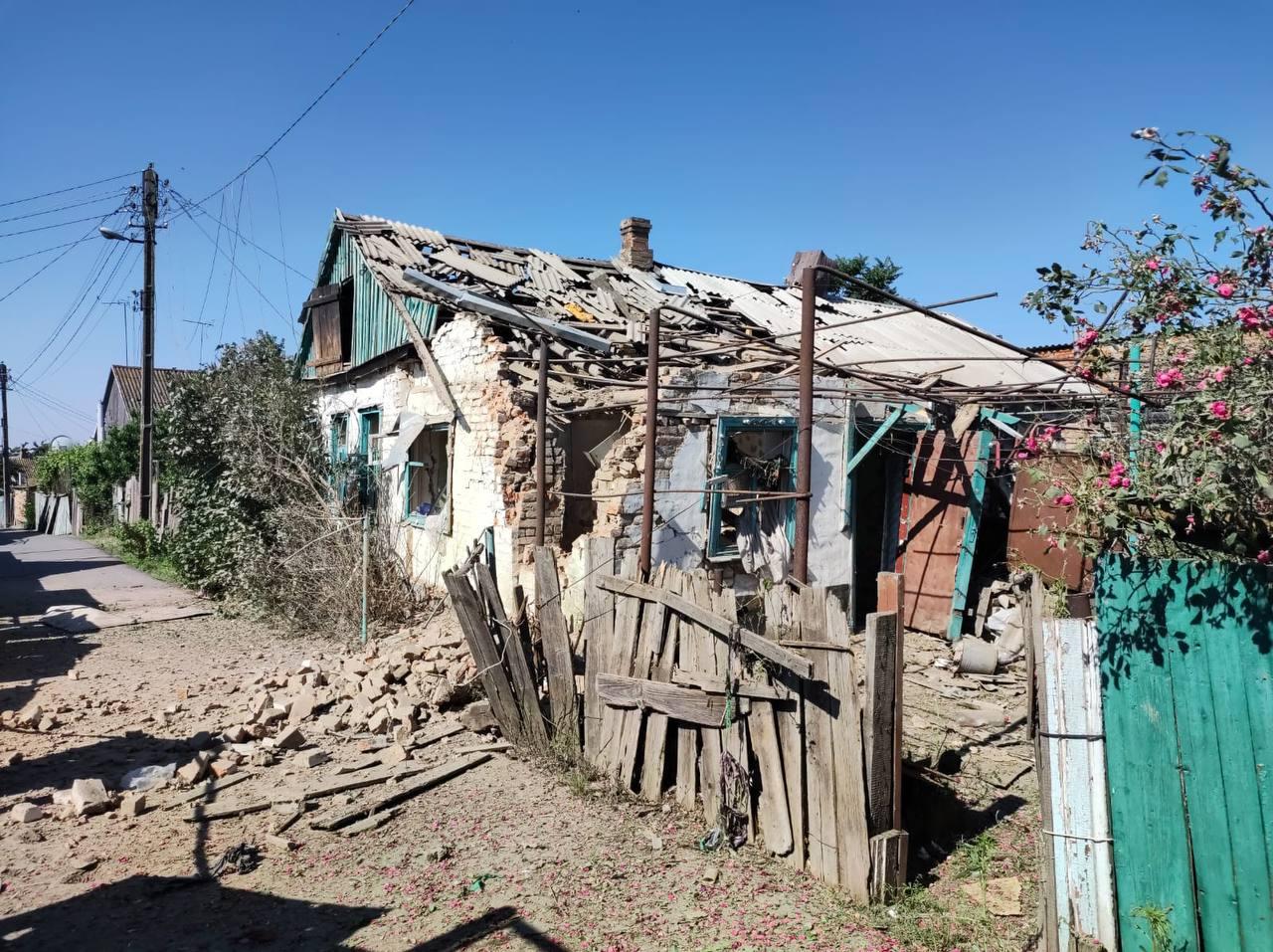
Russian troops struck the Nikopol district in Dnipropetrovsk Oblast four times on June 20, wounding a 74-year-old man, said Governor Serhii Lysak.
Russia used artillery and a drone to attack the city of Nikopol and the Marhanets community, according to Lysak.
Eight houses, a canteen, an administrative building, a sports facility, three cars, and two power lines were reportedly damaged in the attacks.
Nikopol, home to over 115,000 residents, is constantly shelled by the Russian army. On June 19, Russian shelling wounded a 73-year-old city resident.
The city sits across the Dnipro River from the Russian-controlled Enerhodar in neighboring Zaporizhzhia Oblast. Europe's biggest nuclear power plant located in Enerhodar has been occupied by Russian forces since March 4, 2022.
Nikopol lies on the bank of the Kakhovka Reservoir, which has dried up after Russian forces destroyed the Kakhovka Hydroelectric Power Plant's dam on June 6.
The dam breach has resulted in a large-scale environmental and humanitarian disaster in southern Ukraine as well as caused water supply issues in Crimea and four Ukrainian oblasts, including Dnipropetrovsk.